Karl-Landsteiner Private University for Health Sciences, Krems, Austria.
Institute of Medical Genetics, Medical University of Vienna, Vienna, Austria.
Arch Toxicol. 2020 Nov;94(11):3799-3817. doi: 10.1007/s00204-020-02900-5. Epub 2020 Sep 11.
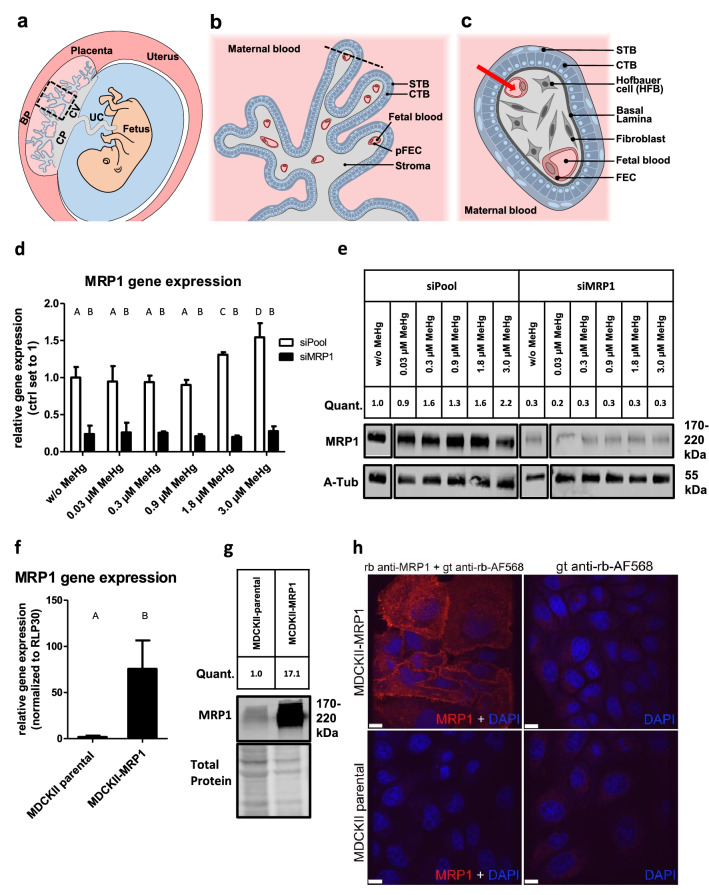
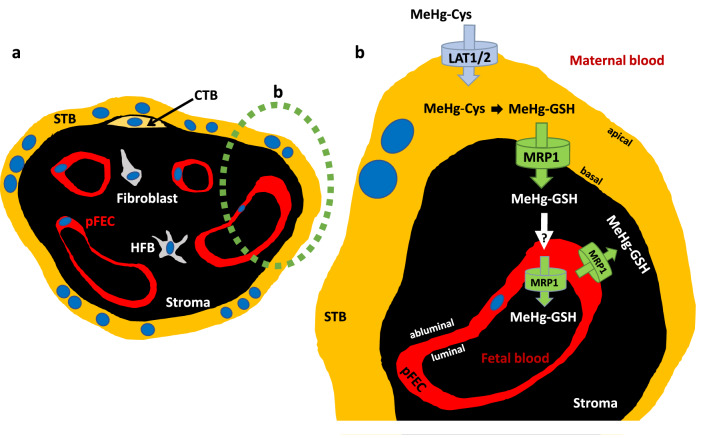
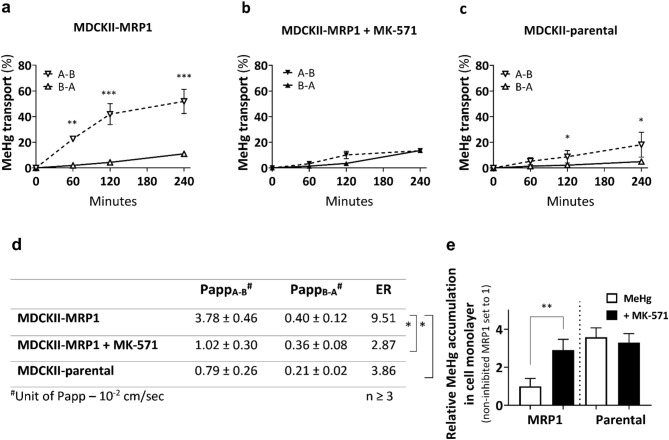
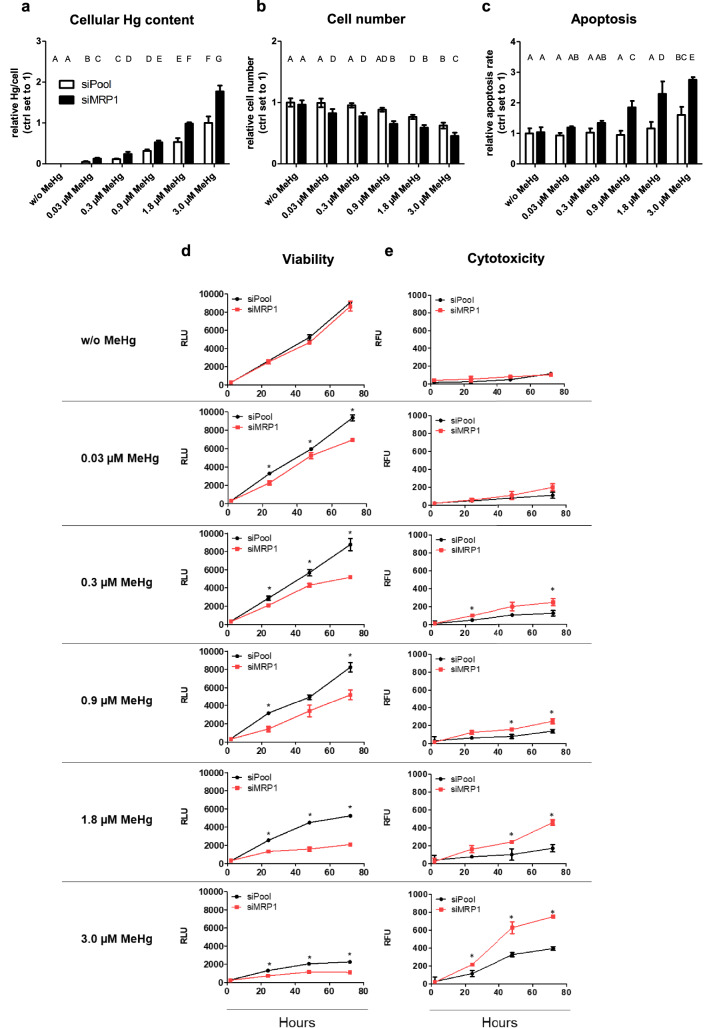
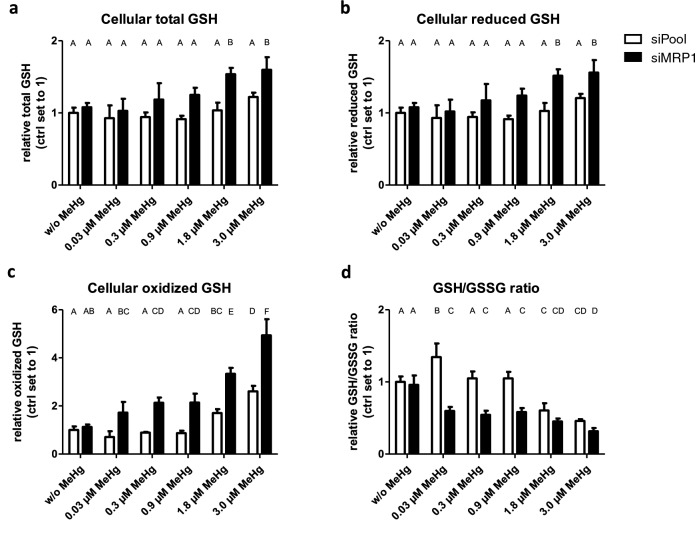
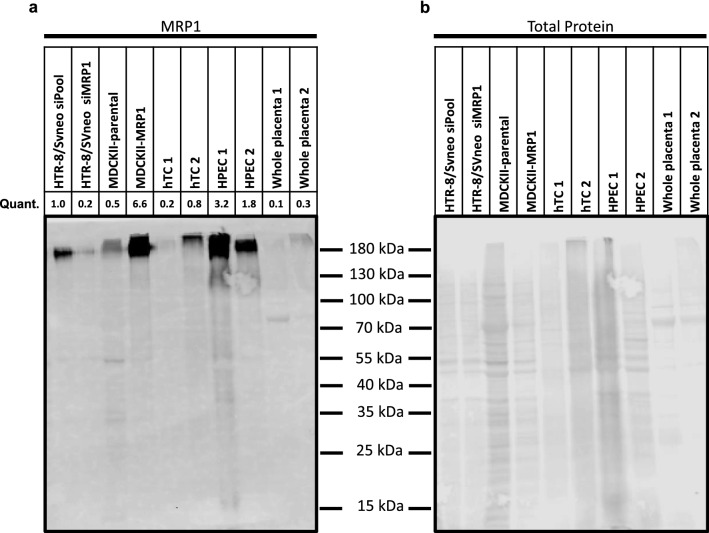
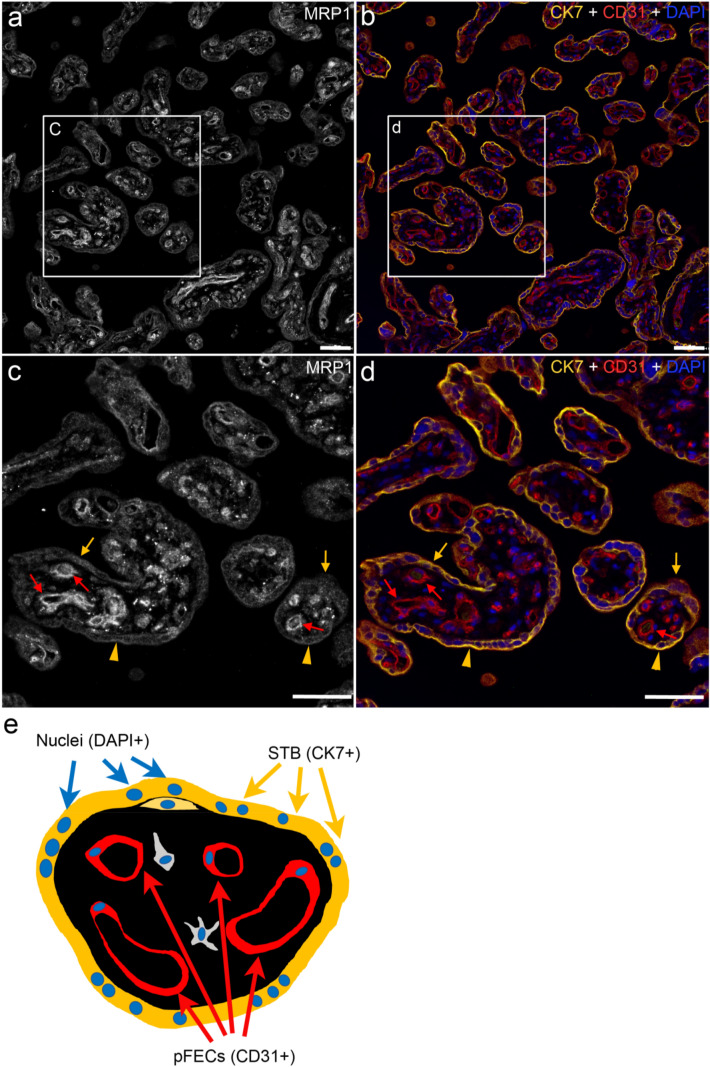
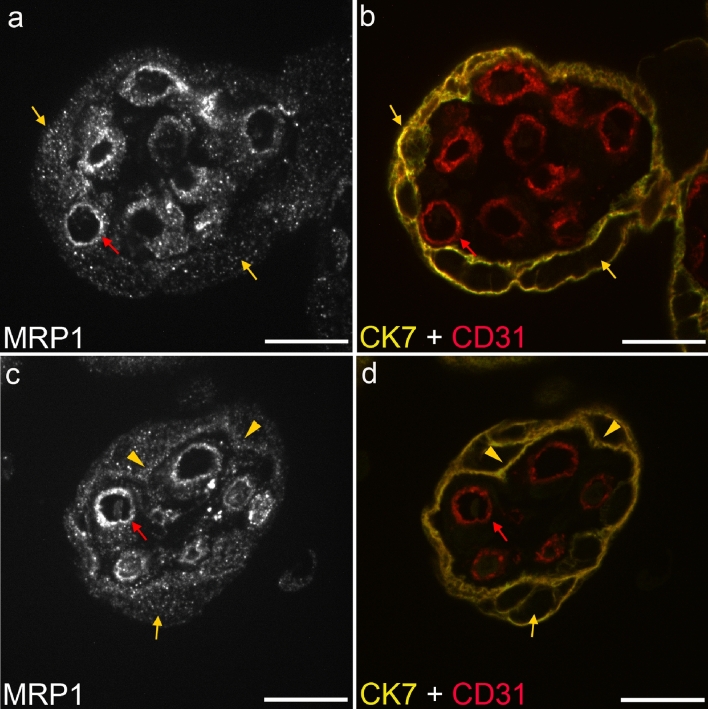
Methyl mercury (MeHg) is an organic highly toxic compound that is transported efficiently via the human placenta. Our previous data suggest that MeHg is taken up into placental cells by amino acid transporters while mercury export from placental cells mainly involves ATP binding cassette (ABC) transporters. We hypothesized that the ABC transporter multidrug resistance-associated protein (MRP)1 (ABCC1) plays an essential role in mercury export from the human placenta. Transwell transport studies with MRP1-overexpressing Madin-Darby Canine Kidney (MDCK)II cells confirmed the function of MRP1 in polarized mercury efflux. Consistent with this, siRNA-mediated MRP1 gene knockdown in the human placental cell line HTR-8/SVneo resulted in intracellular mercury accumulation, which was associated with reduced cell viability, accompanied by increased cytotoxicity, apoptosis, and oxidative stress as determined via the glutathione (GSH) status. In addition, the many sources claiming different localization of MRP1 in the placenta required a re-evaluation of its localization in placental tissue sections by immunofluorescence microscopy using an MRP1-specific antibody that was validated in-house. Taken together, our results show that (1) MRP1 preferentially mediates apical-to-basolateral mercury transport in epithelial cells, (2) MRP1 regulates the GSH status of placental cells, (3) MRP1 function has a decisive influence on the viability of placental cells exposed to low MeHg concentrations, and (4) the in situ localization of MRP1 corresponds to mercury transport from maternal circulation to the placenta and fetus. We conclude that MRP1 protects placental cells from MeHg-induced oxidative stress by exporting the toxic metal and by maintaining the placental cells' GSH status in equilibrium.
甲基汞(MeHg)是一种有机剧毒化合物,能够高效地通过胎盘进行转运。我们之前的数据表明,MeHg 是通过氨基酸转运体被摄取到胎盘细胞内的,而汞从胎盘细胞内的输出则主要涉及三磷酸腺苷结合盒(ABC)转运体。我们假设 ABC 转运体多药耐药相关蛋白 1(MRP1)(ABCC1)在汞从人胎盘内的输出中发挥着重要作用。MRP1 过表达的 Madin-Darby 犬肾(MDCK)II 细胞的 Transwell 转运研究证实了 MRP1 在极化汞流出中的作用。这与我们的结果一致,siRNA 介导的人胎盘细胞系 HTR-8/SVneo 中的 MRP1 基因敲低导致细胞内汞积累,这与细胞活力降低有关,同时伴随着细胞毒性增加、细胞凋亡和氧化应激增加,这些变化可以通过谷胱甘肽(GSH)状态来确定。此外,许多研究声称 MRP1 在胎盘内的定位不同,这需要通过使用在内部验证的 MRP1 特异性抗体进行免疫荧光显微镜检查,对胎盘组织切片中的 MRP1 定位进行重新评估。总之,我们的研究结果表明:(1)MRP1 优先介导上皮细胞内的顶端到基底侧汞转运;(2)MRP1 调节胎盘细胞的 GSH 状态;(3)MRP1 功能对暴露于低浓度 MeHg 的胎盘细胞的活力有决定性影响;(4)MRP1 的原位定位与母体循环中汞向胎盘和胎儿的转运相对应。我们得出结论,MRP1 通过将有毒金属排出细胞并维持胎盘细胞的 GSH 状态平衡,从而保护胎盘细胞免受 MeHg 诱导的氧化应激。