Gutierrez Maria J, Nino Gustavo, Hong Xiumei, Wang Xiaobin
Division of Pediatric Allergy, Immunology and Rheumatology, Department of Pediatrics, Johns Hopkins University, Baltimore, MD 21287, USA.
Division of Pediatric Pulmonary and Sleep Medicine, Children's National Medical Center, George Washington University, Washington, DC 20010, USA.
Epigenomes. 2020 Sep;4(3). doi: 10.3390/epigenomes4030012. Epub 2020 Jul 4.
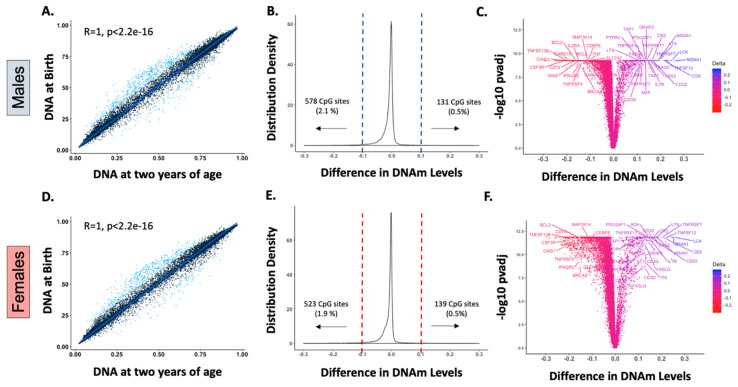
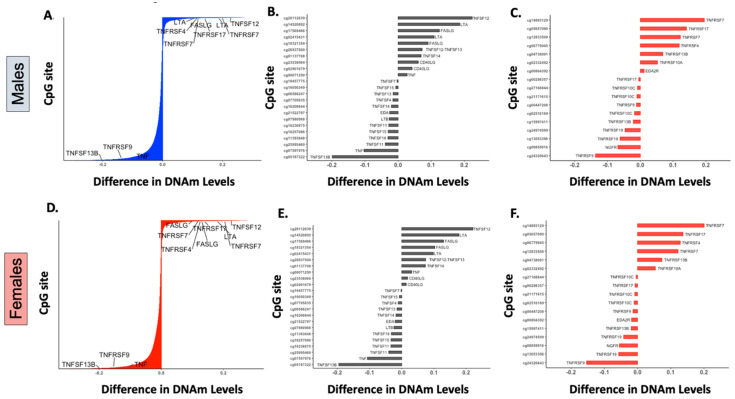
DNA methylation (DNAm) is an essential mechanism governing normal development in humans. Although most DNAm patterns in blood cells are established , the genes associated with immune function undergo postnatal DNAm modifications, and the characterization of this subset of genes is incomplete. Accordingly, we used available longitudinal DNAm datasets from a large birth cohort in the U.S. to further identify postnatal DNAm variation in peripheral leukocytes from 105 children ( = 105) between birth and the first two years of life, as determined by postnatal changes in β values (with the percentage of methylation ranging from 0 to 1.0 at individual CpG sites). Our study is an extension of a previous analysis performed by our group and identified that: (1) as previously described, DNAm patterns at most CpG sites were established before birth and only a small group of genes underwent DNAm modifications postnatally, (2) this subset includes multiple immune genes critical for lymphocyte development, and (3) several members of the tumor necrosis factor receptor and cytokine superfamilies with essential roles in immune cell activation, survival, and lymphoid tissue development were among those with a larger postnatal variation. This study describes the precise epigenetic DNA methylation marks in important immune genes that change postnatally and raises relevant questions about the role of DNAm during postnatal immune development in early childhood.
DNA甲基化(DNAm)是调控人类正常发育的重要机制。尽管血细胞中的大多数DNAm模式已经确立,但与免疫功能相关的基因在出生后会发生DNAm修饰,且这部分基因的特征尚未完全明确。因此,我们利用美国一个大型出生队列中现有的纵向DNAm数据集,进一步确定了105名儿童(n = 105)出生至两岁期间外周血白细胞中出生后的DNAm变化,这是通过β值的出生后变化来确定的(在单个CpG位点,甲基化百分比范围为0至1.0)。我们的研究是我们小组之前进行的一项分析的扩展,该分析确定:(1)如前所述,大多数CpG位点的DNAm模式在出生前就已确立,只有一小部分基因在出生后发生DNAm修饰;(2)这一亚组包括对淋巴细胞发育至关重要的多个免疫基因;(3)在免疫细胞激活、存活和淋巴组织发育中起重要作用的肿瘤坏死因子受体和细胞因子超家族的几个成员,是出生后变化较大的基因之一。本研究描述了重要免疫基因中出生后发生变化的精确表观遗传DNA甲基化标记,并提出了关于DNAm在幼儿出生后免疫发育中的作用的相关问题。