Guangdong Provincial Key Laboratory of Viral Hepatitis Research, Hepatology Unit and Department of Infectious Diseases, Nanfang Hospital, Southern Medical University, Guangzhou 510515, China.
State Key Laboratory of Organ Failure Research, Nanfang Hospital, Southern Medical University, Guangzhou 510515, China.
Theranostics. 2020 Aug 20;10(23):10434-10447. doi: 10.7150/thno.47286. eCollection 2020.
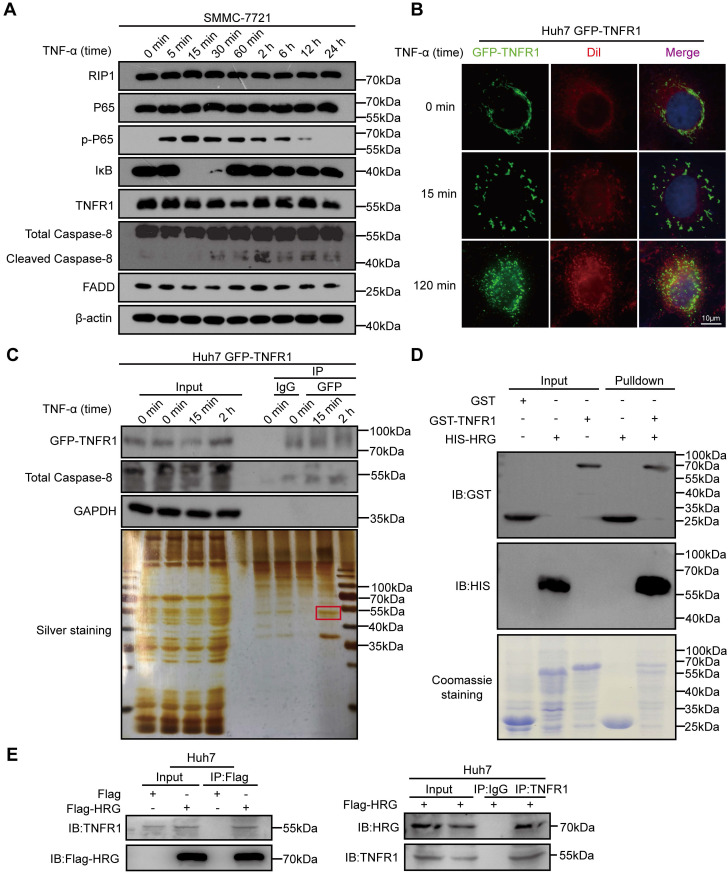
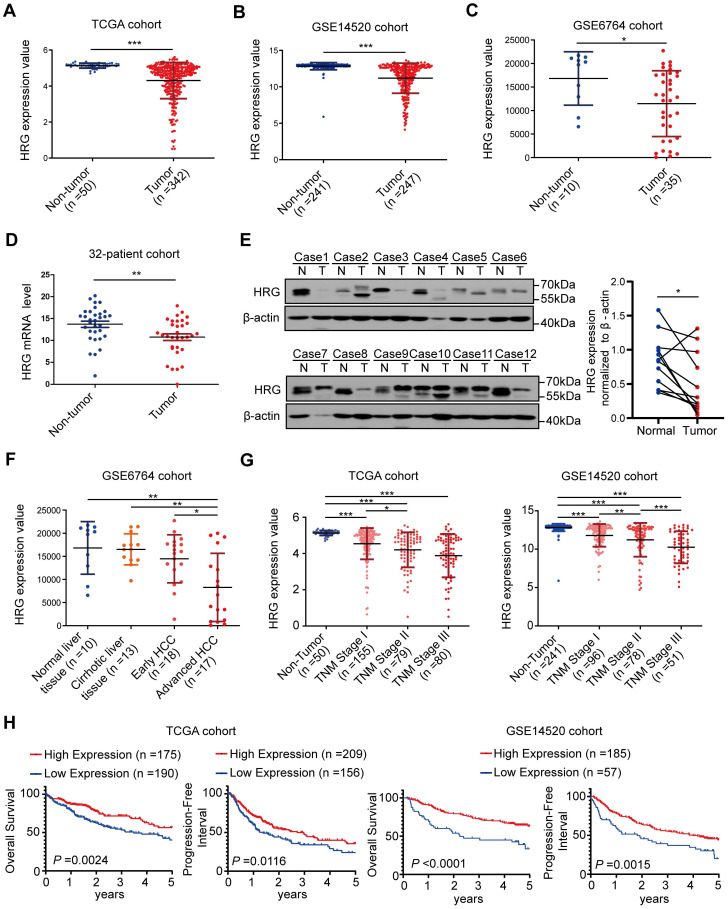
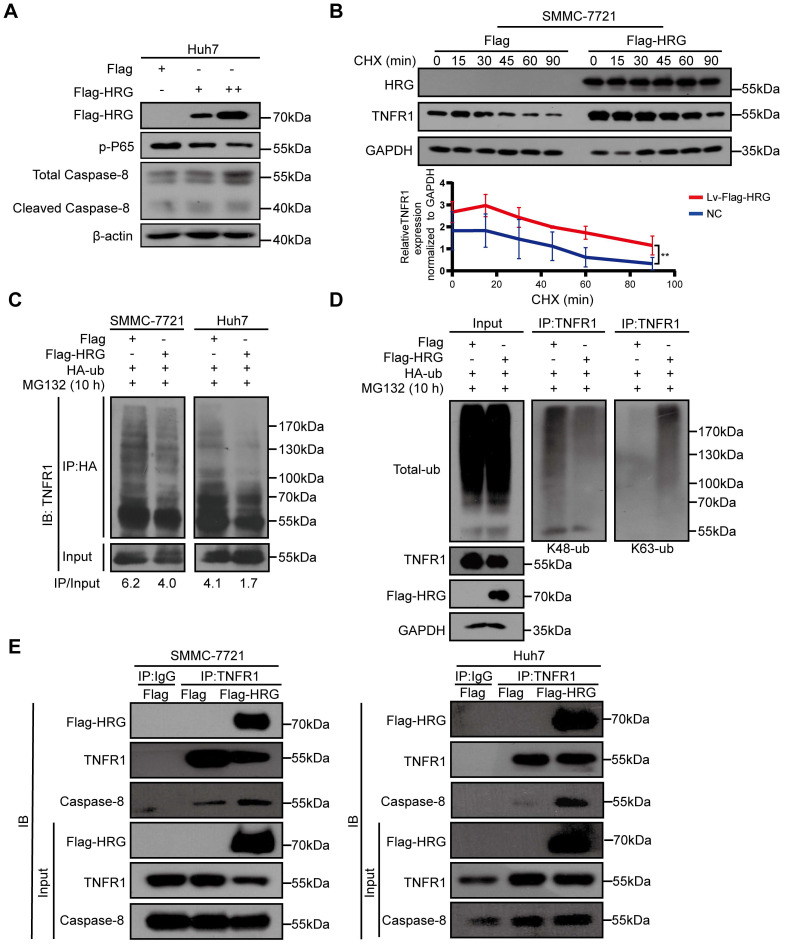
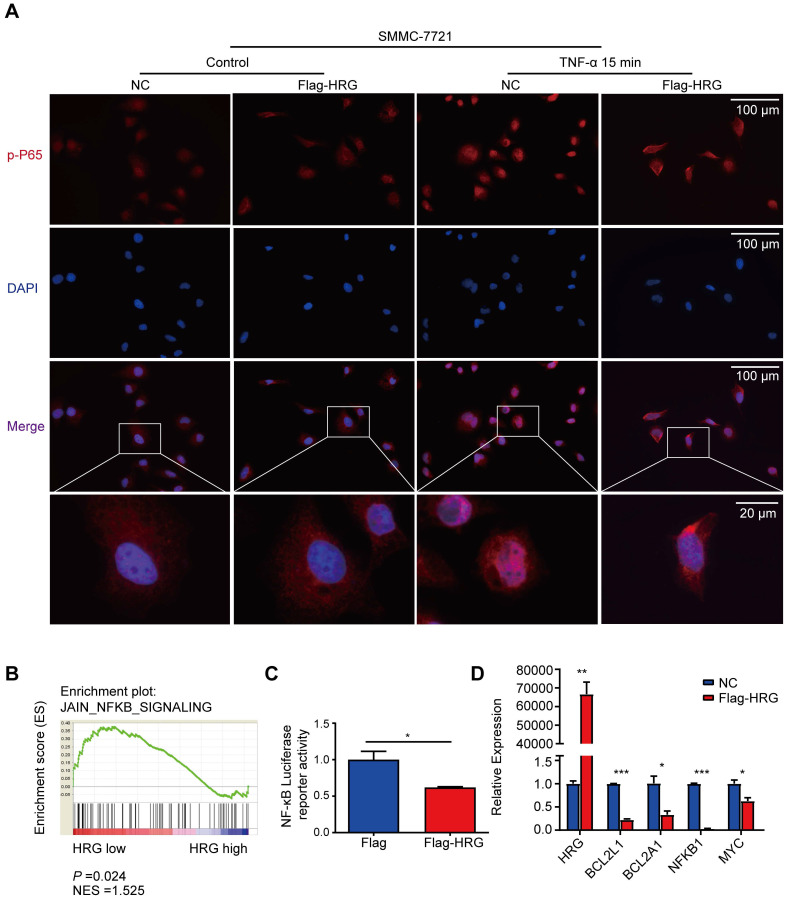
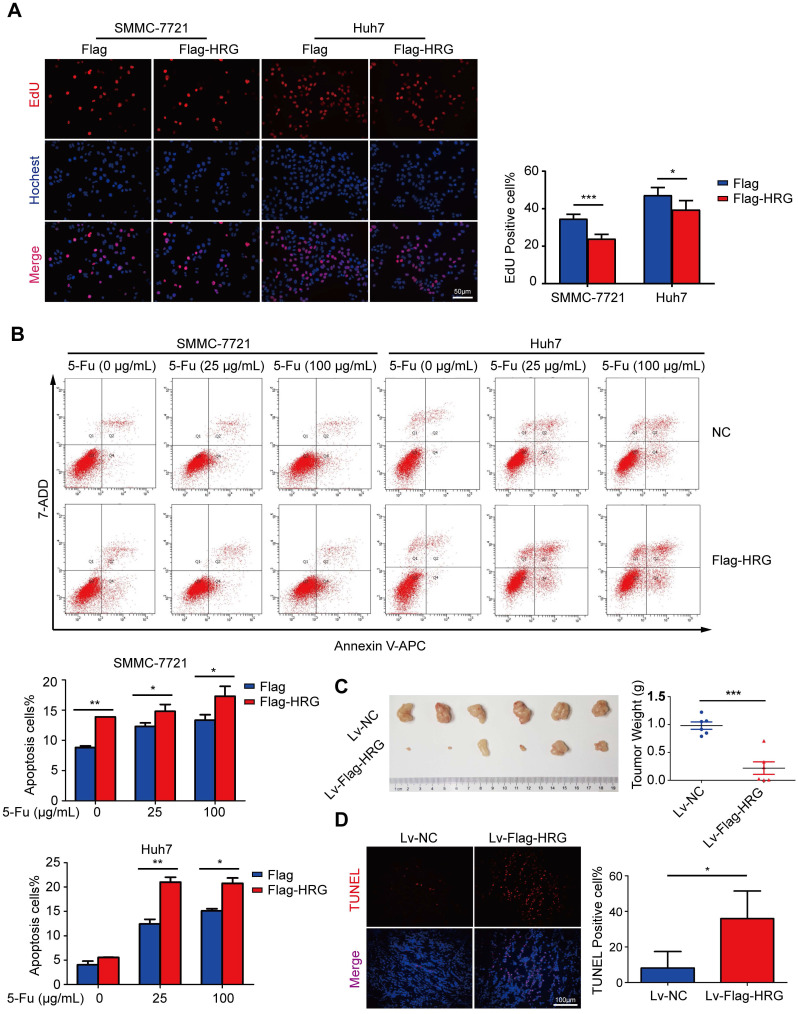
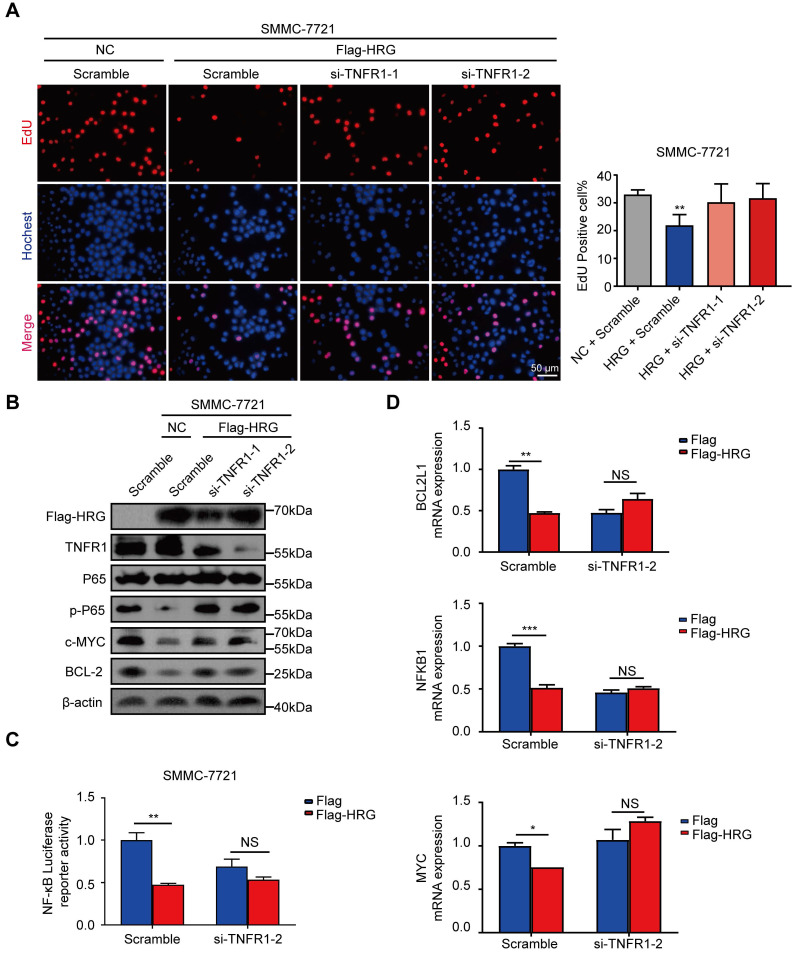
Tumor necrosis factor receptor 1 (TNFR1) signaling plays a pleiotropic role in the development of hepatocellular carcinoma (HCC). The formation of TNFR1-complex I supports cell survival while TNFR1-complex II leads to apoptosis, and the underlying mechanisms of the transformation of these TNFR1 complexes in HCC remain poorly defined. The interaction protein of TNFR1 was identified by GST pulldown assay, immunoprecipitation and mass spectrometry. and assay were performed to explore the biological features and mechanisms underlying the regulation of TNFR1 signals by histidine-rich glycoprotein (HRG). Data from the public databases and HCC samples were utilized to analyze the expression and clinical relevance of HRG. HRG directly interacted with TNFR1 and stabilized TNFR1 protein by decreasing the Lys(K)-48 ubiquitination mediated-degradation. The formation of TNFR1-complex II was prompted by HRG overexpression via upregulating Lys(K)-63 ubiquitination of TNFR1. Besides, overexpression of HRG suppressed expression of pro-survival genes by impairing the activation of NF-κB signaling in the presence of TNFR1. Moreover, downregulation of HRG was a result of feedback inhibition of NF-κB activation in HCC. In line with the pro-apoptotic switch of TNFR1 signaling after HRG induction, overexpression of HRG inhibited cell proliferation and increased apoptosis in HCC. Our findings illustrate a crucial role for HRG in suppressing HCC via inclining TNFR1 to a pro-apoptotic cellular phenotype. Restoring HRG expression in HCC tissues might be a promising pharmacological approach to blocking tumor progression by shifting cellular fate from cell survival to apoptosis.
肿瘤坏死因子受体 1(TNFR1)信号在肝细胞癌(HCC)的发生发展中发挥着多效性作用。TNFR1 复合物 I 的形成支持细胞存活,而 TNFR1 复合物 II 则导致细胞凋亡,HCC 中这些 TNFR1 复合物转化的潜在机制仍未得到明确界定。通过 GST 下拉实验、免疫沉淀和质谱分析鉴定了 TNFR1 的相互作用蛋白。并进行了 等实验,以探索组氨酸丰富糖蛋白(HRG)对 TNFR1 信号的调控的生物学特征和机制。利用公共数据库和 HCC 样本中的数据来分析 HRG 的表达和临床相关性。HRG 可直接与 TNFR1 相互作用,并通过降低赖氨酸(K)-48 泛素化介导的降解来稳定 TNFR1 蛋白。HRG 通过上调 TNFR1 的赖氨酸(K)-63 泛素化,促使 TNFR1 复合物 II 的形成。此外,HRG 的过表达通过抑制 NF-κB 信号在 TNFR1 存在时的激活,抑制了生存相关基因的表达。此外,由于 NF-κB 激活的反馈抑制,HRG 的下调是 HCC 中的结果。与 HRG 诱导后 TNFR1 信号的促凋亡开关一致,HRG 的过表达抑制了 HCC 中的细胞增殖并增加了细胞凋亡。我们的研究结果表明,HRG 在通过使 TNFR1 向促凋亡的细胞表型倾斜来抑制 HCC 方面发挥着重要作用。恢复 HCC 组织中的 HRG 表达可能是一种有前途的药理学方法,通过将细胞命运从细胞存活转变为细胞凋亡来阻止肿瘤进展。