Janelia Research Campus, Howard Hughes Medical Institute, Ashburn, Virginia, the United States of America.
The Solomon H. Snyder Department of Neuroscience, Johns Hopkins University School of Medicine, Baltimore, Maryland, the United States of America.
PLoS Comput Biol. 2020 Sep 15;16(9):e1008198. doi: 10.1371/journal.pcbi.1008198. eCollection 2020 Sep.
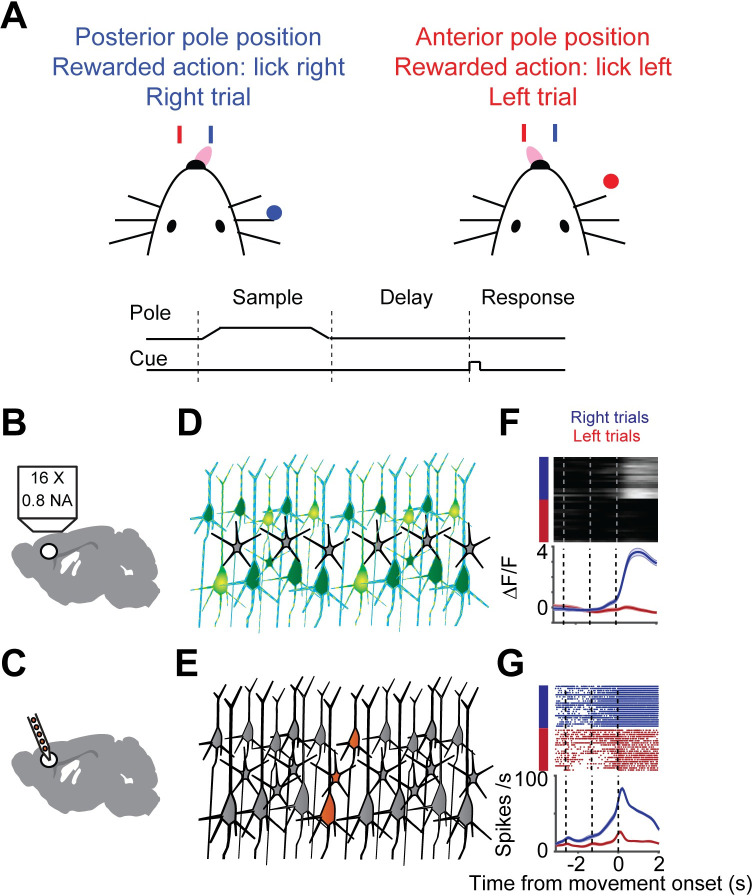
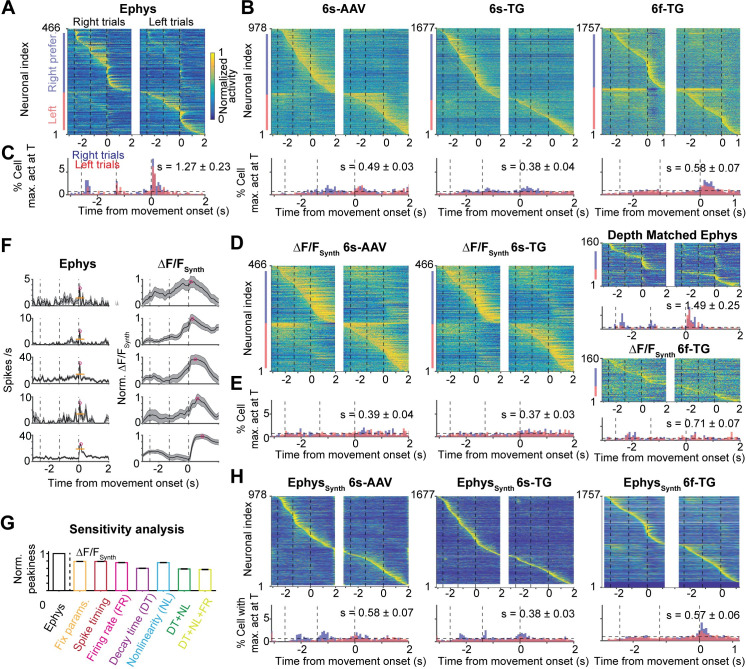
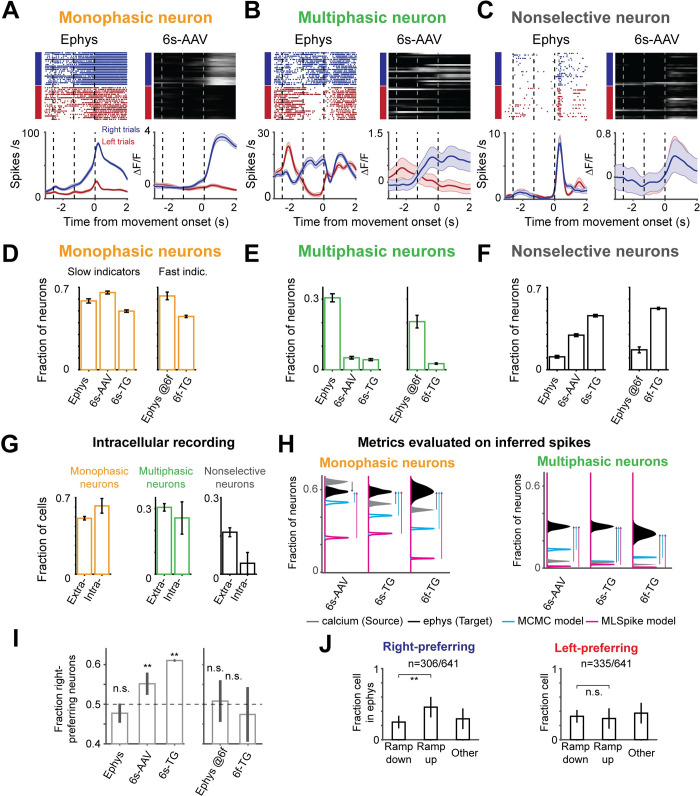
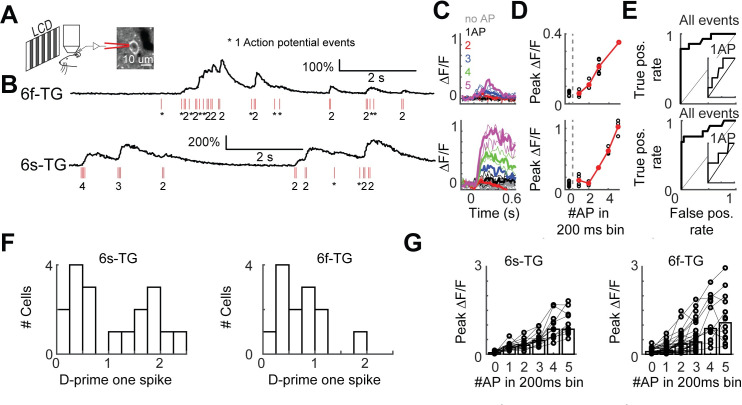
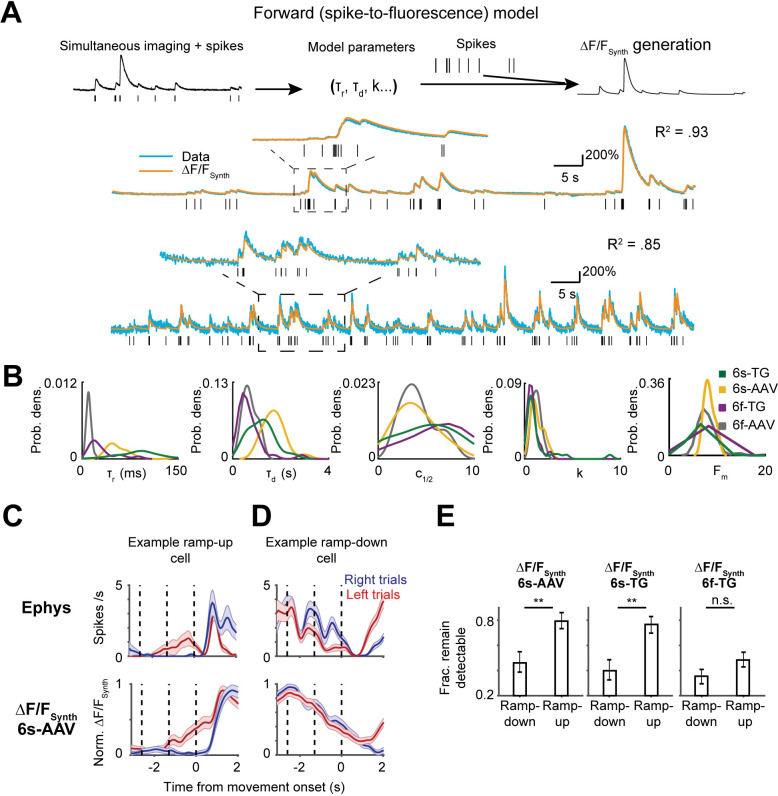
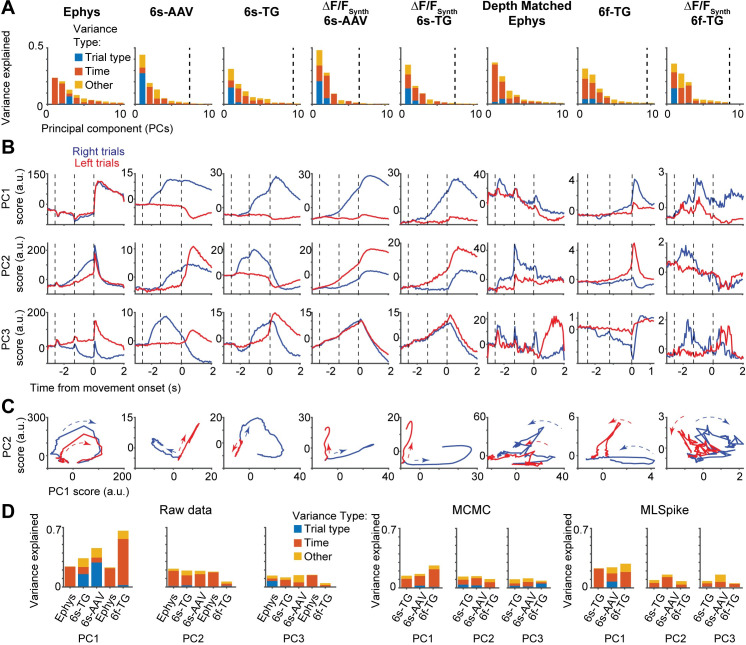
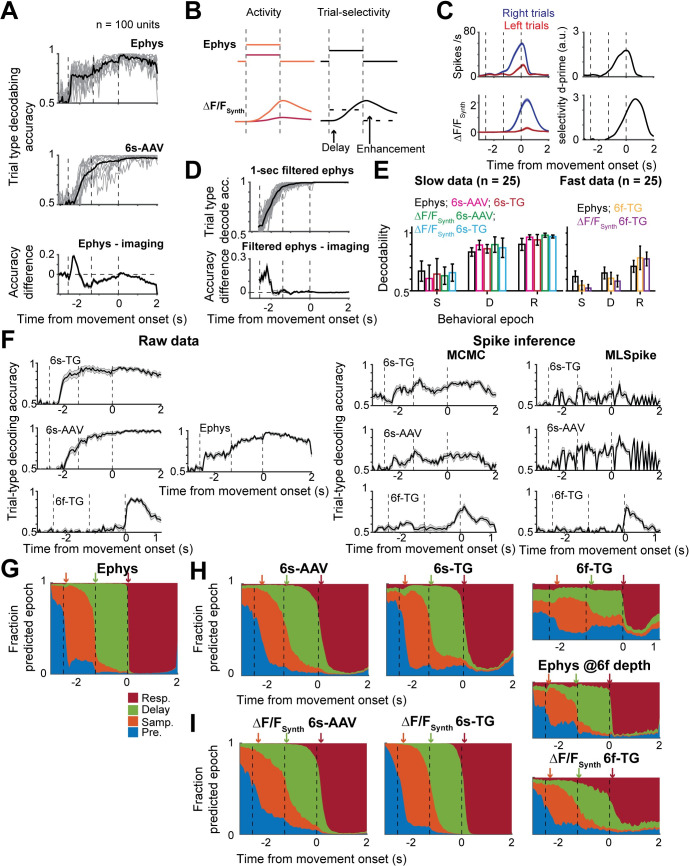
Calcium imaging with fluorescent protein sensors is widely used to record activity in neuronal populations. The transform between neural activity and calcium-related fluorescence involves nonlinearities and low-pass filtering, but the effects of the transformation on analyses of neural populations are not well understood. We compared neuronal spikes and fluorescence in matched neural populations in behaving mice. We report multiple discrepancies between analyses performed on the two types of data, including changes in single-neuron selectivity and population decoding. These were only partially resolved by spike inference algorithms applied to fluorescence. To model the relation between spiking and fluorescence we simultaneously recorded spikes and fluorescence from individual neurons. Using these recordings we developed a model transforming spike trains to synthetic-imaging data. The model recapitulated the differences in analyses. Our analysis highlights challenges in relating electrophysiology and imaging data, and suggests forward modeling as an effective way to understand differences between these data.
使用荧光蛋白传感器进行钙成像被广泛用于记录神经元群体的活动。神经活动与钙相关荧光之间的转换涉及非线性和低通滤波,但这种转换对神经元群体分析的影响尚不清楚。我们比较了行为小鼠中匹配的神经元群体中的神经元尖峰和荧光。我们报告了在两种类型的数据上进行的分析之间的多个差异,包括单神经元选择性和群体解码的变化。这些差异仅通过应用于荧光的尖峰推断算法部分得到解决。为了模拟尖峰和荧光之间的关系,我们同时记录了单个神经元的尖峰和荧光。使用这些记录,我们开发了一种将尖峰序列转换为合成成像数据的模型。该模型再现了分析中的差异。我们的分析强调了将电生理学和成像数据相关联的挑战,并表明正向建模是理解这些数据之间差异的有效方法。