Peñas Mario Iván, Calafel Miren Itxaso, Aguirresarobe Roberto Hernández, Tierno Manuel, Conde José Ignacio, Pascual Belén, Santamaría Antxon
POLYMAT and Polymers and Advanced Materials: Physics, Chemistry and Technology Department, Faculty of Chemistry, UPV/EHU, Avda. Tolosa 72, 20018 San Sebastian, Spain.
ERCROS S.A., Innovation and Technology Department, Chlorine Derivatives Division, Diagonal 595, 08014 Barcelona, Spain.
Polymers (Basel). 2020 Sep 12;12(9):2070. doi: 10.3390/polym12092070.
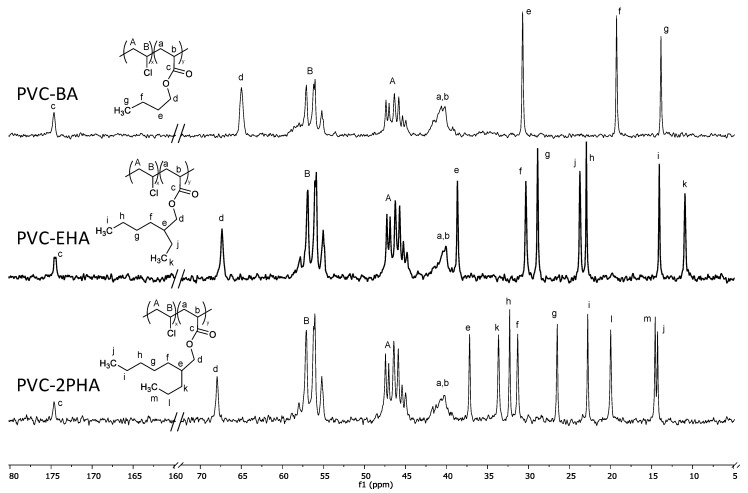
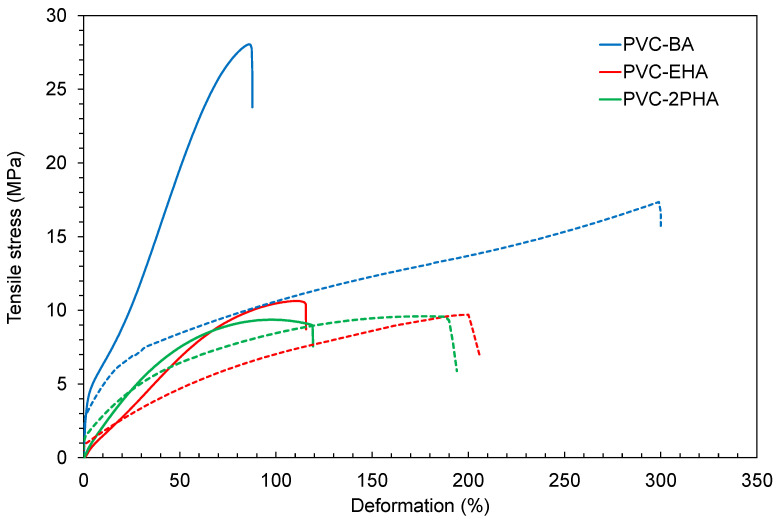
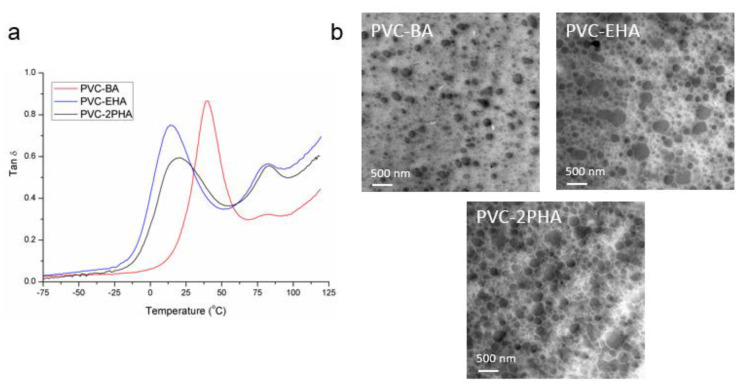
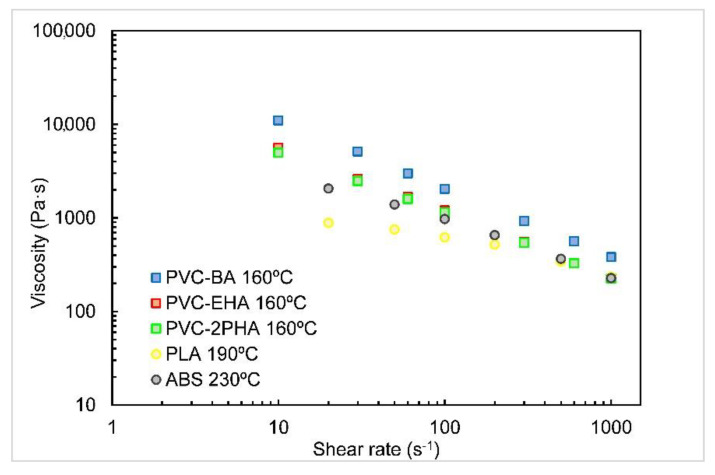
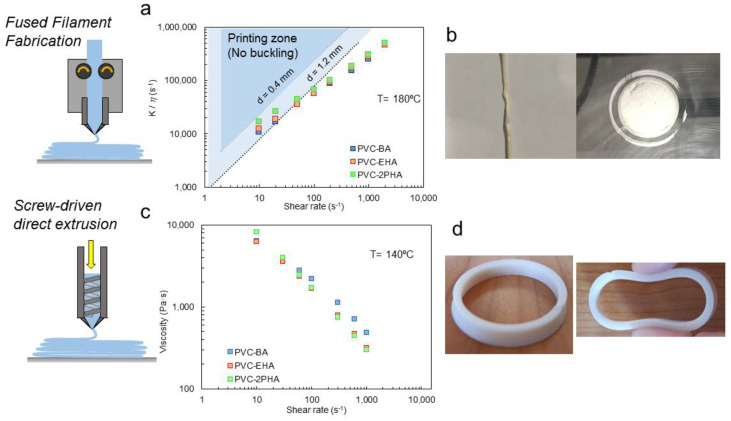
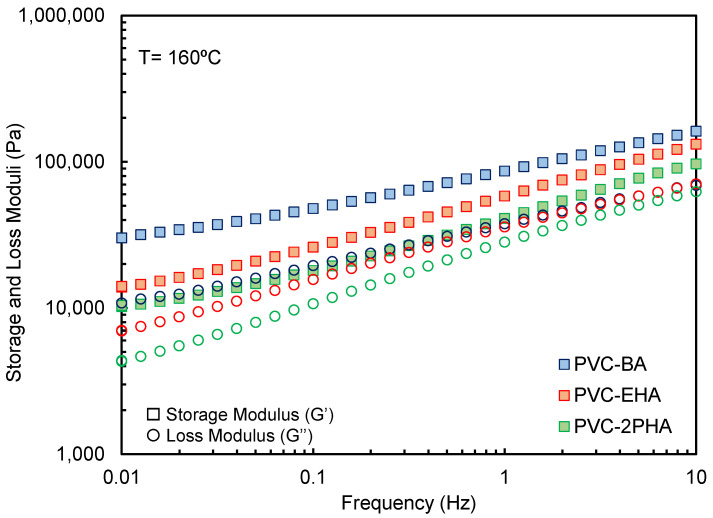
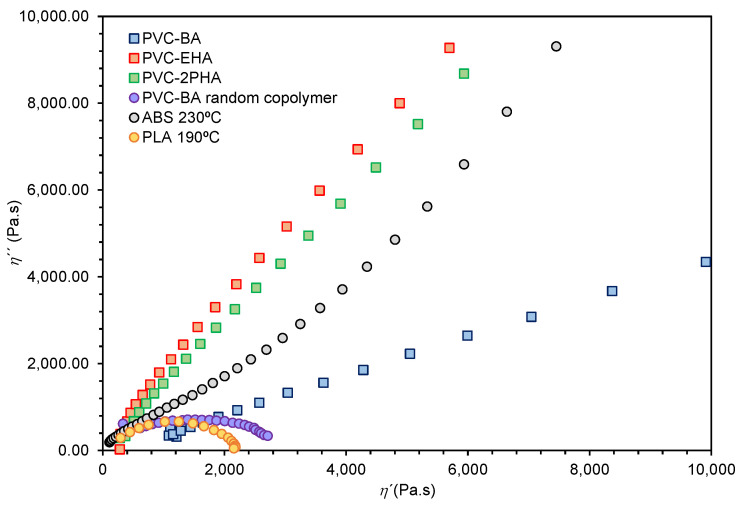
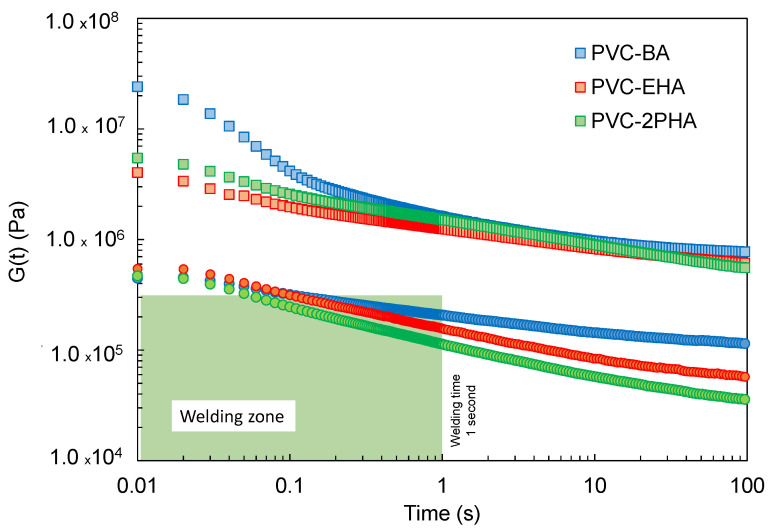
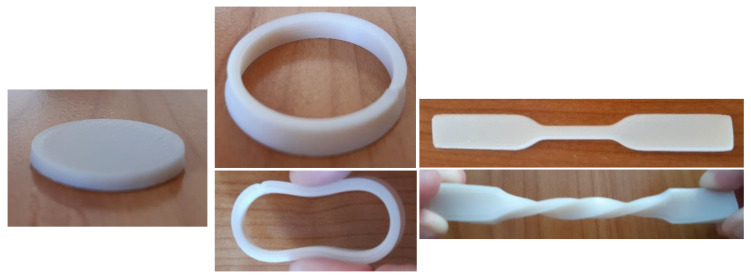
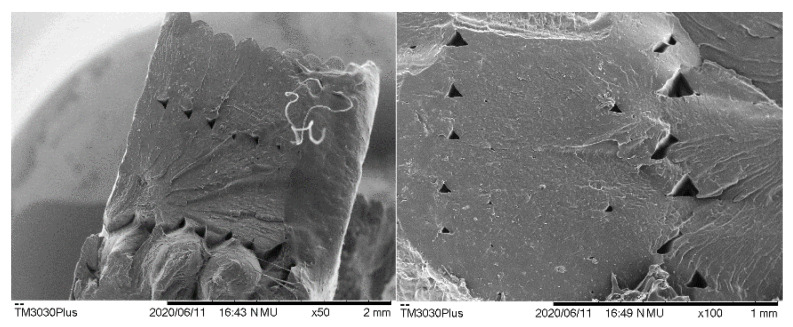
New auto-plasticised copolymers of poly(vinyl chloride)-r-(acrylate) and polyvinylchloride, obtained by radical polymerization, are investigated to analyse their capacity to be processed by 3D printing. The specific microstructure of the copolymers gives rise to a phase-separated morphology constituted by poly(vinyl chloride) (PVC) domains dispersed in a continuous phase of acrylate-vinyl chloride copolymer. The analysis of the rheological results allows the suitability of these copolymers to be assessed for use in a screw-driven 3D printer, but not by the fused filament fabrication method. This is due to the high melt elasticity of the copolymers, caused by interfacial tension between phases. A relationship between the relaxation modulus of the copolymers and the interlayer adhesion is established. Under adequate 3D-printing conditions, flexible and ductile samples with good dimensional stability and cohesion are obtained, as is proven by scanning electron microscopy (SEM) and tensile stress-strain tests.
通过自由基聚合获得的新型聚(氯乙烯)-r-(丙烯酸酯)与聚氯乙烯的自增塑共聚物,被用于研究其3D打印加工能力。共聚物的特定微观结构导致形成一种相分离形态,由分散在丙烯酸酯-氯乙烯共聚物连续相中的聚(氯乙烯)(PVC)域构成。流变学结果分析使得能够评估这些共聚物是否适合用于螺杆驱动的3D打印机,但不适合用于熔丝制造方法。这是由于相之间的界面张力导致共聚物具有高熔体弹性。建立了共聚物的松弛模量与层间附着力之间的关系。在适当的3D打印条件下,通过扫描电子显微镜(SEM)和拉伸应力-应变测试证明,可获得具有良好尺寸稳定性和内聚力的柔性且韧性的样品。