Translational Neuroimaging and Neural Control Group, High Field Magnetic Resonance Department, Max Planck Institute for Biological Cybernetics, 72076 Tuebingen, Germany.
Graduate Training Centre of Neuroscience, International Max Planck Research School, University of Tuebingen, 72074 Tuebingen, Germany.
Cereb Cortex. 2021 Jan 5;31(2):826-844. doi: 10.1093/cercor/bhaa260.
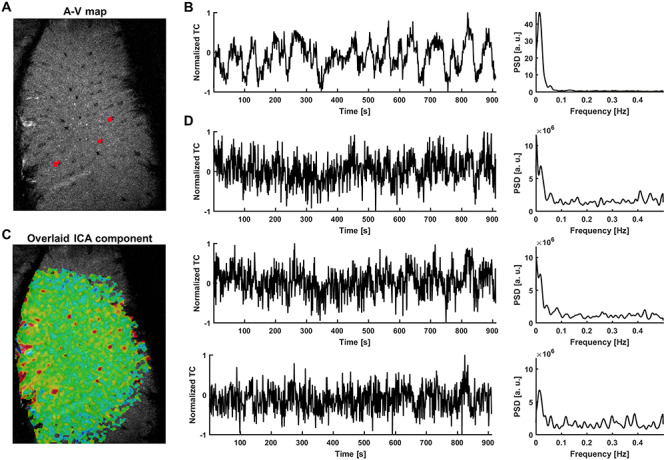
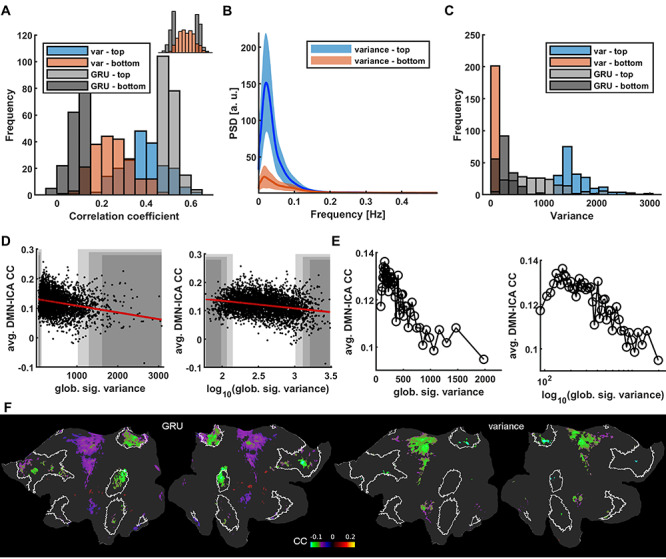
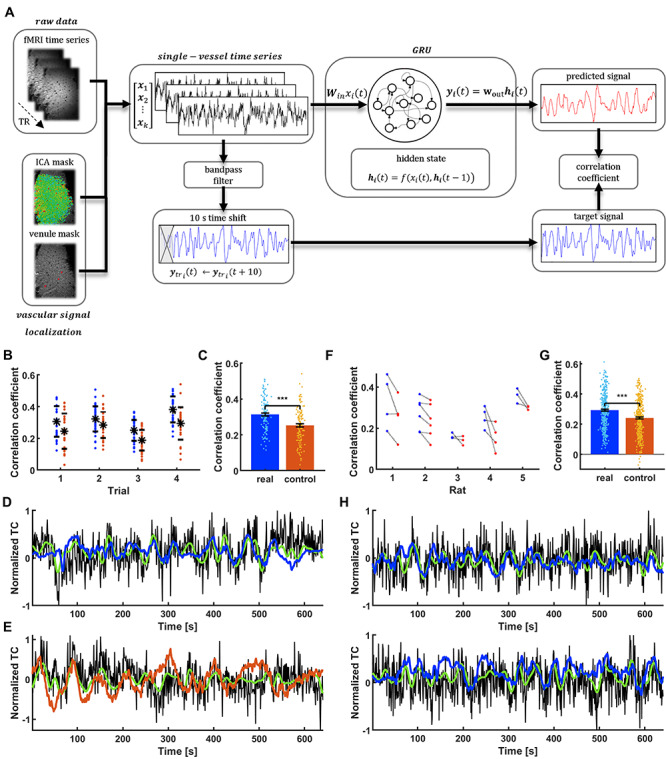
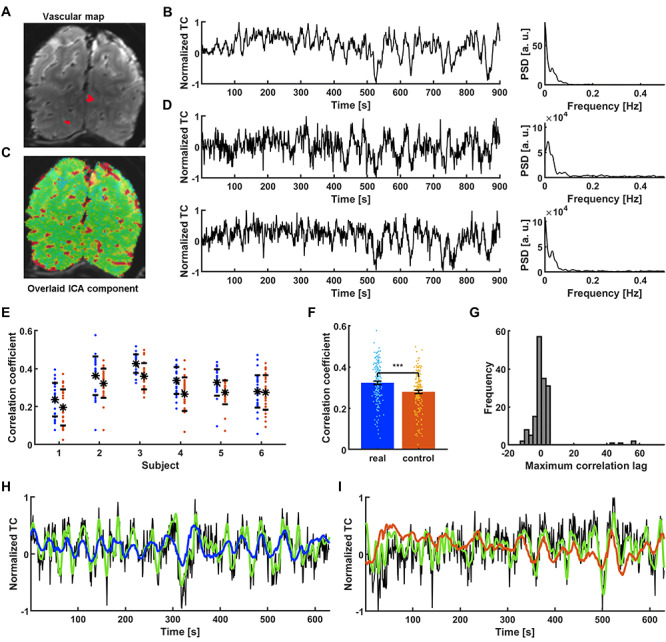
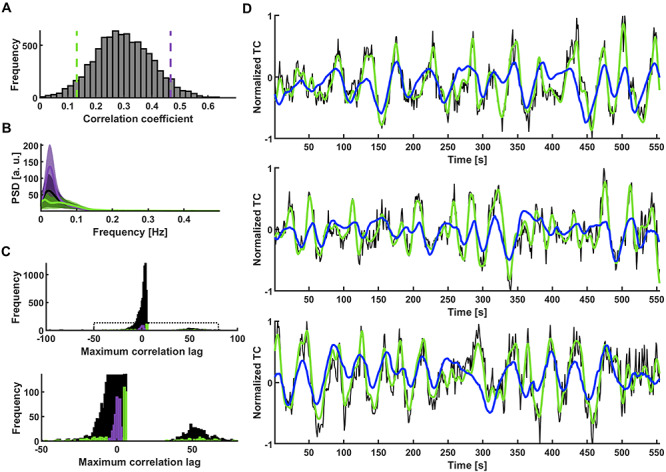
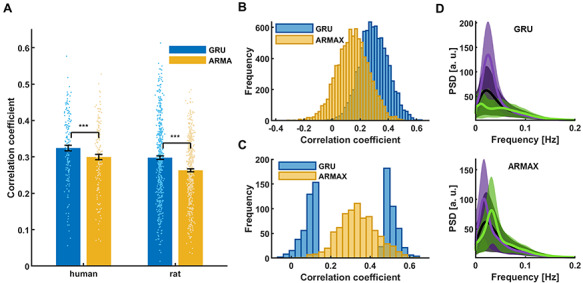
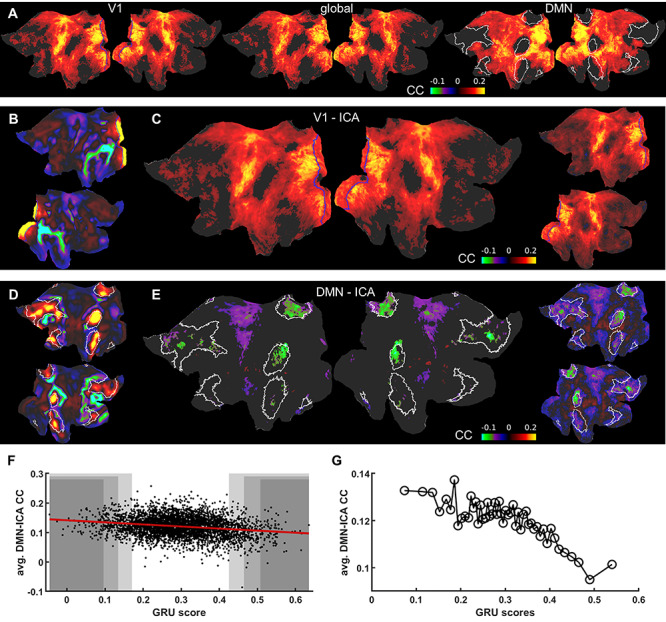
Resting-state functional MRI (rs-fMRI) studies have revealed specific low-frequency hemodynamic signal fluctuations (<0.1 Hz) in the brain, which could be related to neuronal oscillations through the neurovascular coupling mechanism. Given the vascular origin of the fMRI signal, it remains challenging to separate the neural correlates of global rs-fMRI signal fluctuations from other confounding sources. However, the slow-oscillation detected from individual vessels by single-vessel fMRI presents strong correlation to neural oscillations. Here, we use recurrent neural networks (RNNs) to predict the future temporal evolution of the rs-fMRI slow oscillation from both rodent and human brains. The RNNs trained with vessel-specific rs-fMRI signals encode the unique brain oscillatory dynamic feature, presenting more effective prediction than the conventional autoregressive model. This RNN-based predictive modeling of rs-fMRI datasets from the Human Connectome Project (HCP) reveals brain state-specific characteristics, demonstrating an inverse relationship between the global rs-fMRI signal fluctuation with the internal default-mode network (DMN) correlation. The RNN prediction method presents a unique data-driven encoding scheme to specify potential brain state differences based on the global fMRI signal fluctuation, but not solely dependent on the global variance.
静息态功能磁共振成像(rs-fMRI)研究揭示了大脑中特定的低频血液动力学信号波动(<0.1 Hz),这可能与神经血管耦合机制下的神经元振荡有关。鉴于 fMRI 信号的血管起源,将 rs-fMRI 信号整体波动的神经相关性与其他混杂来源分开仍然具有挑战性。然而,单血管 fMRI 检测到的慢波与神经振荡具有很强的相关性。在这里,我们使用递归神经网络(RNN)来预测来自啮齿动物和人类大脑的 rs-fMRI 慢波的未来时间演化。使用特定于血管的 rs-fMRI 信号训练的 RNN 编码了独特的大脑振荡动态特征,其预测比传统的自回归模型更有效。基于 RNN 的人类连接组计划(HCP)rs-fMRI 数据集的预测模型揭示了特定于大脑状态的特征,表明全局 rs-fMRI 信号波动与内部默认模式网络(DMN)相关性之间呈反比关系。RNN 预测方法呈现出一种独特的基于数据的编码方案,可根据全局 fMRI 信号波动来指定潜在的大脑状态差异,而不仅仅依赖于全局方差。