Barboza Josianne Rocha, Pereira Francisco Assis Nascimento, Fernandes Renan Amphilophio, Vasconcelos Cleydlenne Costa, Cartágenes Maria do Socorro de Sousa, Oliveira Lopes Alberto Jorge, Melo Andreia Cristina de, Guimarães Isabella Dos Santos, Rocha Cláudia Quintino da, Ribeiro Maria Nilce de Sousa
Laboratório de Farmacognosia, Departamento de Farmácia, Campus Bacanga, Universidade Federal do Maranhão, Av. dos Portugueses, 1966, São Luís 65080-805, Maranhão, Brazil.
Divisão de Pesquisa Clínica e Desenvolvimento Tecnológico, Instituto Nacional de Câncer, Rua André Cavalcanti, 37, Rio de Janeiro 20231-050, Rio de Janeiro, Brazil.
Biology (Basel). 2020 Sep 15;9(9):292. doi: 10.3390/biology9090292.
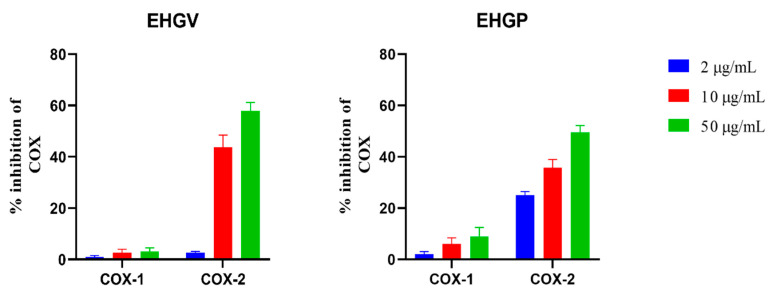
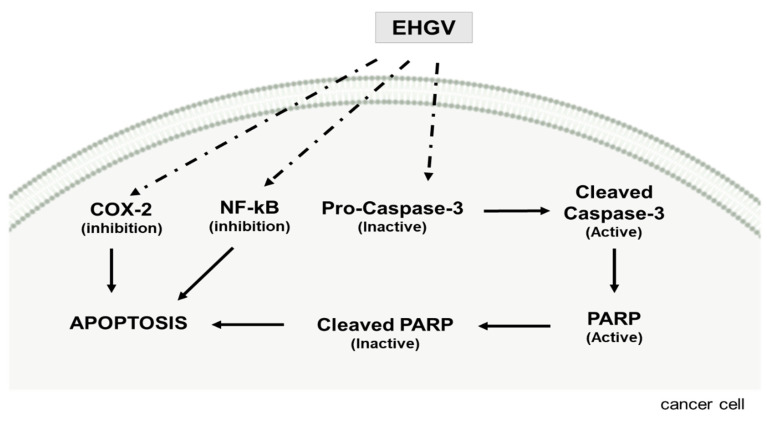
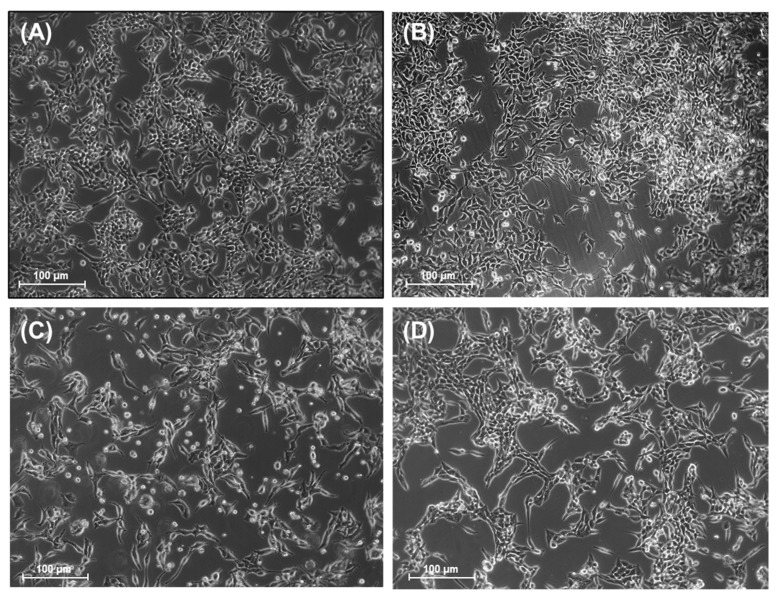
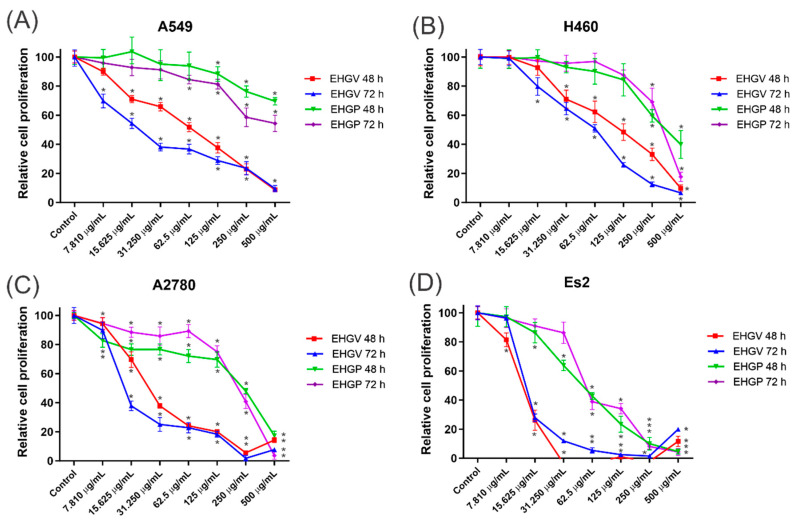
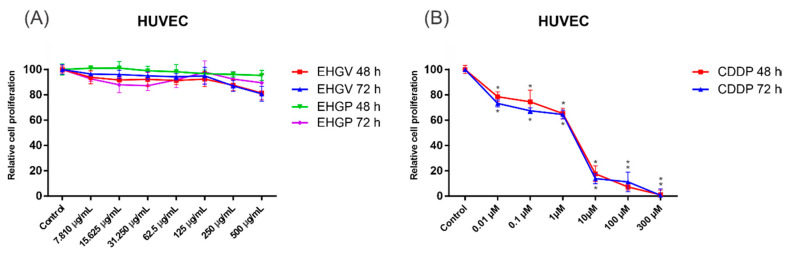
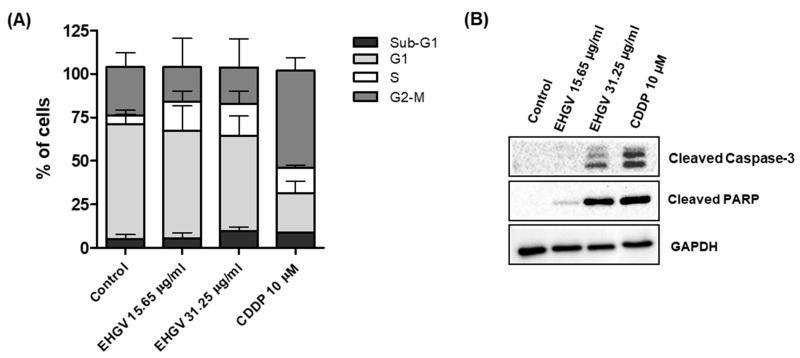
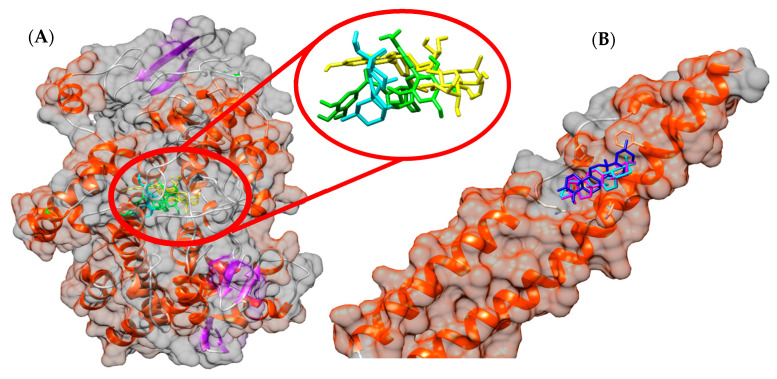
Geopropolis is produced by some stingless bee species, such as Smith, a native species from Brazil. This study aims to investigate the antioxidant and anti-inflammatory activities and cytotoxicity effects of geopropolis hydroethanolic extracts against lung (H460 and A549) and ovarian (A2780 and ES2) cancer cell lines and non-tumor (HUVEC) cell lines using chemical identification by LC/MS/MS analysis and in silico assays to determine which compounds are associated with bioactivity. The antioxidant activity of extracts and inhibitory activity against COX enzymes were assessed by in vitro assays; cytotoxicity effect was evaluated by the MTT assay; cell cycle was assessed by flow cytometry and apoptosis by Western blotting. The geopropolis extracts showed great radical scavenging potential, preferential inhibition of COX-2, decreased cancer cell viability, non-cytotoxic effects against the non-tumoral cell line, besides modulating the cell cycle and inducing cancer cell apoptosis through the activation of caspase-3 and PARP protein cleavage. The in silico study suggests that corilagin, typhaneoside, taraxerone and marsformosanone, identified by LC/MS/MS, can be associated with anti-inflammatory activity and cytotoxic effects. Thus, the current study suggests the potential of geopropolis concerning the research field of new pharmacological alternatives regarding cancer therapy.
地蜂胶由一些无刺蜂物种产生,比如来自巴西的本土物种史密斯蜂。本研究旨在通过液相色谱/串联质谱分析进行化学鉴定以及计算机模拟分析,以确定哪些化合物与生物活性相关,从而研究地蜂胶水乙醇提取物对肺癌(H460和A549)和卵巢癌(A2780和ES2)细胞系以及非肿瘤(HUVEC)细胞系的抗氧化、抗炎活性和细胞毒性作用。通过体外试验评估提取物的抗氧化活性和对COX酶的抑制活性;通过MTT试验评估细胞毒性作用;通过流式细胞术评估细胞周期,通过蛋白质印迹法评估细胞凋亡。地蜂胶提取物表现出强大的自由基清除潜力,对COX-2有优先抑制作用,降低癌细胞活力,对非肿瘤细胞系无细胞毒性作用,此外还通过激活半胱天冬酶-3和PARP蛋白裂解来调节细胞周期并诱导癌细胞凋亡。计算机模拟研究表明,通过液相色谱/串联质谱鉴定出的柯里拉京、异鼠李素、蒲公英赛酮和台湾地锦酮可能与抗炎活性和细胞毒性作用有关。因此,当前研究表明地蜂胶在癌症治疗新药理学替代方案研究领域具有潜力。