Shanghai Institute of Materia Medica, Chinese Academy of Sciences, Shanghai, 201203, P.R. China.
University of Chinese Academy of Sciences, Beijing, 100864, P.R. China.
Cell Death Dis. 2020 Sep 17;11(9):770. doi: 10.1038/s41419-020-02974-0.
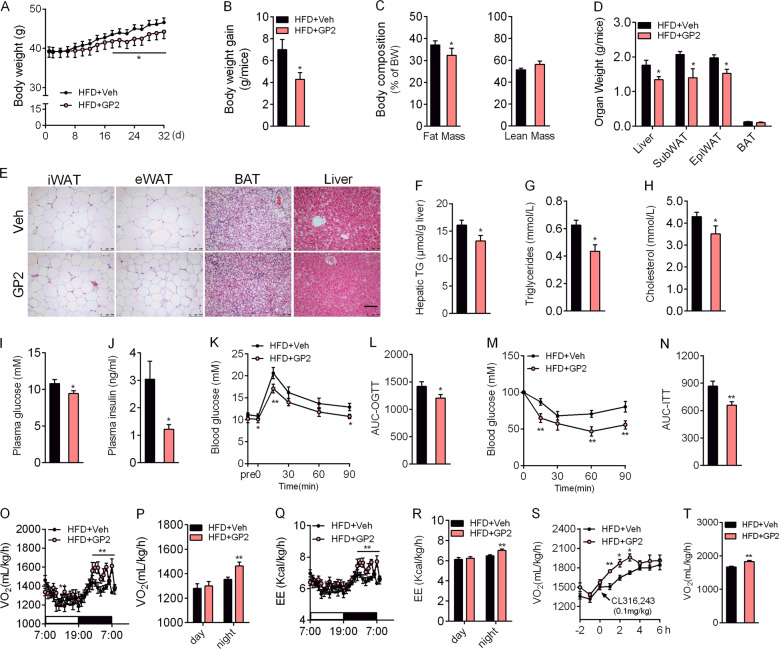
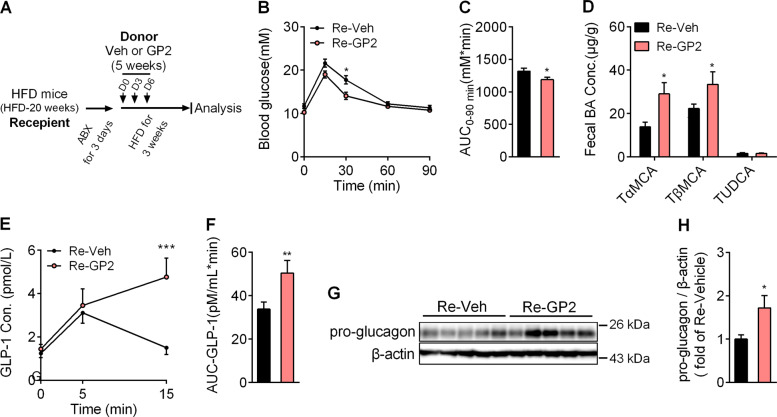
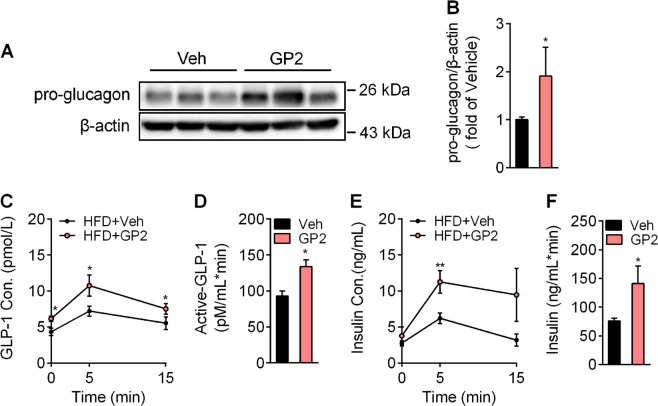
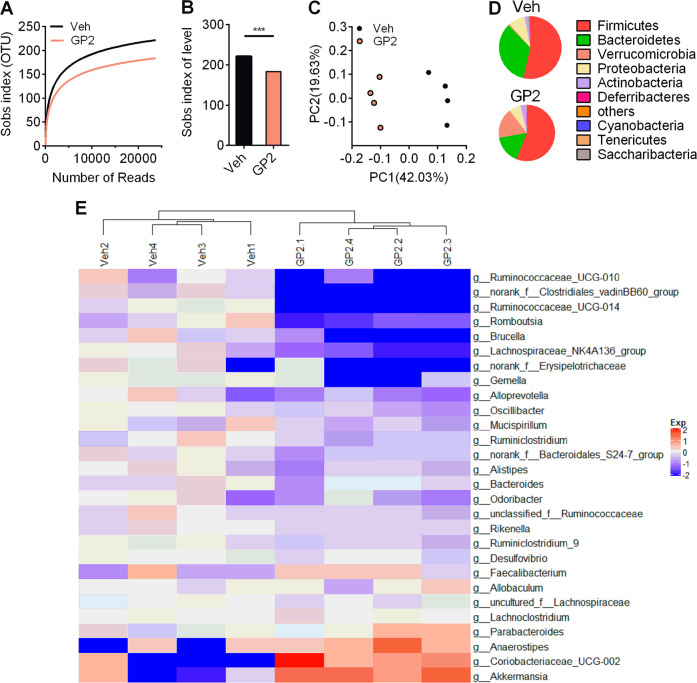
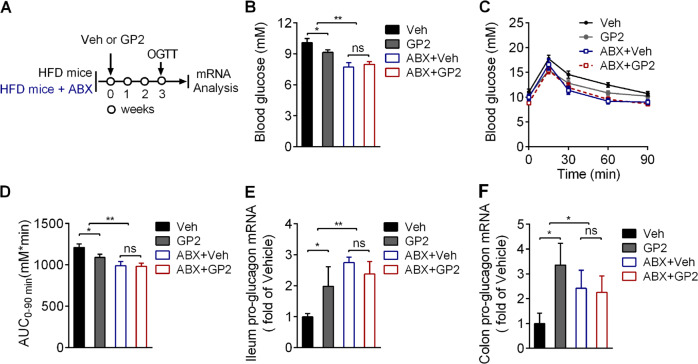
Gypenosides, extracts of Gynostemma yixingense, have been traditionally prescribed to improve metabolic syndrome in Asian folk and local traditional medicine hospitals. However, the mechanism of its action remains unclarified. In this work, our results indicated that chronic administration of 2α-OH-protopanoxadiol (GP2), a metabolite of gypenosides in vivo, protected mice from high-fat diet-induced obesity and improved glucose tolerance by improving intestinal L-cell function. Mechanistically, GP2 treatment inhibited the enzymatic activity of bile salt hydrolase and modulated the proportions of the gut microbiota, which led to an increase in the accumulation of tauro-β-muricholic acid (TβMCA) in the intestine. TβMCA induced GLP-1 production and secretion by reducing the transcriptional activity of nuclear receptor farnesoid X receptor (FXR). Transplantation of GP2-remodelled fecal microbiota into antibiotic-treated mice also increased the intestinal TβMCA content and improved intestinal L-cell function. These findings demonstrate that GP2 ameliorates metabolic syndrome at least partly through the intestinal FXR/GLP-1 axis via gut microbiota remodelling and also suggest that GP2 may serve as a promising oral therapeutic agent for metabolic syndrome.
绞股蓝皂苷是绞股蓝的提取物,在亚洲民间和当地传统医药中,被传统用于改善代谢综合征。然而,其作用机制仍不清楚。在这项工作中,我们的结果表明,2α-OH-原人参二醇(GP2),一种体内绞股蓝皂苷的代谢物,通过改善肠道 L 细胞功能,保护高脂饮食诱导肥胖的小鼠,并改善葡萄糖耐量。从机制上讲,GP2 治疗抑制了胆汁盐水解酶的酶活性,并调节了肠道微生物群的比例,导致牛磺-β-鼠胆酸(TβMCA)在肠道中的积累增加。TβMCA 通过降低核受体法尼醇 X 受体(FXR)的转录活性来诱导 GLP-1 的产生和分泌。将 GP2 重塑的粪便微生物群移植到接受抗生素治疗的小鼠中,也增加了肠道 TβMCA 含量并改善了肠道 L 细胞功能。这些发现表明,GP2 通过肠道 FXR/GLP-1 轴至少部分通过肠道微生物群重塑来改善代谢综合征,并表明 GP2 可能是一种有前途的代谢综合征口服治疗药物。