1] Laboratory of Metabolism, Center for Cancer Research, National Cancer Institute, National Institutes of Health, Bethesda, Maryland 20892, USA [2].
Nat Commun. 2013;4:2384. doi: 10.1038/ncomms3384.
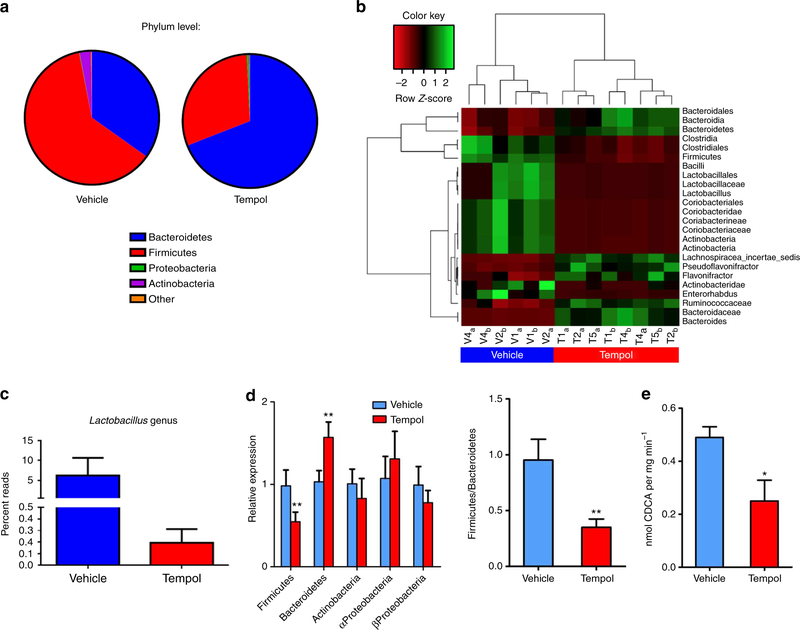
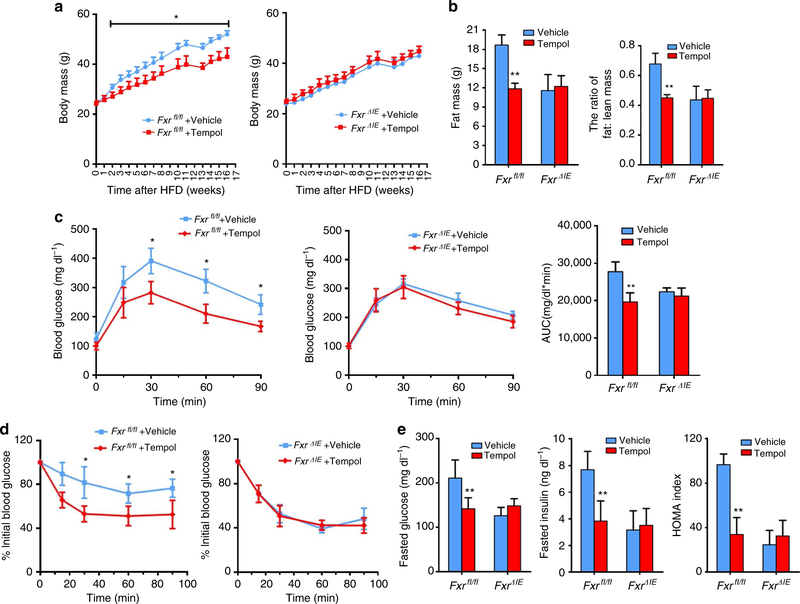
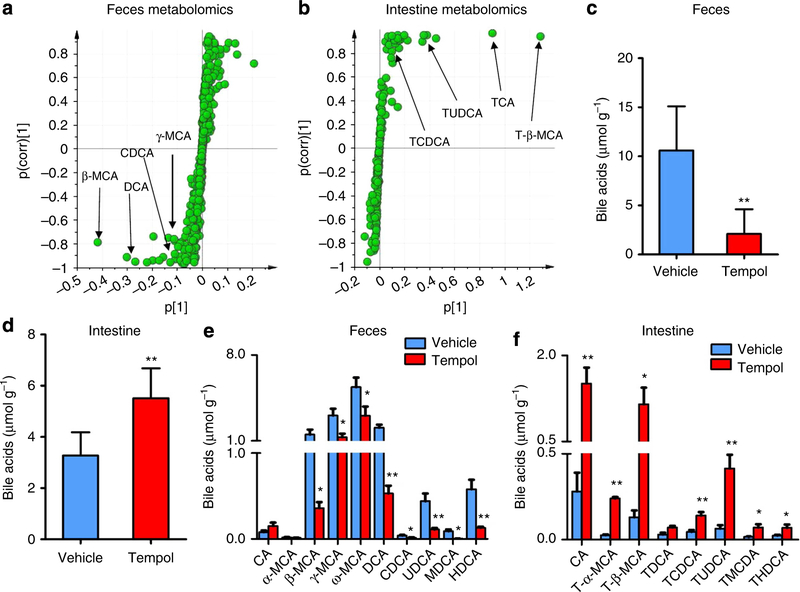
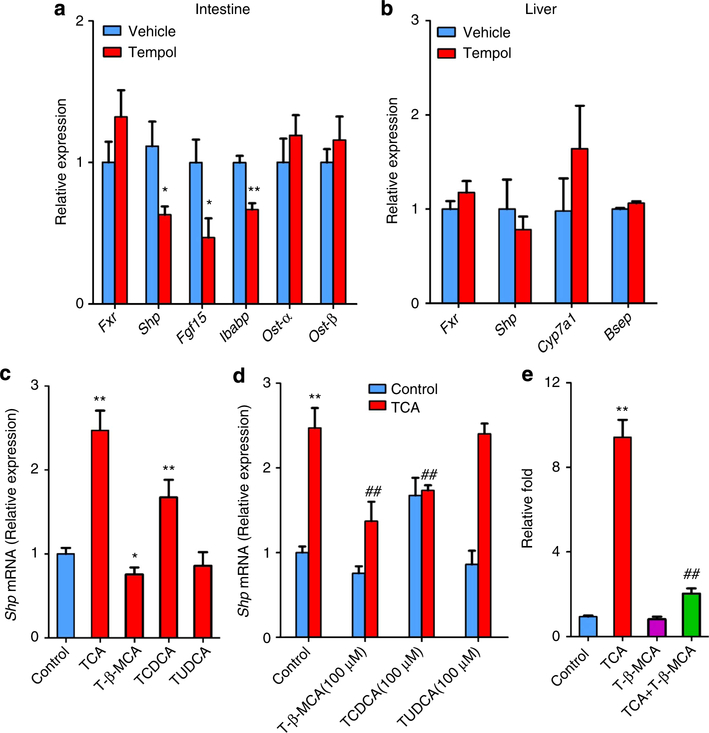
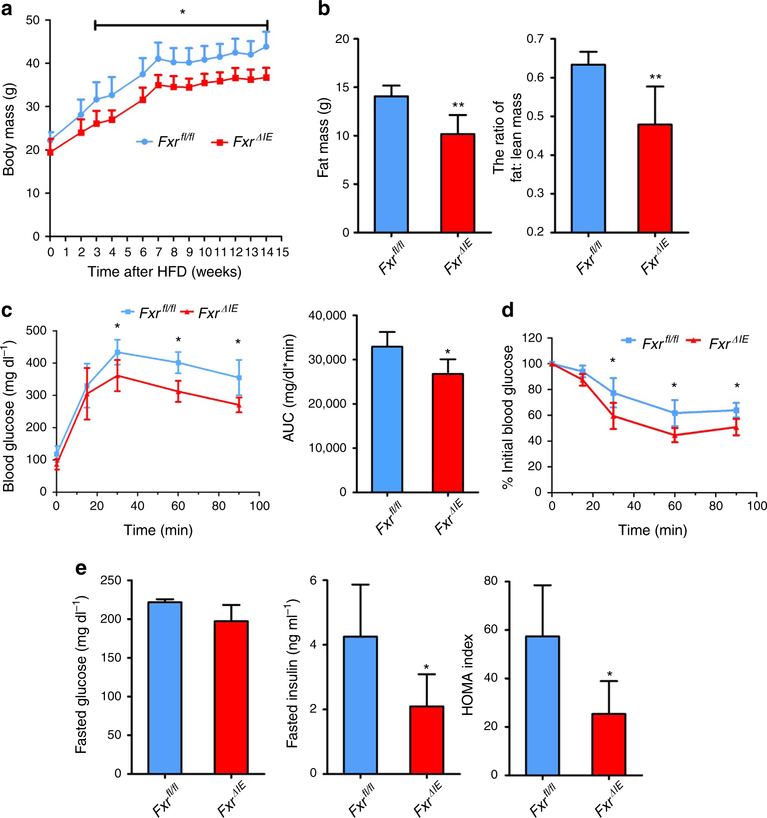
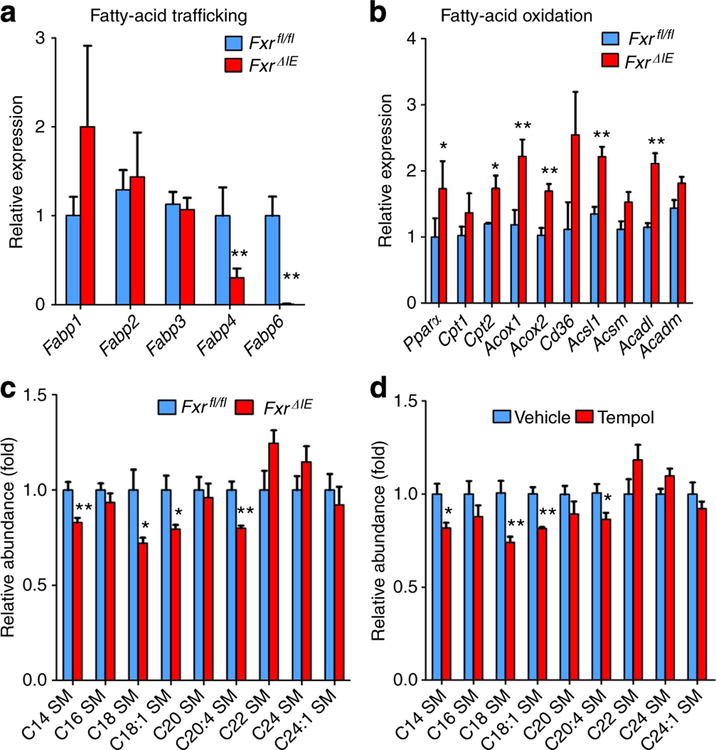
The antioxidant tempol reduces obesity in mice. Here we show that tempol alters the gut microbiome by preferentially reducing the genus Lactobacillus and its bile salt hydrolase (BSH) activity leading to the accumulation of intestinal tauro-β-muricholic acid (T-β-MCA). T-β-MCA is an farnesoid X receptor (FXR) nuclear receptor antagonist, which is involved in the regulation of bile acid, lipid and glucose metabolism. Its increased levels during tempol treatment inhibit FXR signalling in the intestine. High-fat diet-fed intestine-specific Fxr-null (Fxr(ΔIE)) mice show lower diet-induced obesity, similar to tempol-treated wild-type mice. Further, tempol treatment does not decrease weight gain in Fxr(ΔIE) mice, suggesting that the intestinal FXR mediates the anti-obesity effects of tempol. These studies demonstrate a biochemical link between the microbiome, nuclear receptor signalling and metabolic disorders, and suggest that inhibition of FXR in the intestine could be a target for anti-obesity drugs.
抗氧化剂替普瑞酮可减少小鼠肥胖。在这里,我们发现替普瑞酮通过优先减少乳杆菌属及其胆盐水解酶(BSH)活性来改变肠道微生物组,导致肠道牛磺-β-熊脱氧胆酸(T-β-MCA)的积累。T-β-MCA 是法尼醇 X 受体(FXR)核受体拮抗剂,参与胆汁酸、脂质和葡萄糖代谢的调节。在替普瑞酮治疗期间,其水平升高会抑制肠道中的 FXR 信号传导。高脂饮食喂养的肠道特异性 Fxr 缺失(Fxr(ΔIE))小鼠表现出较低的饮食诱导肥胖,类似于替普瑞酮处理的野生型小鼠。此外,替普瑞酮治疗不会降低 Fxr(ΔIE) 小鼠的体重增加,表明肠道 FXR 介导了替普瑞酮的抗肥胖作用。这些研究表明了微生物组、核受体信号和代谢紊乱之间的生化联系,并表明抑制肠道中的 FXR 可能成为抗肥胖药物的靶点。