Rahnama'i Mohammad Sajjad, Javan Aida, Vyas Navita, Lovasz Sandor, Singh Neelanjana, Cervigni Mauro, Pandey Sanjay, Wyndaele Jean Jacques, Taneja Rajesh
Urology Department, Uniklinik RWTH Aachen, Germany.
Society of Urological Research and Education (SURE), Heerlen, The Netherlands.
Anesth Pain Med. 2020 May 12;10(3):e101848. doi: 10.5812/aapm.101848. eCollection 2020 Jun.
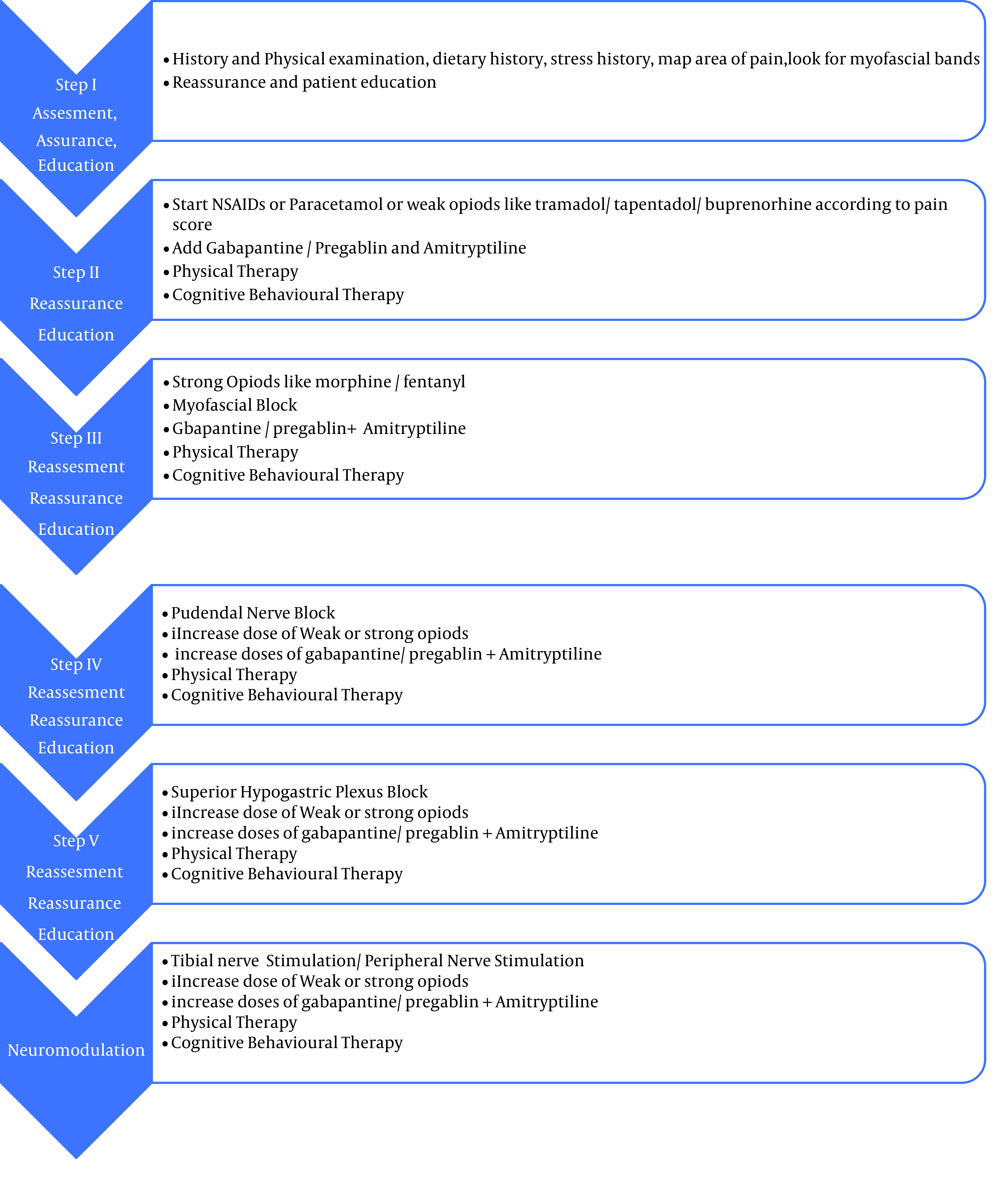
Bladder pain syndrome/interstitial cystitis is a prevalent but underserved disease. At the Global Interstitial Cystitis/Bladder Pain Syndrome Society (GIBS) meeting, the organization and participants were committed to delivering word-class expertise and collaboration in research and patient care. Under the umbrella of GIBS, leading research scholars from different backgrounds and specialties, as well as clinicians, from across the globe interested in the science and art of practice of Bladder Pain Syndrome (BPS)/Interstitial Cystitis (IC) were invited to deliberate on various dimensions of this disease. The meeting aimed to have global guidelines to establish firm directions to practicing clinicians and patients alike on the diagnosis and treatment of this disease entity. Chronic Pelvic Pain Syndrome (CPPS) is defined by pain in the pelvic area that can have different etiologies. This can be due to urologic, gynecologic, musculoskeletal, gastrointestinal, neurologic, and autoimmune or rheumatologic diseases. At the GIBS meeting held in Mumbai, India, in August 2019, a multidisciplinary expert panel of international urologists, gynecologists, pain specialists, and dietitians took part in a think tank to discuss the development of evidence-based diagnostic and treatment algorithms for BPS/IC.
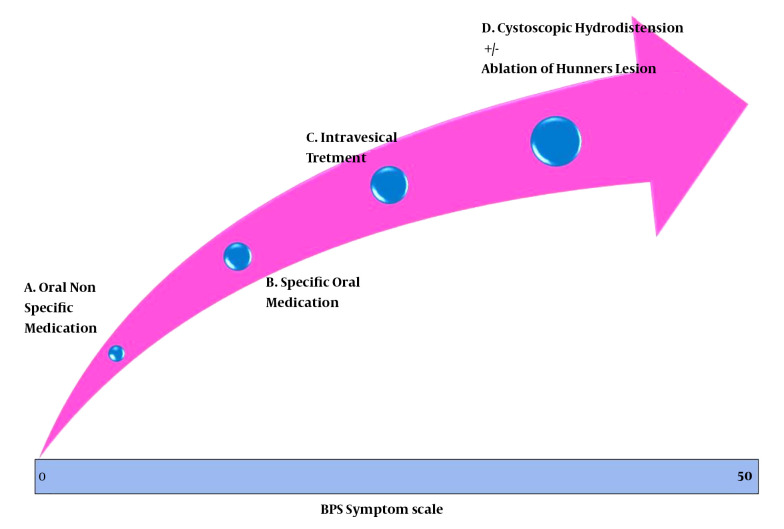
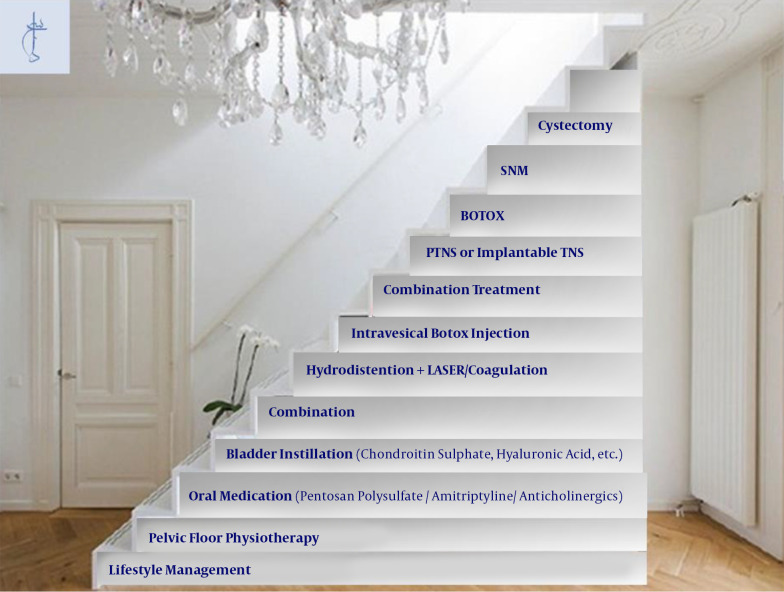
The diagnosis of BPS/IC is difficult in daily clinical practice. Patients with BPS/IC present with a variety of signs and symptoms and clinical test results. Hence, they might be misdiagnosed or underdiagnosed, and the correct diagnosis might take a long time. A good history and physical examination, along with cystoscopy, is a must for the diagnosis of IC/BPS. For the treatment, besides lifestyle management and dietary advice, oral medication and bladder instillation therapy, botulinum toxin, and sacral neuromodulation were discussed. The innovation in bladder instillation applicators, as well as battery-free neuromodulation through the tibial nerve, was discussed, as well.
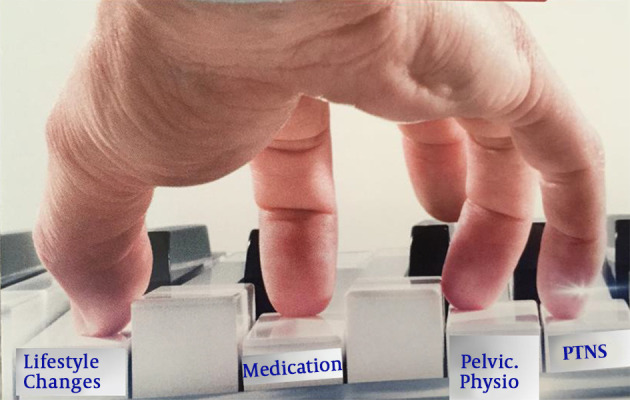
As BPS/IC is complex, for many patients, several treatments are necessary at the same time. This was presented at GIBS 2019 as the piano model. In this way, a combination of treatments is tailored to an individual patient depending on the symptoms, age, and patients' characteristics. In the art of medicine, especially when dealing with BPS/IC patients, pressing the right key at the right time makes the difference.
膀胱疼痛综合征/间质性膀胱炎是一种常见但未得到充分治疗的疾病。在全球间质性膀胱炎/膀胱疼痛综合征协会(GIBS)会议上,该组织及参会人员致力于在研究和患者护理方面提供一流的专业知识并开展合作。在GIBS的框架下,来自不同背景和专业领域的顶尖研究学者以及全球范围内对膀胱疼痛综合征(BPS)/间质性膀胱炎(IC)的科学与实践艺术感兴趣的临床医生受邀就该疾病的各个方面进行研讨。此次会议旨在制定全球指南,为执业临床医生和患者在该疾病实体的诊断和治疗方面确立明确的方向。慢性盆腔疼痛综合征(CPPS)由盆腔区域的疼痛定义,其病因可能多种多样。这可能是由于泌尿系统、妇科、肌肉骨骼、胃肠道、神经、自身免疫或风湿性疾病引起的。在2019年8月于印度孟买举行的GIBS会议上,一个由国际泌尿科医生、妇科医生、疼痛专家和营养师组成的多学科专家小组参加了一个智囊团会议,讨论了基于证据的BPS/IC诊断和治疗算法的制定。
在日常临床实践中,BPS/IC的诊断较为困难。BPS/IC患者表现出各种各样的体征、症状和临床检查结果。因此,他们可能会被误诊或漏诊,而且正确诊断可能需要很长时间。详细的病史和体格检查,以及膀胱镜检查,对于IC/BPS的诊断是必不可少的。对于治疗,除了生活方式管理和饮食建议外,还讨论了口服药物、膀胱灌注治疗、肉毒杆菌毒素和骶神经调节。还讨论了膀胱灌注器的创新以及通过胫神经进行的无电池神经调节。
由于BPS/IC很复杂,对于许多患者来说,同时需要几种治疗方法。这在2019年GIBS会议上被提出为钢琴模型。通过这种方式,根据症状、年龄和患者特征为个体患者量身定制联合治疗方案。在医学领域,尤其是在治疗BPS/IC患者时,在正确的时间按下正确的键至关重要。