Cardiovascular-Pulmonary Science Department, Sant' Andrea Hospital-Sapienza University, Rome, Italy.
Clinical and Molecular Medicine Department, Sant' Andrea Hospital- Sapienza University, Rome, Italy.
Thorac Cancer. 2020 Nov;11(11):3060-3070. doi: 10.1111/1759-7714.13651. Epub 2020 Sep 18.
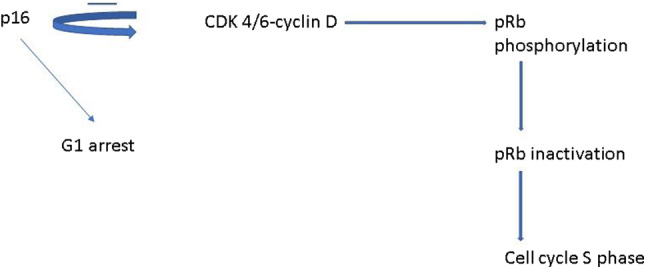
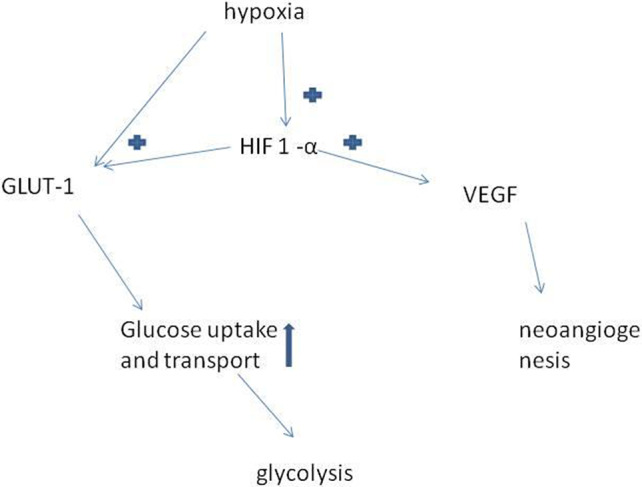
Non-small cell lung cancer (NSCLC) is the leading cause of cancer death and in most cases it is often diagnosed at an advanced stage. Many genetic and microenvironmental factors are able to modify the cell cycle inducing carcinogenesis and tumor growth. Among the metabolic and genetic factors that come into play in carcinogenesis and tumor cell differentiation and growth there are two different proteins that should be considered which are glucose transporters (GLUTs) and p16 The first are glucose transporters which are strongly involved in tumor metabolism, notably accelerating cancer cell metabolism both in aerobic and anaerobic conditions. There are different subtypes of GLUT family factors of which GLUT 1 is the most important and widely expressed. By contrast, p16 is mainly a tumor-suppressor protein that acts on cyclin-dependent kinase favoring cell cycle arrest in the G1 phase. Our search focused on the action of the aforementioned factors.
非小细胞肺癌(NSCLC)是癌症死亡的主要原因,在大多数情况下,它通常被诊断为晚期。许多遗传和微环境因素能够改变细胞周期,诱导癌变和肿瘤生长。在参与癌变和肿瘤细胞分化和生长的代谢和遗传因素中,有两种不同的蛋白质值得考虑,即葡萄糖转运蛋白(GLUTs)和 p16。第一种是葡萄糖转运蛋白,它强烈参与肿瘤代谢,特别是在有氧和无氧条件下加速癌细胞代谢。GLUT 家族有不同的亚型,其中 GLUT1 是最重要和广泛表达的。相比之下,p16 主要是一种肿瘤抑制蛋白,它作用于细胞周期依赖性激酶,有利于细胞周期在 G1 期停滞。我们的研究重点是上述因素的作用。