Bédard Patrick, Gauvin Sara, Ferland Karel, Caneparo Christophe, Pellerin Ève, Chabaud Stéphane, Bolduc Stéphane
Faculté de Médecine, Sciences Biomédicales, Université Laval, Québec, QC G1V 0A6, Canada.
Centre de Recherche en Organogénèse Expérimentale de l'Université Laval/LOEX, Centre de Recherche du CHU de Québec-Université Laval, Axe Médecine Régénératrice, Québec, QC G1J 1Z4, Canada.
Bioengineering (Basel). 2020 Sep 17;7(3):115. doi: 10.3390/bioengineering7030115.
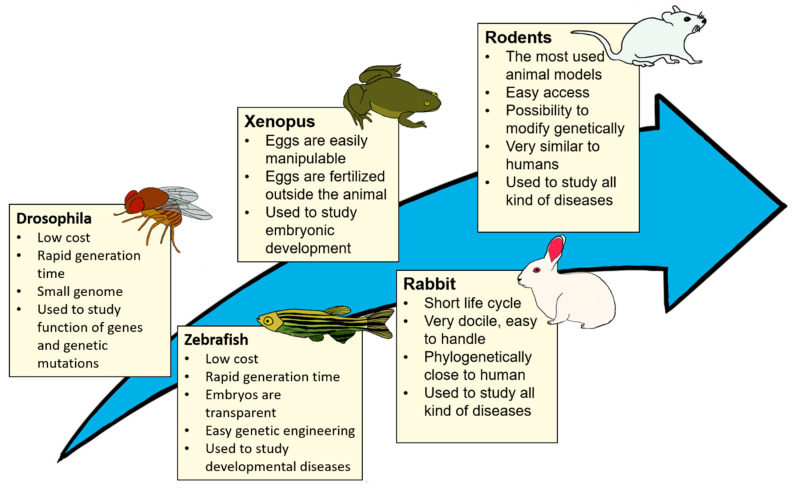
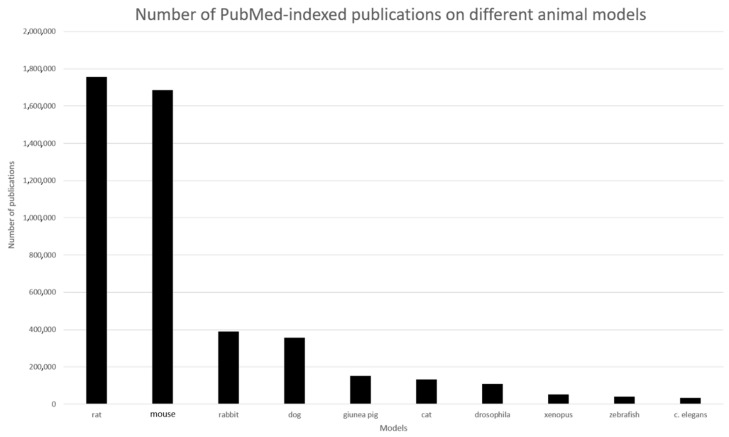
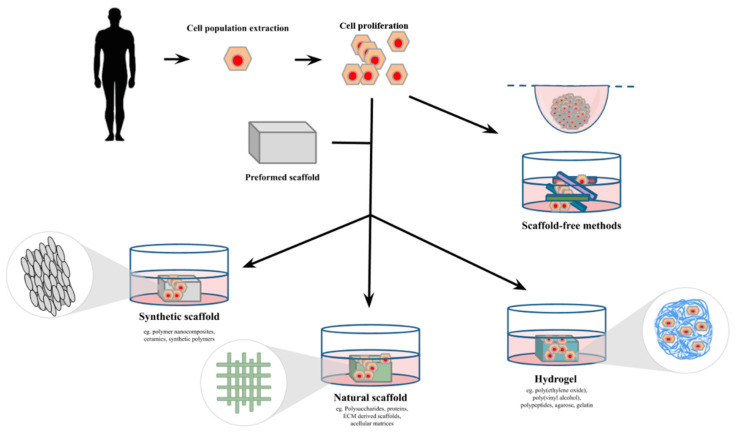
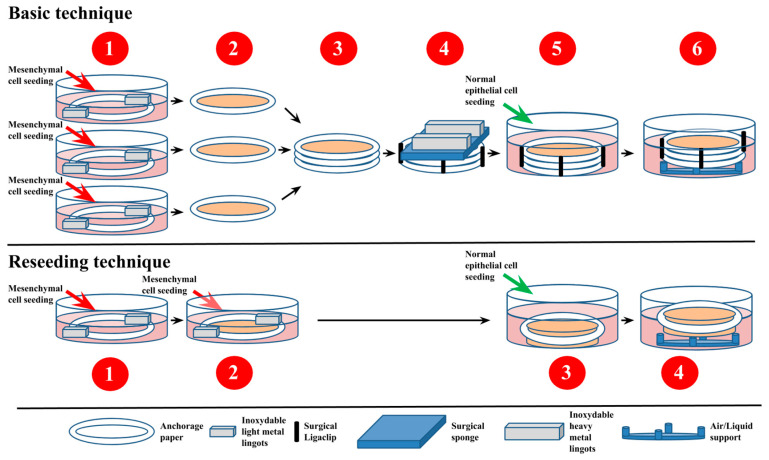
Animal testing has long been used in science to study complex biological phenomena that cannot be investigated using two-dimensional cell cultures in plastic dishes. With time, it appeared that more differences could exist between animal models and even more when translated to human patients. Innovative models became essential to develop more accurate knowledge. Tissue engineering provides some of those models, but it mostly relies on the use of prefabricated scaffolds on which cells are seeded. The self-assembly protocol has recently produced organ-specific human-derived three-dimensional models without the need for exogenous material. This strategy will help to achieve the 3R principles.
长期以来,动物实验在科学研究中一直被用于研究复杂的生物现象,而这些现象无法通过塑料培养皿中的二维细胞培养来进行研究。随着时间的推移,动物模型之间似乎存在更多差异,而当应用于人类患者时差异甚至更多。创新模型对于获取更准确的知识变得至关重要。组织工程提供了其中一些模型,但它主要依赖于使用预先制造的支架,细胞接种在这些支架上。自组装方案最近产生了源自人类的器官特异性三维模型,而无需外源材料。这一策略将有助于实现3R原则。