Centre for Cardiovascular Investigations, Department of Biomedical Sciences, University of Guelph, Guelph, ON N1G 2W1, Canada.
Department of Molecular and Cellular Biology, University of Guelph, Guelph, ON N1G 2W1, Canada.
J Mol Cell Cardiol. 2020 Dec;149:54-72. doi: 10.1016/j.yjmcc.2020.09.006. Epub 2020 Sep 19.
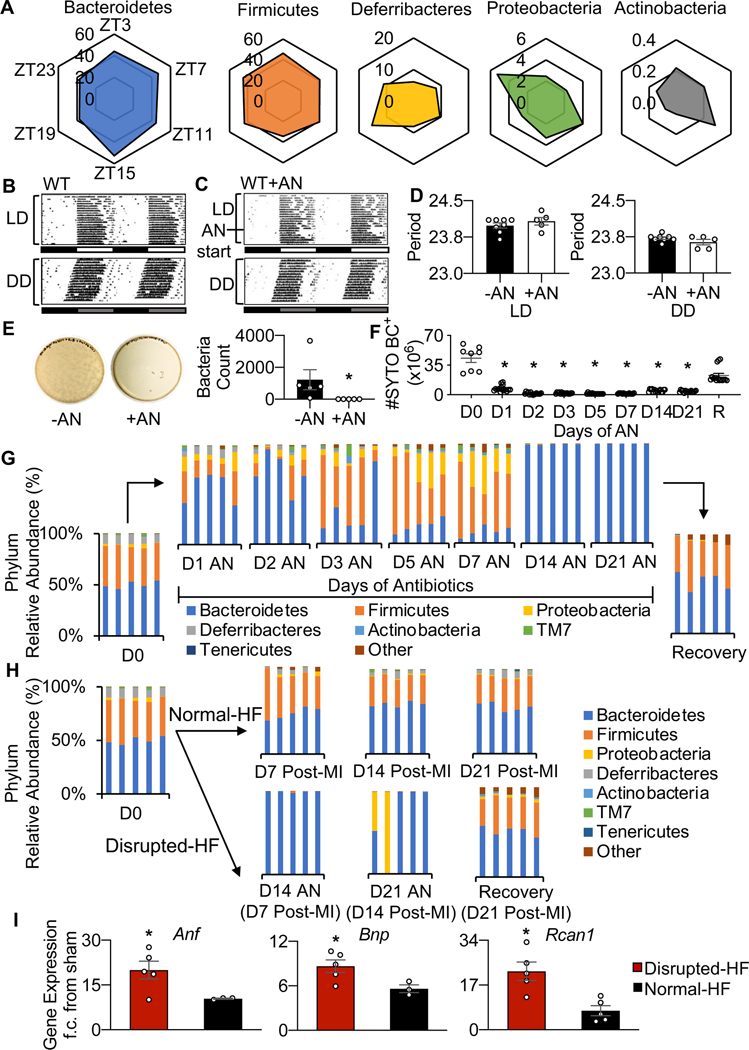
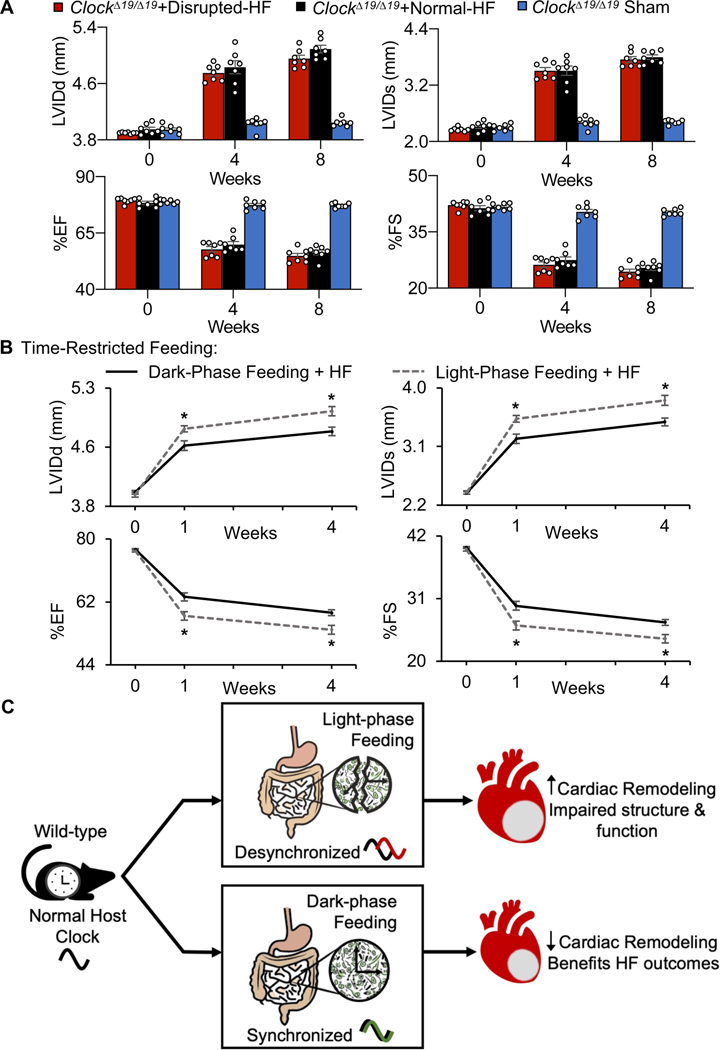
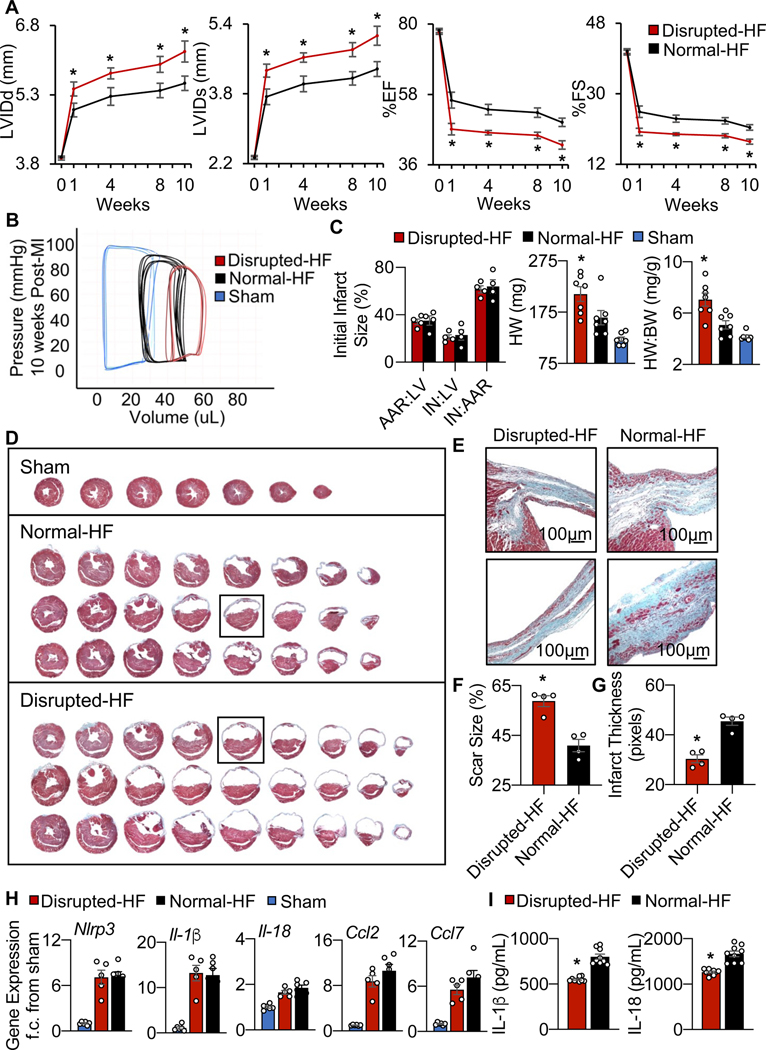
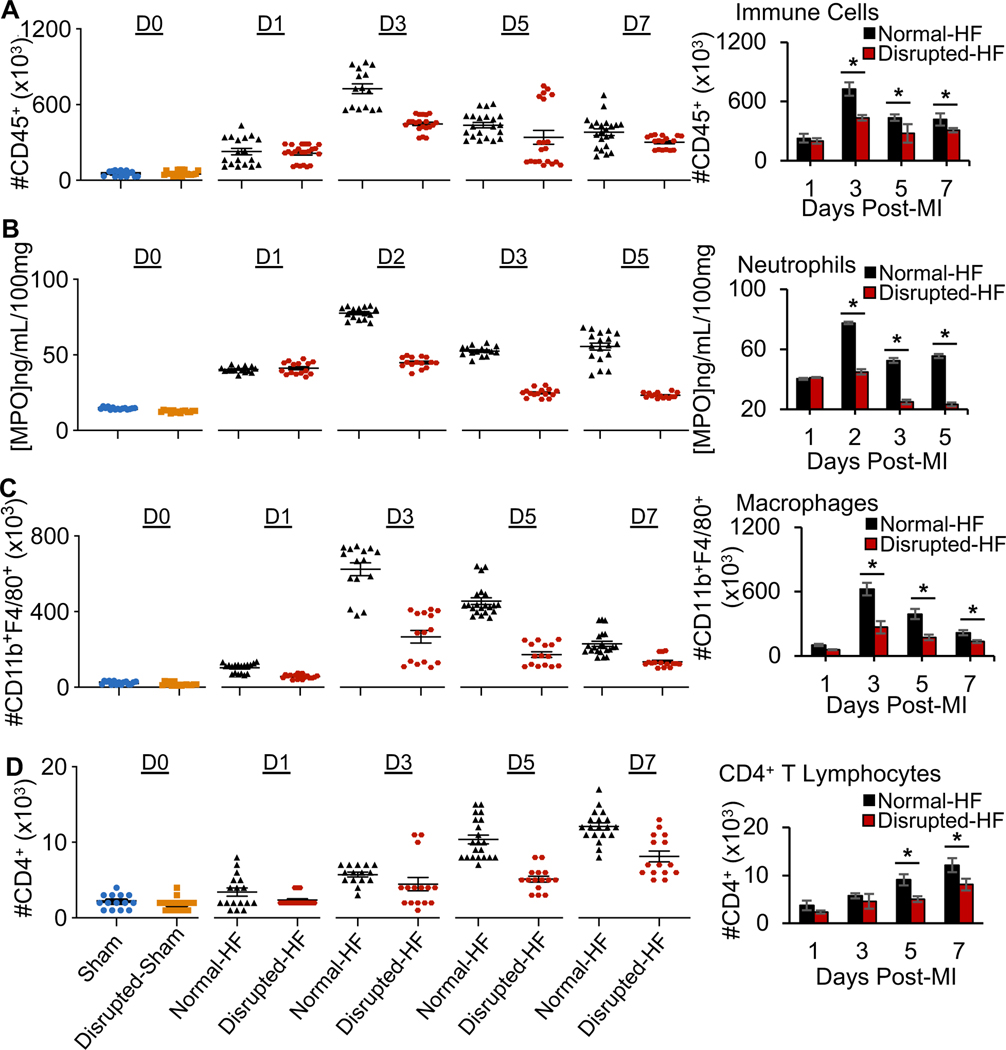
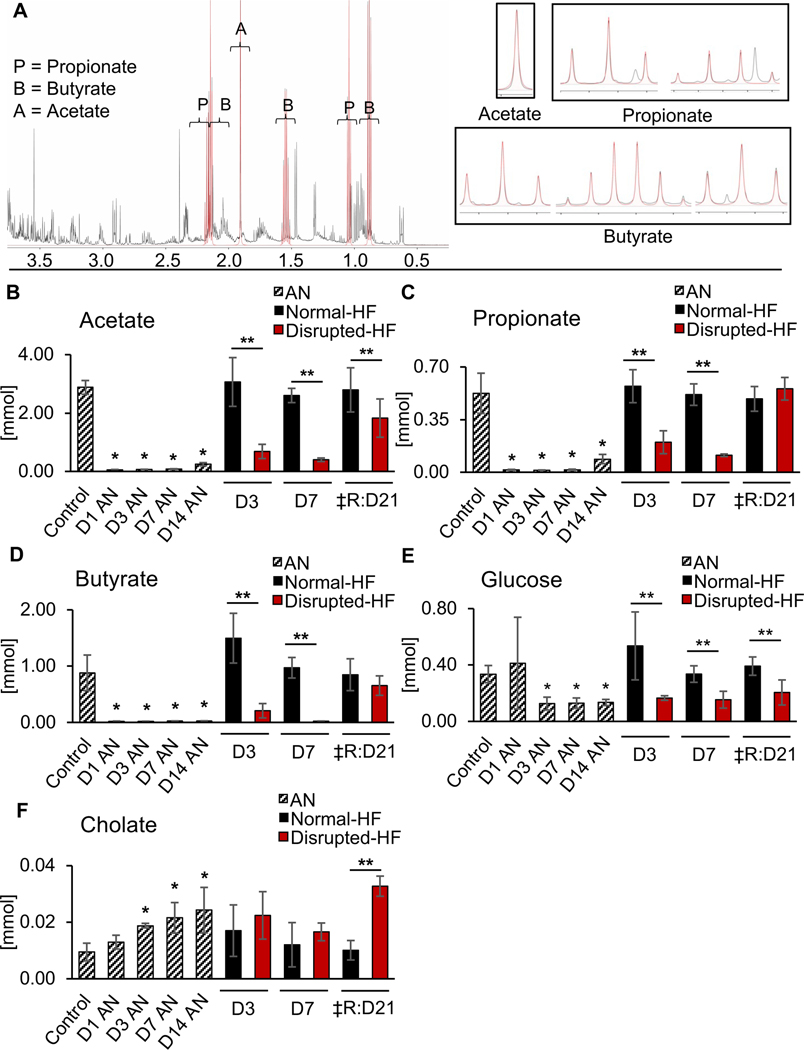
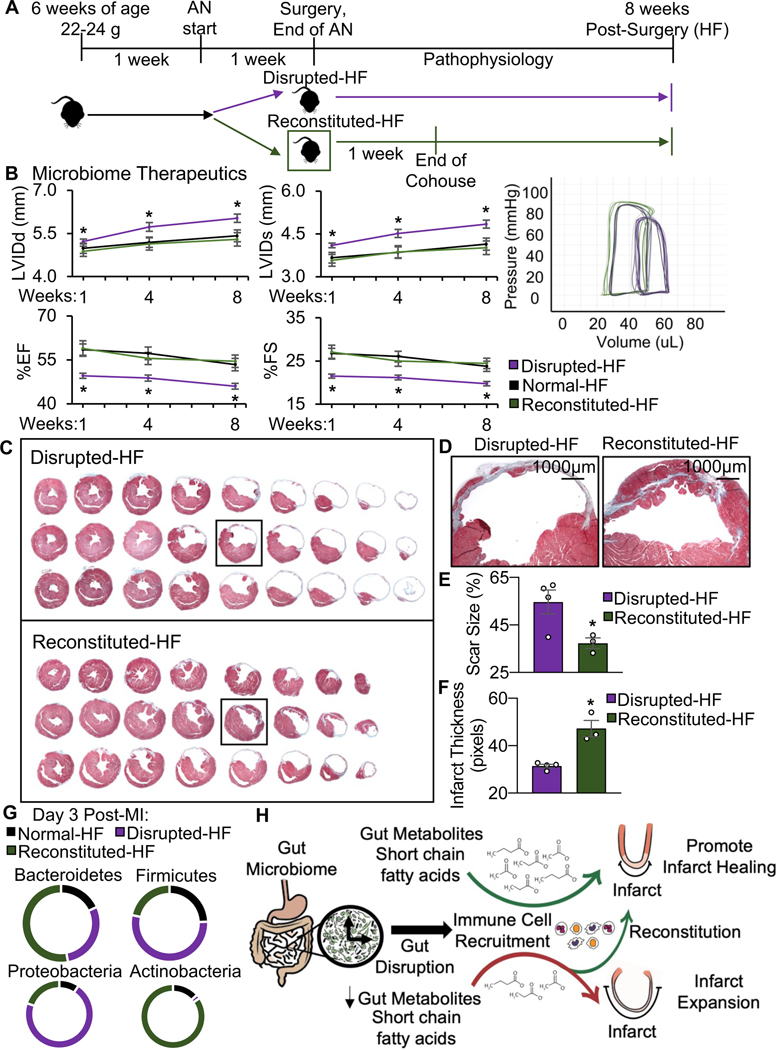
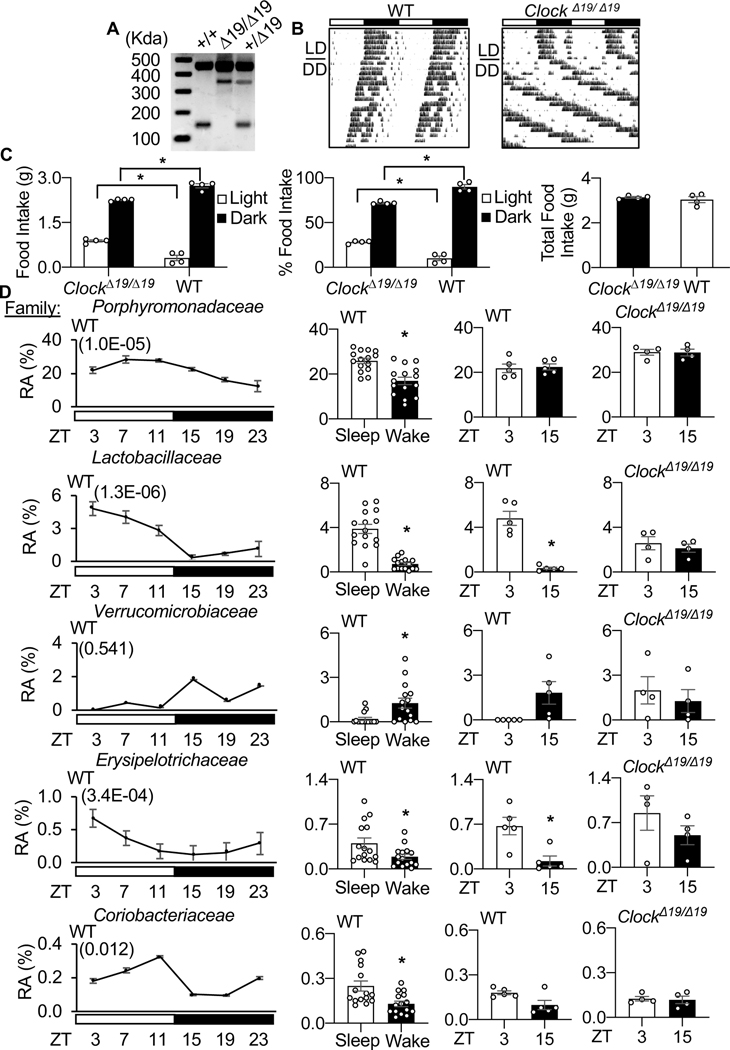
Myocardial infarction (MI) leading to heart failure (HF) is a major cause of death worldwide. Previous studies revealed that the circadian system markedly impacts cardiac repair post-MI, and that light is an important environmental factor modulating the circadian influence over healing. Recent studies suggest that gut physiology also affects the circadian system, but how it contributes to cardiac repair post-MI and in HF is not well understood. To address this question, we first used a murine coronary artery ligation MI model to reveal that an intact gut microbiome is important for cardiac repair. Specifically, gut microbiome disruption impairs normal inflammatory responses in infarcted myocardium, elevates adverse cardiac gene biomarkers, and leads to worse HF outcomes. Conversely, reconstituting the microbiome post-MI in mice with prior gut microbiome disruption improves healing, consistent with the notion that normal gut physiology contributes to cardiac repair. To investigate a role for the circadian system, we initially utilized circadian mutant Clock mice, revealing that a functional circadian mechanism is necessary for gut microbiome benefits on post-MI cardiac repair and HF. Finally, we demonstrate that circadian-mediated gut responses that benefit cardiac repair can be conferred by time-restricted feeding, as wake time feeding of MI mice improves HF outcomes, but these benefits are not observed in MI mice fed during their sleep time. In summary, gut physiology is important for cardiac repair, and the circadian system influences the beneficial gut responses to improve post-MI and HF outcomes.
心肌梗死(MI)导致心力衰竭(HF)是全球范围内主要的死亡原因。先前的研究表明,昼夜节律系统对 MI 后心脏修复有显著影响,而光作为调节昼夜节律对愈合影响的重要环境因素。最近的研究表明,肠道生理学也会影响昼夜节律系统,但它如何影响 MI 后和 HF 中的心脏修复尚不清楚。为了解决这个问题,我们首先使用了一种小鼠冠状动脉结扎 MI 模型,揭示了完整的肠道微生物组对心脏修复很重要。具体来说,肠道微生物组的破坏会损害梗死心肌中正常的炎症反应,增加不良心脏基因生物标志物,并导致更严重的 HF 结局。相反,在先前肠道微生物组破坏的 MI 小鼠中重建微生物组可改善愈合,这与正常肠道生理学有助于心脏修复的观点一致。为了研究昼夜节律系统的作用,我们最初利用昼夜节律突变 Clock 小鼠,发现正常的昼夜节律机制对于肠道微生物组对 MI 后心脏修复和 HF 的益处是必需的。最后,我们证明了昼夜节律介导的有益于心脏修复的肠道反应可以通过限时喂养来实现,因为 MI 小鼠的清醒时间喂养可改善 HF 结局,但在 MI 小鼠的睡眠时间喂养时则观察不到这些益处。总之,肠道生理学对心脏修复很重要,而昼夜节律系统会影响有益的肠道反应,从而改善 MI 后和 HF 的结局。