Department of Biomedical Engineering, University of Texas at Austin, 1 University Station, BME 5.202D, C0800, Austin, TX, 78712, USA.
Institute for Cellular and Molecular Biology, University of Texas at Austin, Austin, TX, USA.
Sci Rep. 2020 Sep 22;10(1):15469. doi: 10.1038/s41598-020-72158-5.
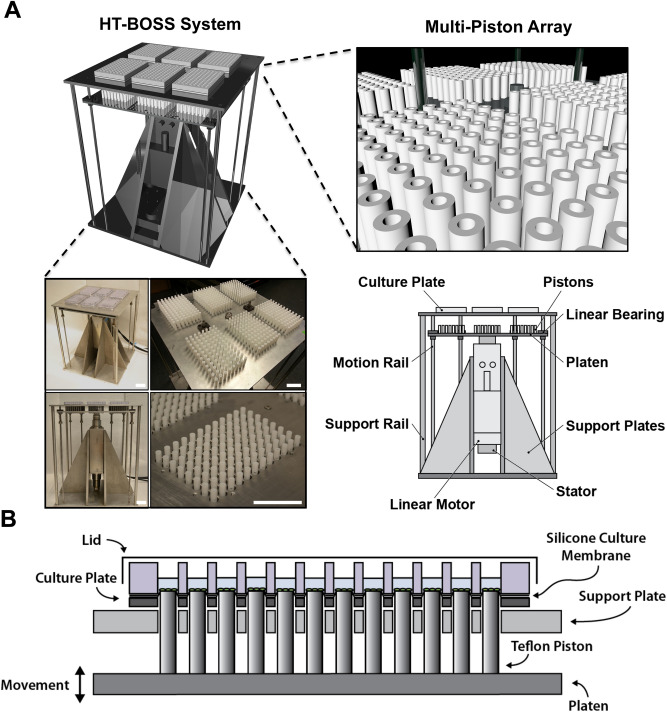
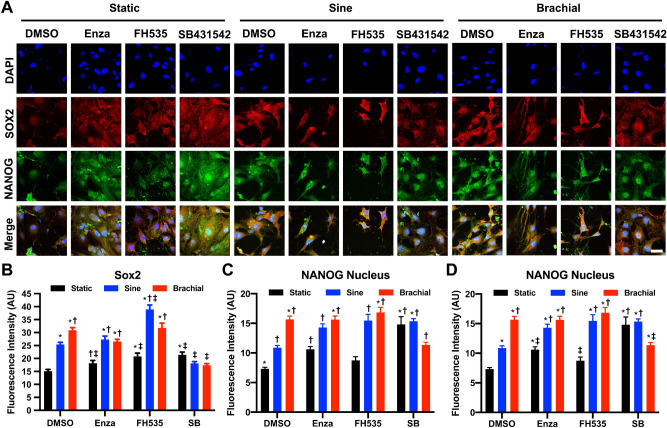
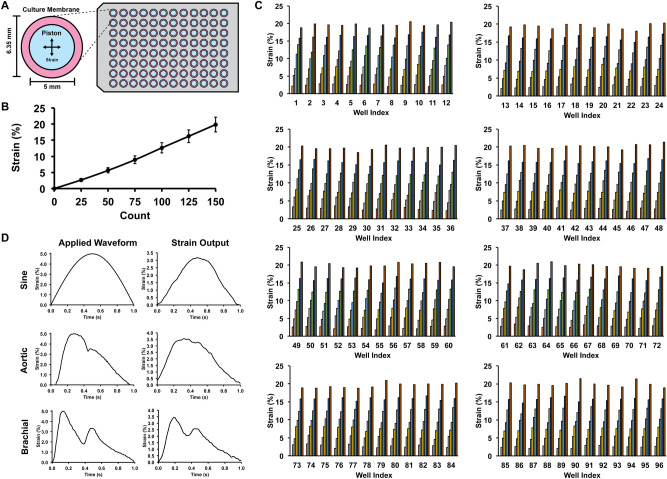
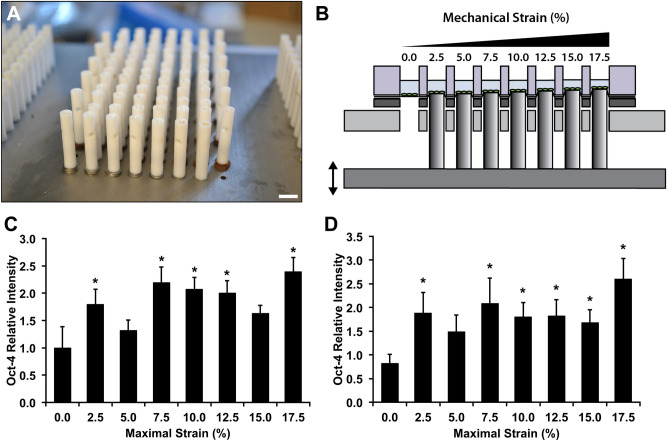
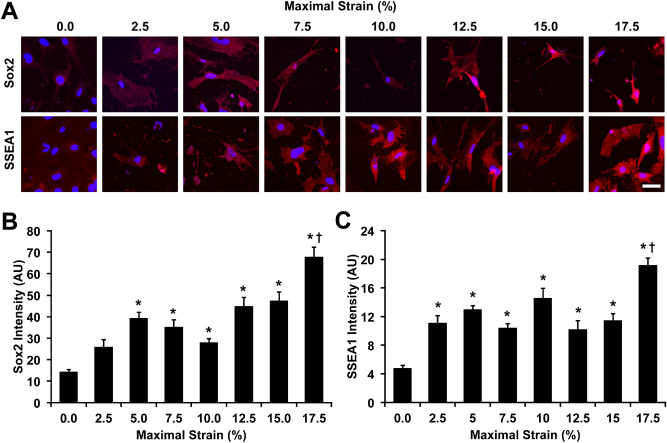
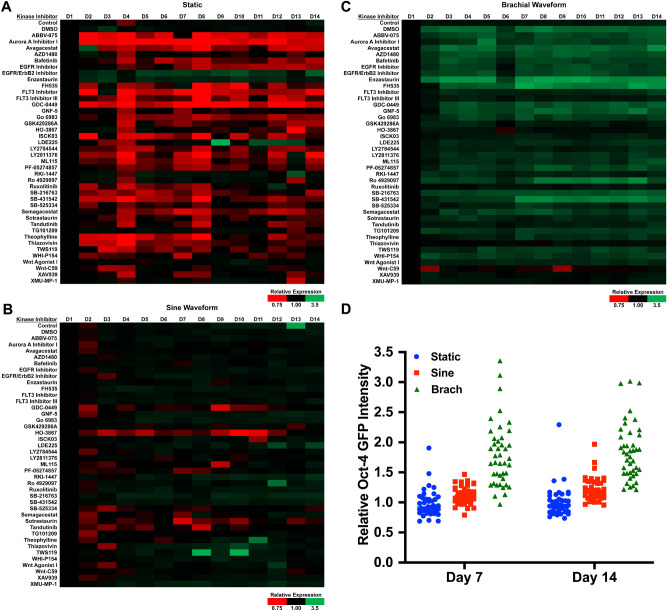
Mechanical forces are important in the regulation of physiological homeostasis and the development of disease. The application of mechanical forces to cultured cells is often performed using specialized systems that lack the flexibility and throughput of other biological techniques. In this study, we developed a high throughput platform for applying complex dynamic mechanical forces to cultured cells. We validated the system for its ability to accurately apply parallel mechanical stretch in a 96 well plate format in 576 well simultaneously. Using this system, we screened for optimized conditions to stimulate increases in Oct-4 and other transcription factor expression in mouse fibroblasts. Using high throughput mechanobiological screening assays, we identified small molecules that can synergistically enhance the increase in reprograming-related gene expression in mouse fibroblasts when combined with mechanical loading. Taken together, our findings demonstrate a new powerful tool for investigating the mechanobiological mechanisms of disease and performing drug screening in the presence of applied mechanical load.
机械力在生理动态平衡和疾病发展中起着重要作用。向培养细胞施加机械力通常使用专门的系统来完成,这些系统缺乏其他生物技术的灵活性和通量。在这项研究中,我们开发了一种高通量平台,用于向培养细胞施加复杂的动态机械力。我们验证了该系统在 576 孔同时以 96 孔板格式精确施加平行机械拉伸的能力。使用该系统,我们筛选了优化条件,以刺激小鼠成纤维细胞中 Oct-4 和其他转录因子表达的增加。通过高通量机械生物学筛选测定,我们鉴定出了小分子,当与机械加载结合使用时,它们可以协同增强小鼠成纤维细胞中重编程相关基因表达的增加。总之,我们的研究结果表明了一种新的强大工具,用于研究疾病的机械生物学机制,并在施加机械负载的情况下进行药物筛选。