Science for Life Laboratory, Department of Women's and Children Health, Karolinska Institutet, Stockholm 17165, Sweden.
Research Unit of Congenital and Perinatal Infections, Bambino Gesù Children's Hospital, Rome 00165, Italy; Chair of Pediatrics, Department of Systems Medicine, University of Rome "Tor Vergata", Rome 00133, Italy.
Cell. 2020 Nov 12;183(4):968-981.e7. doi: 10.1016/j.cell.2020.09.016. Epub 2020 Sep 6.
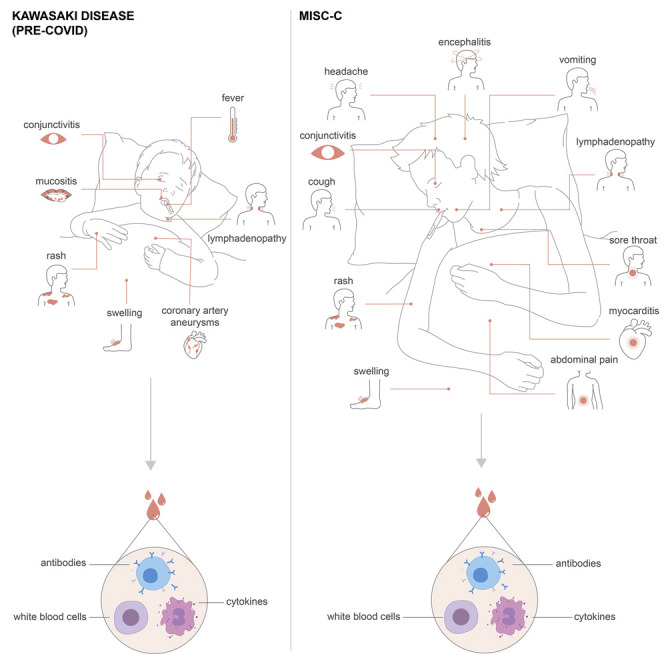
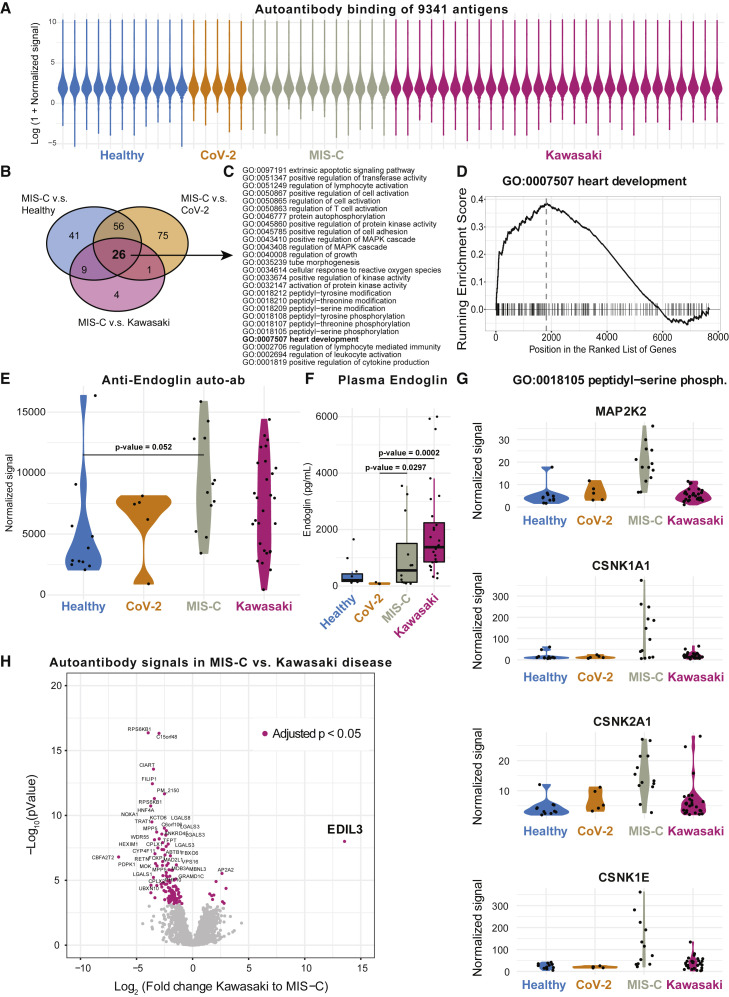
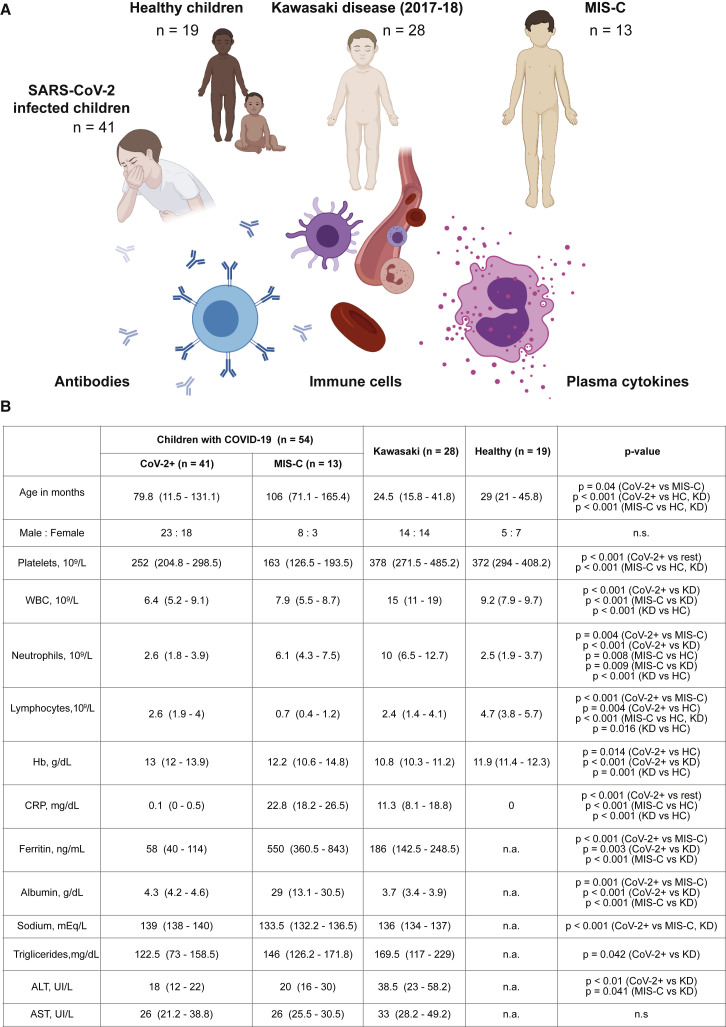
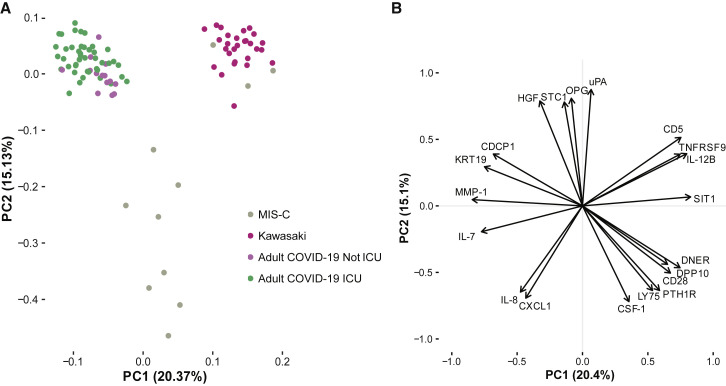
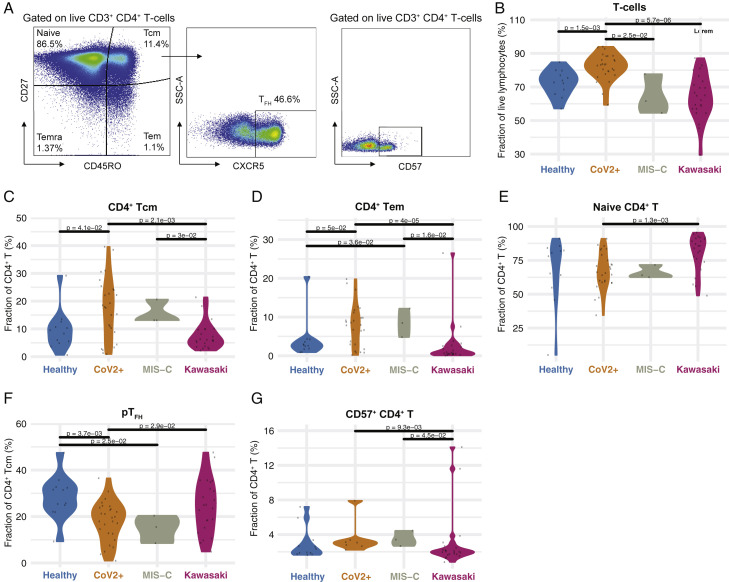
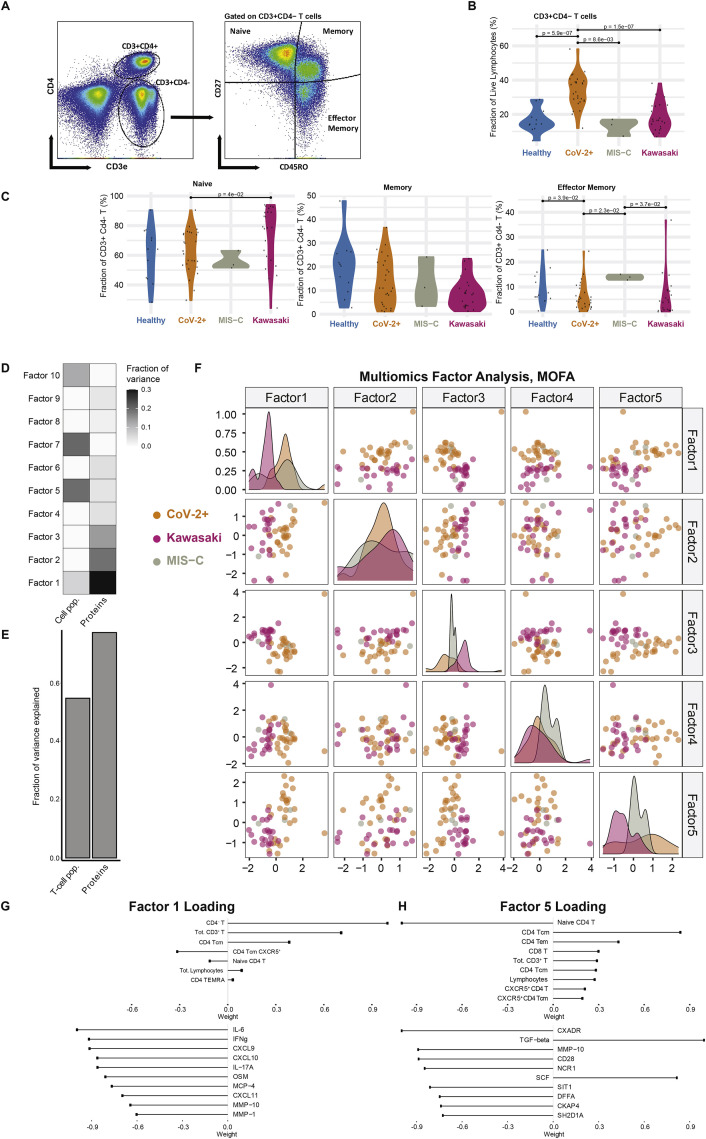
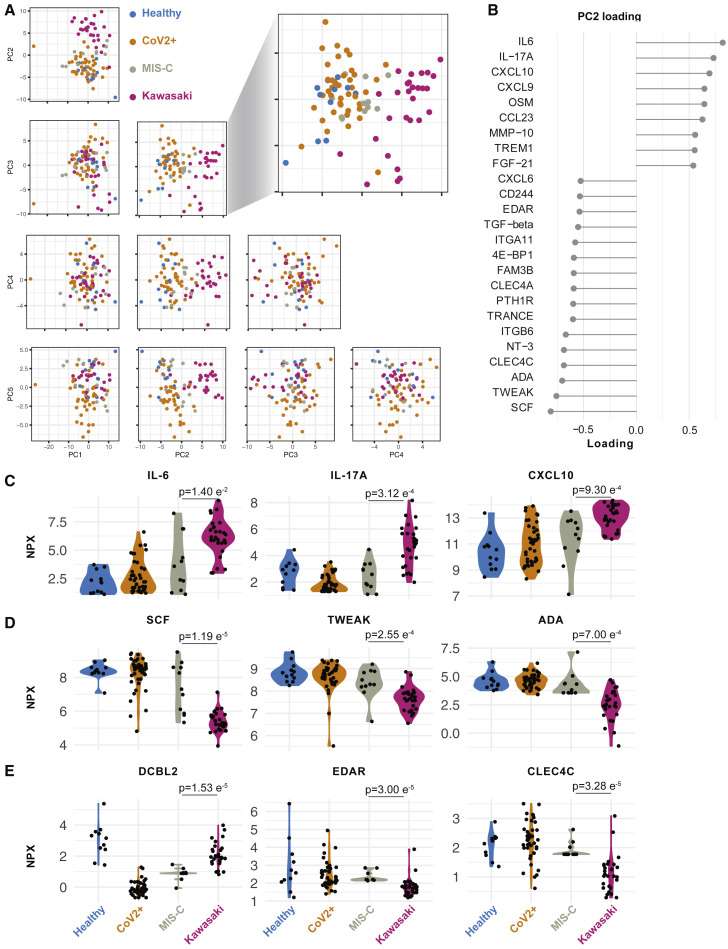
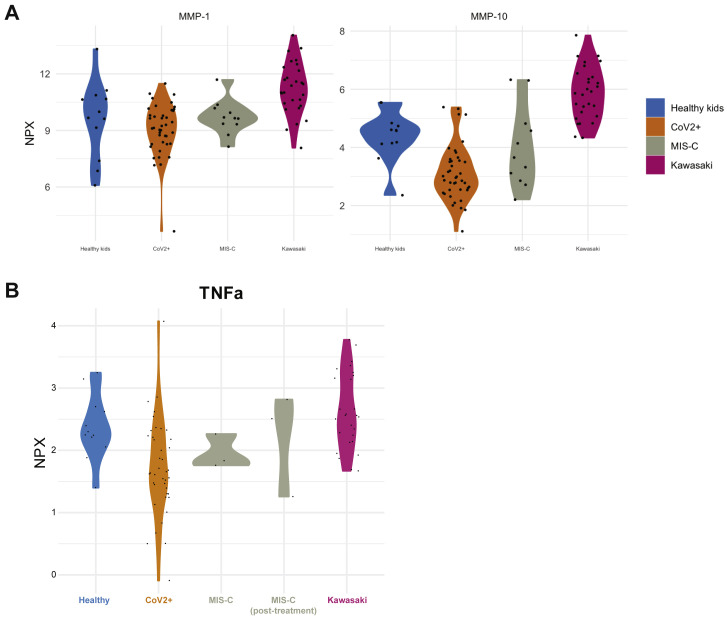
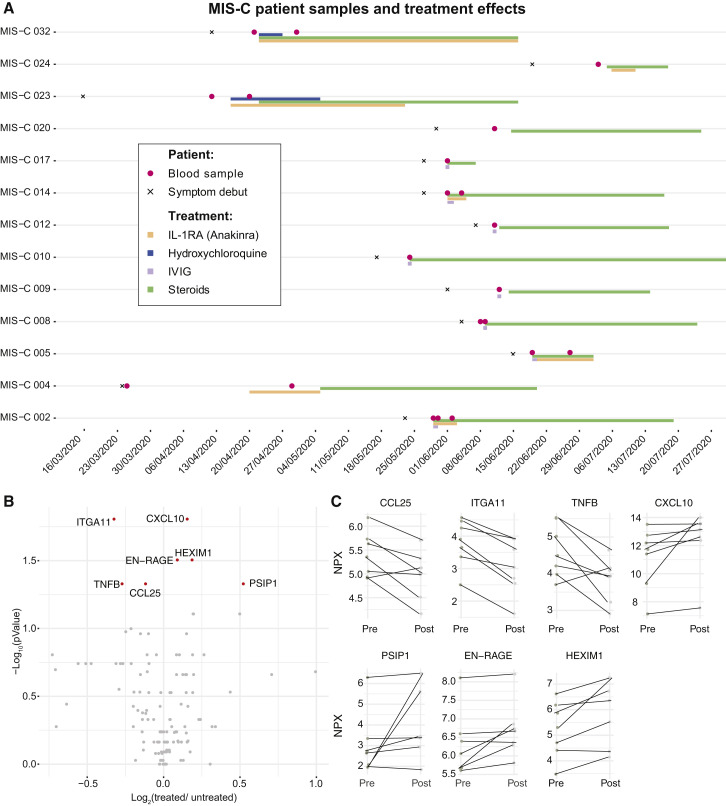
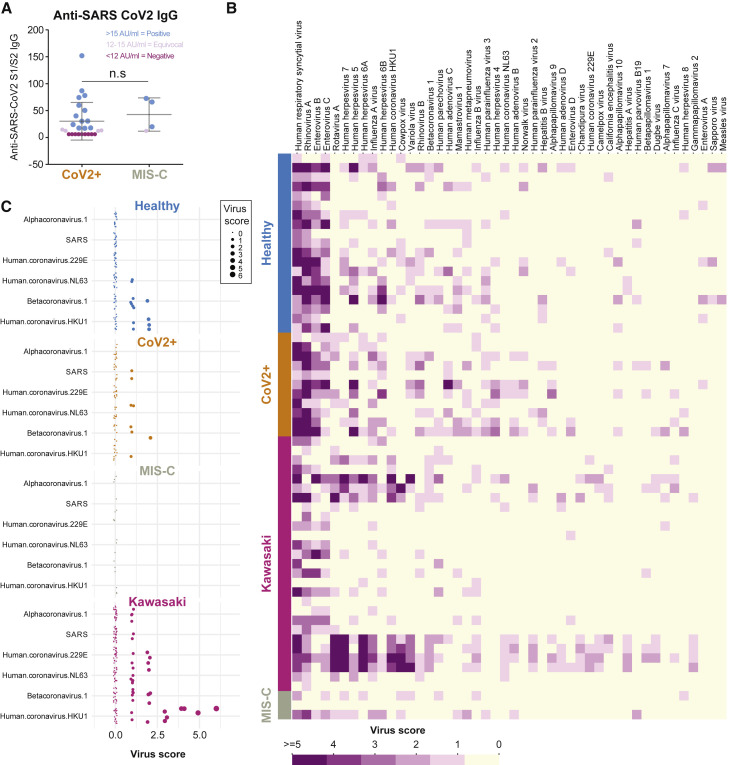
Severe acute respiratory syndrome coronavirus 2 (SARS-CoV-2) infection is typically very mild and often asymptomatic in children. A complication is the rare multisystem inflammatory syndrome in children (MIS-C) associated with COVID-19, presenting 4-6 weeks after infection as high fever, organ dysfunction, and strongly elevated markers of inflammation. The pathogenesis is unclear but has overlapping features with Kawasaki disease suggestive of vasculitis and a likely autoimmune etiology. We apply systems-level analyses of blood immune cells, cytokines, and autoantibodies in healthy children, children with Kawasaki disease enrolled prior to COVID-19, children infected with SARS-CoV-2, and children presenting with MIS-C. We find that the inflammatory response in MIS-C differs from the cytokine storm of severe acute COVID-19, shares several features with Kawasaki disease, but also differs from this condition with respect to T cell subsets, interleukin (IL)-17A, and biomarkers associated with arterial damage. Finally, autoantibody profiling suggests multiple autoantibodies that could be involved in the pathogenesis of MIS-C.
严重急性呼吸综合征冠状病毒 2(SARS-CoV-2)感染在儿童中通常非常轻微,且常无症状。一种并发症是与 COVID-19 相关的罕见儿童多系统炎症综合征(MIS-C),在感染后 4-6 周出现高热、器官功能障碍和强烈升高的炎症标志物。其发病机制尚不清楚,但与川崎病有重叠特征,提示血管炎和可能的自身免疫病因。我们对健康儿童、COVID-19 之前确诊川崎病的儿童、感染 SARS-CoV-2 的儿童和出现 MIS-C 的儿童的血液免疫细胞、细胞因子和自身抗体进行了系统水平的分析。我们发现,MIS-C 中的炎症反应不同于严重急性 COVID-19 的细胞因子风暴,与川崎病有几个共同特征,但在 T 细胞亚群、白细胞介素(IL)-17A 和与动脉损伤相关的生物标志物方面与川崎病不同。最后,自身抗体分析提示可能涉及 MIS-C 发病机制的多种自身抗体。