Department of Neurology, The Second Affiliated Hospital of Harbin Medical University, No.246 Xuefu Road, Nangang District, Harbin, 150086, Heilongjiang Province, China.
Stem Cell Res Ther. 2020 Sep 23;11(1):413. doi: 10.1186/s13287-020-01927-w.
Ischaemic stroke has become the main cause of death and severe neurological disorders, for which effective restorative treatments are currently limited. While stem cell transplantation offers therapeutic potential through neural regeneration, this approach is associated with the challenges of limited applicable sources. Hair follicle stem cells (HFSCs) are multipotential cells that can differentiate into ectodermal and mesodermal lineages and proliferate for long periods. The therapeutic potentials of HFSCs have not been investigated in ischaemic stroke models, and therefore, in this study, we aimed to determine whether they could survive and migrate to ischaemic areas after a stroke attack.
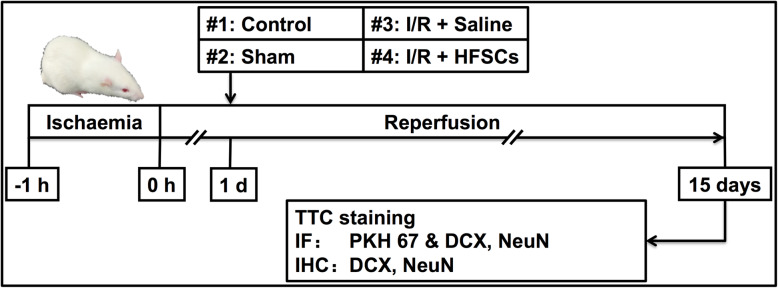
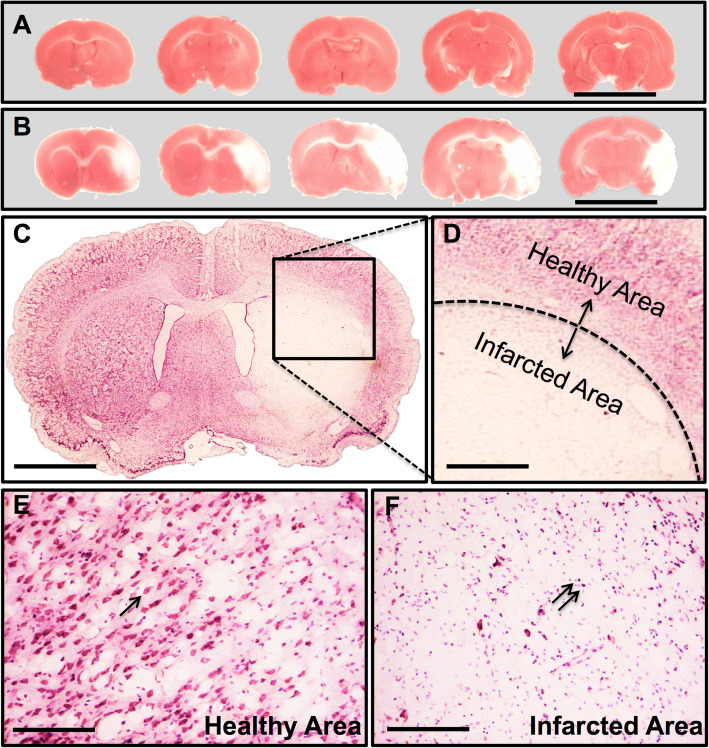
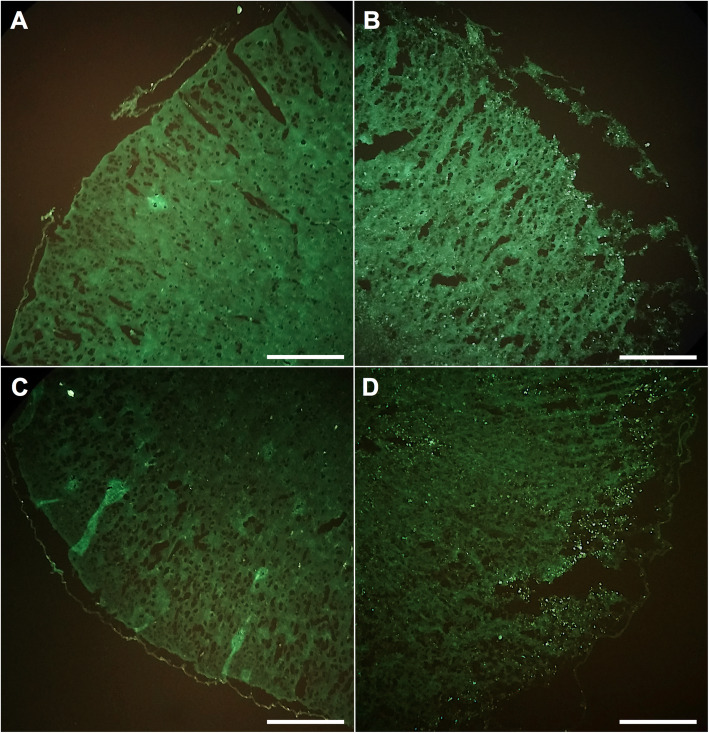
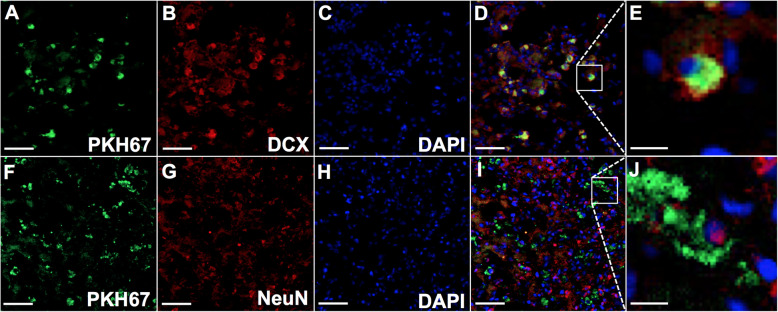
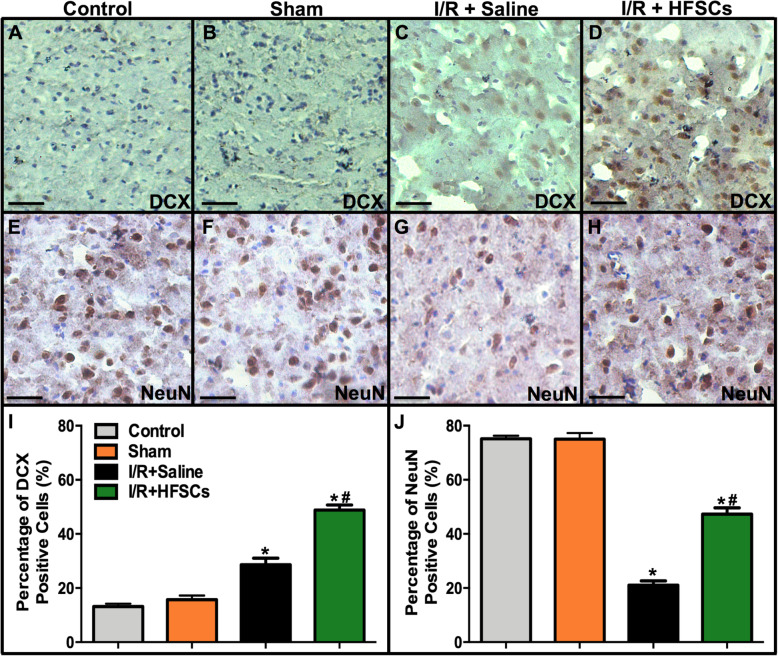
A rat model of middle cerebral artery ischaemia/reperfusion was established and intravenously administered HFSCs. The potential of HFSCs to migrate and differentiate into neuron-like cells as well as their ability to reduce the infarct size was evaluated. Rat brain tissue samples were collected 2 weeks after cell transplantation and analysed via TTC staining, immunofluorescence and immunohistochemistry methods. The data were statistically analysed and presented as the means ± standard deviations.
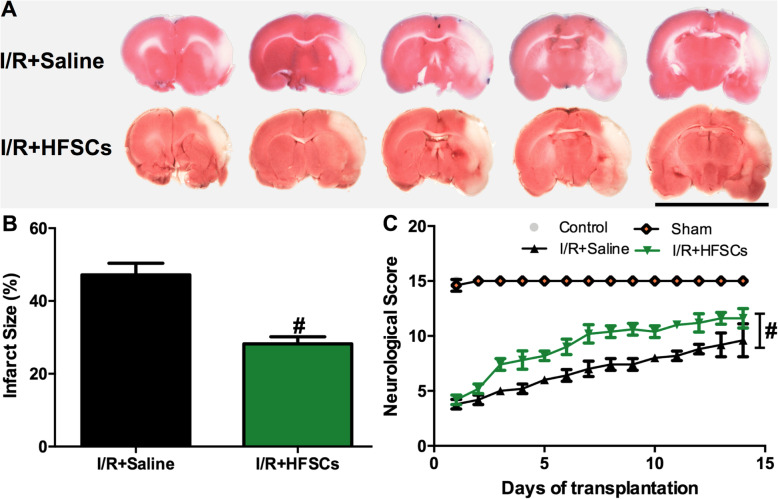
Intravenously administrated rat HFSCs were able to migrate to the penumbra where they expressed neuron-specific markers, reduced the infarct volume and promoted neurological recovery.
HFSC transplantation has therapeutic potential for ischaemic stroke and is, therefore, worthy of further investigation toward possible clinical development for treating stroke patients.
缺血性中风已成为主要的死亡和严重神经障碍原因,目前有效的治疗方法有限。虽然干细胞移植通过神经再生提供了治疗潜力,但这种方法存在适用来源有限的挑战。毛囊干细胞(HFSCs)是多能细胞,可分化为外胚层和中胚层谱系,并能长期增殖。HFSCs 在缺血性中风模型中的治疗潜力尚未得到研究,因此,在本研究中,我们旨在确定它们是否能在中风发作后存活并迁移到缺血区域。
建立了大脑中动脉缺血再灌注大鼠模型,并静脉给予 HFSCs。评估 HFSCs 迁移和分化为神经元样细胞的潜力以及减少梗死面积的能力。细胞移植后 2 周收集大鼠脑组织样本,通过 TTC 染色、免疫荧光和免疫组织化学方法进行分析。对数据进行统计学分析,并以平均值 ±标准差表示。
静脉给予的大鼠 HFSCs 能够迁移到半影区,在那里表达神经元特异性标志物,减少梗死体积并促进神经功能恢复。
HFSC 移植对缺血性中风具有治疗潜力,因此值得进一步研究,以可能开发用于治疗中风患者的临床方法。