AstraZeneca Oncology R&D, 35 Gatehouse Drive, Waltham, Massachusetts 02451, United States.
Department of Chemistry, Princeton University, Princeton, New Jersey 08544, United States.
Chem Rev. 2020 Oct 28;120(20):11479-11615. doi: 10.1021/acs.chemrev.0c00523. Epub 2020 Sep 24.
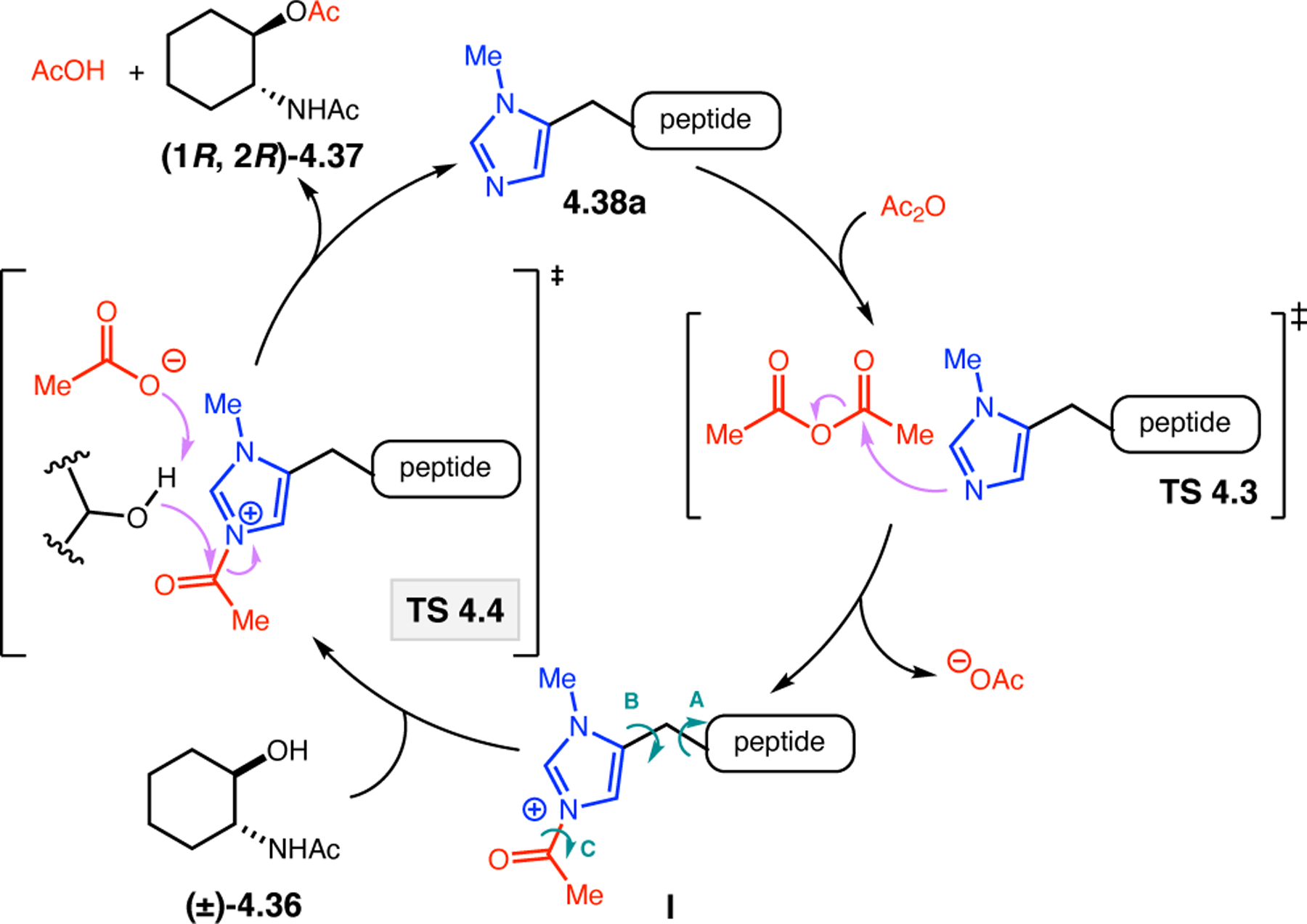
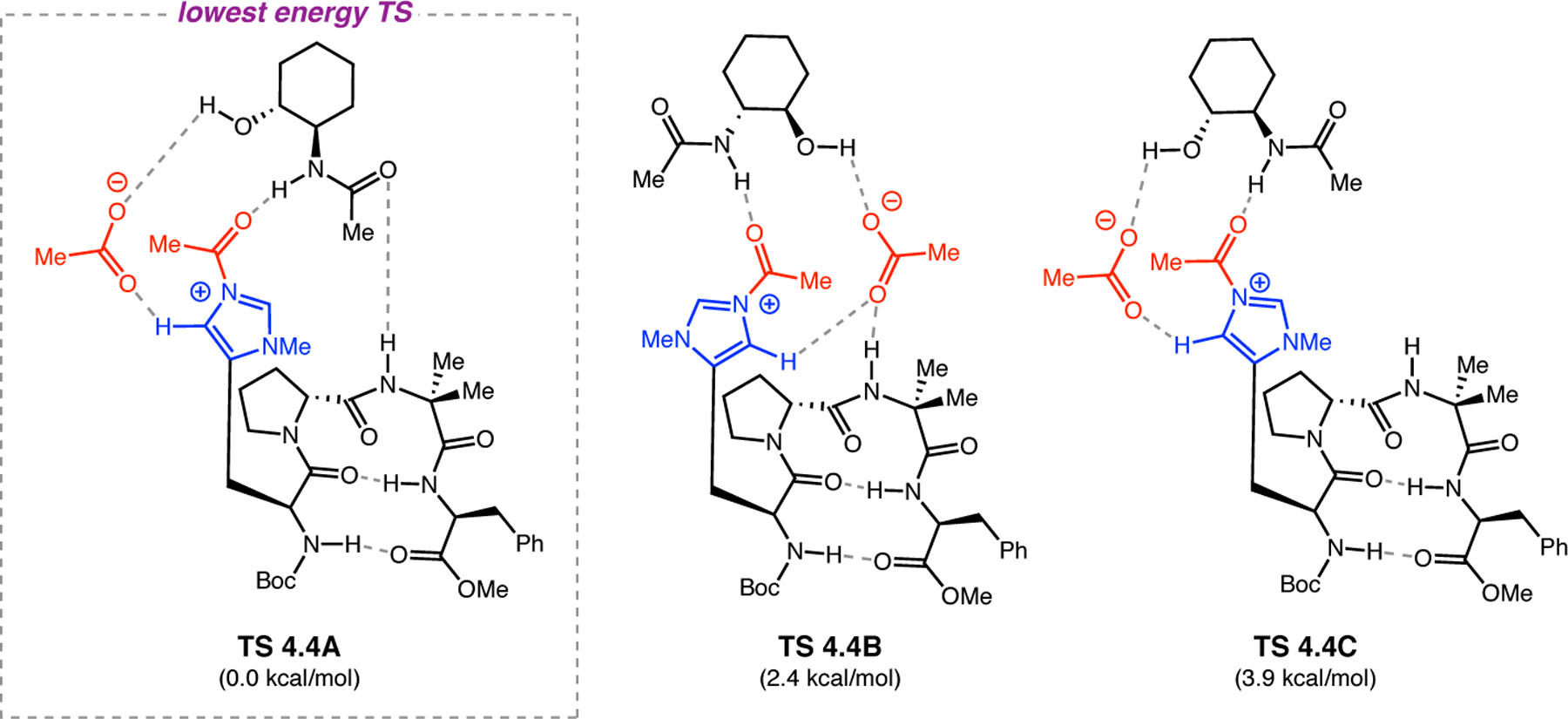
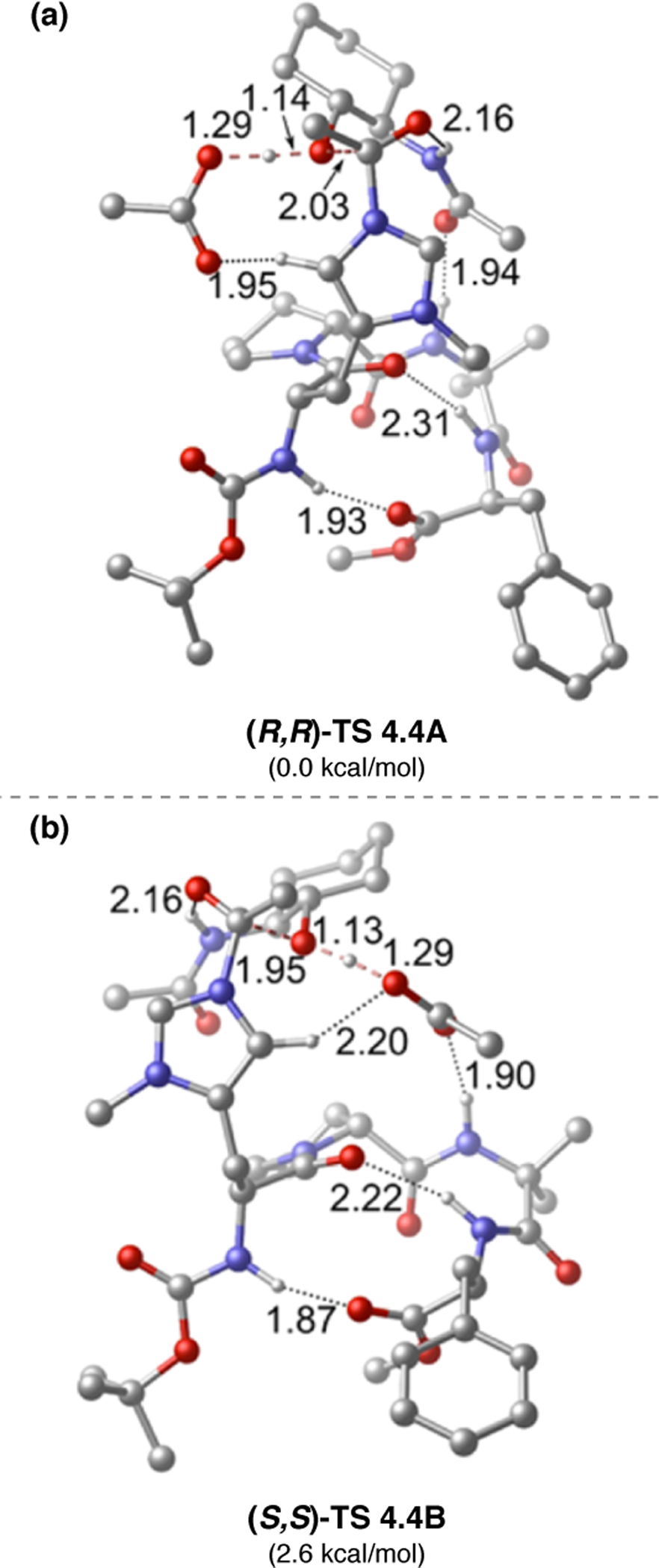
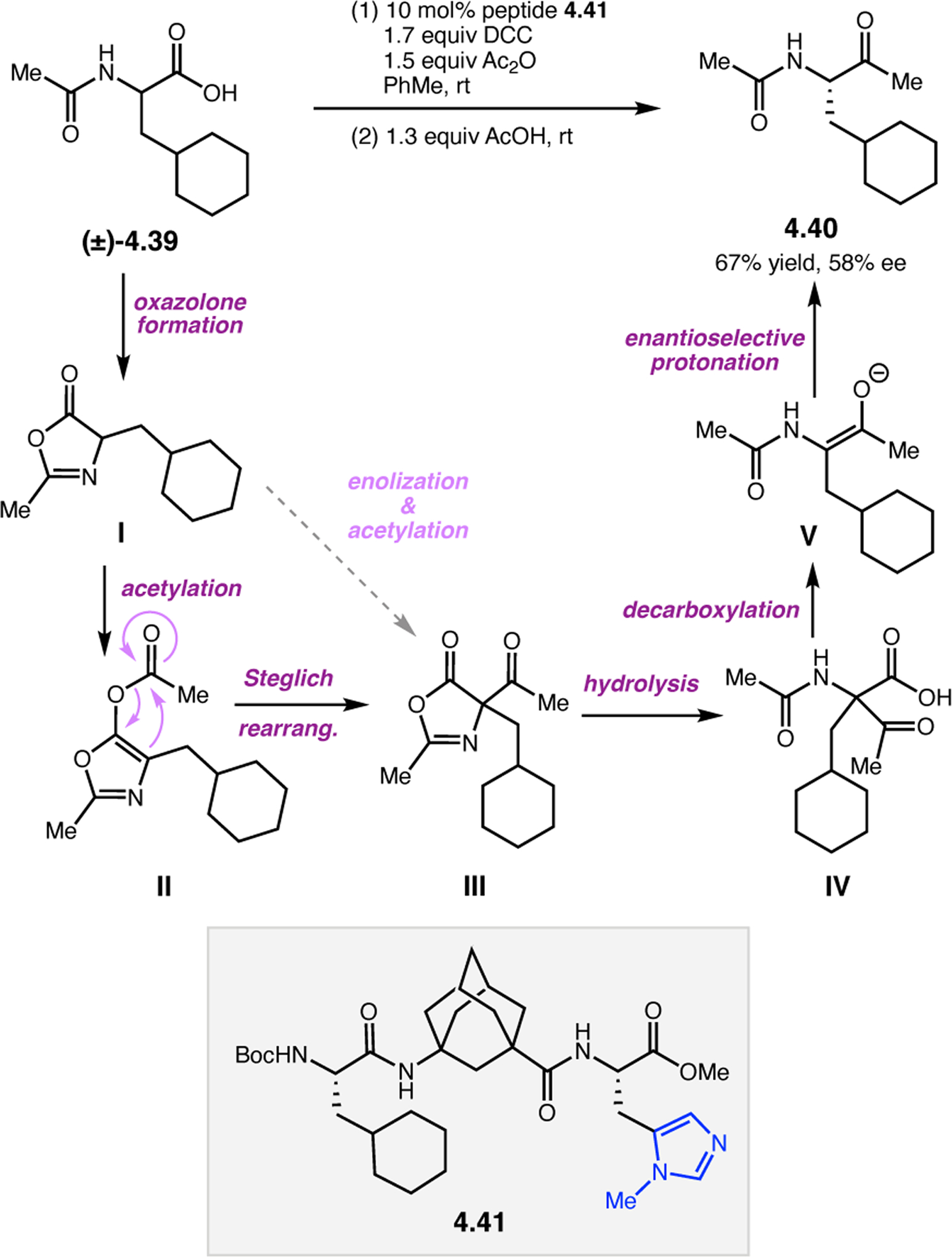
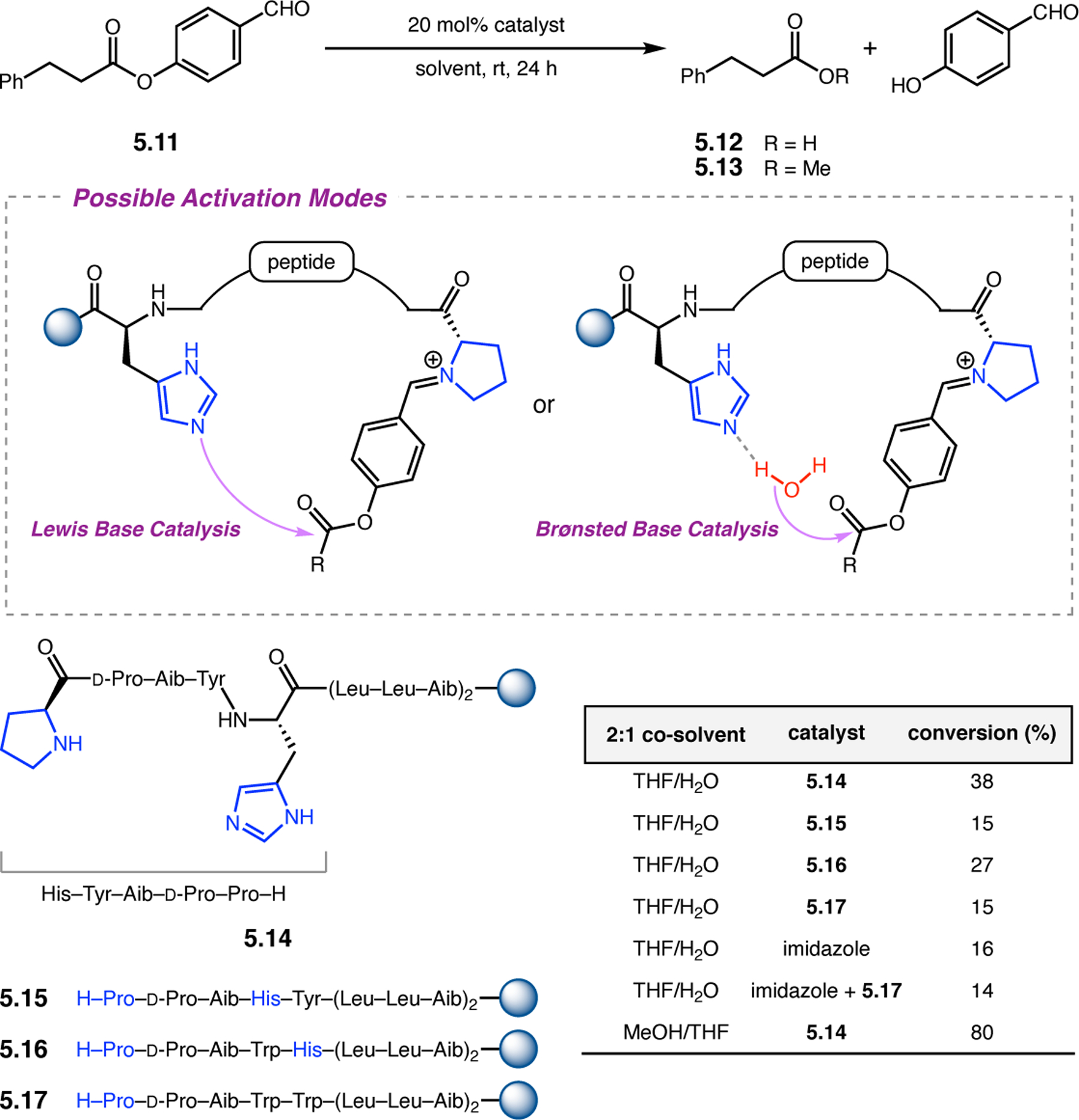
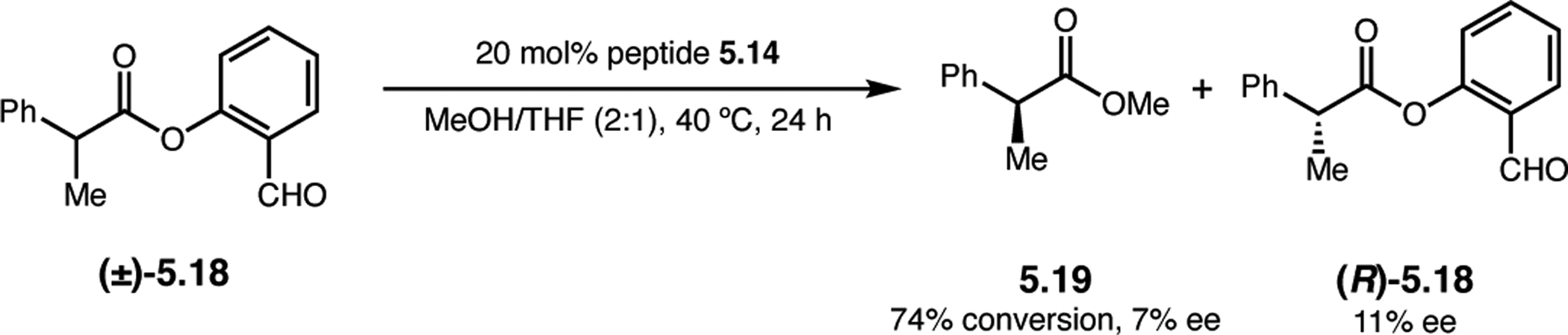
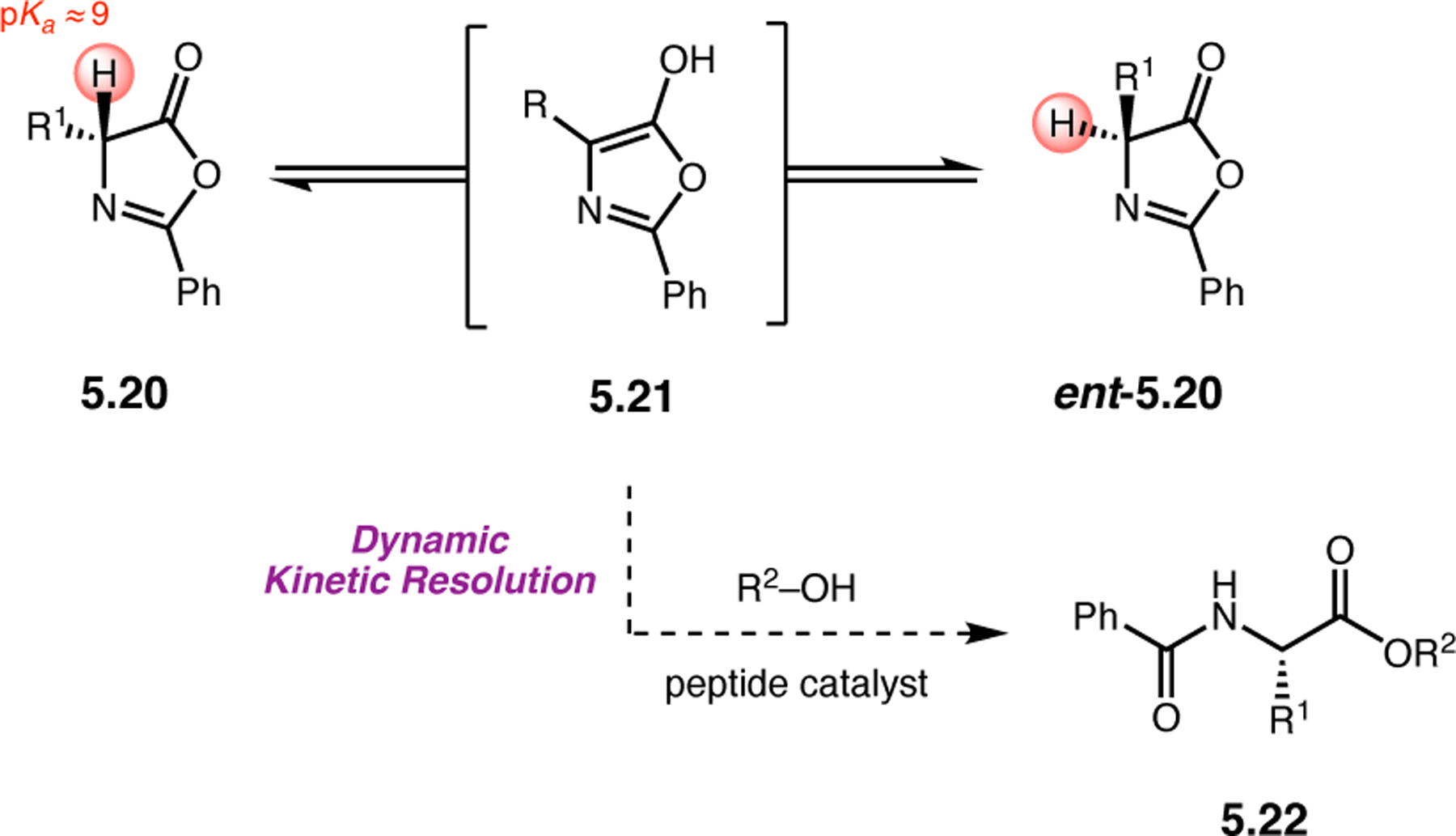
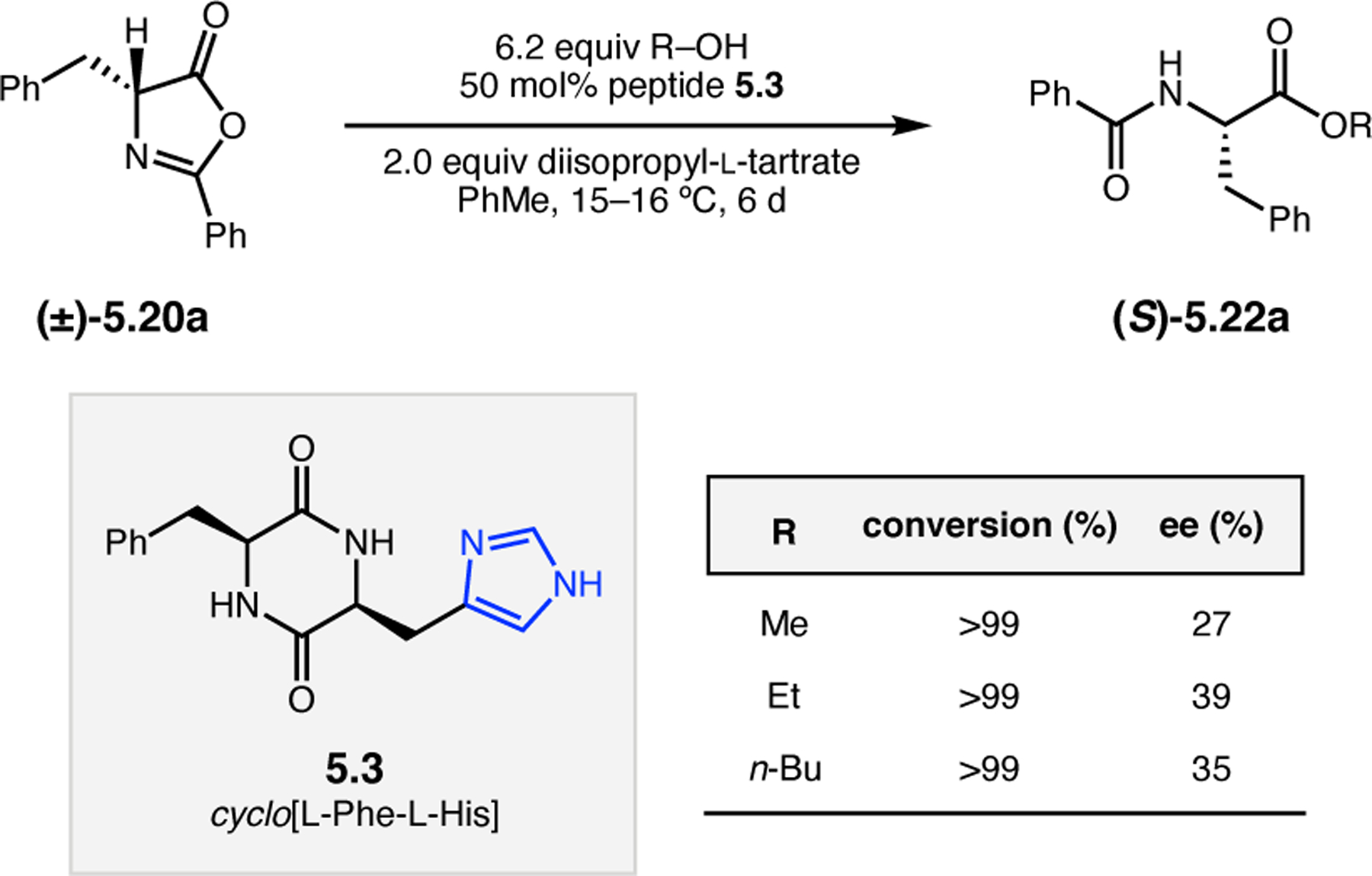
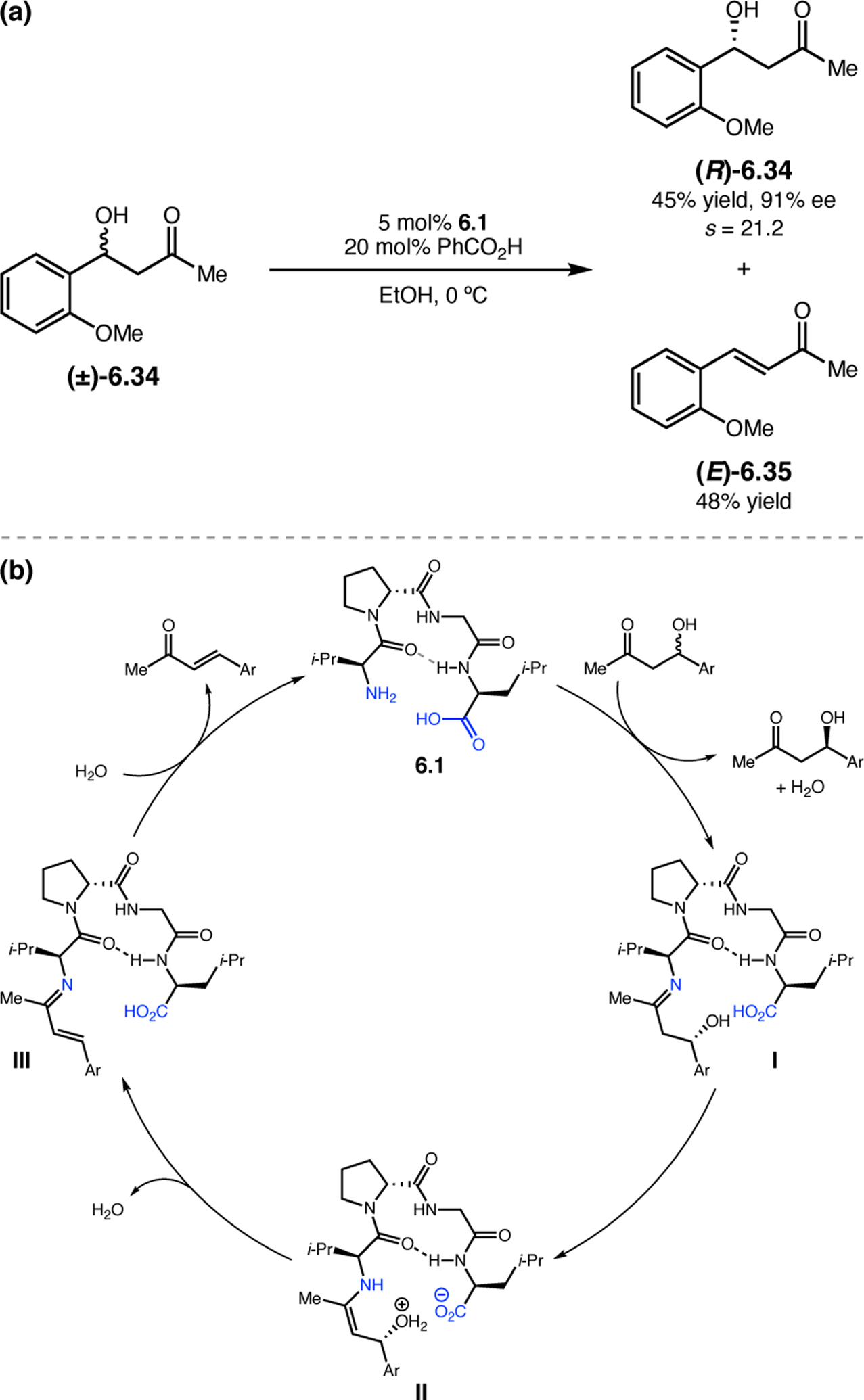
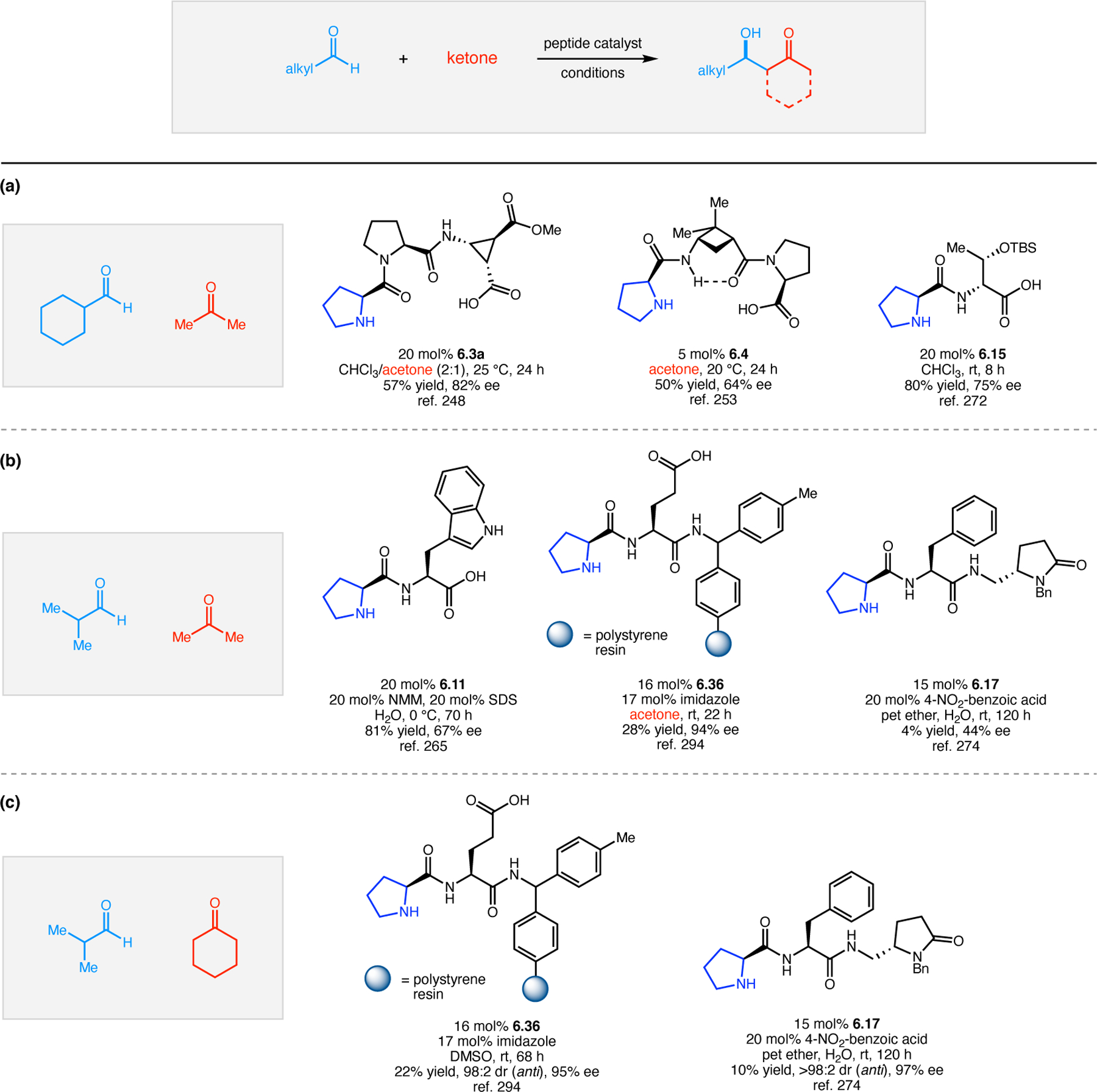
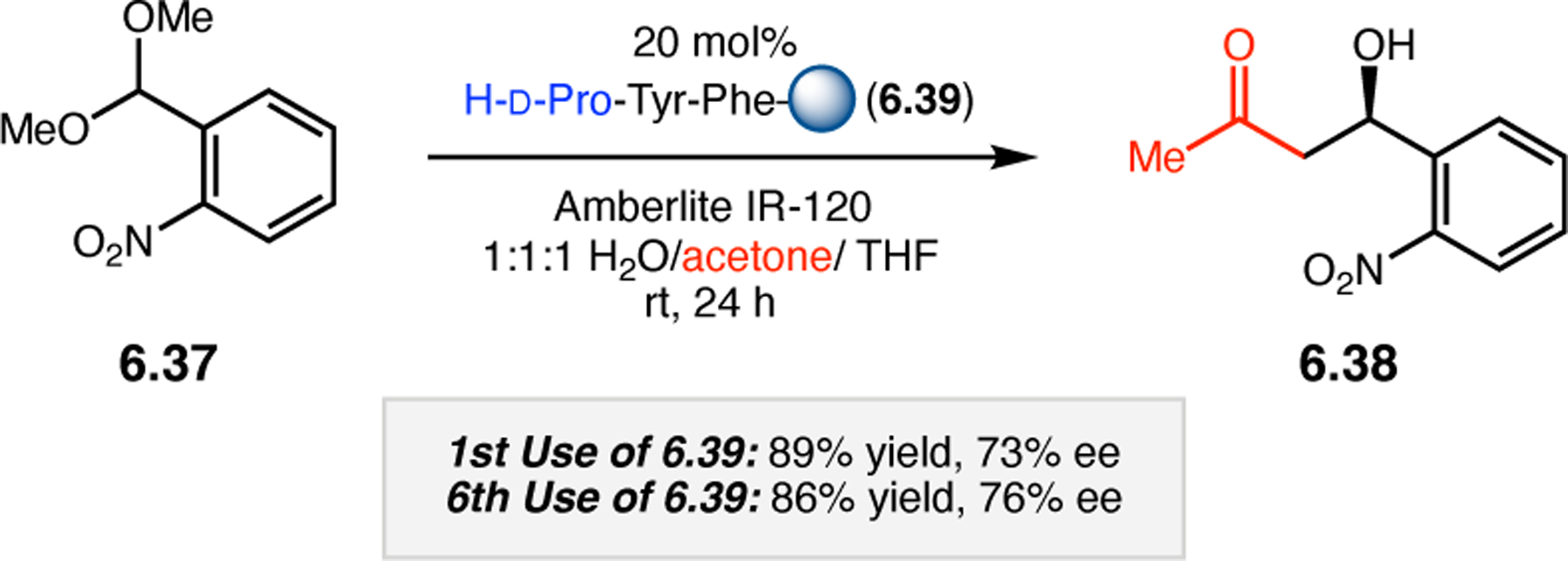
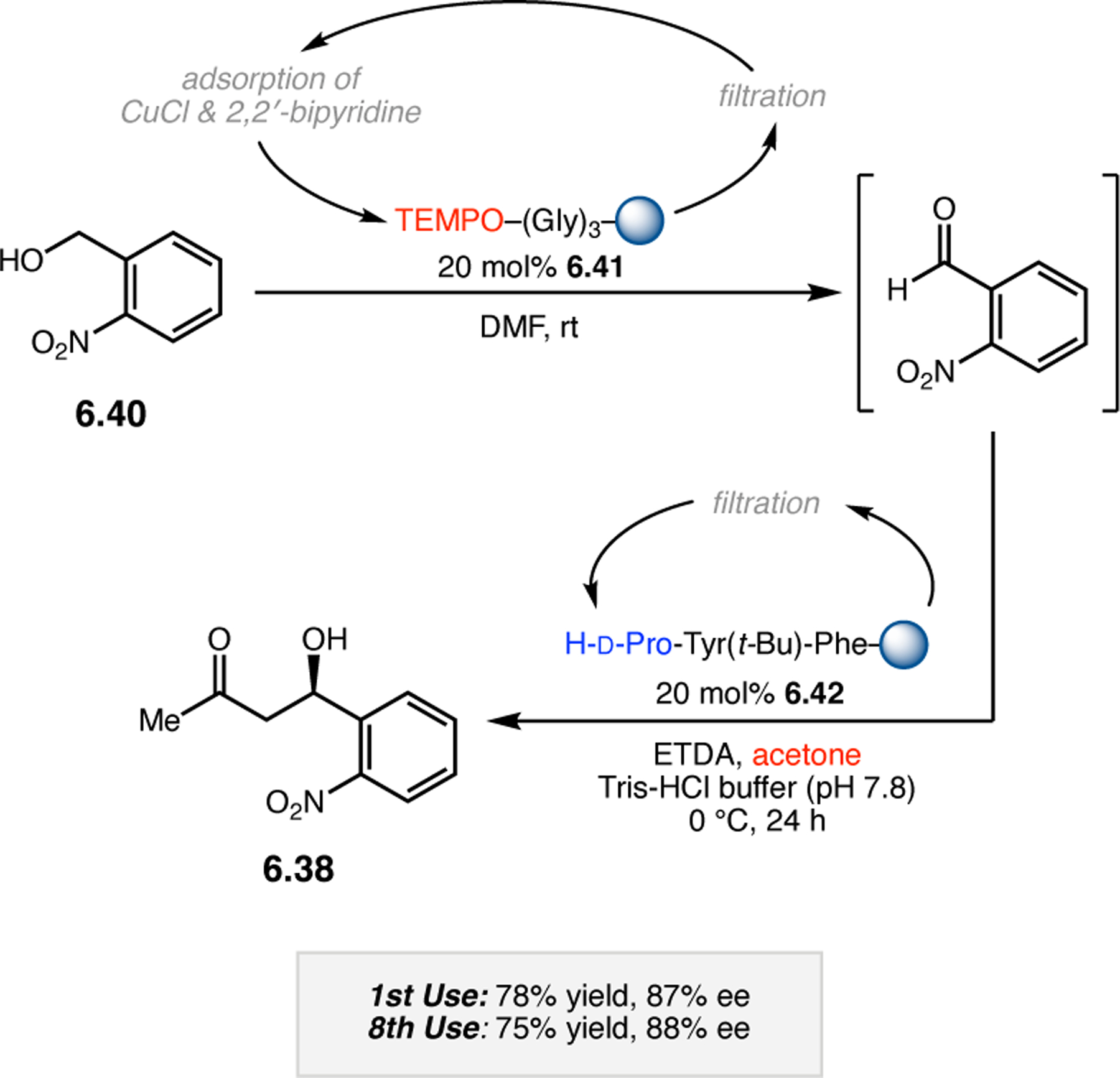
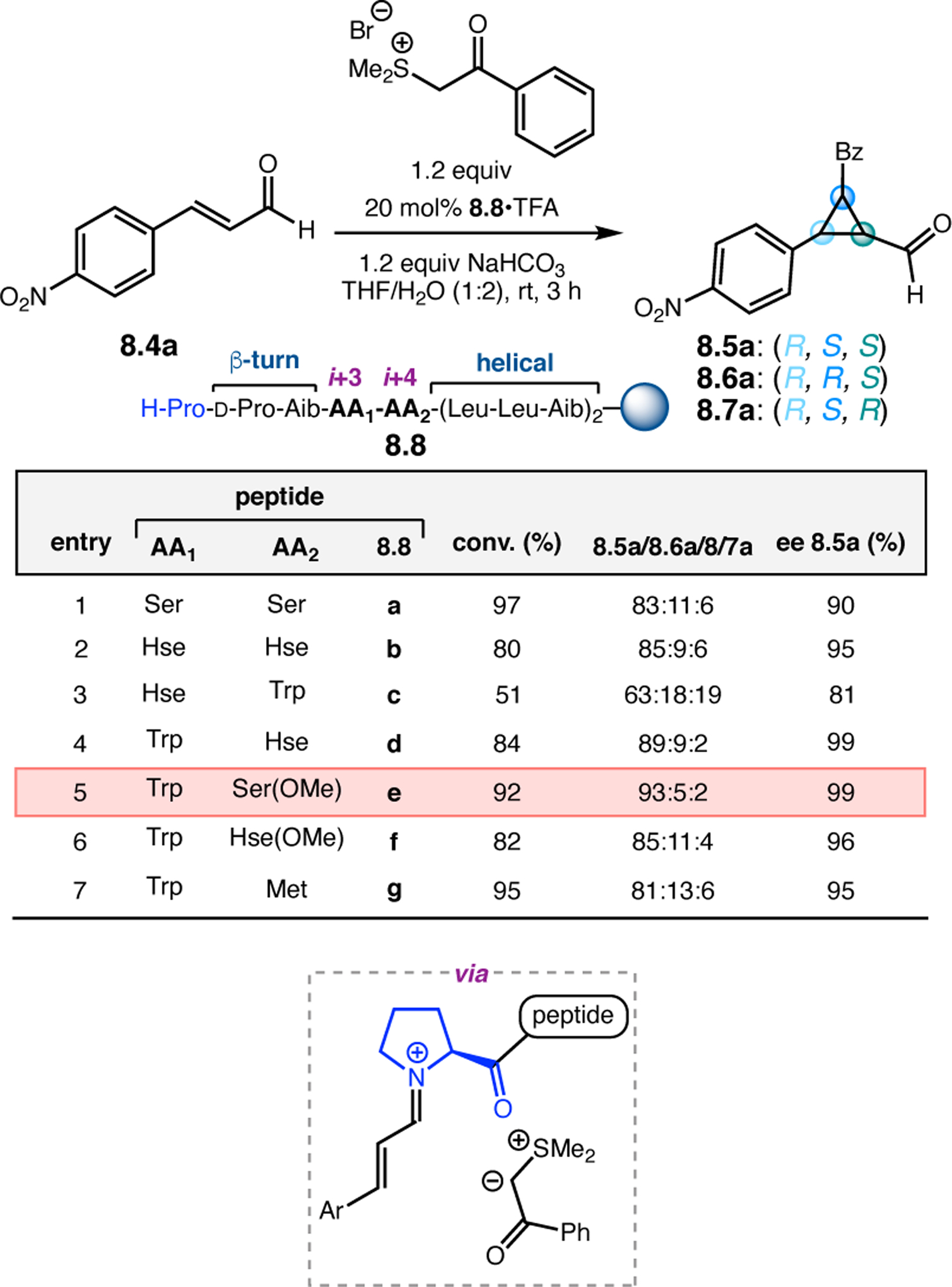
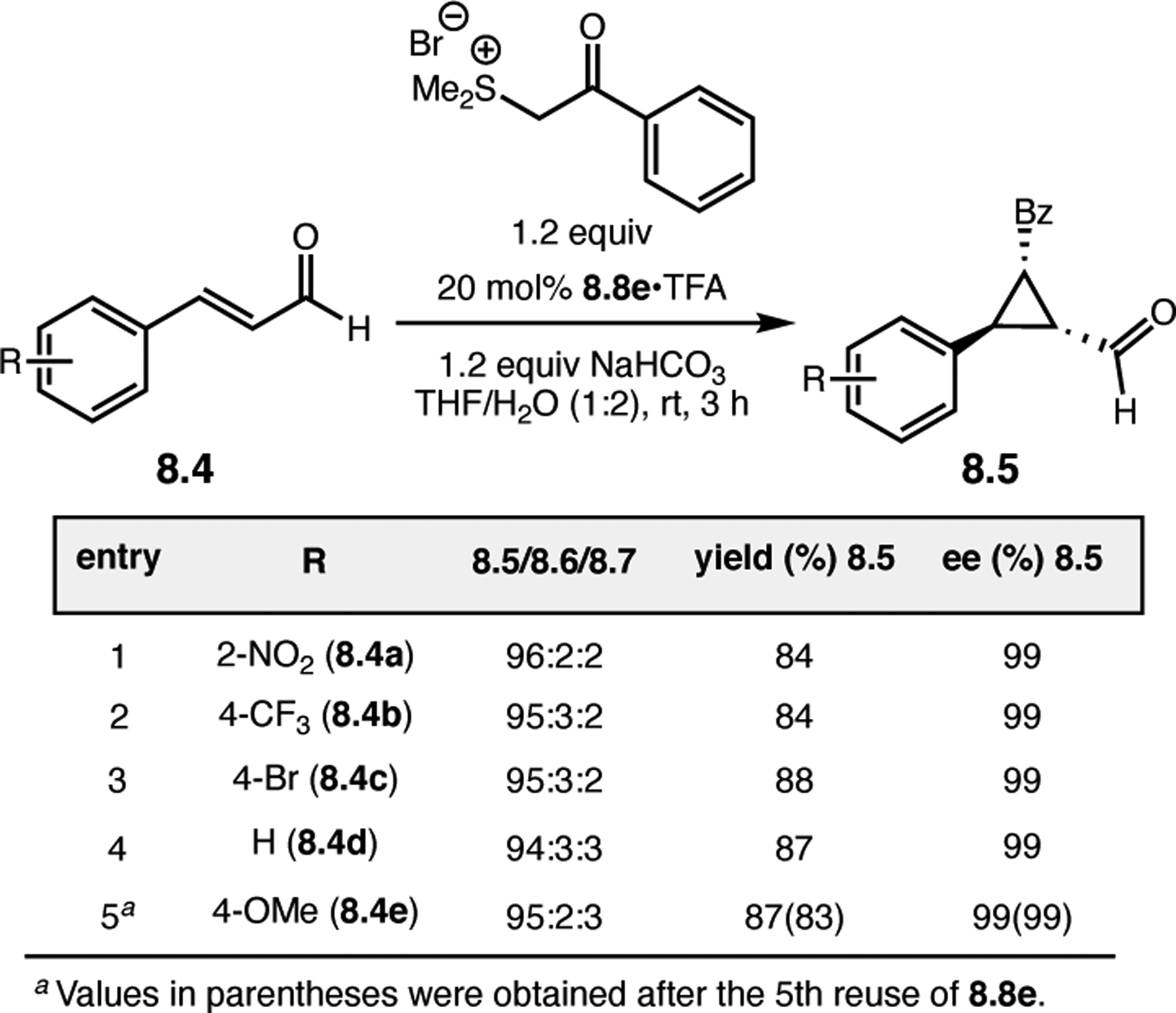
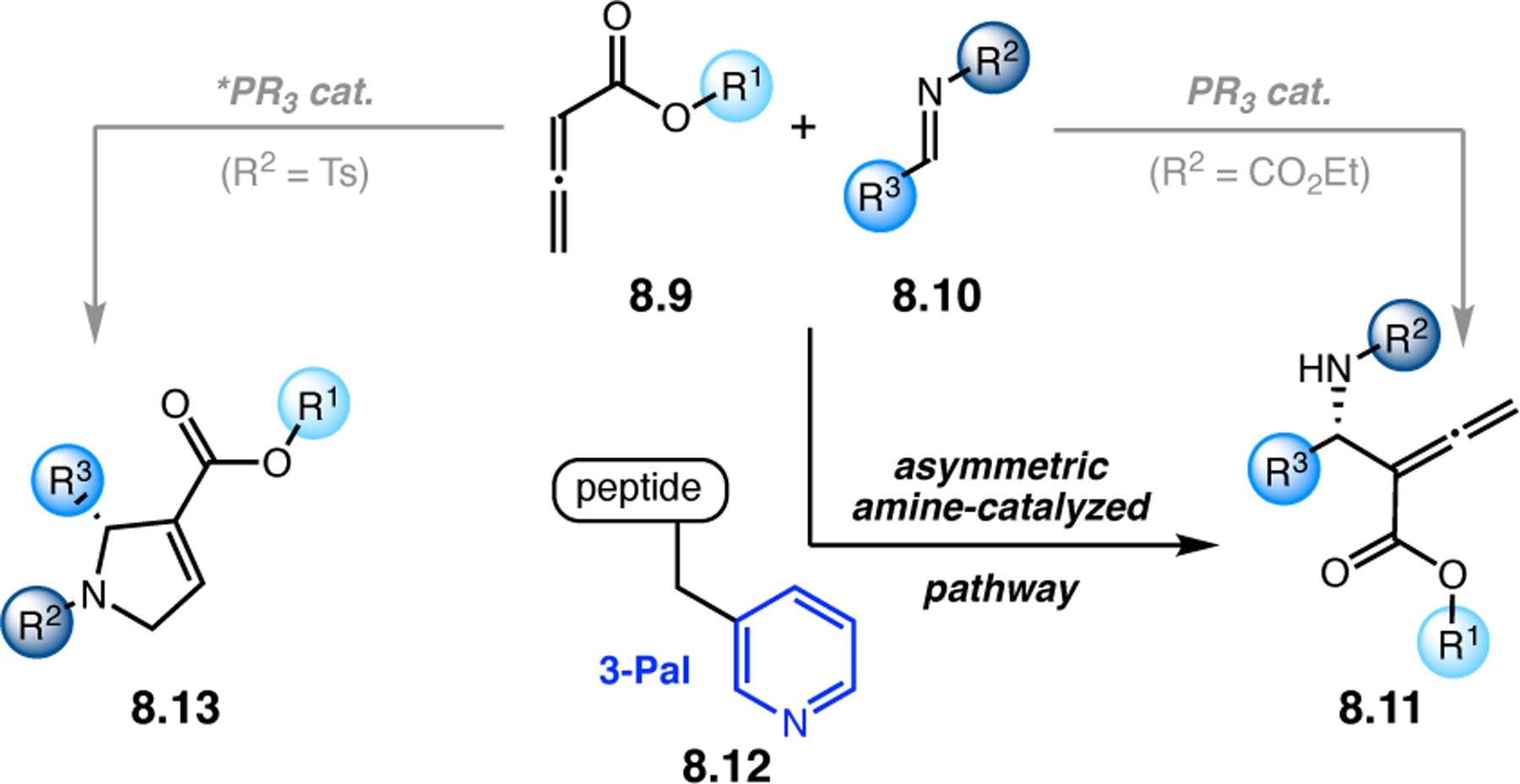
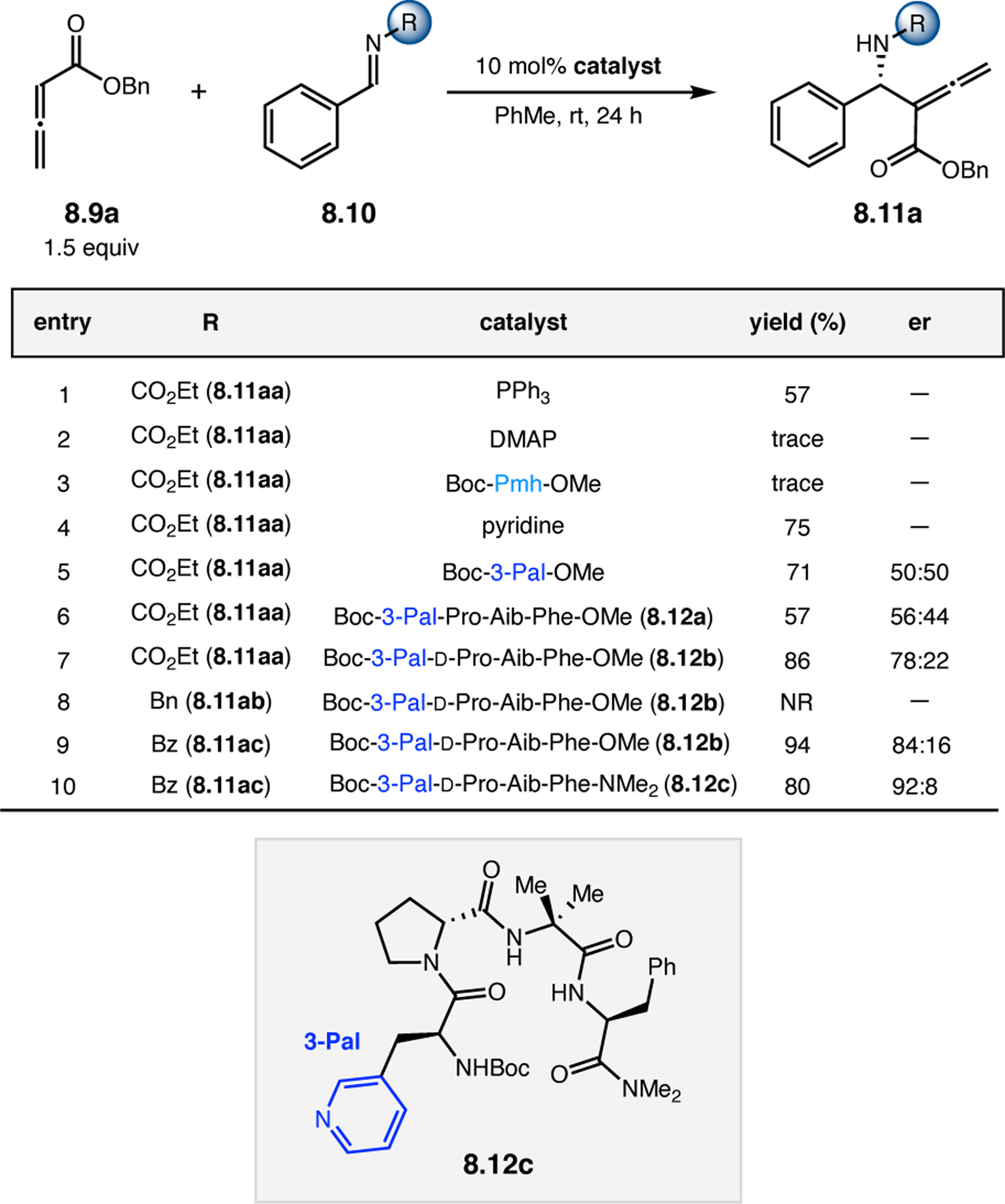
Low molecular weight synthetic peptides have been demonstrated to be effective catalysts for an increasingly wide array of asymmetric transformations. In many cases, these peptide-based catalysts have enabled novel multifunctional substrate activation modes and unprecedented selectivity manifolds. These features, along with their ease of preparation, modular and tunable structures, and often biomimetic attributes make peptides well-suited as chiral catalysts and of broad interest. Many examples of peptide-catalyzed asymmetric reactions have appeared in the literature since the last survey of this broad field in ( , 107, 5759-5812). The overarching goal of this new Review is to provide a comprehensive account of the numerous advances in the field. As a corollary to this goal, we survey the many different types of catalytic reactions, ranging from acylation to C-C bond formation, in which peptides have been successfully employed. In so doing, we devote significant discussion to the structural and mechanistic aspects of these reactions that are perhaps specific to peptide-based catalysts and their interactions with substrates and/or reagents.
已经证明,低分子量合成肽是越来越多的不对称转化的有效催化剂。在许多情况下,这些基于肽的催化剂能够实现新型多功能底物激活模式和前所未有的选择性。这些特征,以及它们易于制备、模块化和可调谐的结构,以及通常具有仿生特性,使得肽非常适合作为手性催化剂,并引起广泛关注。自上次对这一广泛领域进行调查(, 107, 5759-5812)以来,文献中已经出现了许多肽催化不对称反应的例子。本综述的总体目标是全面描述该领域的许多进展。作为这一目标的推论,我们调查了肽成功应用于的许多不同类型的催化反应,从酰化到 C-C 键形成。在这样做的过程中,我们对这些反应的结构和机制方面进行了大量讨论,这些方面可能是基于肽的催化剂及其与底物和/或试剂的相互作用所特有的。