Turrini Federica, Donno Dario, Beccaro Gabriele Loris, Pittaluga Anna, Grilli Massimo, Zunin Paola, Boggia Raffaella
Department of Pharmacy, University of Genoa, Viale Cembrano 4, 16148 Genoa, Italy.
Department of Agriculture, Forestry and Food Science, University of Torino, Largo Braccini 2, 10095 Grugliasco (TO), Italy.
Foods. 2020 Sep 23;9(10):1343. doi: 10.3390/foods9101343.
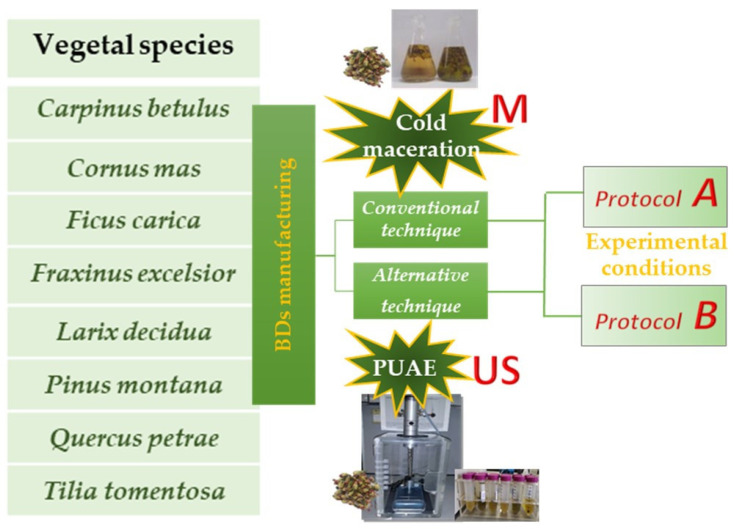
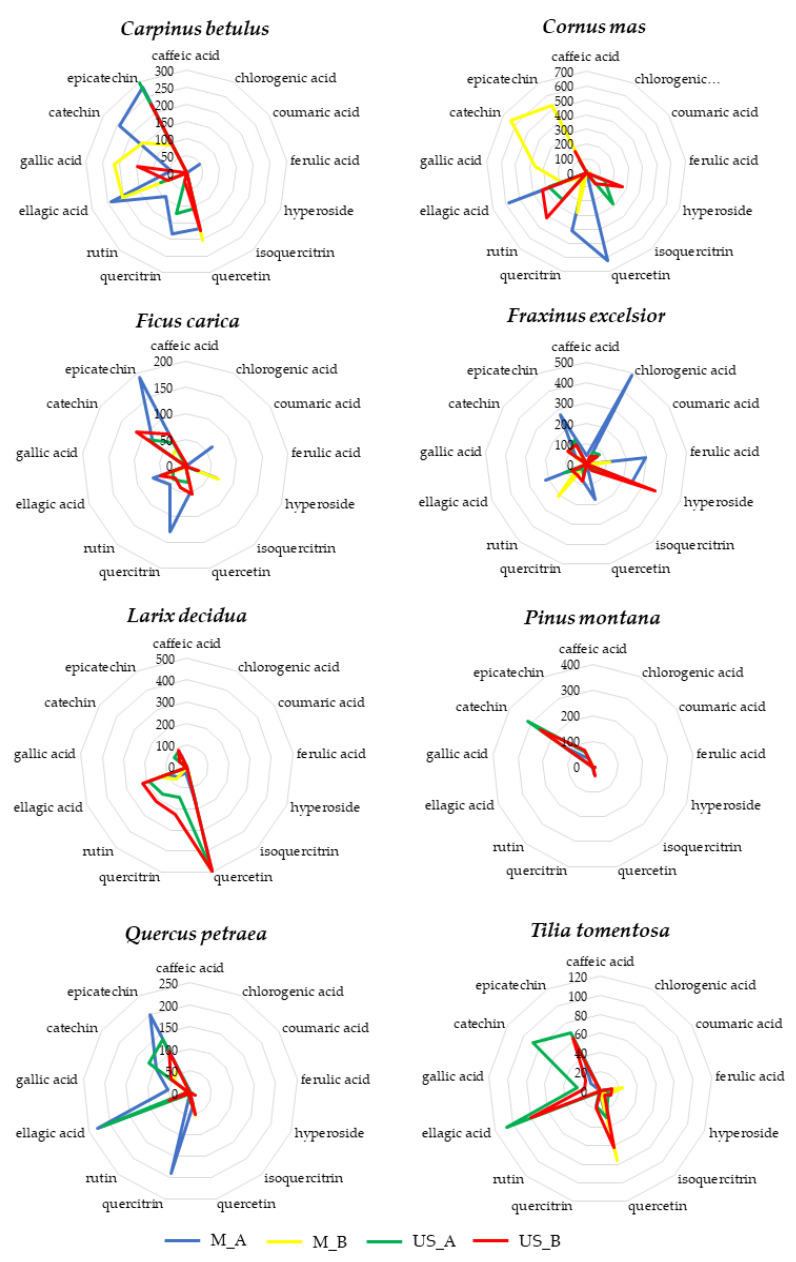
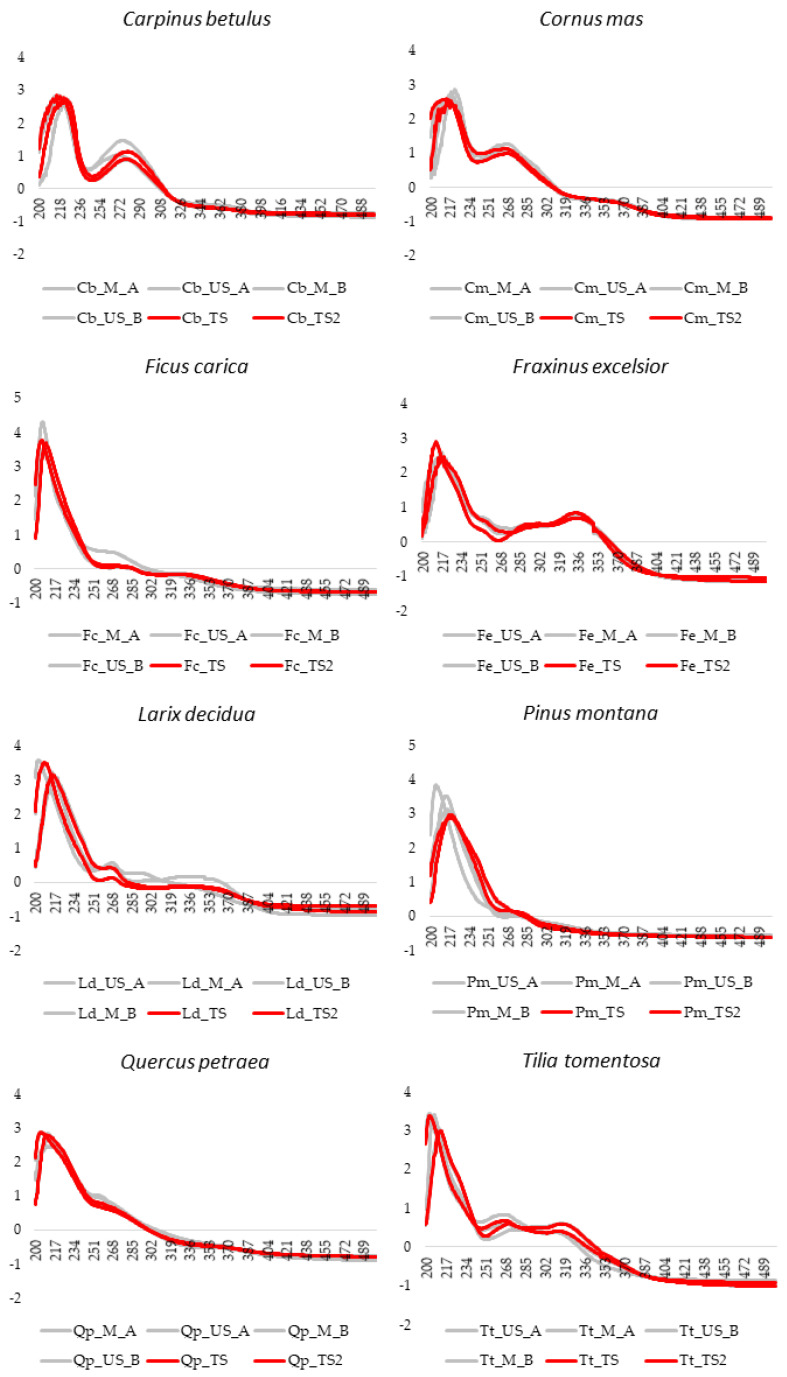
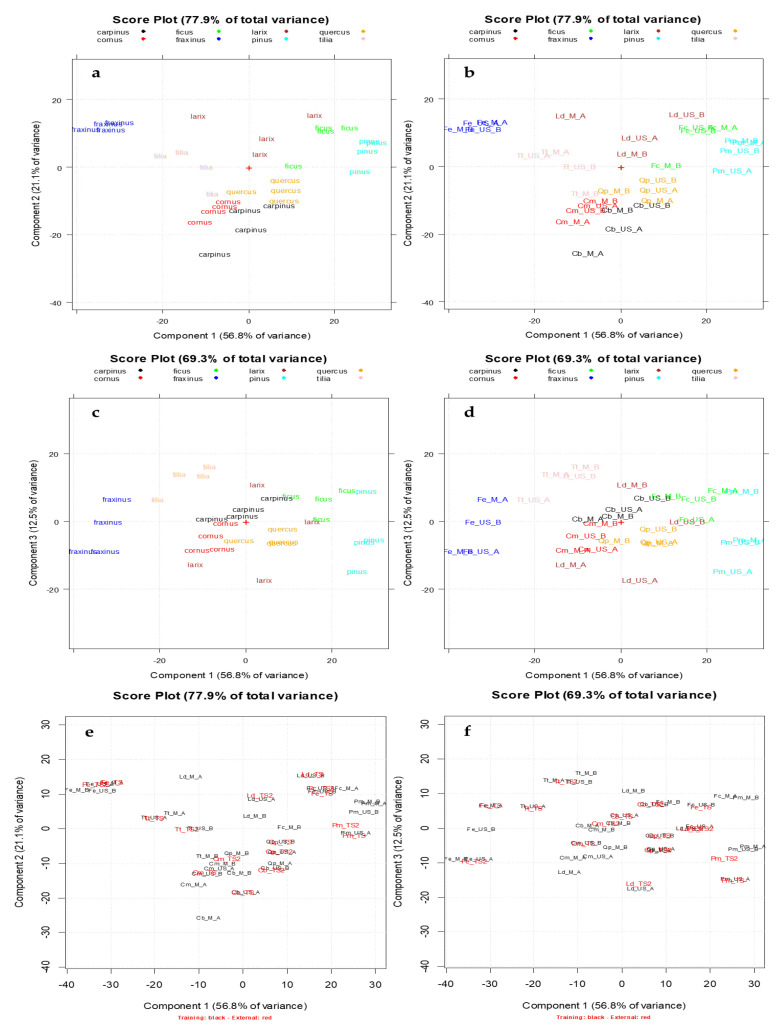
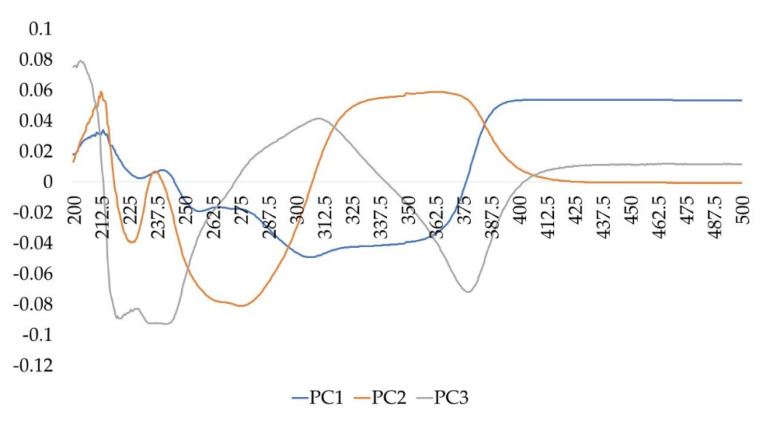
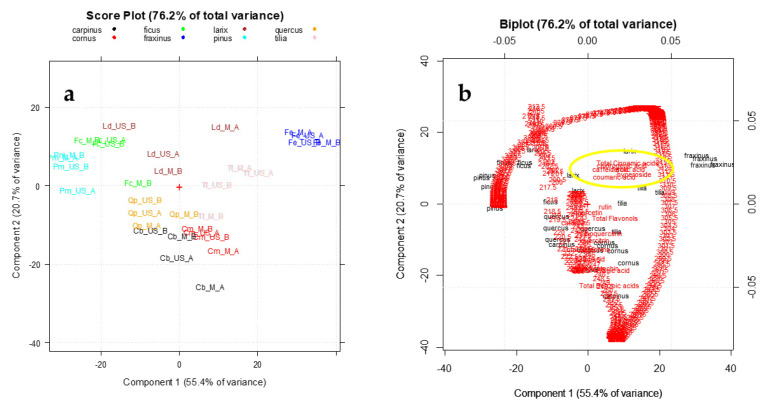
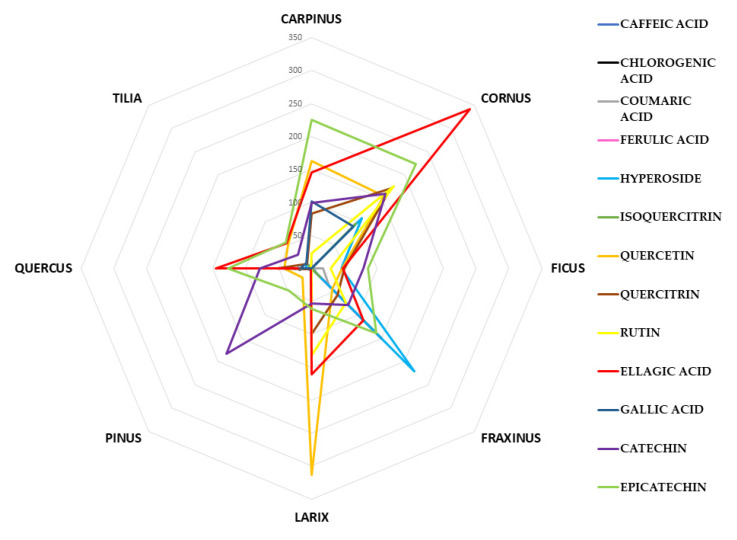
The use of herbal food supplements, as a concentrate form of vegetable extracts, increased so much over the past years to count them among the relevant sources of dietetic polyphenols. Bud-derivatives are a category of botanicals perceived as a "new entry" in this sector since they are still poorly studied. Due to the lack of a manufacturing process specification, very different products can be found on the market in terms of their polyphenolic profile depending on the experimental conditions of manufacturing. In this research two different manufacturing processes, using two different protocols, and eight species ( L., L., L., L., Mill., Mill., (Matt.) Liebl., Moench), commonly used to produce bud-derivatives, have been considered as a case study. An untargeted spectroscopic fingerprint of the extracts, coupled to chemometrics, provide to be a useful tool to identify these botanicals. The targeted phytochemical fingerprint by HPLC provided a screening of the main bud-derivatives polyphenolic classes highlighting a high variability depending on both method and protocol used. Nevertheless, ultrasonic extraction proved to be less sensitive to the different extraction protocols than conventional maceration regarding the extract polyphenolic profile.
作为植物提取物浓缩形式的草药食品补充剂的使用在过去几年中大幅增加,以至于它们被视为饮食中多酚的相关来源之一。芽衍生物是这一领域中被视为“新成员”的一类植物,因为对它们的研究仍然很少。由于缺乏制造工艺规范,根据制造的实验条件,市场上可以找到多酚谱差异很大的产品。在本研究中,使用两种不同方案的两种不同制造工艺以及常用于生产芽衍生物的八个物种(L.、L.、L.、L.、Mill.、Mill.、(Matt.) Liebl.、Moench)被作为案例研究。提取物的非靶向光谱指纹图谱与化学计量学相结合,被证明是识别这些植物的有用工具。通过HPLC进行的靶向植物化学指纹图谱筛选了主要的芽衍生物多酚类,结果表明其高度可变,这取决于所使用的方法和方案。然而,就提取物的多酚谱而言,超声提取被证明比传统浸渍对不同提取方案的敏感性更低。