Department of Chemistry and Industrial Chemistry, University of Genoa, Via Dodecaneso 31, 16146, Genoa, Italy.
Paul Scherrer Institut, Forschungsstrasse 111, Villigen, 5303, Switzerland.
Sci Rep. 2023 Oct 16;13(1):17544. doi: 10.1038/s41598-023-44398-8.
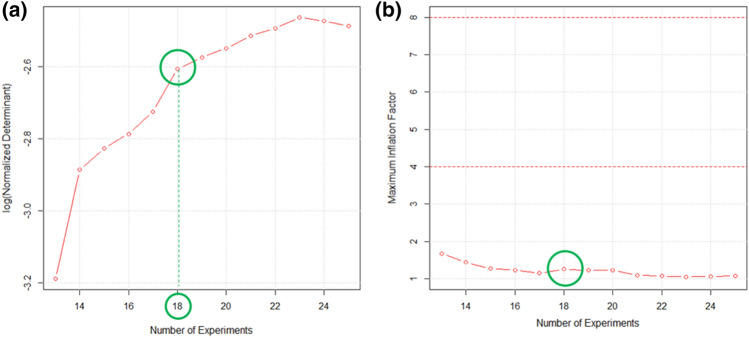
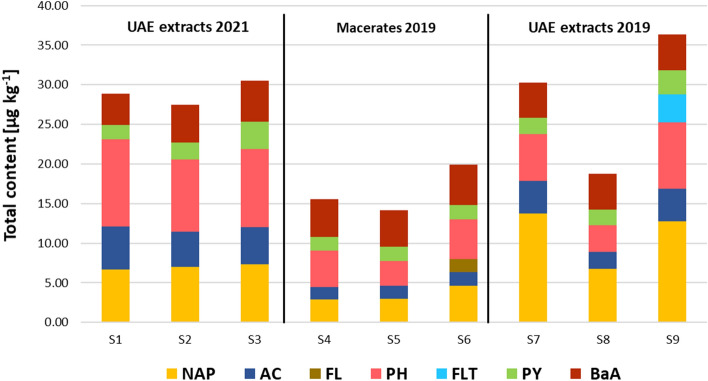
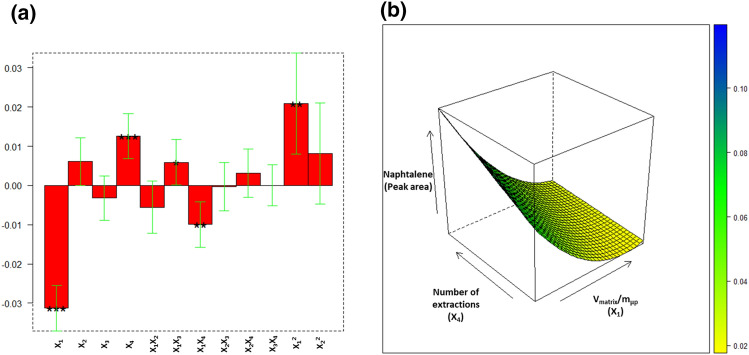
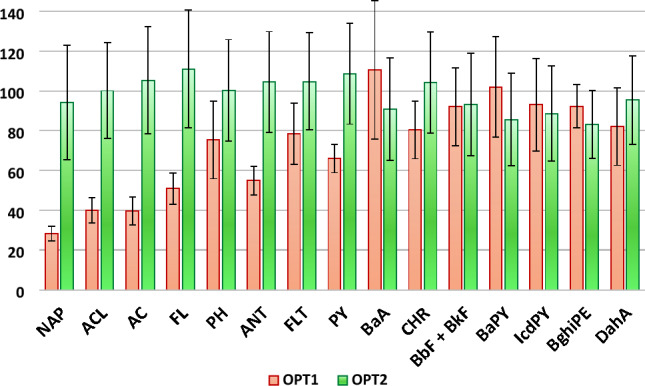
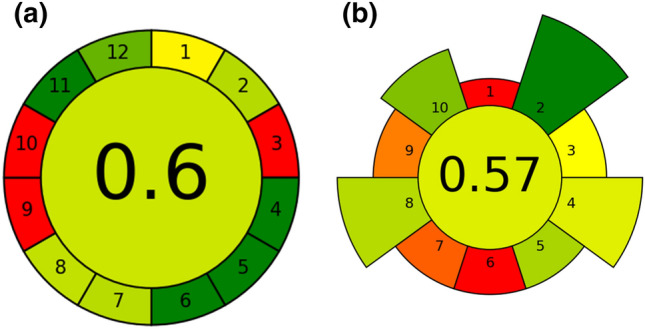
Within the world of natural food supplements, organic extracts deriving from young plant meristematic tissue (bud-derivatives) are becoming attractive, thanks to their richness in bioactive molecules. This natural source is scarce, but every year, tons of plant material, including buds, come from city pruning. If this sustainable source is rather promising from a circular economy point of view, the safety of the obtained supplements must be assessed. In fact, anthropic microcontaminants, such as polycyclic aromatic hydrocarbons (PAHs), could adsorb onto the urban buds, leading to a possible contamination of the bud-derivatives. In this study, we developed a magnetic dispersive solid phase extraction (m-dSPE) based on molecularly imprinted microparticles, combined with GC-MS, to quantify the 16 priority PAHs in such extracts. The D-optimal experimental design was implemented to maximize analytes' recovery with the smallest set of experiments. The optimized method was characterized by great selectivity thanks to the molecular imprinted polymer and ease of use provided by m-dSPE. Moreover, it complies with green principles, thanks to the minimum consumption of organic solvent (1.5 mL of acetone per sample). The recoveries ranged from 76 to 100% and procedural precision was below 10% for most PAHs. Despite the matrix complexity, low quantification limits (0.7-12.6 μg kg) were reached. This guaranteed the PAHs' quantitation at levels below those indicated as safe by a European Community regulation on food supplements. None of the analyzed samples, coming from different anthropically impacted areas, showed concerning PAHs levels.
在天然食品补充剂领域,由于富含生物活性分子,源自植物分生组织(芽衍生)的有机提取物正变得越来越受欢迎。这种天然资源稀缺,但每年都有大量的植物材料,包括芽,来自城市修剪。如果从循环经济的角度来看,这种可持续的资源很有前景,那么获得的补充剂的安全性必须得到评估。事实上,人为的微量污染物,如多环芳烃(PAHs),可能会吸附在城市芽上,导致芽衍生产品可能受到污染。在这项研究中,我们开发了一种基于分子印迹微球的磁性分散固相萃取(m-dSPE),结合 GC-MS 定量分析了这些提取物中的 16 种优先 PAHs。实施 D-最优实验设计以用最小的实验次数最大限度地提高分析物的回收率。该优化方法具有很大的选择性,这要归功于分子印迹聚合物,并且 m-dSPE 易于使用。此外,由于有机溶剂的最小消耗(每个样品 1.5 毫升丙酮),它符合绿色原则。回收率在 76%至 100%之间,大多数 PAHs 的程序精密度低于 10%。尽管基质复杂,但仍达到了低定量限(0.7-12.6μgkg)。这保证了在欧洲共同体关于食品补充剂的法规规定的安全水平以下对 PAHs 进行定量分析。来自不同人为影响地区的分析样本均未显示出令人担忧的 PAHs 水平。