Center for Immunology and Inflammatory Diseases, Division of Rheumatology, Allergy and Immunology, Massachusetts General Hospital, Harvard Medical School, Boston, MA, USA.
Division of Pulmonary and Critical Care Medicine, Massachusetts General Hospital, Harvard Medical School, Boston, MA, USA.
Nat Immunol. 2020 Nov;21(11):1371-1383. doi: 10.1038/s41590-020-0785-3. Epub 2020 Sep 28.
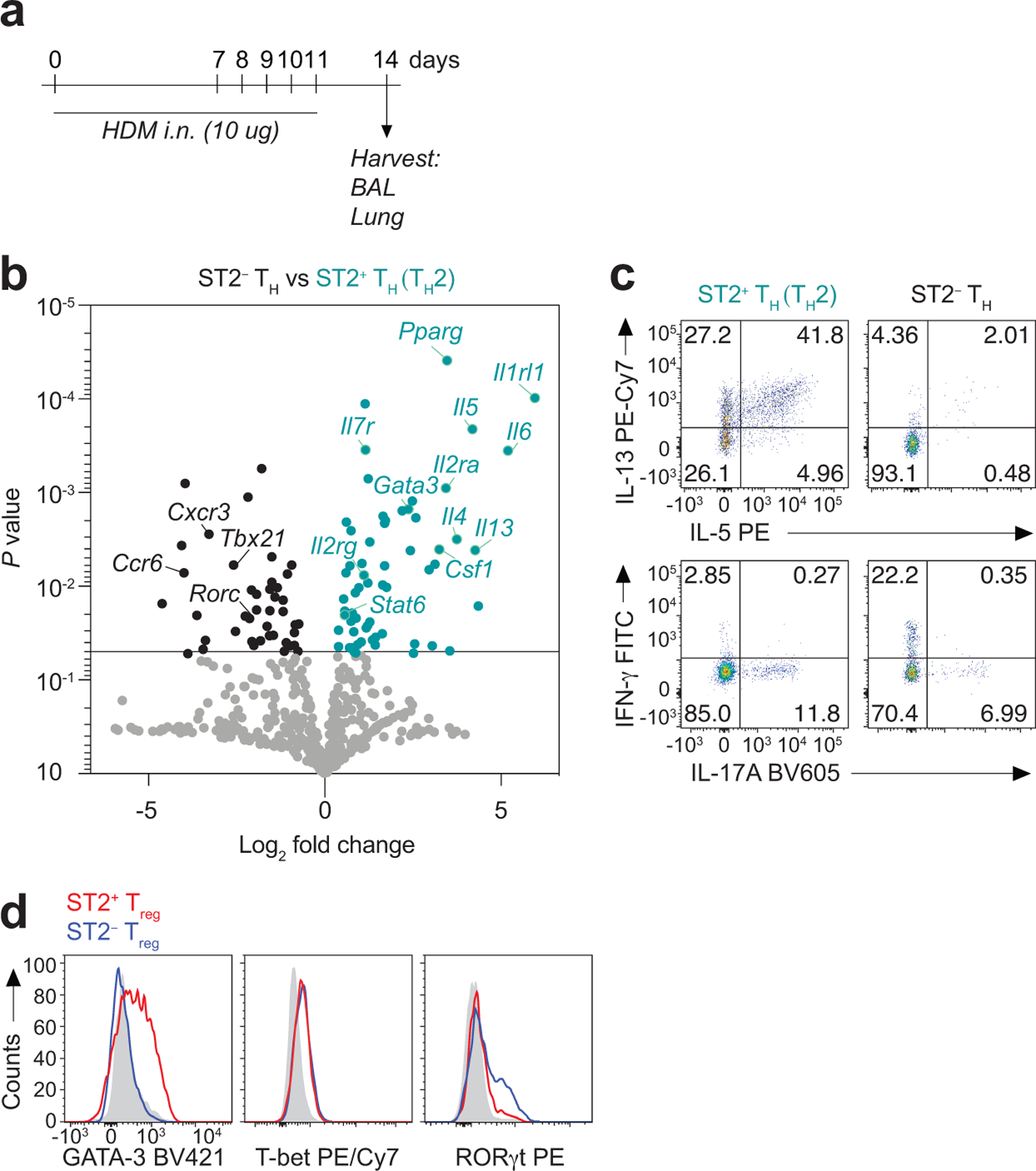
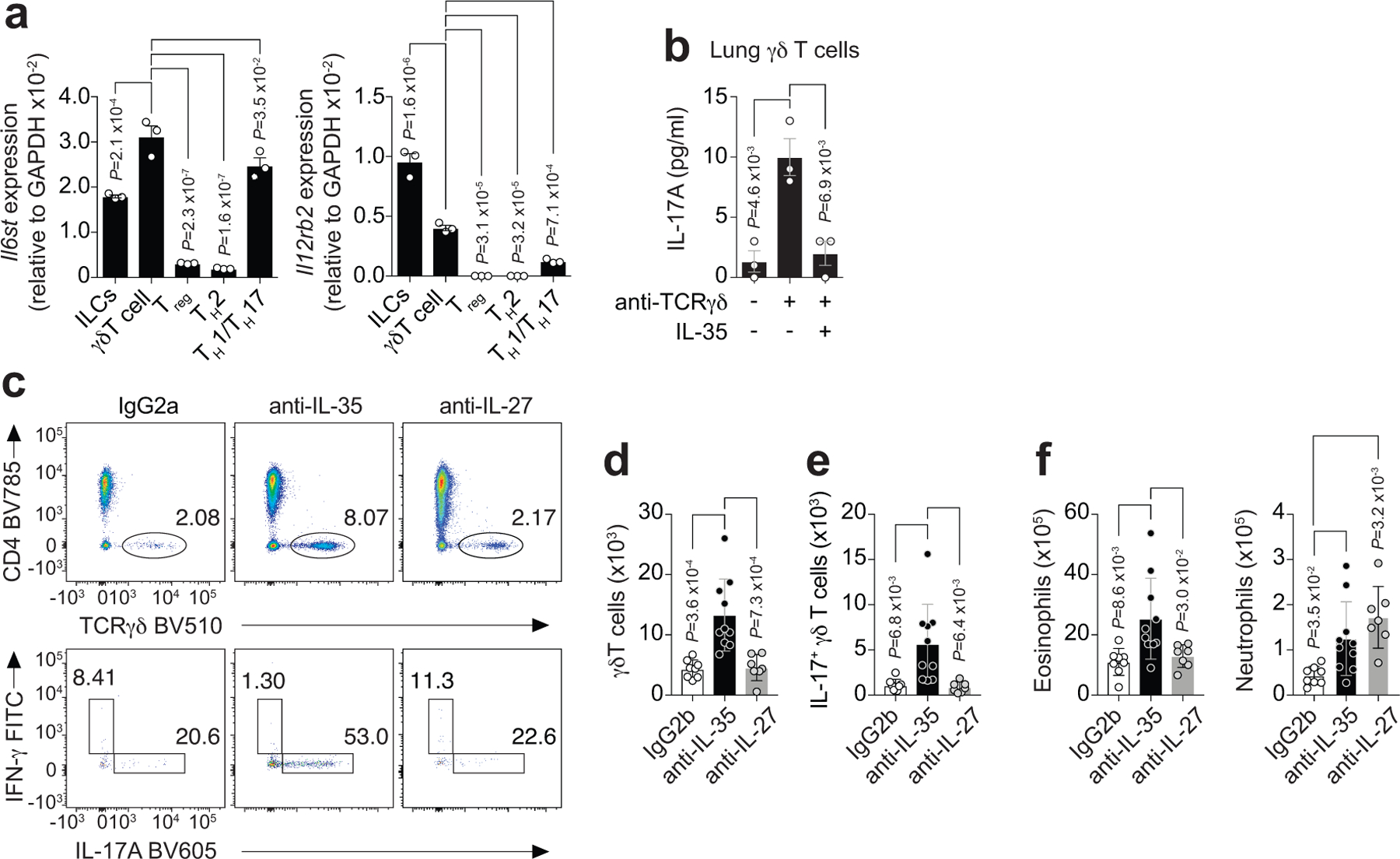
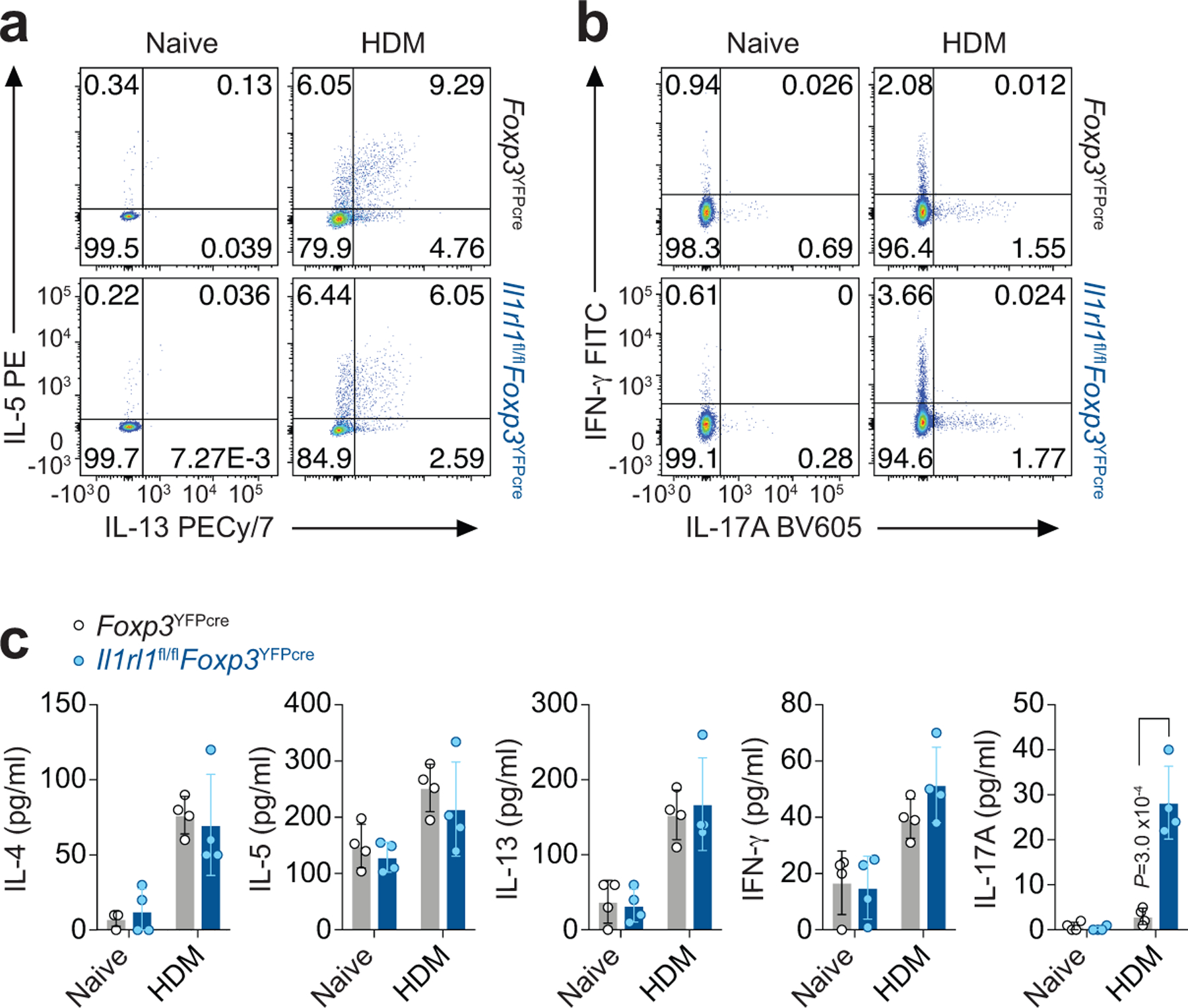
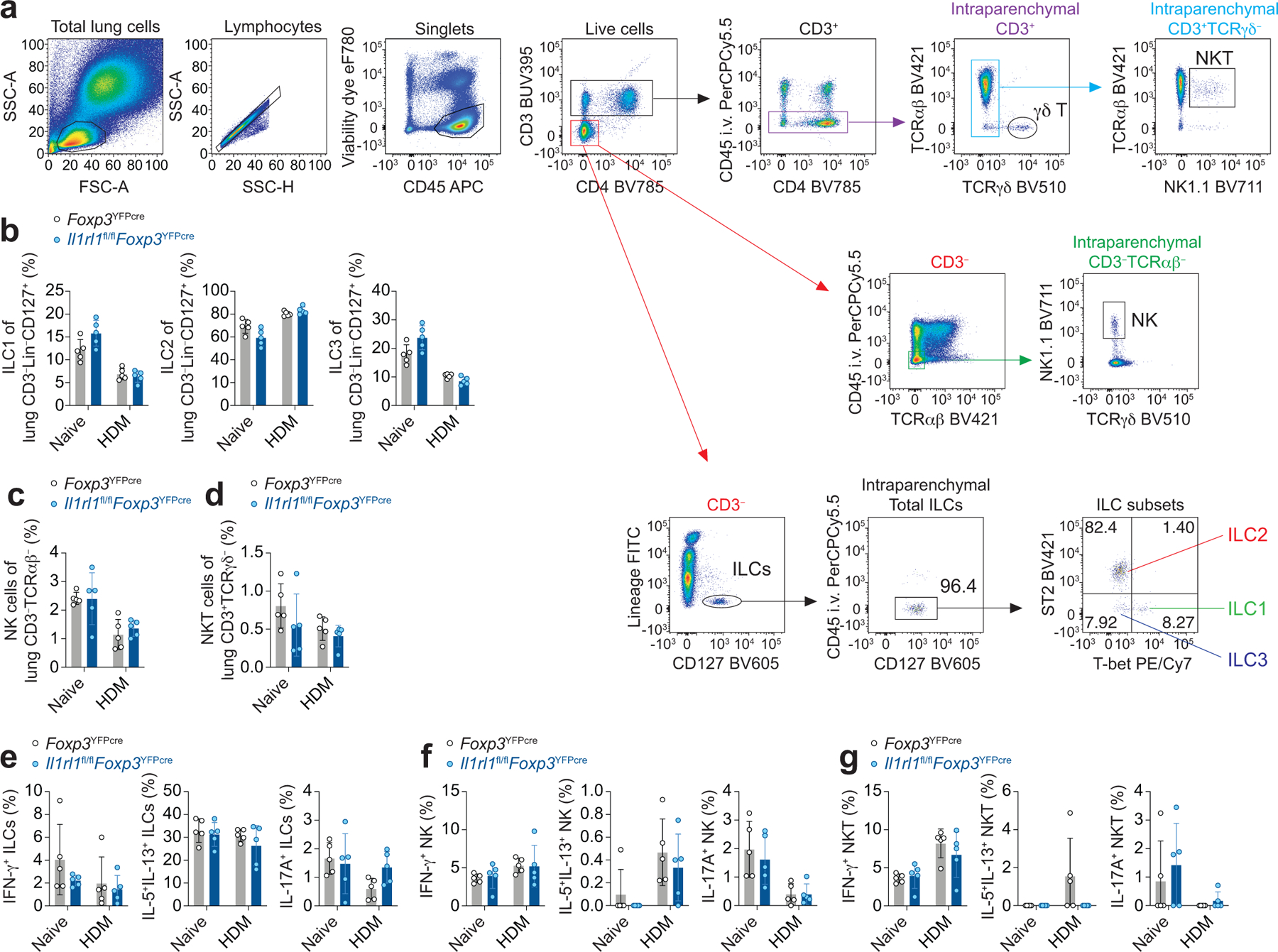
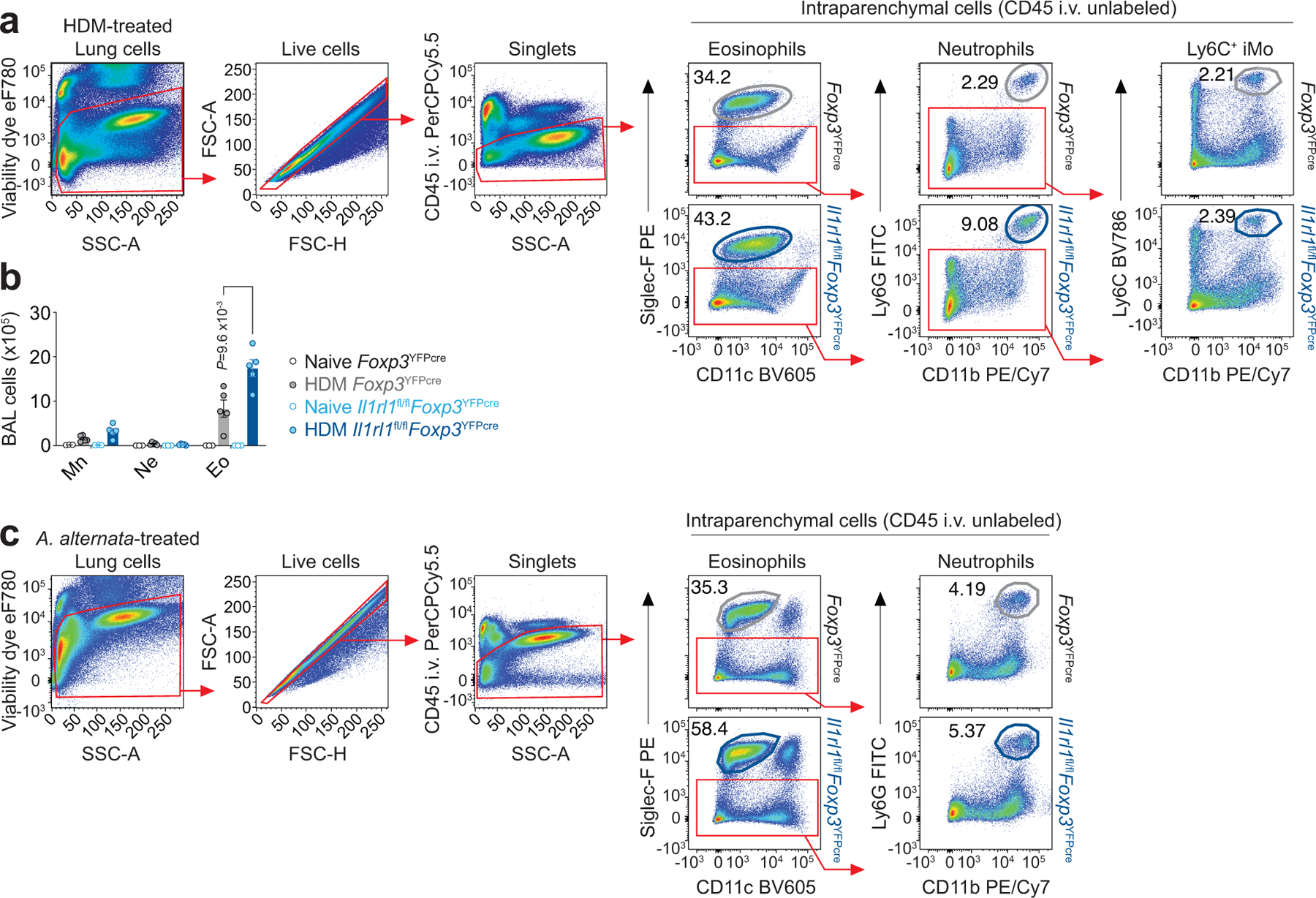
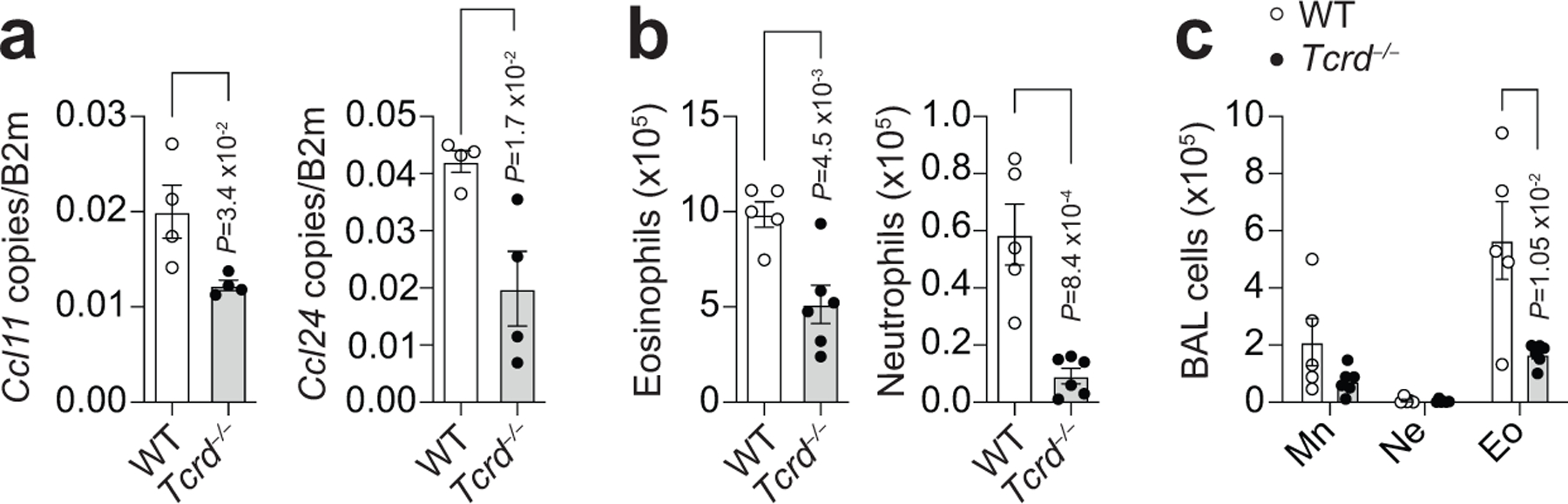
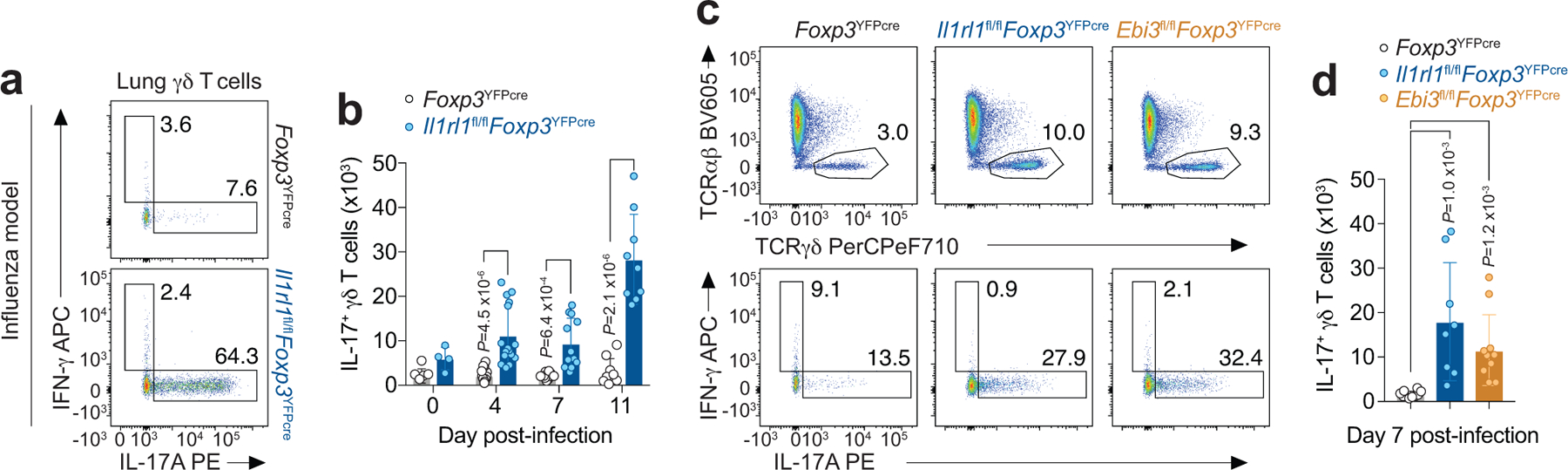
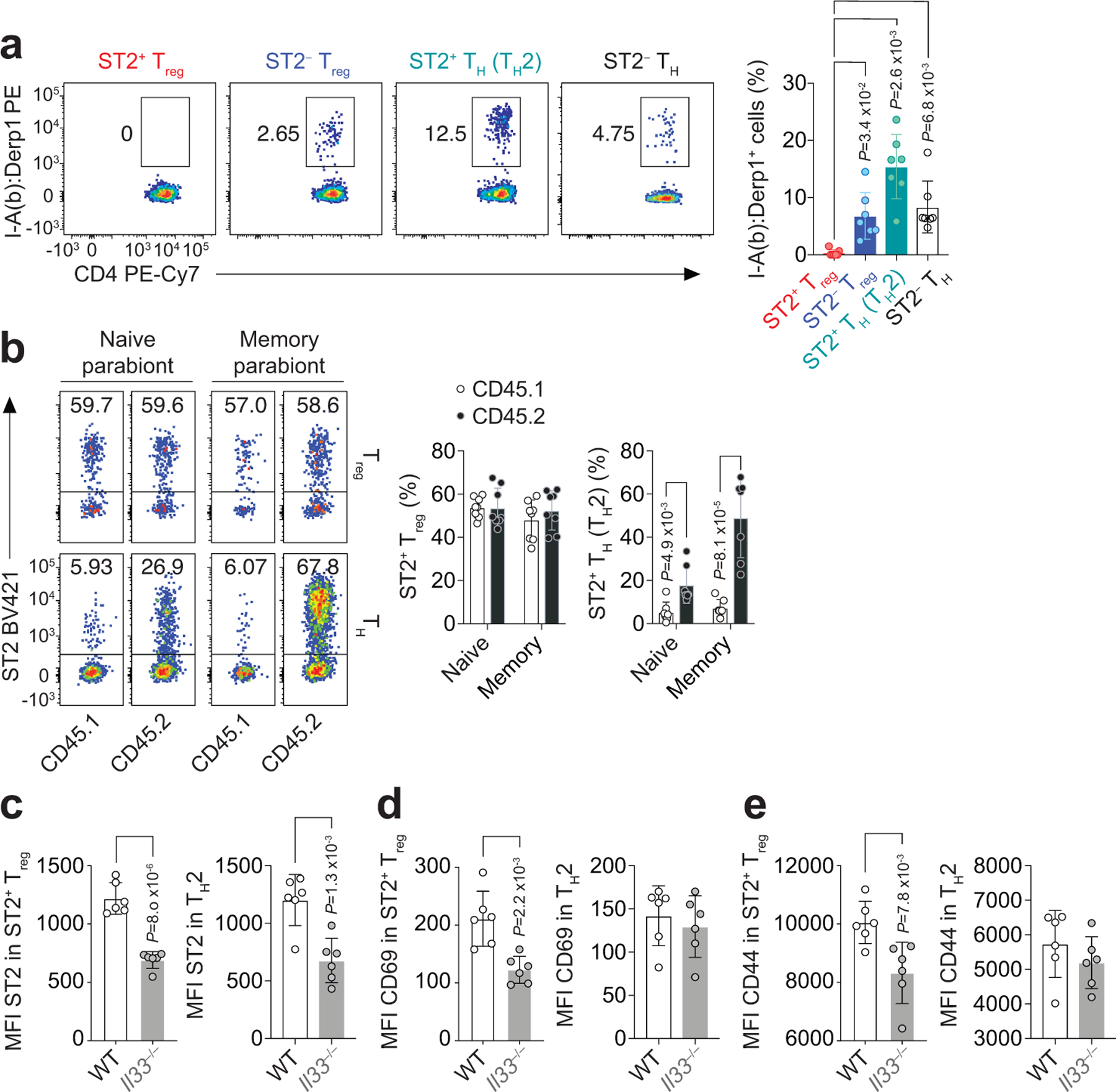
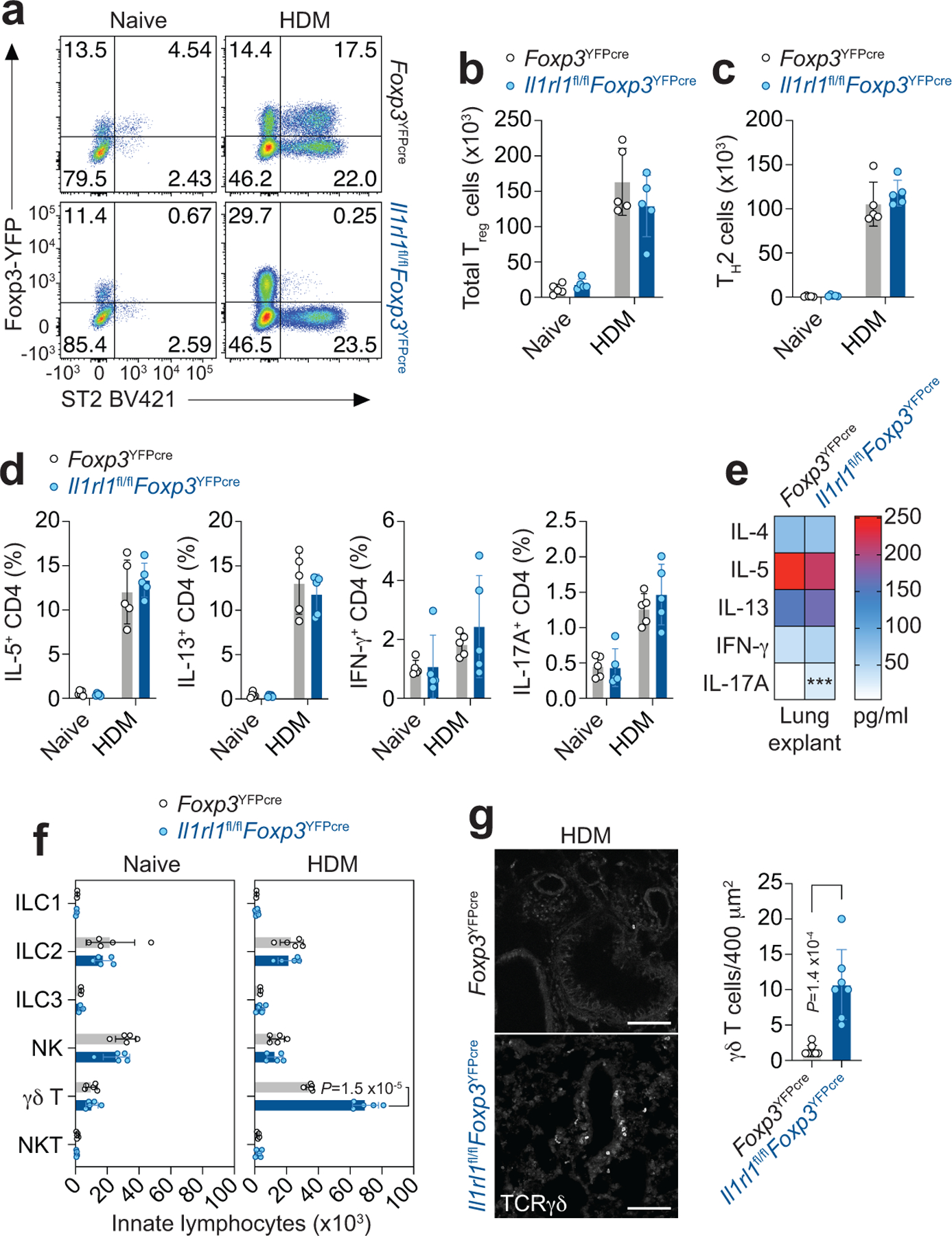
Foxp3 regulatory T (T) cells expressing the interleukin (IL)-33 receptor ST2 mediate tissue repair in response to IL-33. Whether T cells also respond to the alarmin IL-33 to regulate specific aspects of the immune response is not known. Here we describe an unexpected function of ST2 T cells in suppressing the innate immune response in the lung to environmental allergens without altering the adaptive immune response. Following allergen exposure, ST2 T cells were activated by IL-33 to suppress IL-17-producing γδ T cells. ST2 signaling in T cells induced Ebi3, a component of the heterodimeric cytokine IL-35 that was required for T cell-mediated suppression of γδ T cells. This response resulted in fewer eosinophil-attracting chemokines and reduced eosinophil recruitment into the lung, which was beneficial to the host in reducing allergen-induced inflammation. Thus, we define a fundamental role for ST2 T cells in the lung as a negative regulator of the early innate γδ T cell response to mucosal injury.
Foxp3 调节性 T (T) 细胞表达白细胞介素 (IL)-33 受体 ST2,可介导 IL-33 应答的组织修复。T 细胞是否也响应警报素 IL-33 来调节免疫应答的特定方面尚不清楚。在这里,我们描述了 ST2 T 细胞在不改变适应性免疫应答的情况下,抑制肺对环境变应原固有免疫应答的意外功能。在变应原暴露后,IL-33 激活 ST2 T 细胞,抑制产生白细胞介素-17 的 γδ T 细胞。T 细胞中的 ST2 信号诱导 Ebi3,这是异二聚体细胞因子 IL-35 的一个组成部分,是 T 细胞介导的 γδ T 细胞抑制所必需的。这种反应导致吸引嗜酸性粒细胞的趋化因子减少,嗜酸性粒细胞募集到肺部减少,这对宿主减轻变应原诱导的炎症有益。因此,我们定义了 ST2 T 细胞在肺部的基本作用,即作为黏膜损伤时早期固有 γδ T 细胞应答的负调节剂。