Department of Molecular Immunology, Research Institute for Microbial Diseases, Osaka University, Suita, Osaka, Japan.
Laboratory of Molecular Immunology, Immunology Frontier Research Center, Osaka University, Suita, Osaka, Japan.
J Exp Med. 2021 Jan 4;218(1). doi: 10.1084/jem.20200815.
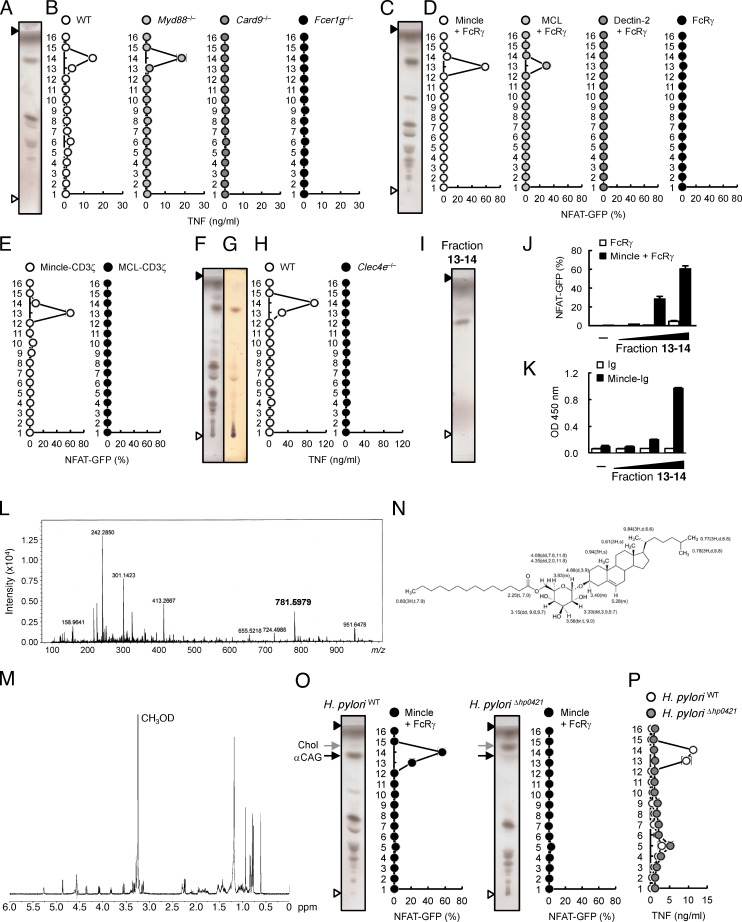
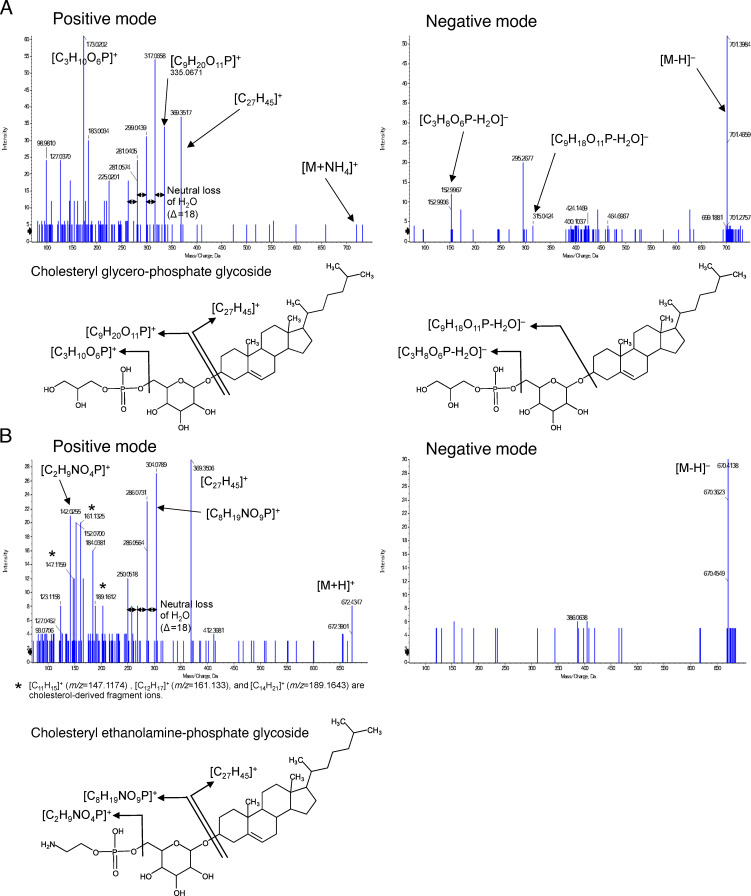
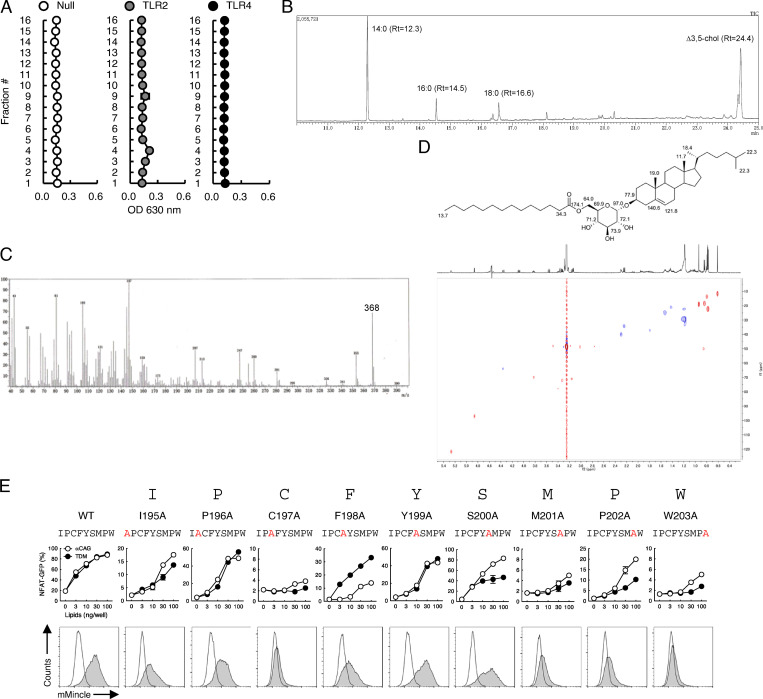
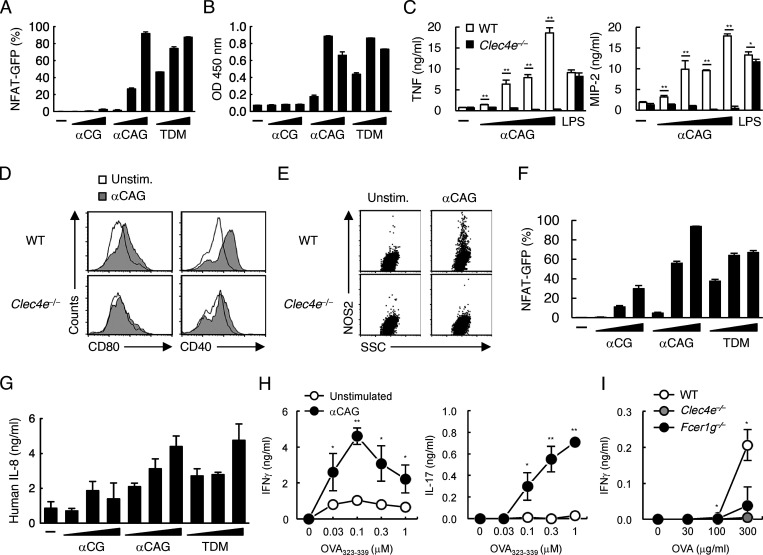
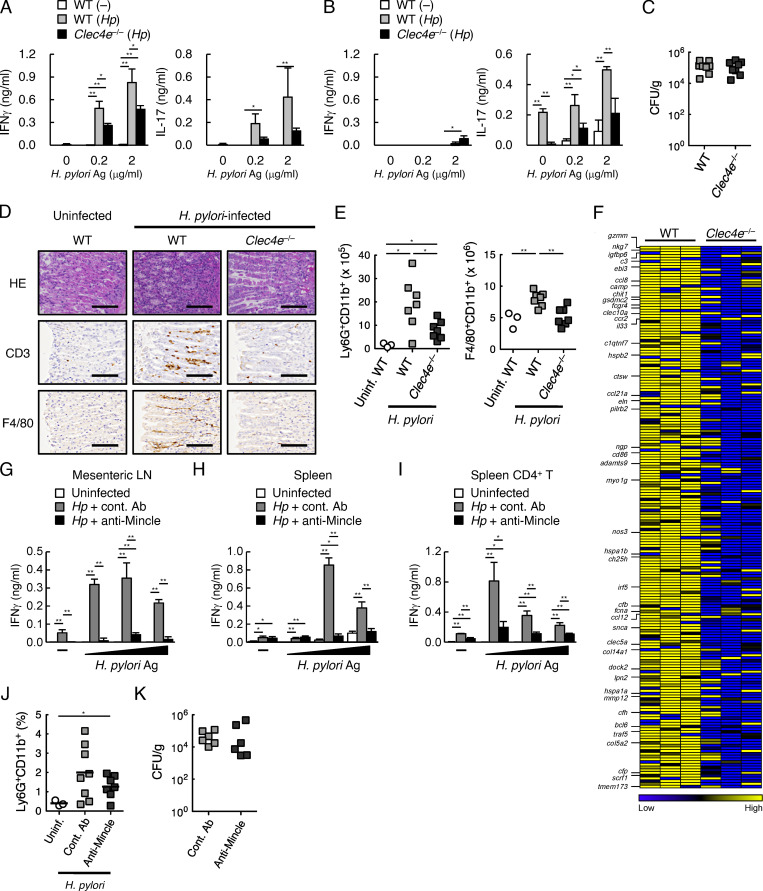
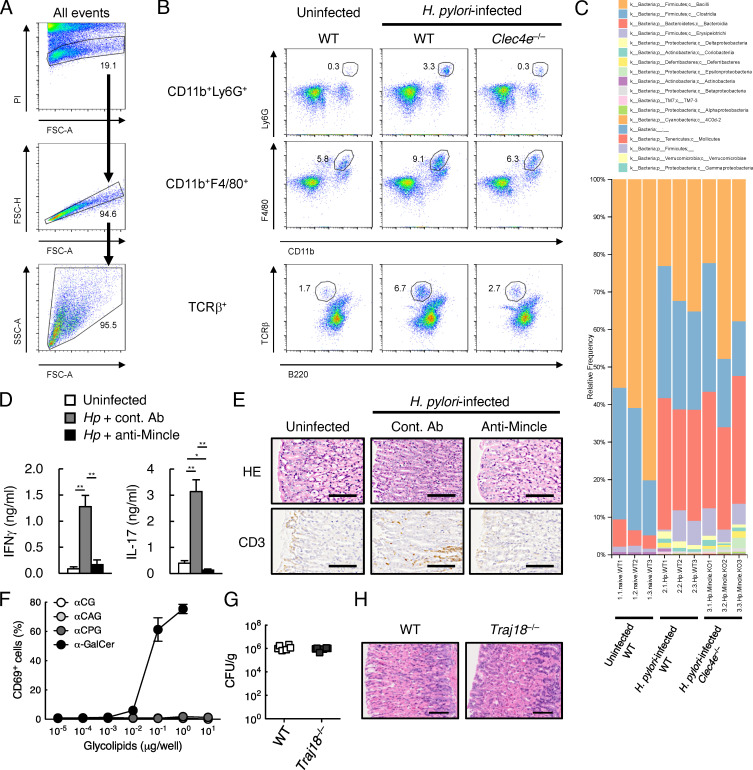
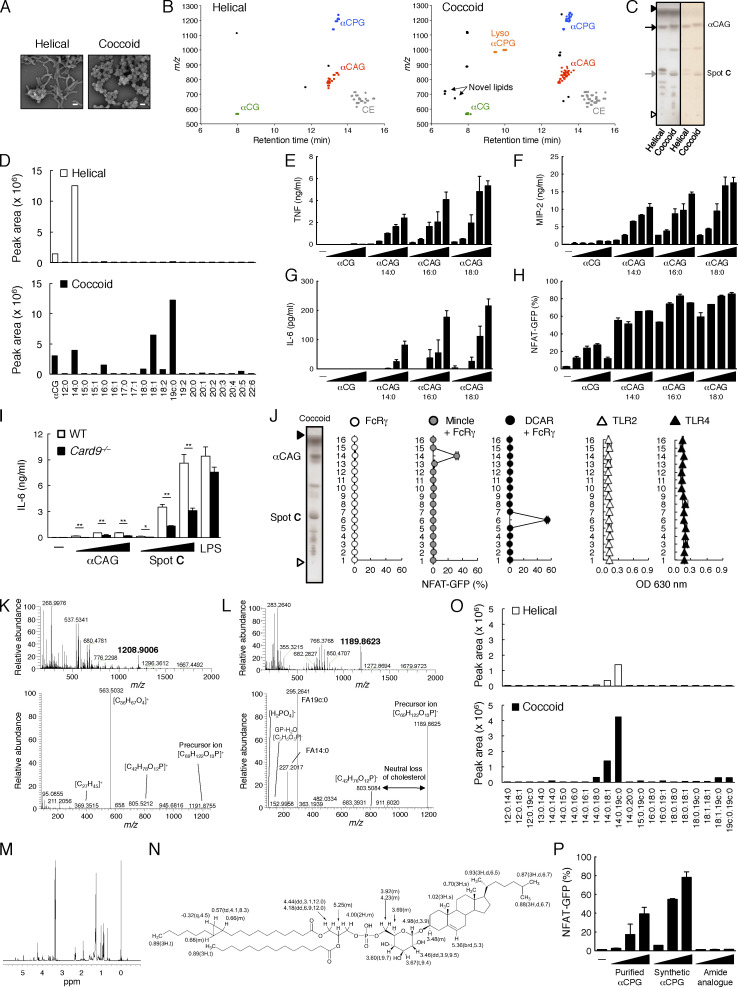
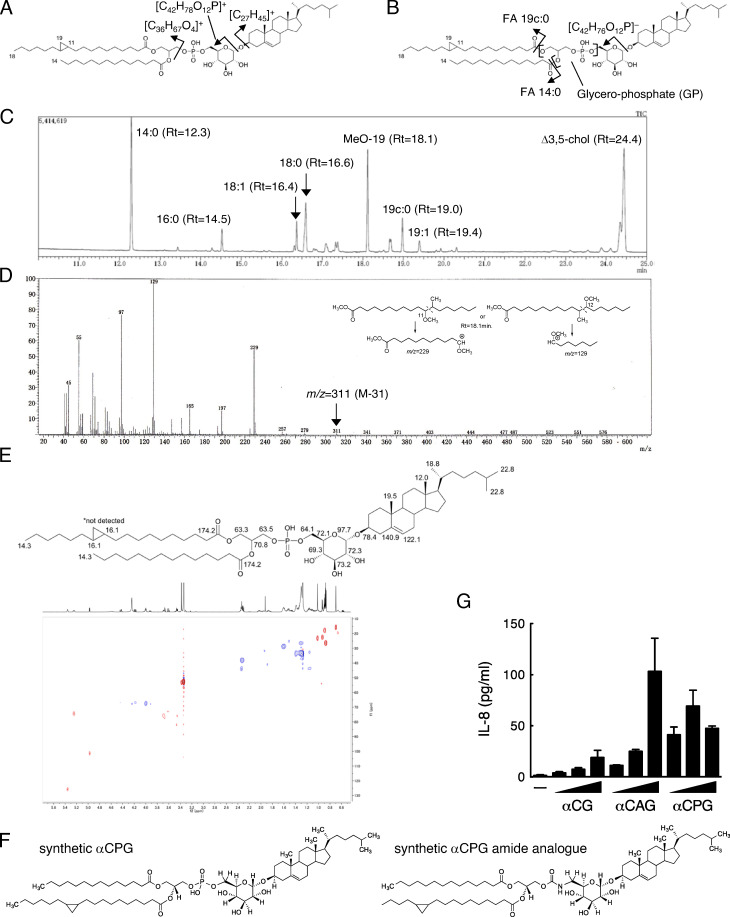
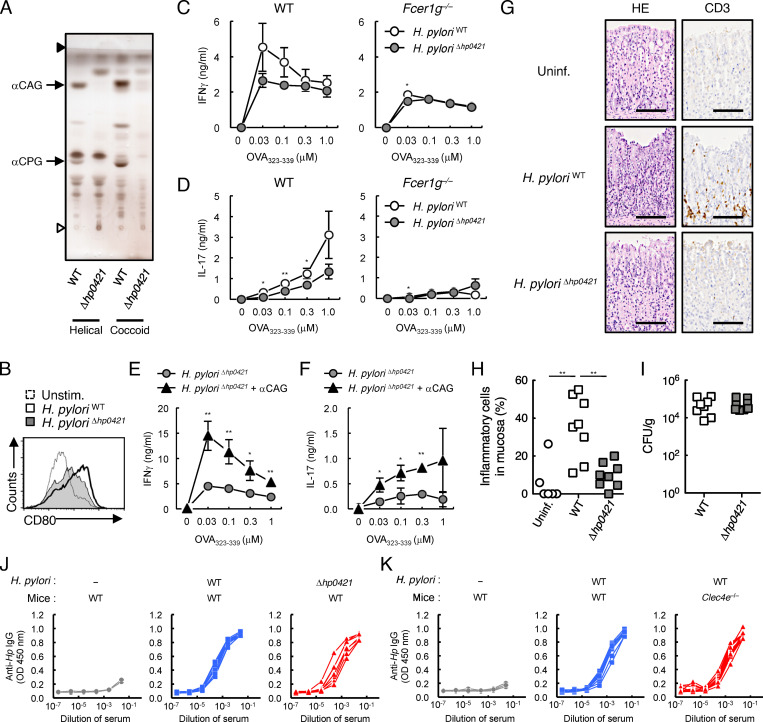
Helicobacter pylori causes gastritis, which has been attributed to the development of H. pylori-specific T cells during infection. However, the mechanism underlying innate immune detection leading to the priming of T cells is not fully understood, as H. pylori evades TLR detection. Here, we report that H. pylori metabolites modified from host cholesterol exacerbate gastritis through the interaction with C-type lectin receptors. Cholesteryl acyl α-glucoside (αCAG) and cholesteryl phosphatidyl α-glucoside (αCPG) were identified as noncanonical ligands for Mincle (Clec4e) and DCAR (Clec4b1). During chronic infection, H. pylori-specific T cell responses and gastritis were ameliorated in Mincle-deficient mice, although bacterial burdens remained unchanged. Furthermore, a mutant H. pylori strain lacking αCAG and αCPG exhibited an impaired ability to cause gastritis. Thus H. pylori-specific modification of host cholesterol plays a pathophysiological role that exacerbates gastric inflammation by triggering C-type lectin receptors.
幽门螺杆菌会导致胃炎,这归因于感染过程中产生了针对幽门螺杆菌的 T 细胞。然而,导致 T 细胞启动的先天免疫检测的机制尚不完全清楚,因为幽门螺杆菌逃避了 TLR 的检测。在这里,我们报告说,来自宿主胆固醇的幽门螺杆菌代谢物通过与 C 型凝集素受体相互作用,加剧了胃炎。胆固醇酰基α-葡糖苷(αCAG)和胆固醇磷酸酰基α-葡糖苷(αCPG)被鉴定为 Mincle(Clec4e)和 DCAR(Clec4b1)的非典型配体。在慢性感染期间,Mincle 缺陷型小鼠中的幽门螺杆菌特异性 T 细胞反应和胃炎得到了改善,尽管细菌负担保持不变。此外,缺乏αCAG 和αCPG 的突变型幽门螺杆菌菌株表现出引起胃炎的能力受损。因此,宿主胆固醇的幽门螺杆菌特异性修饰通过触发 C 型凝集素受体在病理生理学上发挥作用,加剧了胃炎症。