Neurology Clinic D and Bioinformatics Department, The Cyprus Institute of Neurology and Genetics, The Cyprus School of Molecular Medicine, Nicosia 2371, Cyprus.
Bioinformatics Department, The Cyprus Institute of Neurology and Genetics, The Cyprus School of Molecular Medicine, Nicosia 2371, Cyprus.
Nutrients. 2020 Sep 25;12(10):2946. doi: 10.3390/nu12102946.
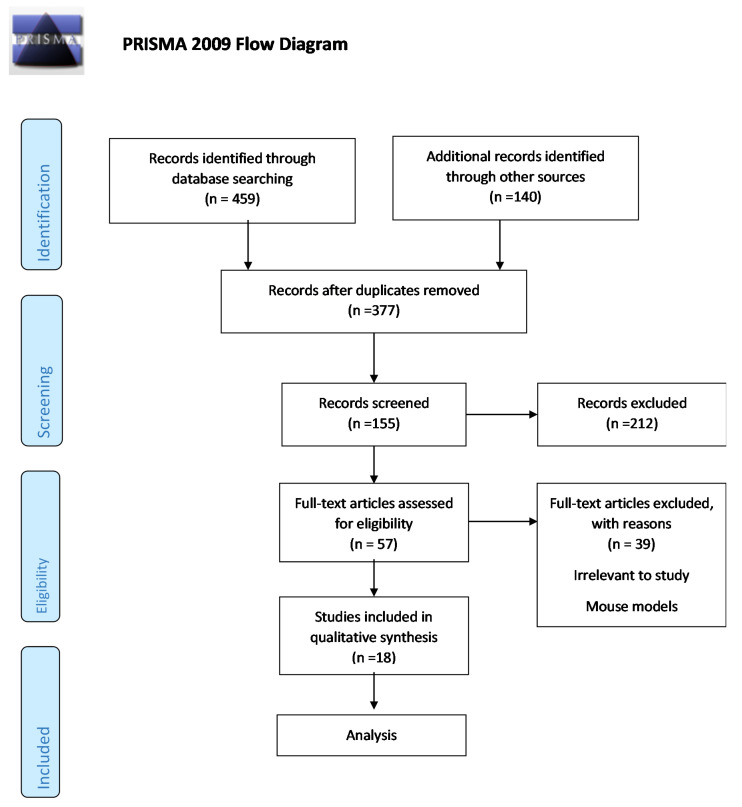
Decades of research and experimental studies have investigated Huntington's disease (HD), a rare neurodegenerative disease. Similarly, several studies have investigated whether high/moderate adherence to the Mediterranean Diet and specific macro and micronutrients can decrease cognitive loss and provide a neuroprotective function to neurons. This review systematically identifies and examines studies that have investigated Mediterranean Diet adherence, micro- and macronutrients, supplementation and caloric intake in people with HD, in order to identify if dietary exposures resulted in improvement of disease symptoms, a delay in age of onset or if they contributed to an earlier age of onset in people with HD. A systematic search of PubMed, Directory of open access journal and HubMed was performed independently by two reviewers using specific search terms criteria for studies. The identified abstracts were screened and the studies were included in the review if they satisfied predetermined inclusion criteria. Reference screening of included studies was also performed. A total of 18 studies were included in the review. A few studies found that patients who had high/moderate adherence to Mediterranean Diet showed a slight improvement in their Unified Huntington's Disease Rating Scale and Total Functional Capacity. In addition, people with HD who had high Mediterranean Diet adherence showed an improvement in both cognitive and motor scores and had a better quality of life compared to patients who had low Mediterranean Diet adherence. Furthermore, a few studies showed that supplementation with specific nutrients, such as triheaptanoin, L-acetyl-carnitine and creatine, had no beneficial effect on the patients' Unified Huntington's Disease Rating Scale score. A few studies suggest that the Mediterranean Diet may confer a motor and cognitive benefit to people with HD. Unfortunately, there was little consistency among study findings. It is important for more research to be conducted to have a better understanding of which dietary exposures are beneficial and may result delaying age of onset or disease progression in people with HD.
几十年来的研究和实验研究已经调查了亨廷顿病(HD),一种罕见的神经退行性疾病。同样,有几项研究也调查了高/中度遵循地中海饮食和特定的宏量和微量营养素是否可以减少认知损失并为神经元提供神经保护功能。本综述系统地确定和检查了研究地中海饮食的遵守情况,微量和常量营养素,补充剂和热量摄入在 HD 患者中的情况,以确定饮食暴露是否导致疾病症状改善,发病年龄延迟或是否导致 HD 患者发病年龄提前。两名审查员独立使用特定的搜索词标准对 PubMed,开放获取期刊目录和 HubMed 进行了系统搜索,以搜索研究。对确定的摘要进行了筛选,如果研究符合预定的纳入标准,则将其纳入综述。还对纳入研究的参考文献进行了筛选。共有 18 项研究纳入了综述。一些研究发现,高/中度遵循地中海饮食的患者在统一亨廷顿病评定量表和总功能能力方面略有改善。此外,高地中海饮食依从性的 HD 患者在认知和运动评分方面均有所改善,并且生活质量优于低地中海饮食依从性的患者。此外,一些研究表明,补充特定营养素(如三庚酸甘油酯,乙酰肉碱和肌酸)对患者的统一亨廷顿病评定量表评分没有有益影响。一些研究表明,地中海饮食可能会给 HD 患者带来运动和认知上的益处。不幸的是,研究结果之间几乎没有一致性。进行更多的研究对于更好地了解哪些饮食暴露是有益的,并可能导致 HD 患者发病年龄延迟或疾病进展非常重要。