Translational Genomics, Discovery Sciences, BioPharmaceuticals R&D, AstraZeneca, Gothenburg, Sweden.
Cellink AB, Gothenburg, Sweden.
Nat Commun. 2020 Sep 29;11(1):4903. doi: 10.1038/s41467-020-18548-9.
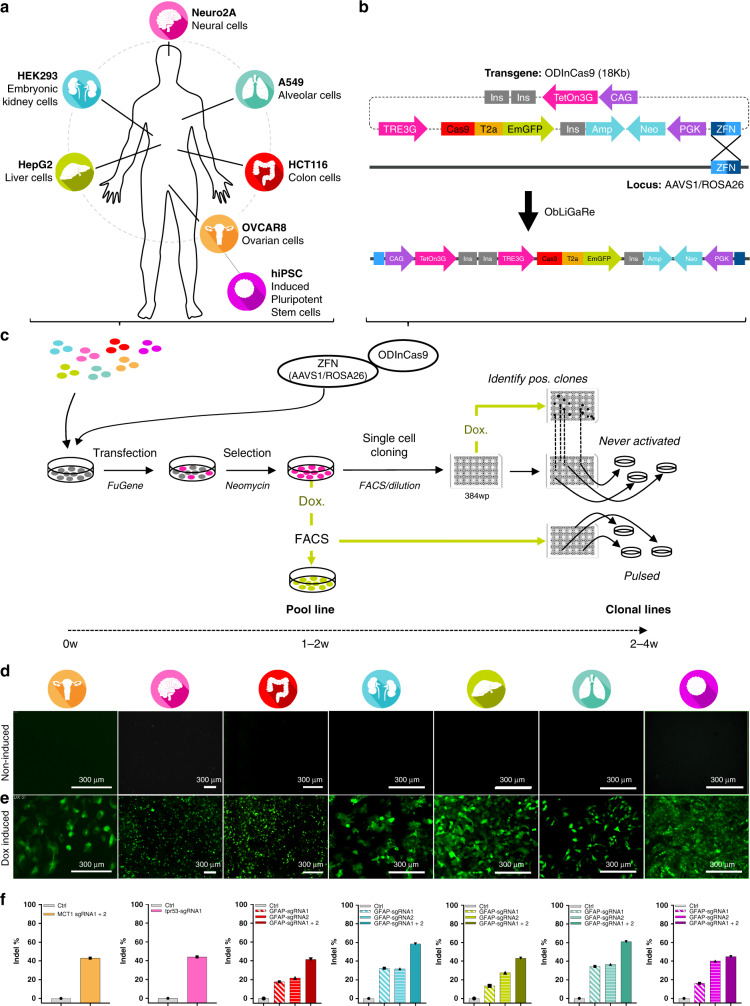
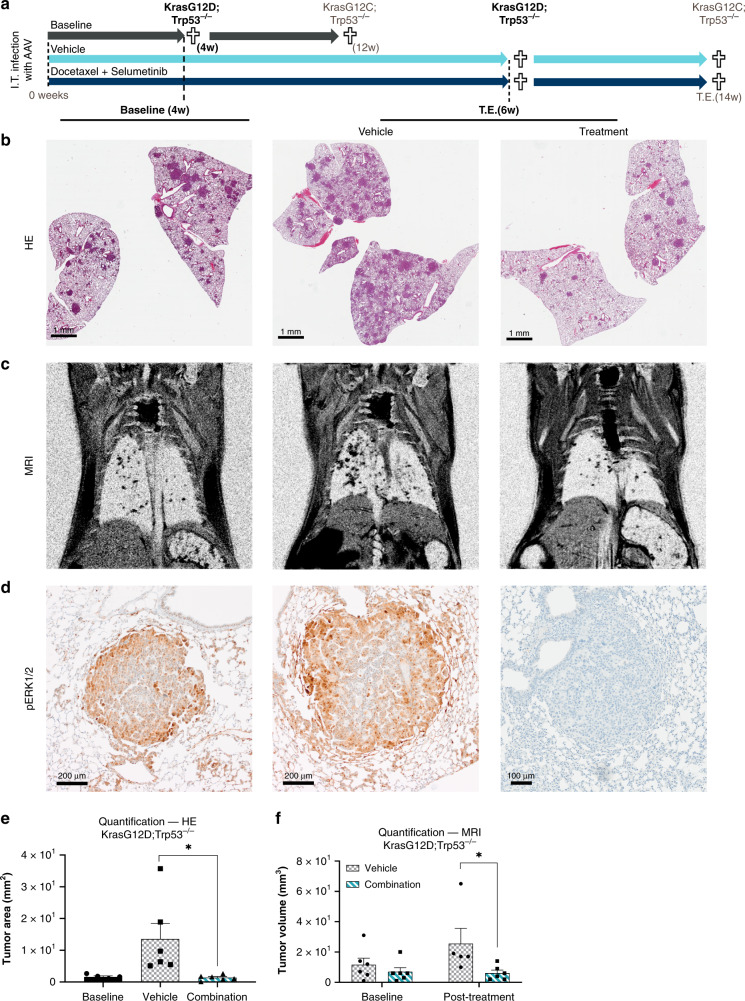
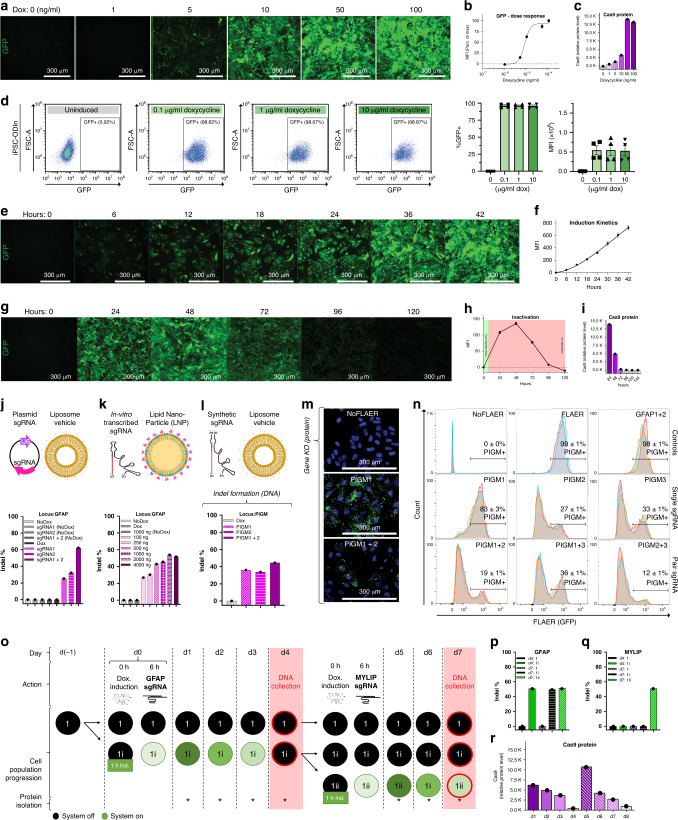
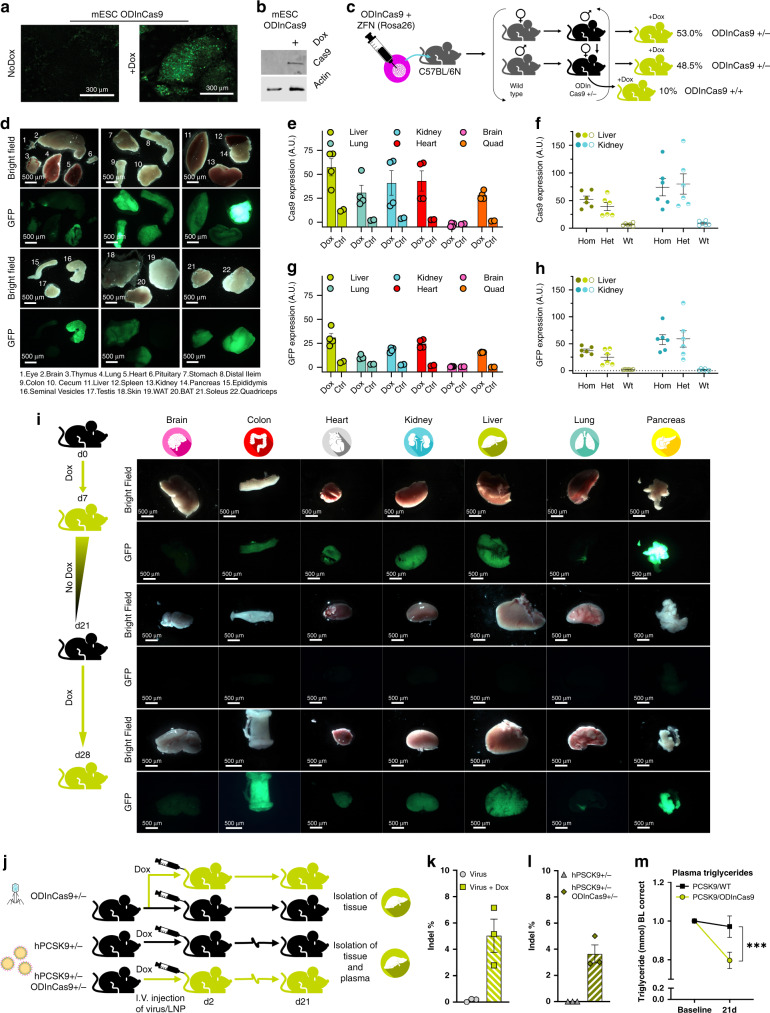
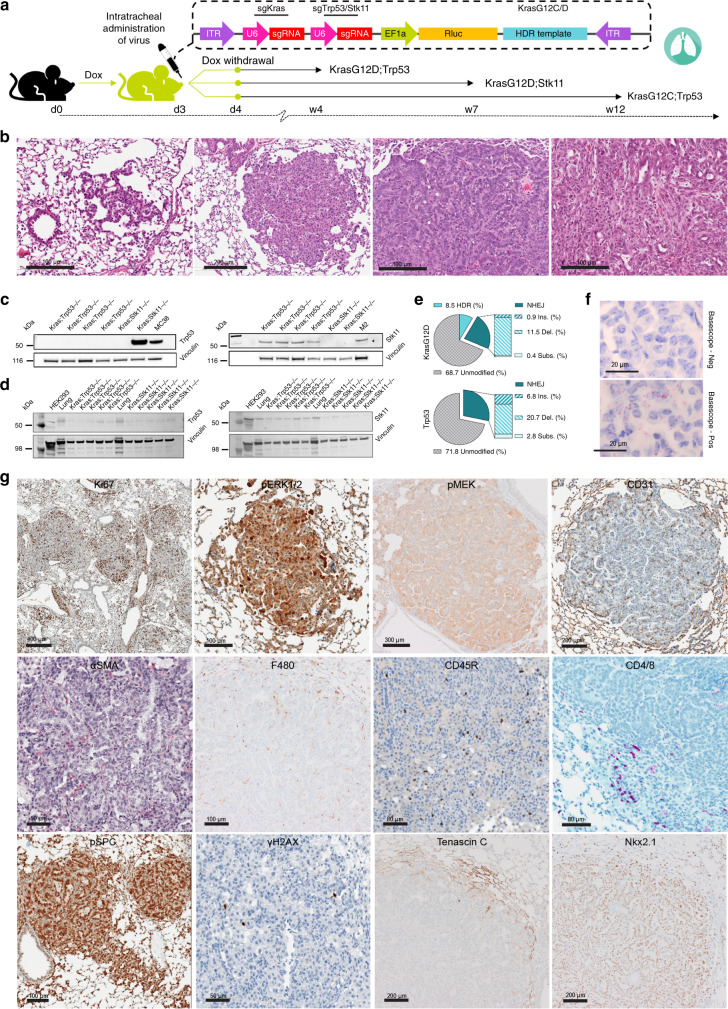
The CRISPR-Cas9 system has increased the speed and precision of genetic editing in cells and animals. However, model generation for drug development is still expensive and time-consuming, demanding more target flexibility and faster turnaround times with high reproducibility. The generation of a tightly controlled ObLiGaRe doxycycline inducible SpCas9 (ODInCas9) transgene and its use in targeted ObLiGaRe results in functional integration into both human and mouse cells culminating in the generation of the ODInCas9 mouse. Genomic editing can be performed in cells of various tissue origins without any detectable gene editing in the absence of doxycycline. Somatic in vivo editing can model non-small cell lung cancer (NSCLC) adenocarcinomas, enabling treatment studies to validate the efficacy of candidate drugs. The ODInCas9 mouse allows robust and tunable genome editing granting flexibility, speed and uniformity at less cost, leading to high throughput and practical preclinical in vivo therapeutic testing.
CRISPR-Cas9 系统提高了细胞和动物基因编辑的速度和精度。然而,药物开发的模型生成仍然昂贵且耗时,需要更高的目标灵活性和更快的周转时间,具有更高的重现性。紧密控制的 ObLiGaRe 诱导型强力霉素的 SpCas9(ODInCas9)转基因的生成及其在靶向 ObLiGaRe 中的使用导致其在人和小鼠细胞中的功能性整合,最终生成 ODInCas9 小鼠。在不存在强力霉素的情况下,该系统可以在各种组织来源的细胞中进行基因组编辑,而不会检测到任何基因编辑。体内体细胞编辑可以模拟非小细胞肺癌(NSCLC)腺癌,使治疗研究能够验证候选药物的疗效。ODInCas9 小鼠允许进行强大且可调节的基因组编辑,具有更高的灵活性、速度和一致性,成本更低,从而实现高通量和实用的体内治疗性测试。