Service de médecine Hyperbare Expertise plongée, Hôpital d'Instruction des Armées Sainte-Anne, BP 600, 83800, Toulon Cedex 9, France.
Université de Toulon, CS 60584, Toulon Cedex 9, France.
Sci Rep. 2020 Sep 29;10(1):15996. doi: 10.1038/s41598-020-73033-z.
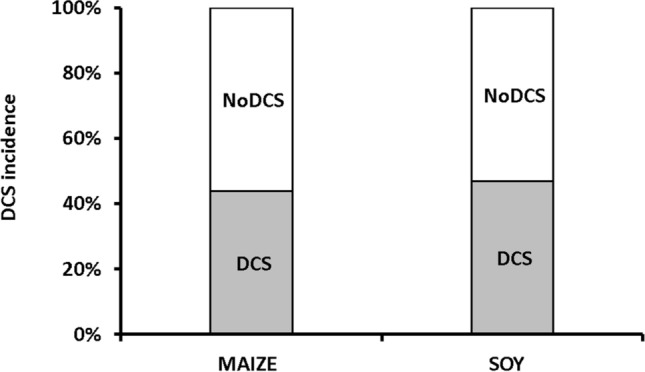
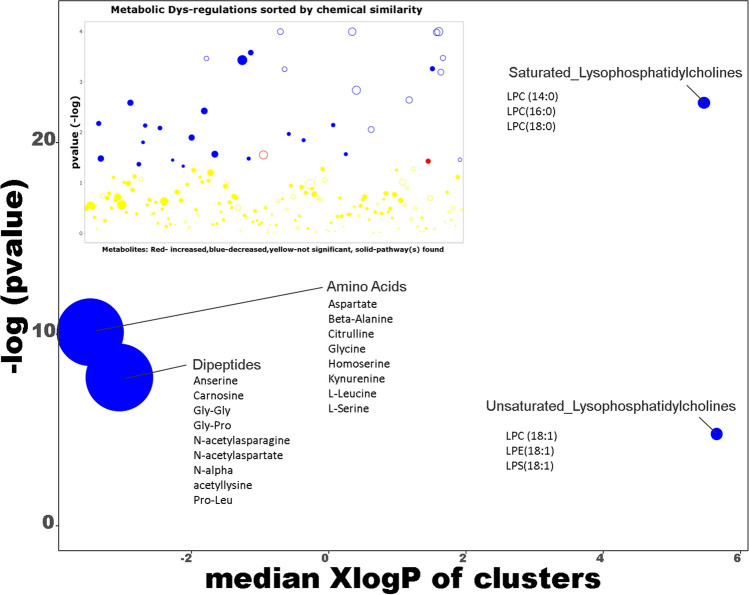
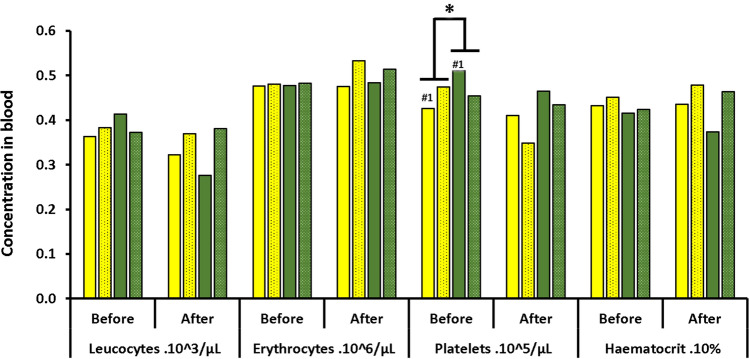
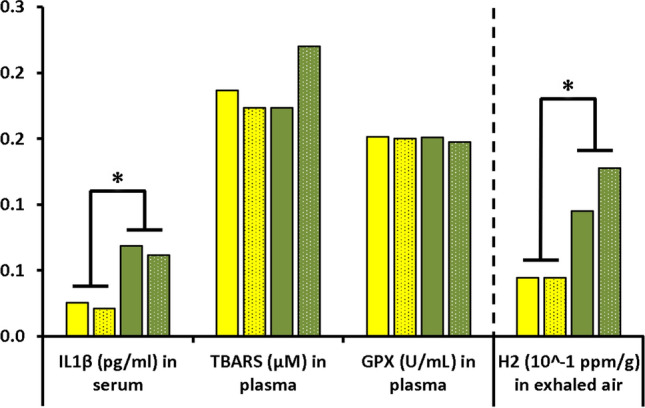
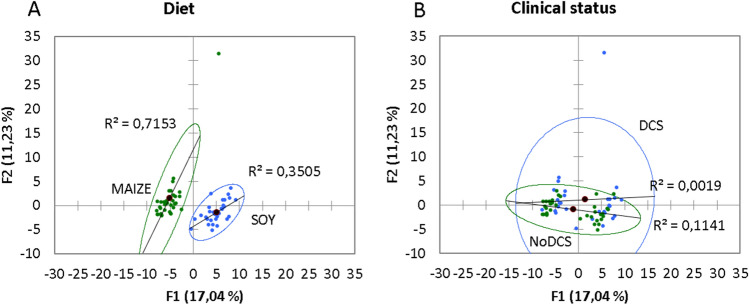
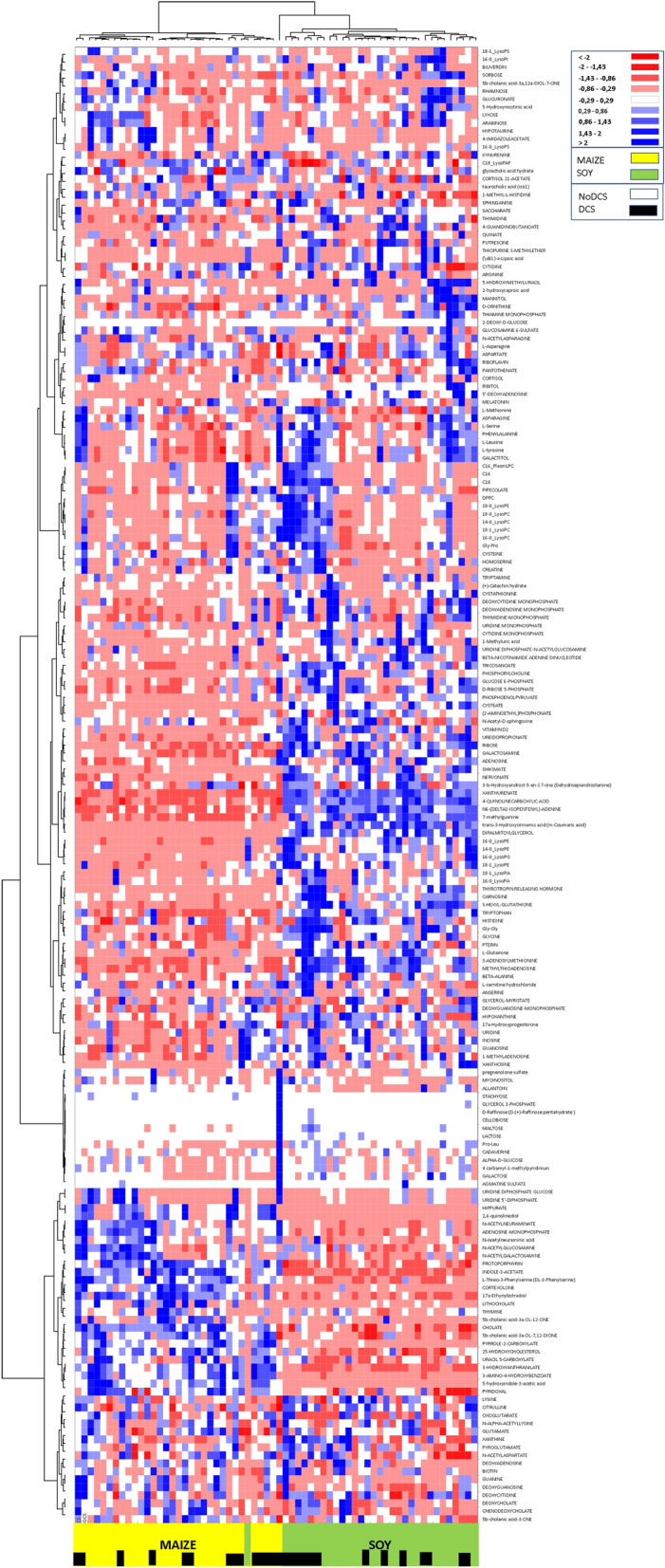
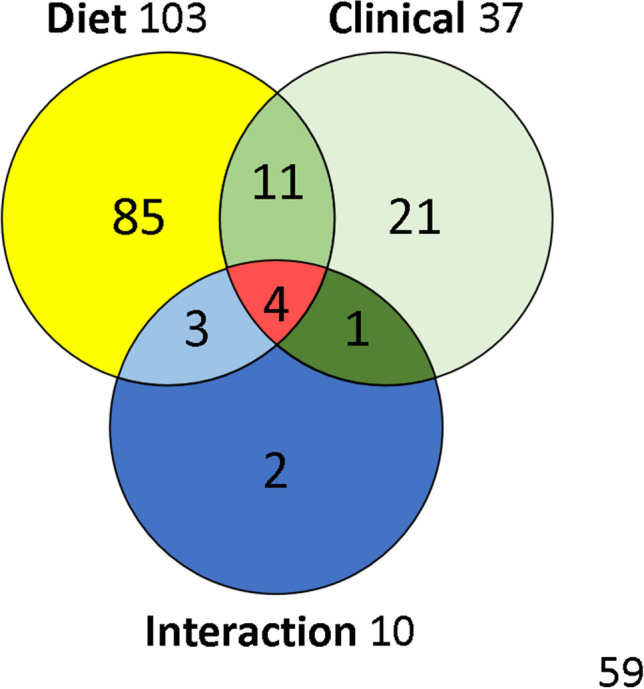
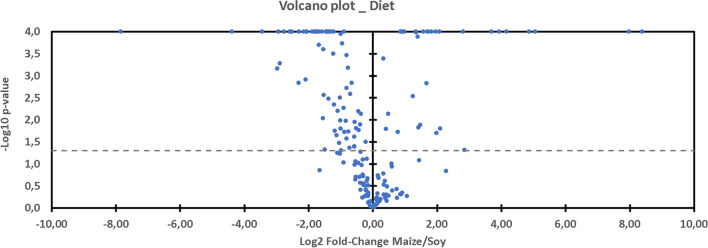
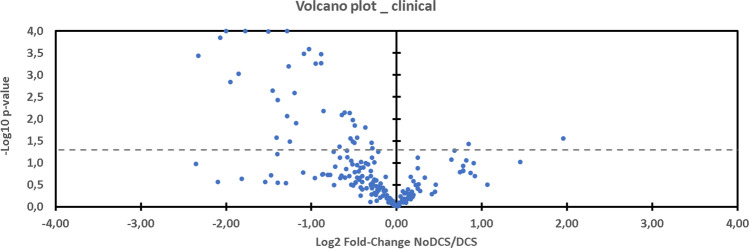
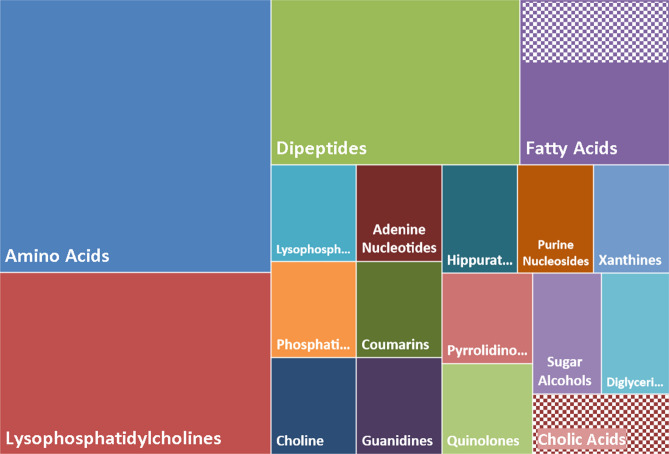
Massive bubble formation after diving can lead to decompression sickness (DCS), which can result in neurological disorders. We demonstrated that hydrogen production from intestinal fermentation could exacerbate DCS in rats fed with a standard diet. The aim of this study is to identify a fecal metabolomic signature that may result from the effects of a provocative hyperbaric exposure. The fecal metabolome was studied in two groups of rats previously fed with maize or soy in order to account for diet effects. 64 animals, weighing 379.0_20.2 g on the day of the dive, were exposed to the hyperbaric protocol. The rats were separated into two groups: 32 fed with maize (Div MAIZE) and 32 fed with soy (Div SOY). Gut fermentation before the dive was estimated by measuring exhaled hydrogen. Following hyperbaric exposure, we assessed for signs of DCS. Blood was analyzed to assay inflammatory cytokines. Conventional and ChemRICH approaches helped the metabolomic interpretation of the cecal content. The effect of the diet is very marked at the metabolomic level, a little less in the blood tests, without this appearing strictly in the clinic status. Nevertheless, 37 of the 184 metabolites analyzed are linked to clinical status. 35 over-expressed compounds let suggest less intestinal absorption, possibly accompanied by an alteration of the gut microbial community, in DCS. The decrease in another metabolite suggests hepatic impairment. This spectral difference of the ceca metabolomes deserves to be studied in order to check if it corresponds to functional microbial particularities.
大量气泡形成潜水后可导致减压病(DCS),这可能导致神经紊乱。我们证明,从肠道发酵产生的氢气可加剧在标准饮食的大鼠减压病。本研究的目的是确定粪便代谢组学特征,可能会导致刺激性高压暴露的影响。在两组大鼠粪便代谢组学研究之前用玉米或大豆喂养,以考虑到饮食的影响。64 只动物,体重 379.0_20.2 克在潜水的日子,暴露在高压协议。大鼠分为两组:32 只喂玉米(Div MAIZE)和 32 只喂大豆(Div SOY)。潜水前通过测量呼气中的氢气来估计肠道发酵。高压暴露后,我们评估减压病的迹象。血液分析以测定炎症细胞因子。常规和 ChemRICH 方法有助于盲肠内容物的代谢组学解释。饮食的影响在代谢组学水平非常明显,在血液测试中略小,而这并不严格出现在临床状态。然而,分析的 184 种代谢物中有 37 种与临床状态有关。35 种过度表达的化合物表明肠道吸收减少,可能伴有肠道微生物群落的改变,在减压病。另一种代谢物的减少表明肝损伤。盲肠代谢组的这种光谱差异值得研究,以检查它是否对应于功能微生物的特殊性。