Allgemeine und Molekulare Botanik, Ruhr-Universität, Bochum, Germany.
Leibniz-Institut für Analytische Wissenschaften-ISAS-e.V., Dortmund, Germany.
PLoS Genet. 2020 Sep 30;16(9):e1008819. doi: 10.1371/journal.pgen.1008819. eCollection 2020 Sep.
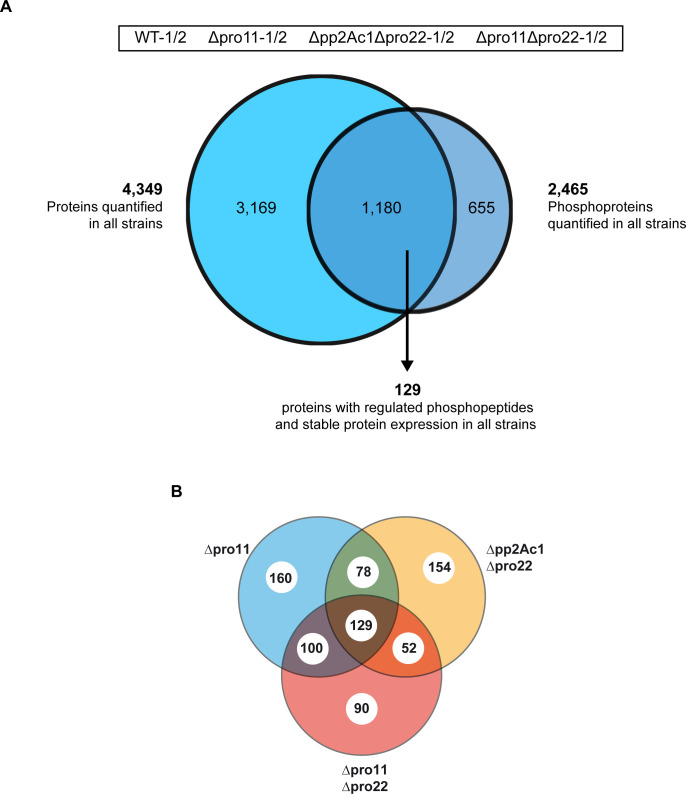
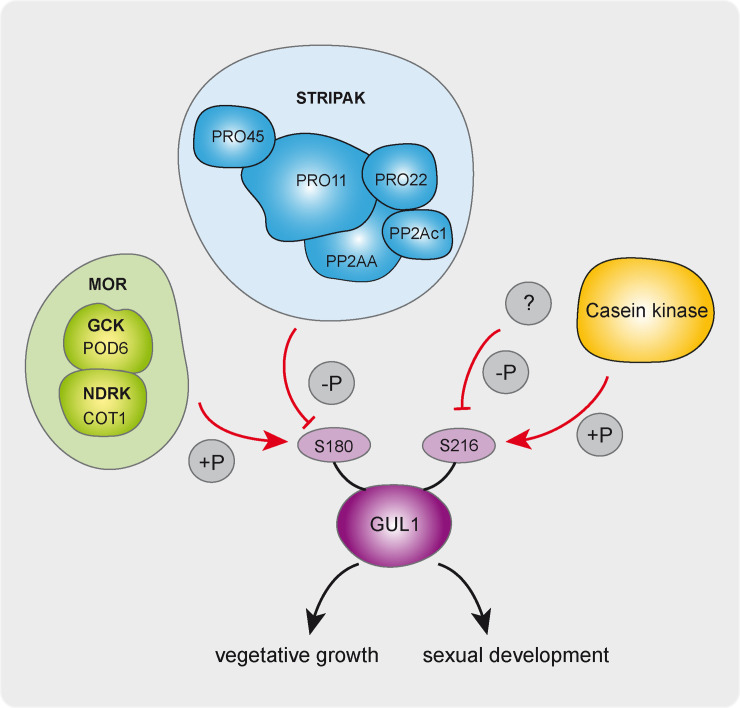
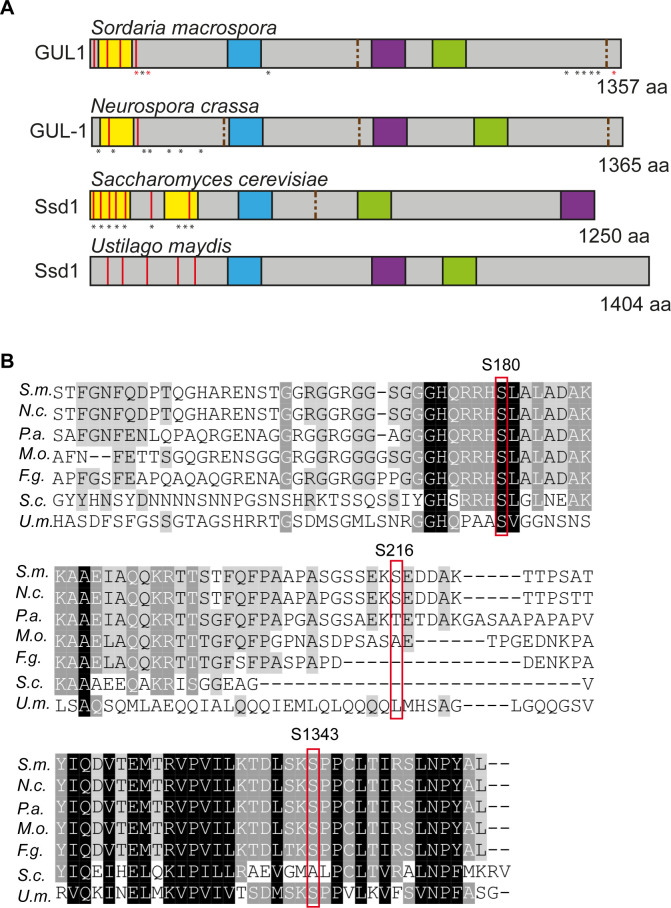
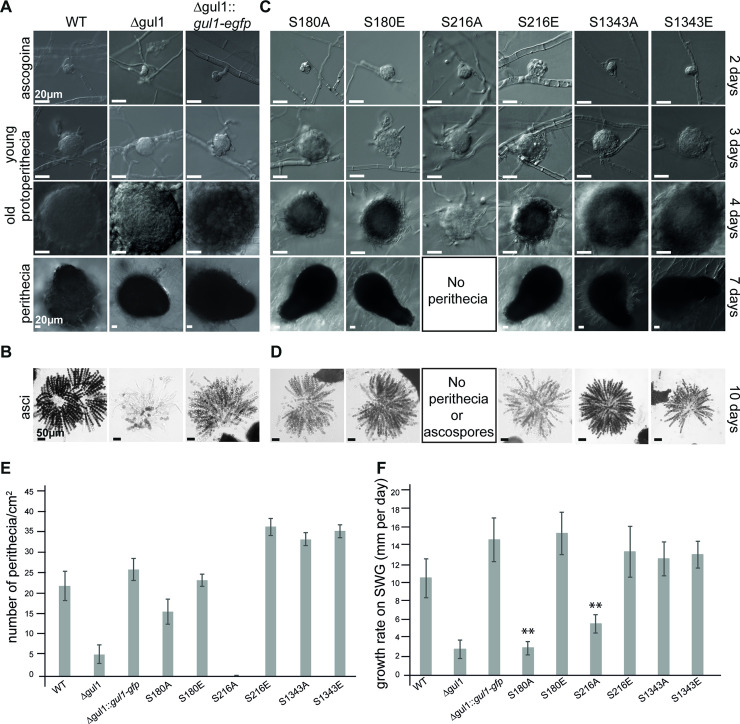
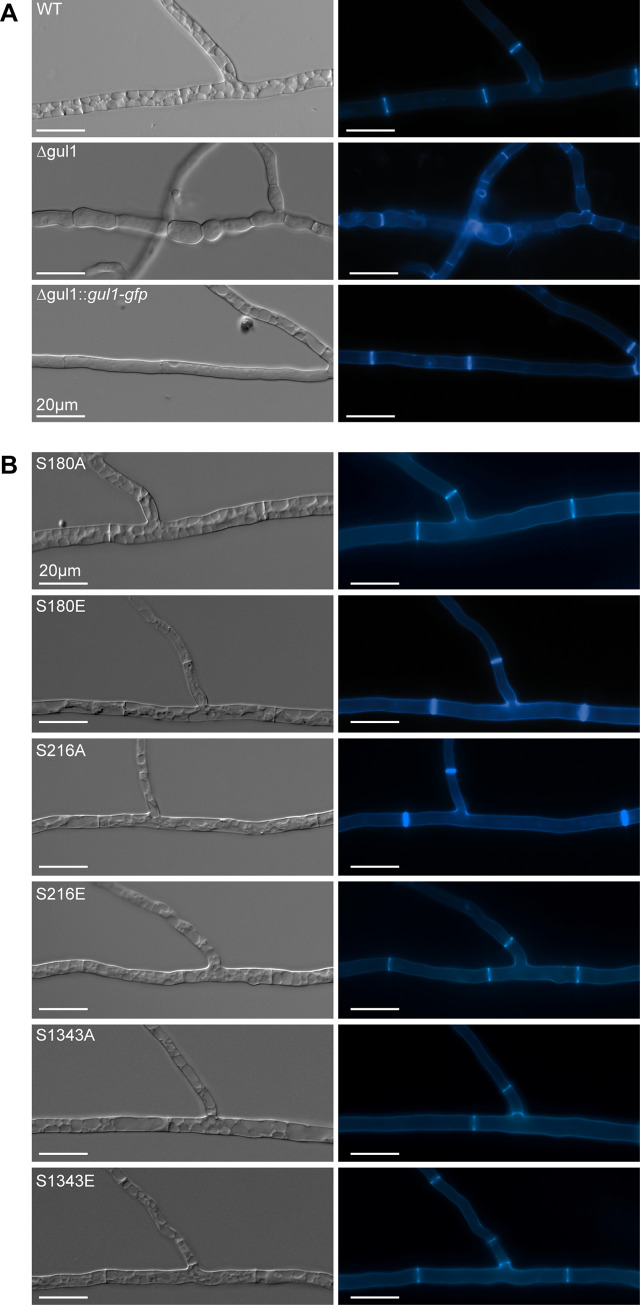
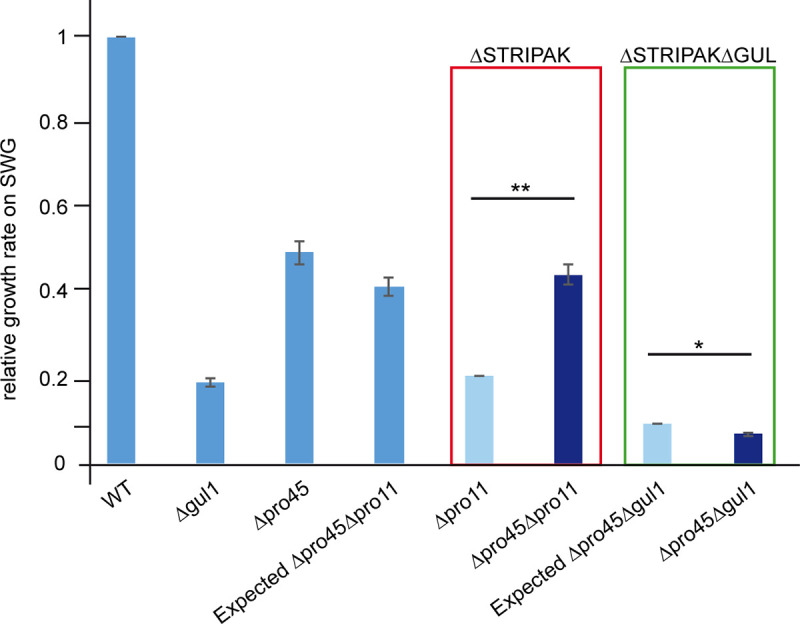
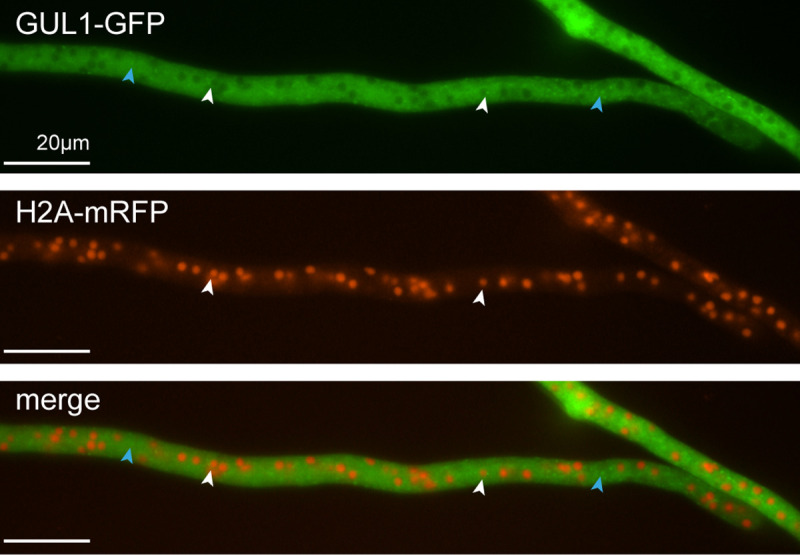
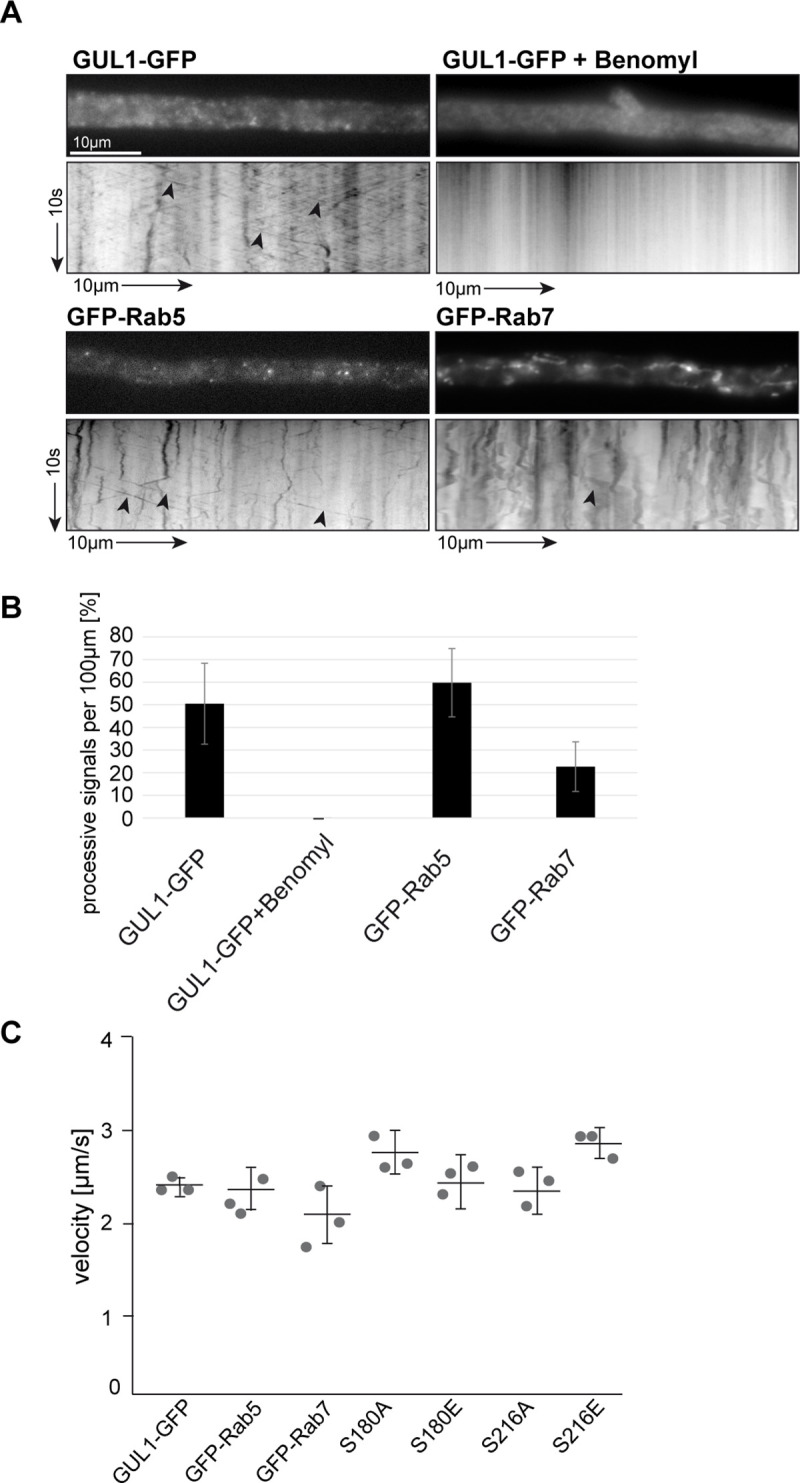
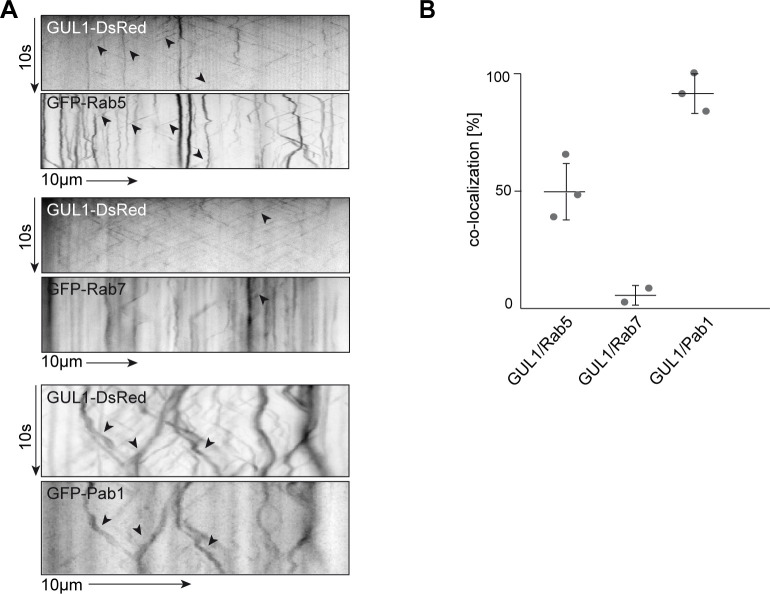
The striatin-interacting phosphatase and kinase (STRIPAK) multi-subunit signaling complex is highly conserved within eukaryotes. In fungi, STRIPAK controls multicellular development, morphogenesis, pathogenicity, and cell-cell recognition, while in humans, certain diseases are related to this signaling complex. To date, phosphorylation and dephosphorylation targets of STRIPAK are still widely unknown in microbial as well as animal systems. Here, we provide an extended global proteome and phosphoproteome study using the wild type as well as STRIPAK single and double deletion mutants (Δpro11, Δpro11Δpro22, Δpp2Ac1Δpro22) from the filamentous fungus Sordaria macrospora. Notably, in the deletion mutants, we identified the differential phosphorylation of 129 proteins, of which 70 phosphorylation sites were previously unknown. Included in the list of STRIPAK targets are eight proteins with RNA recognition motifs (RRMs) including GUL1. Knockout mutants and complemented transformants clearly show that GUL1 affects hyphal growth and sexual development. To assess the role of GUL1 phosphorylation on fungal development, we constructed phospho-mimetic and -deficient mutants of GUL1 residues. While S180 was dephosphorylated in a STRIPAK-dependent manner, S216, and S1343 served as non-regulated phosphorylation sites. While the S1343 mutants were indistinguishable from wild type, phospho-deficiency of S180 and S216 resulted in a drastic reduction in hyphal growth, and phospho-deficiency of S216 also affects sexual fertility. These results thus suggest that differential phosphorylation of GUL1 regulates developmental processes such as fruiting body maturation and hyphal morphogenesis. Moreover, genetic interaction studies provide strong evidence that GUL1 is not an integral subunit of STRIPAK. Finally, fluorescence microscopy revealed that GUL1 co-localizes with endosomal marker proteins and shuttles on endosomes. Here, we provide a new mechanistic model that explains how STRIPAK-dependent and -independent phosphorylation of GUL1 regulates sexual development and asexual growth.
丝氨酸/苏氨酸蛋白激酶相互作用的磷酸酶和激酶 (STRIPAK) 多亚基信号复合物在真核生物中高度保守。在真菌中,STRIPAK 控制多细胞发育、形态发生、致病性和细胞间识别,而在人类中,某些疾病与该信号复合物有关。迄今为止,微生物和动物系统中 STRIPAK 的磷酸化和去磷酸化靶标仍然知之甚少。在这里,我们使用丝状真菌 Sordaria macrospora 的野生型以及 STRIPAK 单和双缺失突变体(Δpro11、Δpro11Δpro22、Δpp2Ac1Δpro22)提供了扩展的全局蛋白质组和磷酸蛋白质组研究。值得注意的是,在缺失突变体中,我们鉴定了 129 种蛋白质的差异磷酸化,其中 70 个磷酸化位点是以前未知的。STRIPAK 靶标的列表包括 8 个具有 RNA 识别基序 (RRM) 的蛋白质,包括 GUL1。敲除突变体和互补转化体清楚地表明,GUL1 影响菌丝生长和有性发育。为了评估 GUL1 磷酸化对真菌发育的作用,我们构建了 GUL1 残基的磷酸模拟和缺陷突变体。虽然 S180 在 STRIPAK 依赖性方式下去磷酸化,但 S216 和 S1343 充当非调节性磷酸化位点。虽然 S1343 突变体与野生型无区别,但 S180 和 S216 的磷酸缺陷导致菌丝生长急剧减少,而 S216 的磷酸缺陷也影响有性生殖能力。因此,这些结果表明 GUL1 的差异磷酸化调节成熟体和菌丝形态发生等发育过程。此外,遗传相互作用研究提供了强有力的证据表明,GUL1 不是 STRIPAK 的完整亚基。最后,荧光显微镜显示 GUL1 与内体标记蛋白共定位并在内体上穿梭。在这里,我们提供了一个新的机制模型,解释了 STRIPAK 依赖性和非依赖性的 GUL1 磷酸化如何调节有性发育和无性生长。