Department of Nutritional Science, Faculty of Health and Welfare Science, Okayama Prefectural University, Soja, Okayama, Japan.
Graduate School of Health and Welfare Science, Okayama Prefectural University, Soja, Okayama, Japan.
PLoS One. 2020 Sep 30;15(9):e0239428. doi: 10.1371/journal.pone.0239428. eCollection 2020.
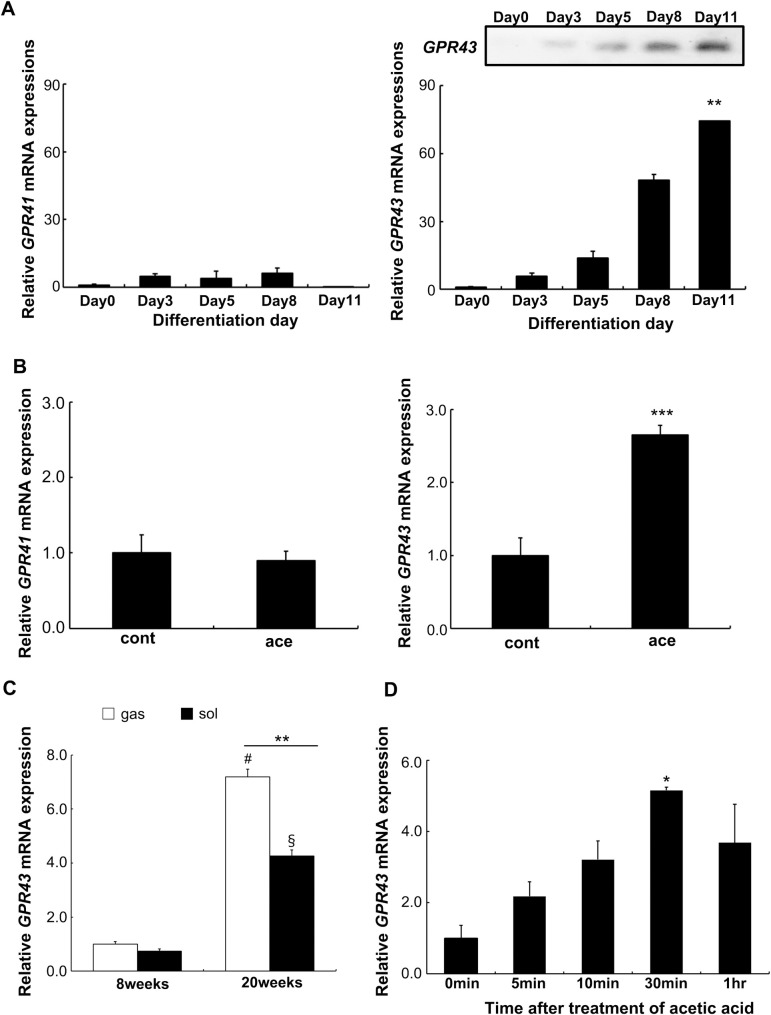
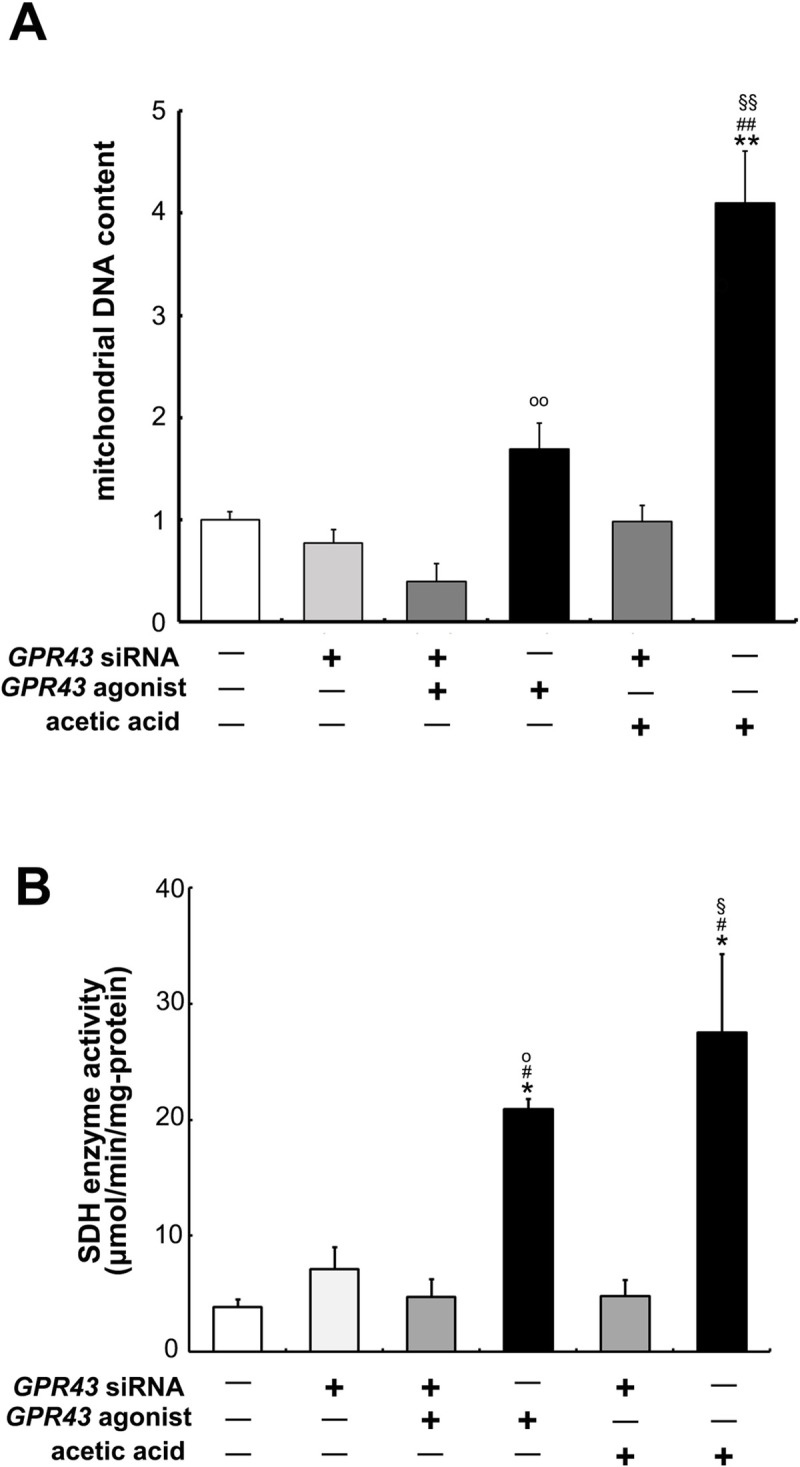
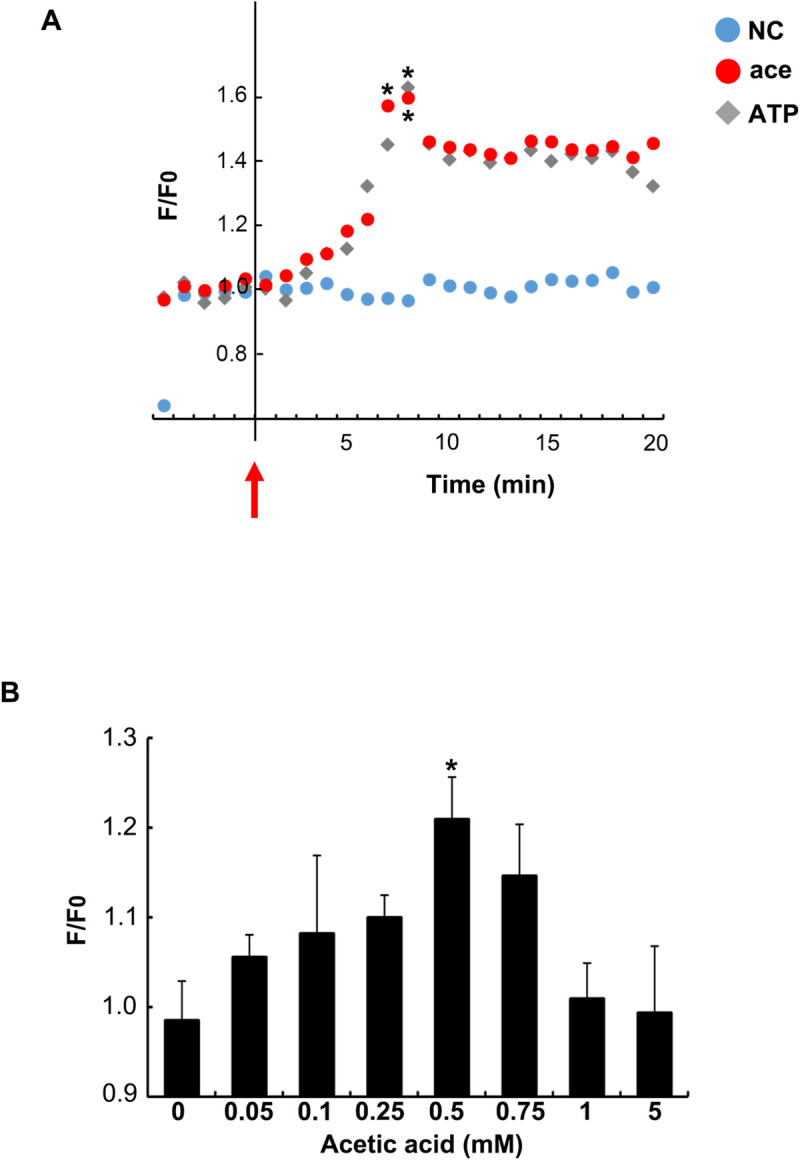
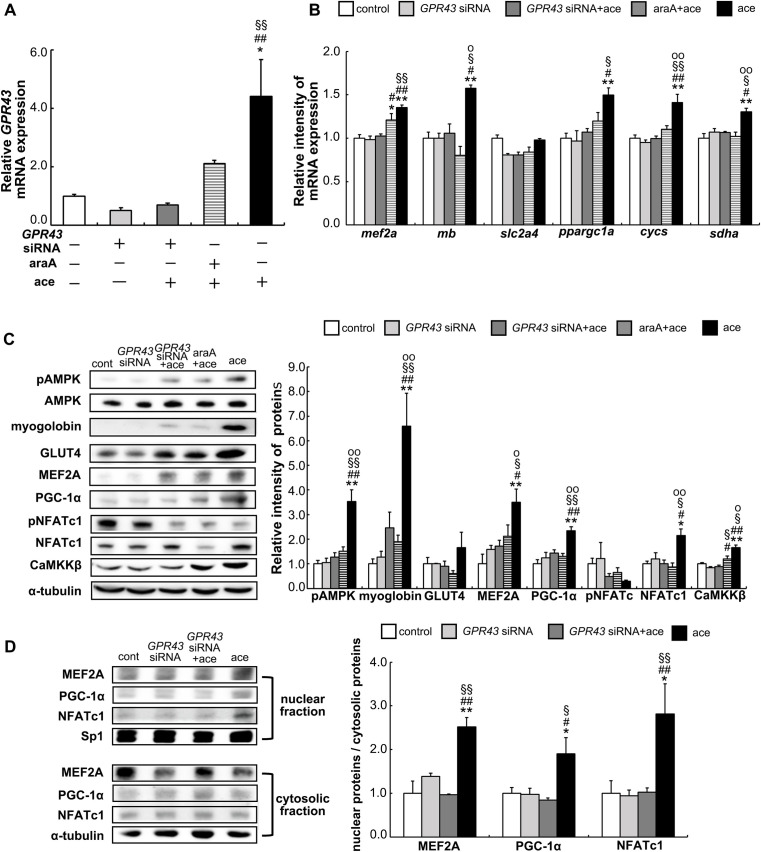
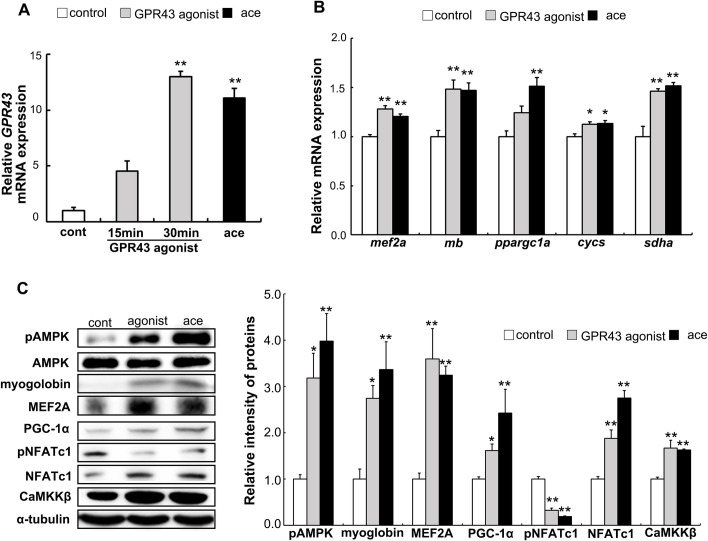
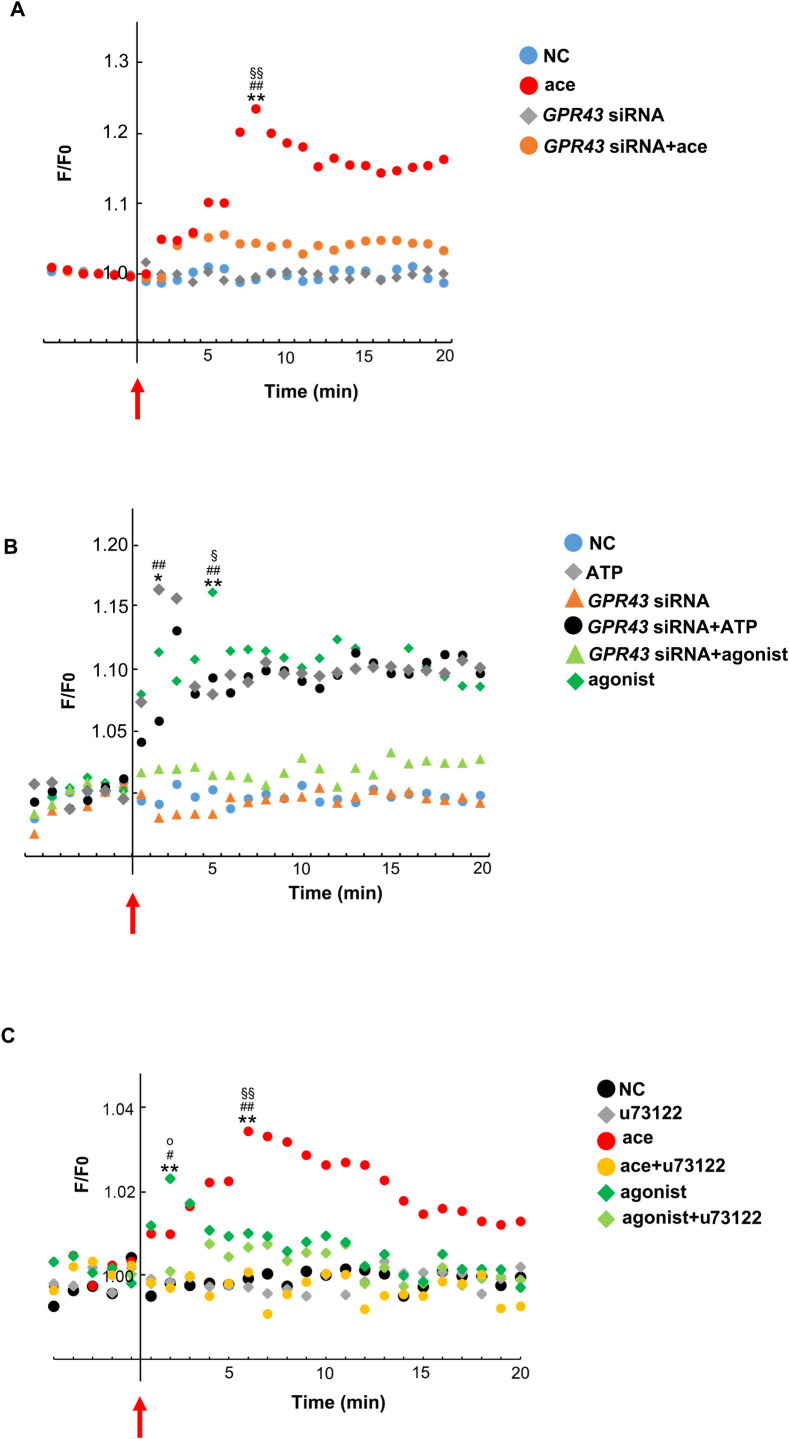
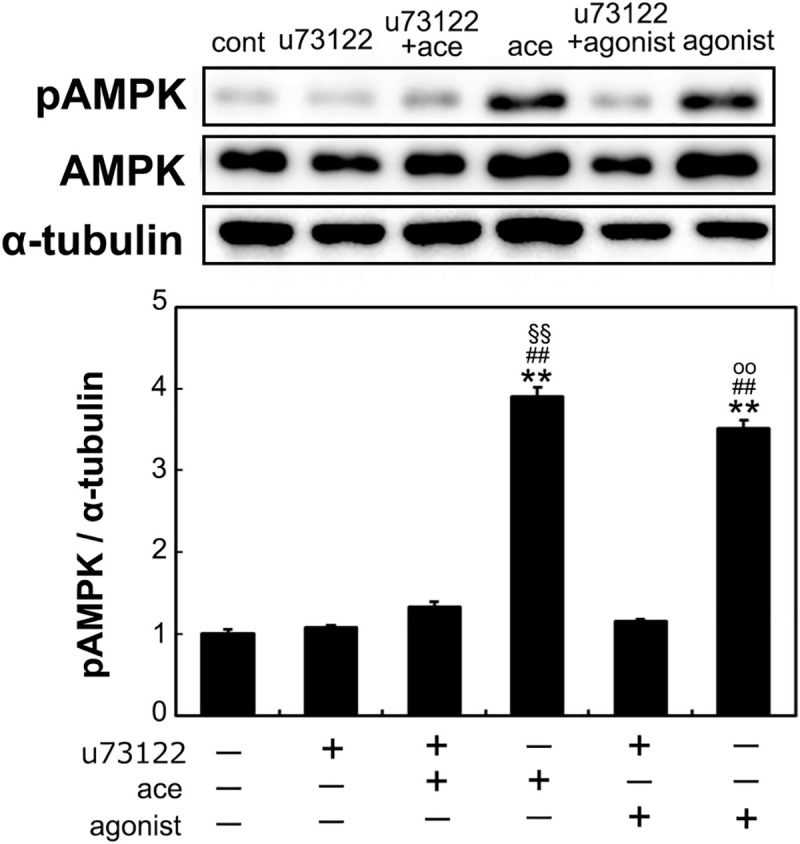
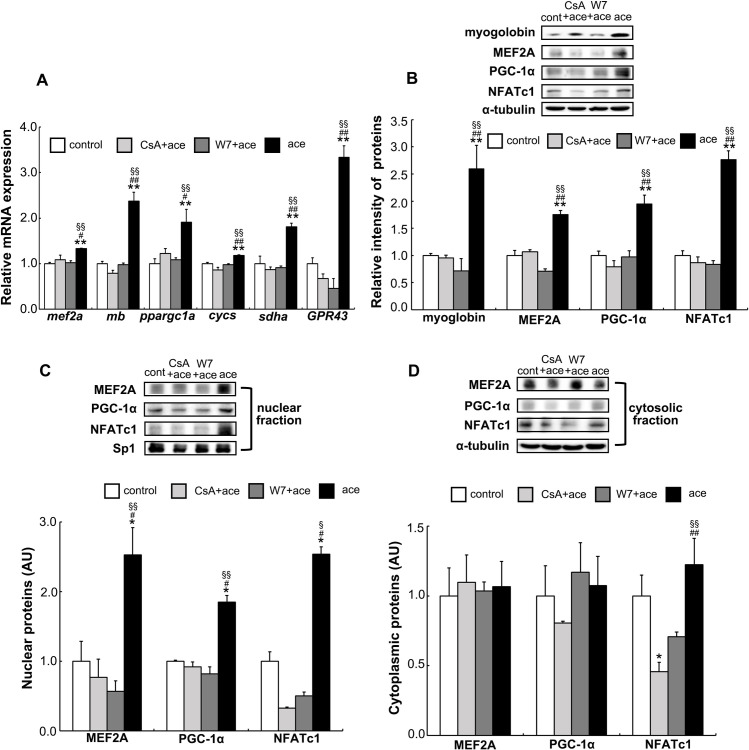
Short chain fatty acids (SCFAs) produced endogenously in the gut by bacterial fermentation of dietary fiber have been studied as nutrients that act as signaling molecules to activate G-protein coupled receptors (GPCRs) such as GPR41 and GPR43. GPR43 functioning involves the suppression of lipid accumulation and maintaining body energy homeostasis, and is activated by acetic acid or propionic acid. Previously, we reported that the orally administered acetic acid improves lipid metabolism in liver and skeletal muscles and suppresses obesity, thus improving glucose tolerance. Acetic acid stimulates AMP-activated protein kinase (AMPK) through its metabolic pathway in skeletal muscle cells. We hypothesized that acetic acid would stimulate GPR43 in skeletal muscle cells and has function in modulating gene expression related to muscle characteristics through its signal pathway. The objective of the current study was to clarify this effect of acetic acid. The GPR43 expression, observed in the differentiated myotube cells, was increased upon acetic acid treatment. Acetic acid induced the intracellular calcium influx in the cells and this induction was significantly inhibited by the GPR43-specific siRNA treatment. The calcineurin molecule is activated by calcium/calmodulin and is associated with proliferation of slow-twitch fibers. Calcineurin was activated by acetic acid treatment and inhibited by the concomitant treatment with GPR43-siRNA. Acetic acid induced nuclear localization of myocyte enhancer factor 2A (MEF2A), peroxisome proliferator-activated receptor γ coactivator-1α (PGC-1α), and nuclear factor of activated t cells c1 (NFATc1). However, these localizations were abolished by the treatment with GPR43-siRNA. It was concluded that acetic acid plays a role in the activation of GPR43 and involves the proliferation of slow-twitch fibers in L6 skeletal muscles through the calcium-signaling pathway caused by induction of intracellular calcium influx.
短链脂肪酸(SCFAs)是肠道内细菌发酵膳食纤维产生的内源性物质,已被研究为作为信号分子激活 G 蛋白偶联受体(GPCRs)的营养素,如 GPR41 和 GPR43。GPR43 的功能涉及抑制脂质积累和维持身体能量平衡,并且被乙酸或丙酸激活。以前,我们报道过口服乙酸可以改善肝脏和骨骼肌中的脂质代谢,抑制肥胖,从而改善葡萄糖耐量。乙酸通过其在骨骼肌细胞中的代谢途径刺激 AMP 激活的蛋白激酶(AMPK)。我们假设乙酸会刺激骨骼肌细胞中的 GPR43,并通过其信号通路调节与肌肉特征相关的基因表达。本研究的目的是阐明乙酸的这种作用。在分化的肌管细胞中观察到 GPR43 的表达,在乙酸处理后增加。乙酸诱导细胞内钙离子内流,这种诱导作用被 GPR43 特异性 siRNA 处理显著抑制。钙调神经磷酸酶分子被钙/钙调蛋白激活,并与慢收缩纤维的增殖有关。钙调神经磷酸酶被乙酸处理激活,并被同时用 GPR43-siRNA 处理抑制。乙酸诱导肌细胞增强因子 2A(MEF2A)、过氧化物酶体增殖物激活受体 γ 共激活因子 1α(PGC-1α)和激活的 T 细胞核因子 c1(NFATc1)的核定位。然而,这些定位被 GPR43-siRNA 处理所消除。结论是,乙酸在 GPR43 的激活中起作用,并通过诱导细胞内钙离子内流引起的钙信号通路,涉及 L6 骨骼肌中慢收缩纤维的增殖。