Department of Ophthalmology, Graduate School of Medical Sciences, Kyushu University, Fukuoka 812-8582, Japan.
Division of Neurofunctional Genomics, Department of Immunobiology and Neuroscience, Medical Institute of Bioregulation, Kyushu University, Fukuoka 812-8582, Japan.
Int J Mol Sci. 2020 Sep 28;21(19):7170. doi: 10.3390/ijms21197170.
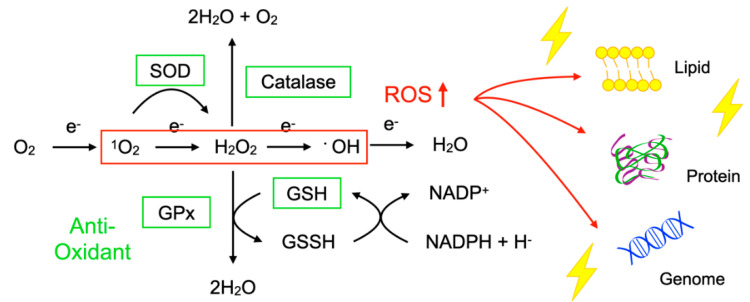
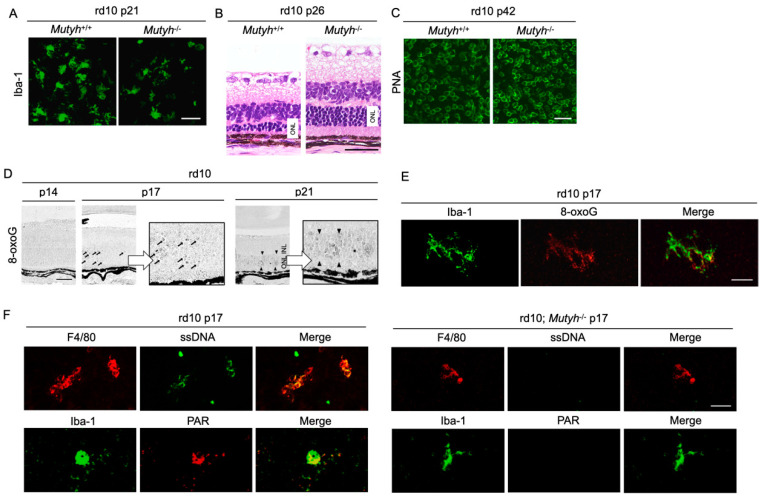
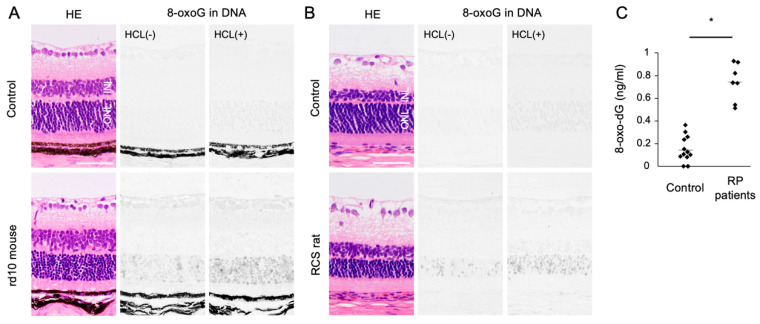
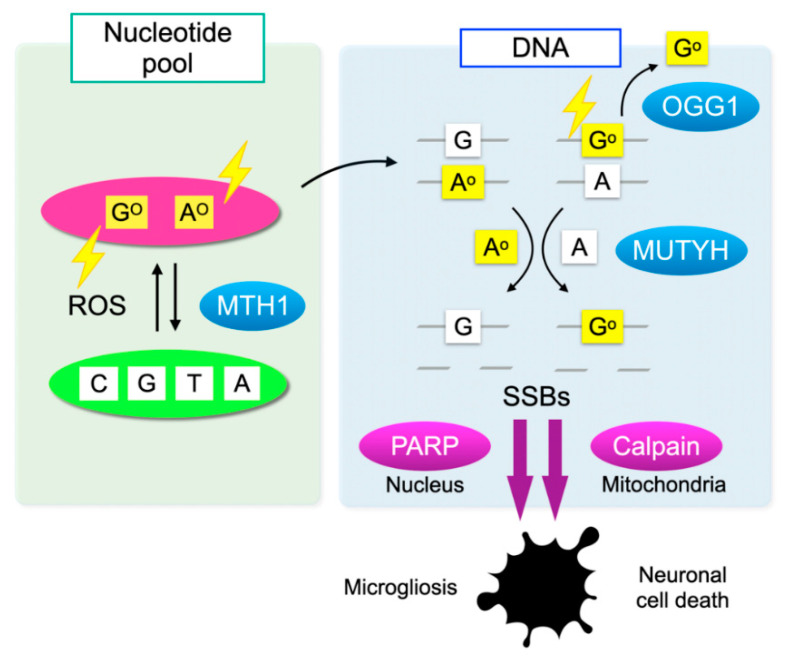
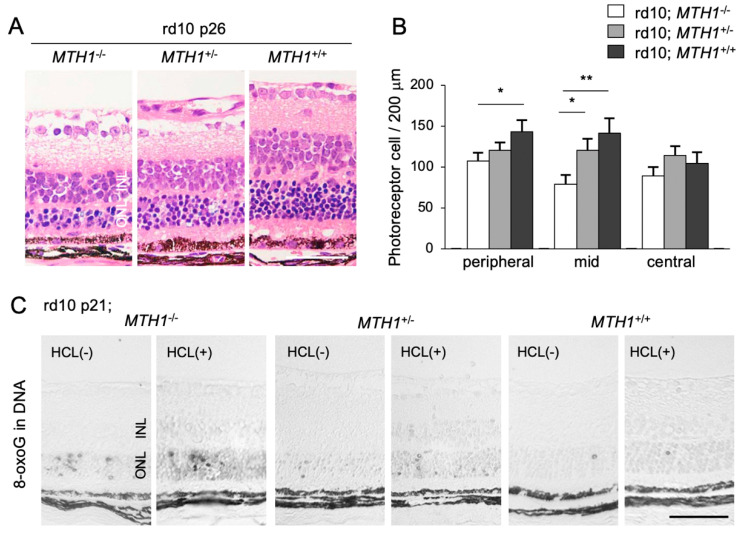
An imbalance between the production of reactive oxygen species (ROS) and anti-oxidant capacity results in oxidative injury to cellular components and molecules, which in turn disturbs the homeostasis of cells and organs. Although retinitis pigmentosa (RP) is a hereditary disease, non-genetic biological factors including oxidative stress also modulate or contribute to the disease progression. In animal models of RP, the degenerating retina exhibits marked oxidative damage in the nucleic acids, proteins, and lipids, and anti-oxidant treatments substantially suppress photoreceptor cell death and microgliosis. Although the mechanisms by which oxidative stress mediates retinal degeneration have not been fully elucidated, our group has shown that oxidative DNA damage and its defense system are key regulators of microglial activation and photoreceptor degeneration in RP. In this review, we summarize the current evidence regarding oxidative stress in animal models and patients with RP. The clinical efficacy of anti-oxidant treatments for RP has not been fully established. Nevertheless, elucidating key biological processes that underlie oxidative damage in RP will be pivotal to understanding the pathology and developing a potent anti-oxidant strategy that targets specific cell types or molecules under oxidative stress.
活性氧(ROS)的产生与抗氧化能力之间失衡会导致细胞成分和分子发生氧化损伤,进而扰乱细胞和器官的内稳态。虽然色素性视网膜炎(RP)是一种遗传性疾病,但包括氧化应激在内的非遗传生物因素也会调节或促进疾病进展。在 RP 的动物模型中,退化的视网膜在核酸、蛋白质和脂质中表现出明显的氧化损伤,抗氧化治疗可显著抑制光感受器细胞死亡和小胶质细胞增生。虽然氧化应激介导视网膜变性的机制尚未完全阐明,但我们的研究小组已经表明,氧化 DNA 损伤及其防御系统是 RP 中小胶质细胞激活和光感受器变性的关键调节剂。在这篇综述中,我们总结了目前关于 RP 动物模型和患者中氧化应激的证据。抗氧化治疗 RP 的临床疗效尚未完全确定。然而,阐明 RP 中氧化损伤的关键生物学过程对于理解病理学和开发针对特定细胞类型或氧化应激下特定分子的有效抗氧化策略至关重要。