Ding Chengzhi, Xi Gaoyuan, Wang Guolei, Cui Dong, Zhang Binbin, Wang Hongtao, Jiang Gongqian, Song Jingchao, Xu Guanghui, Wang Jiao
Department of Thoracic Surgery, Henan Provincial Chest Hospital, Zhengzhou, China.
Department of Anesthesiology, Henan Provincial Chest Hospital, Zhengzhou, China.
Front Genet. 2020 Aug 28;11:962. doi: 10.3389/fgene.2020.00962. eCollection 2020.
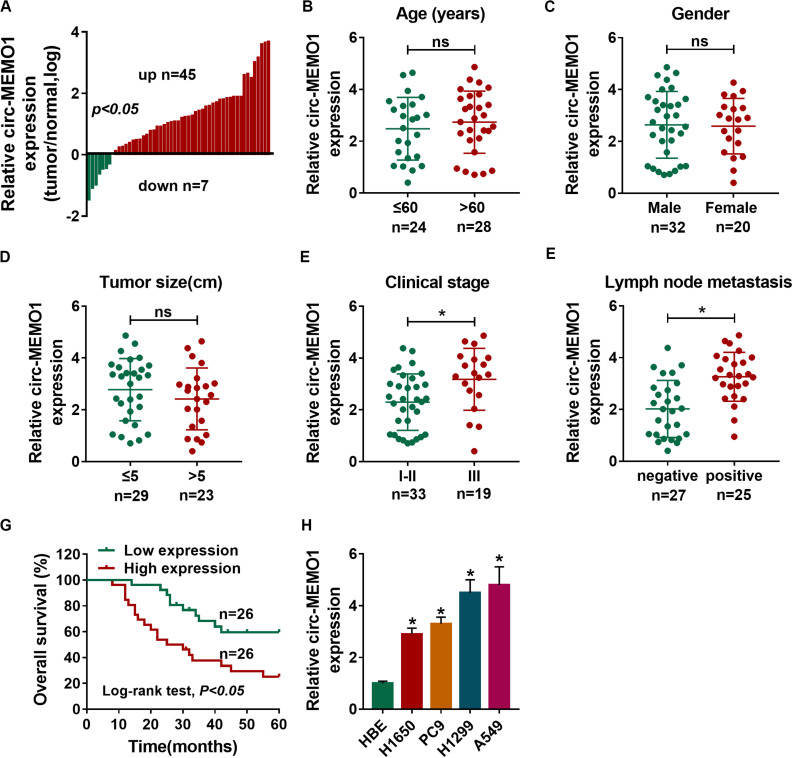
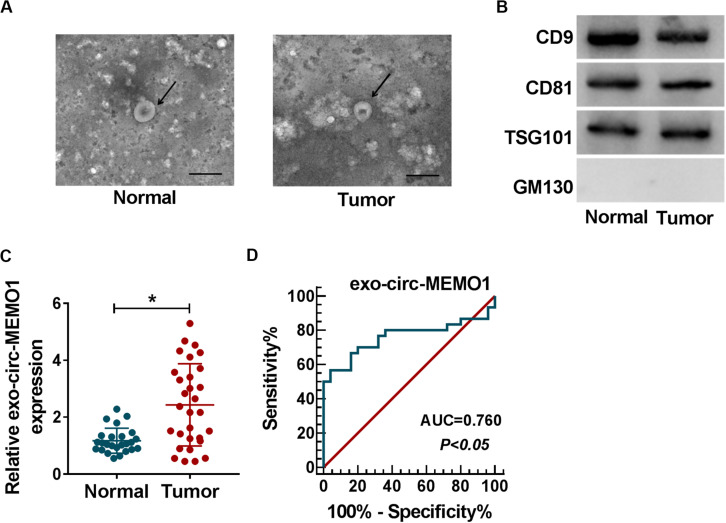
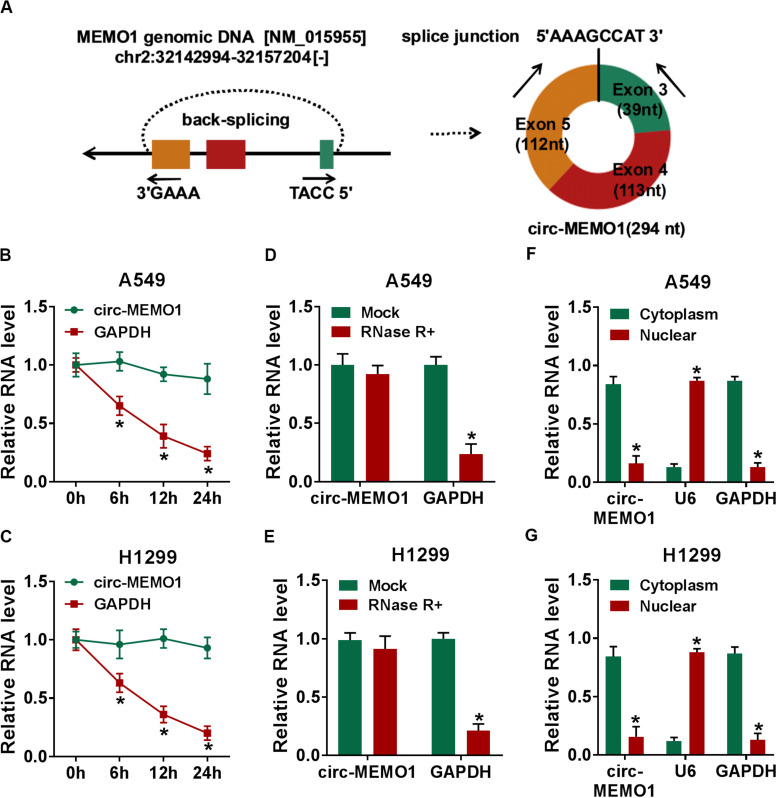
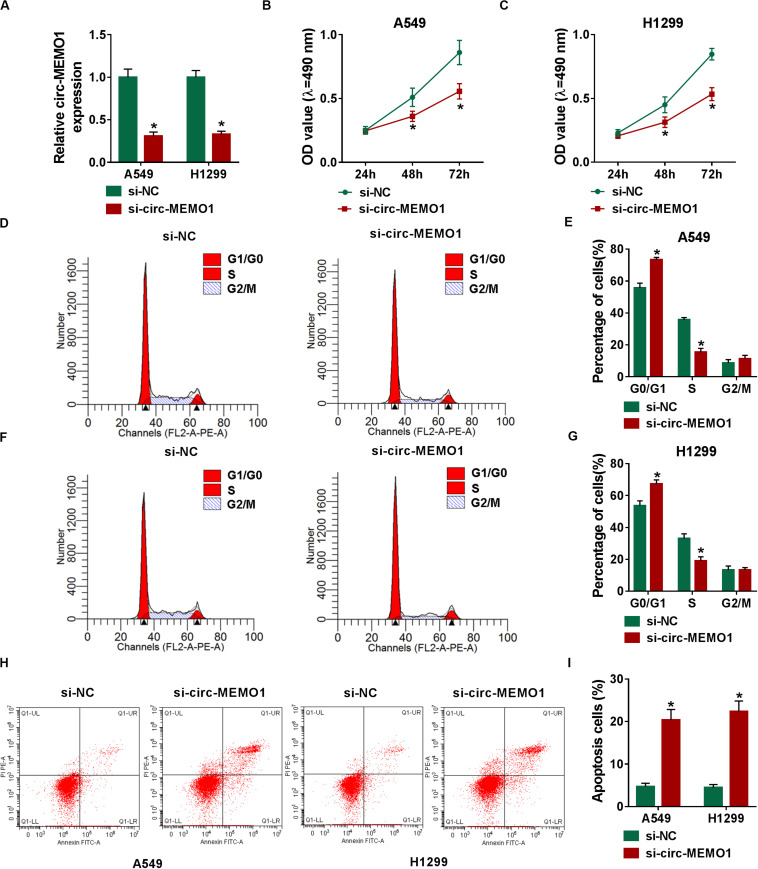
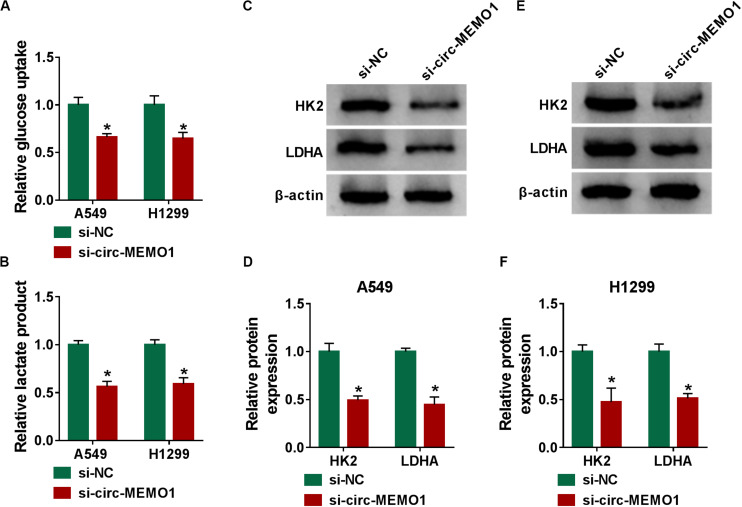
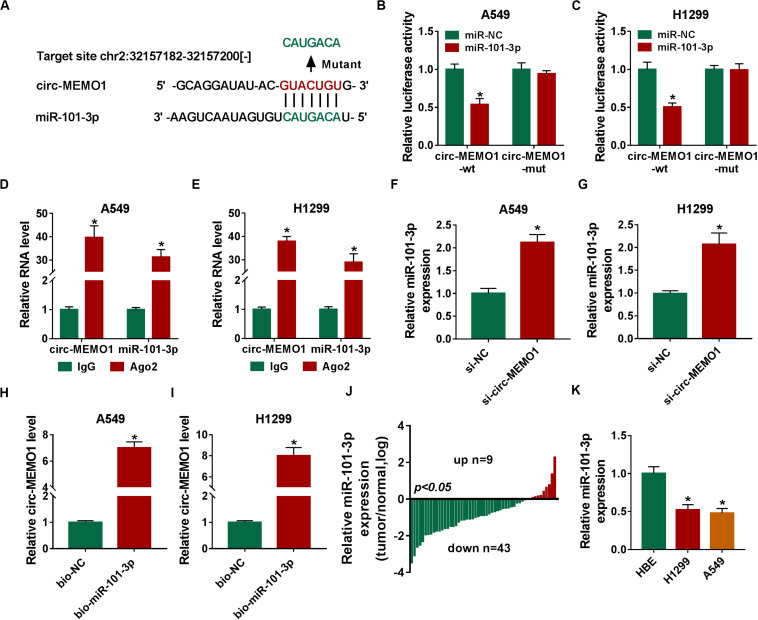
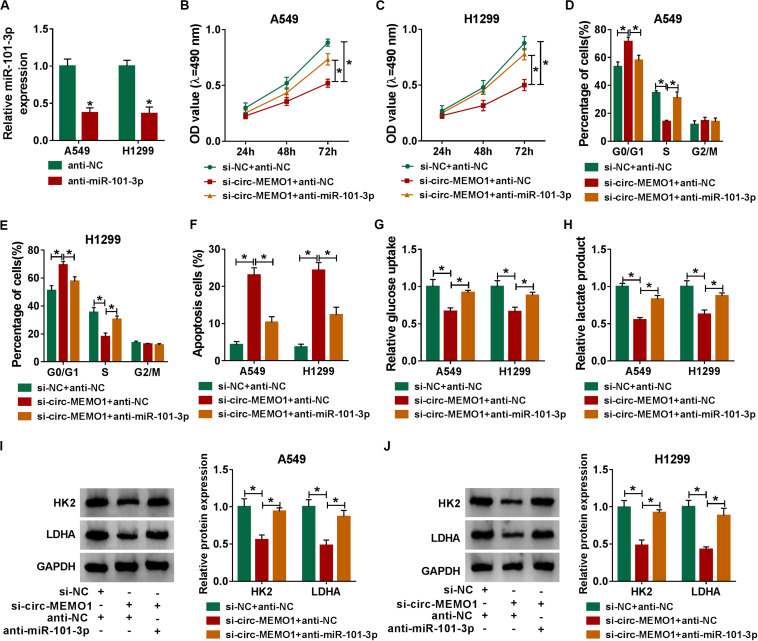
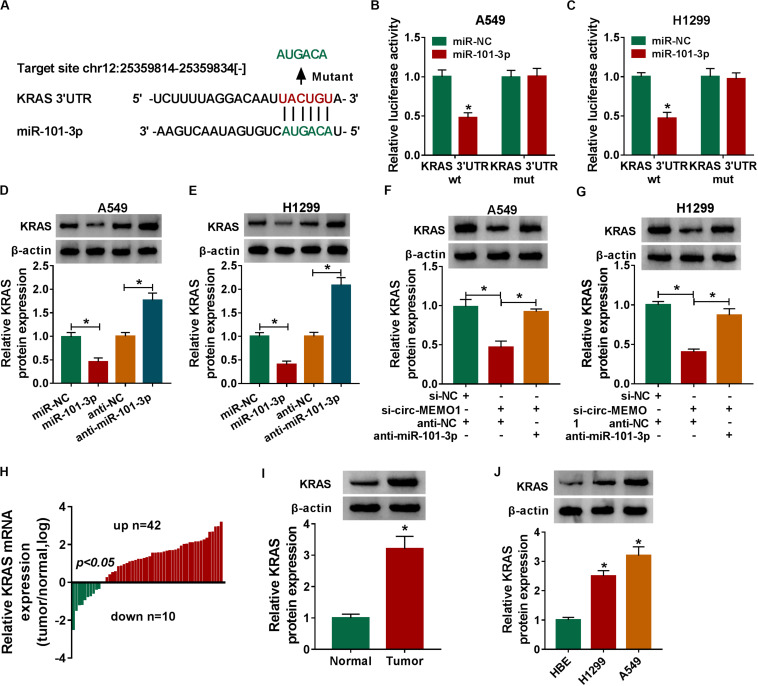
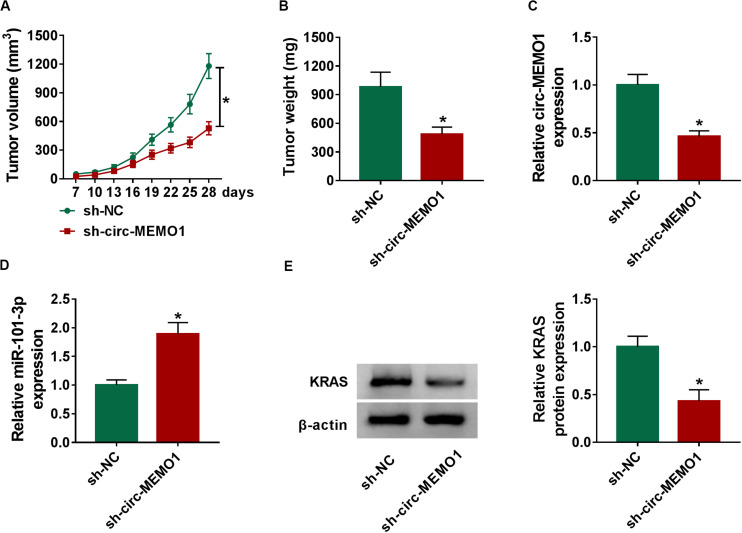
Circular RNA mediator of cell motility 1 (circ-MEMO1) was identified as an oncogene in non-small cell lung cancer (NSCLC). Nevertheless, the working mechanism behind circ-MEMO1-mediated progression of NSCLC is barely known. Quantitative real-time polymerase chain reaction (qRT-PCR) was applied to detect the expression of circ-MEMO1, microRNA-101-3p (miR-101-3p), and KRAS proto-oncogene, GTPase (KRAS). Cell proliferation and aerobic glycolysis were detected by 3-(4,5-Dimethylthiazol-2-yl)-2,5-diphenyltetrazolium bromide (MTT) assay and glycolysis detection kits. Flow cytometry was used to evaluate cell cycle progression and apoptosis of NSCLC cells. Western blot assay was used to measure the protein expression of hexokinase 2 (HK2), lactate dehydrogenase A (LDHA), KRAS, CD9, CD81, tumor susceptibility 101 (TSG101), and Golgi matrix protein 130 kDa (GM130). The target relationship between miR-101-3p and circ-MEMO1 or KRAS was predicted by StarBase software and confirmed by dual-luciferase reporter assay, RNA immunoprecipitation (RIP) assay, and RNA-pull down assay. tumor growth assay was conducted to assess the effect of circ-MEMO1 . Exosomes were isolated using the ExoQuick precipitation kit. Circ-MEMO1 was up-regulated in NSCLC, and high expression of circ-MEMO1 predicted poor prognosis in NSCLC patients. Circ-MEMO1 accelerated the proliferation, cell cycle progression, and glycolytic metabolism and inhibited the apoptosis of NSCLC cells. Circ-MEMO1 negatively regulated the expression of miR-101-3p through direct interaction, and si-circ-MEMO1-induced biological effects were attenuated by the introduction of anti-miR-101-3p. MiR-101-3p directly interacted with the 3' untranslated region (3' UTR) of KRAS messenger RNA (mRNA), and KRAS level was regulated by circ-MEMO1/miR-101-3p axis. Circ-MEMO1 silencing suppressed the NSCLC tumor growth . ROC curve analysis revealed that high expression of serum exosomal circ-MEMO1 (exo-circ-MEMO1) might be a valuable diagnostic marker for NSCLC. Circ-MEMO1 facilitated the progression and glycolysis of NSCLC through regulating miR-101-3p/KRAS axis.
细胞运动性环状RNA介质1(circ-MEMO1)被鉴定为非小细胞肺癌(NSCLC)中的一种癌基因。然而,circ-MEMO1介导的NSCLC进展背后的作用机制却鲜为人知。应用定量实时聚合酶链反应(qRT-PCR)检测circ-MEMO1、微小RNA-101-3p(miR-101-3p)和KRAS原癌基因GTP酶(KRAS)的表达。通过3-(4,5-二甲基噻唑-2-基)-2,5-二苯基四氮唑溴盐(MTT)法和糖酵解检测试剂盒检测细胞增殖和有氧糖酵解。流式细胞术用于评估NSCLC细胞的细胞周期进程和凋亡。蛋白质印迹法用于检测己糖激酶2(HK2)、乳酸脱氢酶A(LDHA)、KRAS、CD9、CD81、肿瘤易感性101(TSG101)和高尔基体基质蛋白130 kDa(GM130)的蛋白表达。通过StarBase软件预测miR-101-3p与circ-MEMO1或KRAS之间的靶向关系,并通过双荧光素酶报告基因检测、RNA免疫沉淀(RIP)检测和RNA下拉检测进行验证。进行肿瘤生长实验以评估circ-MEMO1的作用。使用ExoQuick沉淀试剂盒分离外泌体。circ-MEMO1在NSCLC中上调,其高表达预示NSCLC患者预后不良。circ-MEMO1促进NSCLC细胞的增殖、细胞周期进程和糖酵解代谢,并抑制其凋亡。circ-MEMO1通过直接相互作用负向调节miR-101-3p的表达,而抗miR-101-3p的导入减弱了si-circ-MEMO1诱导的生物学效应。miR-101-3p直接与KRAS信使核糖核酸(mRNA)的3'非翻译区(3'UTR)相互作用,KRAS水平受circ-MEMO1/miR-101-3p轴调控。circ-MEMO1沉默抑制NSCLC肿瘤生长。ROC曲线分析显示,血清外泌体circ-MEMO1(exo-circ-MEMO1)高表达可能是NSCLC的一个有价值的诊断标志物。circ-MEMO1通过调节miR-101-3p/KRAS轴促进NSCLC的进展和糖酵解。