Division of Pulmonology and Critical Care Medicine, Department of Internal Medicine, Faculty of Medicine, Universitas Padjadjaran, Hasan Sadikin Hospital, Bandung, 40161, Indonesia; Department of Internal Medicine, Faculty of Medicine, Universitas Padjadjaran, Hasan Sadikin Hospital, Bandung, 40161, Indonesia.
Department of Internal Medicine, Faculty of Medicine, Universitas Padjadjaran, Hasan Sadikin Hospital, Bandung, 40161, Indonesia; Division of Endocrine and Metabolism, Department of Internal Medicine, Faculty of Medicine, Universitas Padjadjaran, Hasan Sadikin Hospital, Bandung, 40161, Indonesia.
Diabetes Metab Syndr. 2020 Nov-Dec;14(6):1897-1904. doi: 10.1016/j.dsx.2020.09.029. Epub 2020 Sep 28.
Corona virus diseases 2019 (COVID-19) pandemic spread rapidly. Growing evidences that overweight and obesity which extent nearly a third of the world population were associated with severe COVID-19. This study aimed to explore the association and risk of increased BMI and obesity with composite poor outcome in COVID-19 adult patients.
We conducted a systematic literature search from PubMed and Embase database. We included all original research articles in COVID-19 adult patients and obesity based on classification of Body Mass Index (BMI) and composite poor outcome which consist of ICU admission, ARDS, severe COVID-19, use of mechanical ventilation, hospital admission, and mortality.
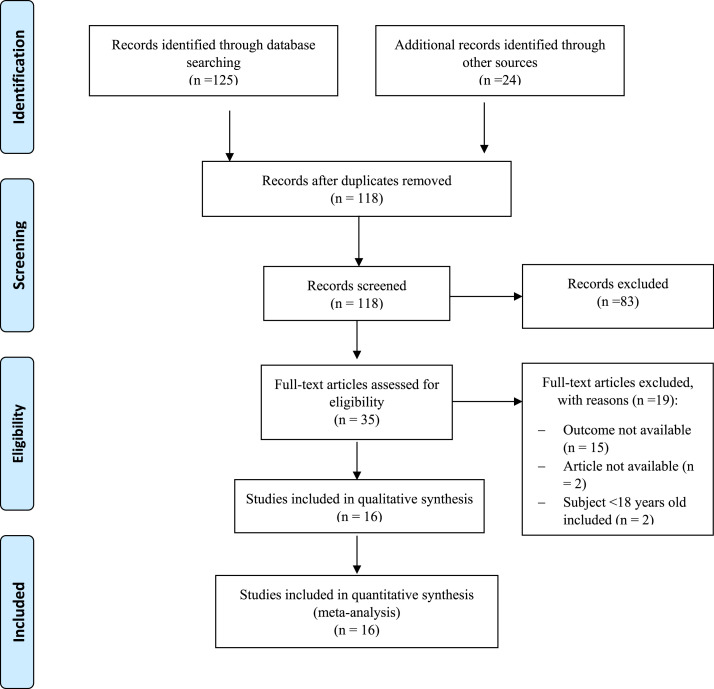
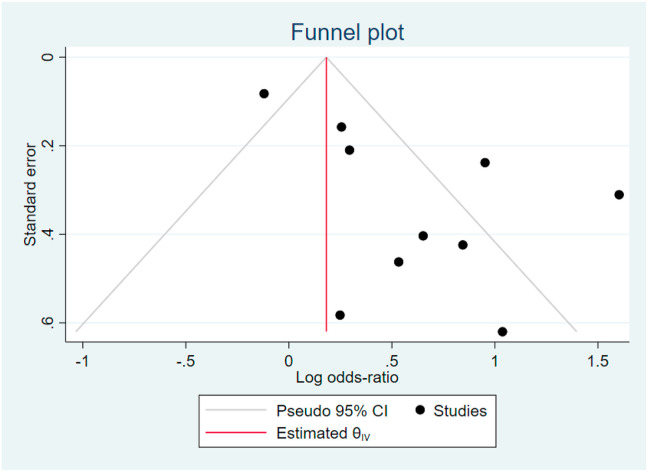
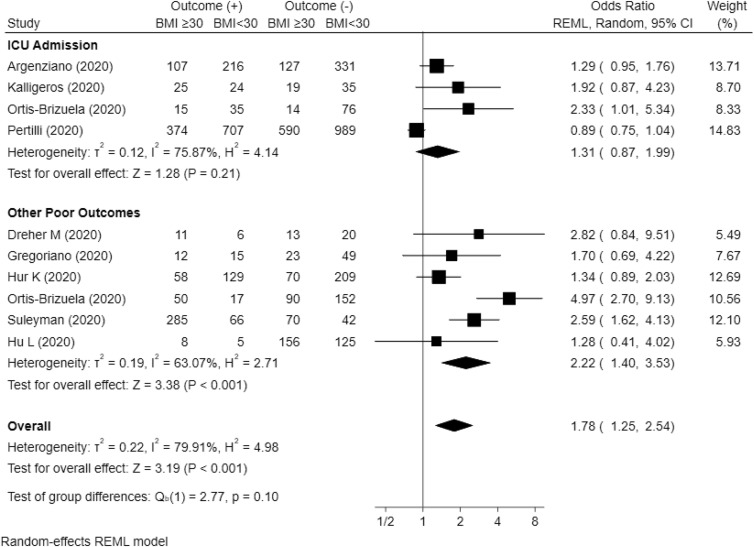
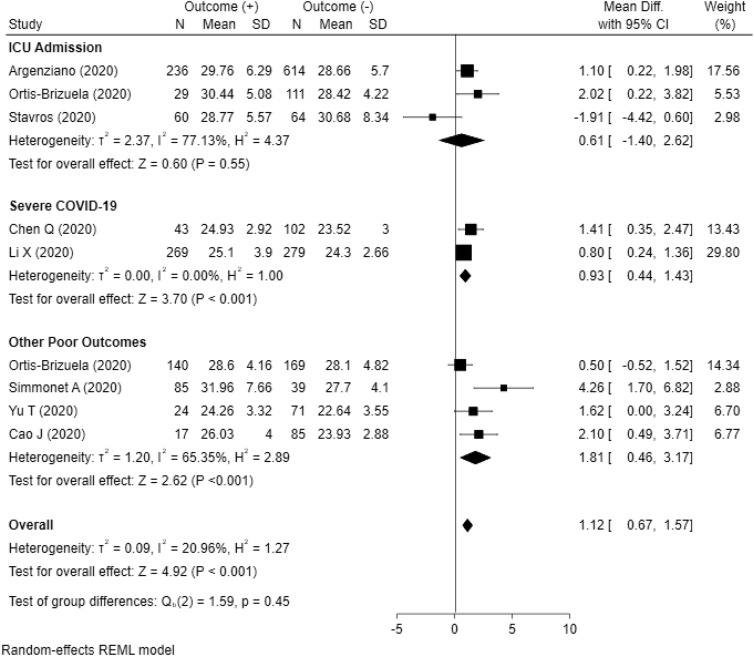
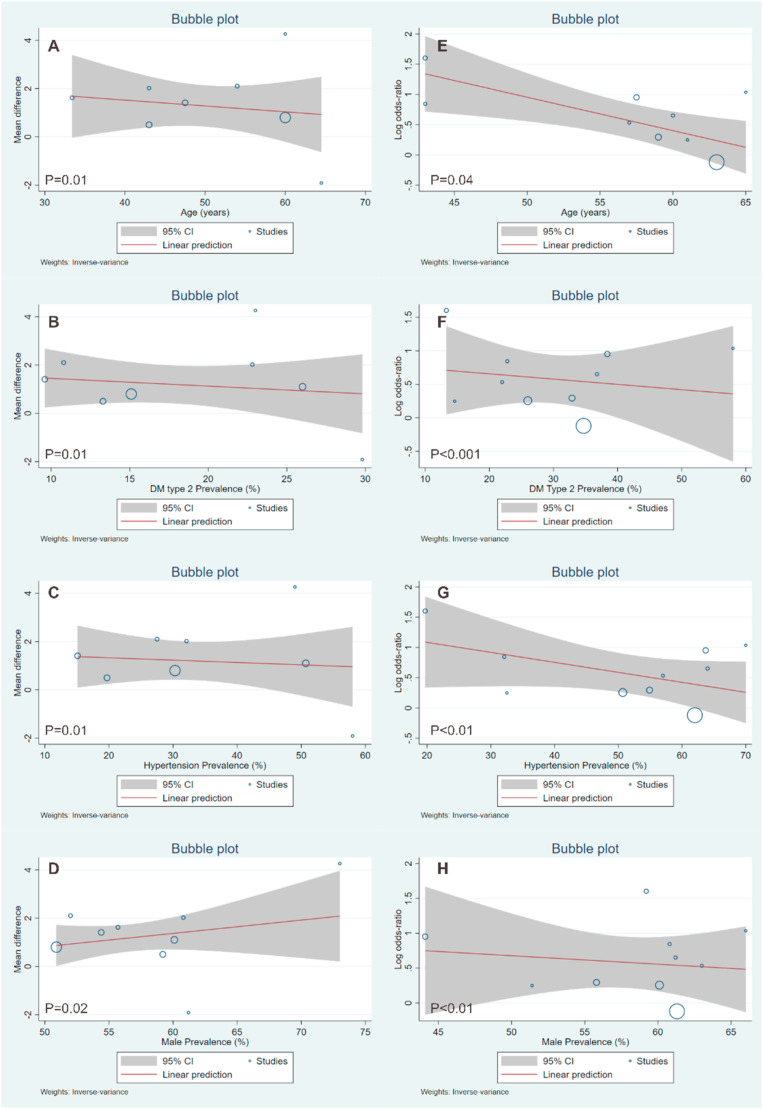
Sixteen studies were included in meta-analysis with 9 studies presented BMI as continuous outcome and 10 studies presented BMI as dichotomous outcome (cut-off ≥30 kg/m). COVID-19 patients with composite poor outcome had higher BMI with mean difference 1.12 (95% CI, 0.67-1.57, P < 0.001). Meanwhile, obesity was associated with composite poor outcome with odds ratio (OR) = 1.78 (95% CI, 1.25-2.54, P < 0.001) Multivariate meta-regression showed the association between BMI and obesity on composite poor outcome were affected by age, gender, DM type 2, and hypertension.
Obesity is a risk factor of composite poor outcome of COVID-19. On the other hand, COVID-19 patients with composite poor outcome have higher BMI. BMI is an important routine procedure that should always be assessed in the management of COVID-19 patients and special attention should be given to patients with obesity.
2019 年冠状病毒病(COVID-19)疫情迅速蔓延。越来越多的证据表明,超重和肥胖——这一比例几乎占世界人口的三分之一——与严重的 COVID-19 有关。本研究旨在探讨 COVID-19 成年患者中 BMI 增加和肥胖与复合不良结局的相关性和风险。
我们从 PubMed 和 Embase 数据库中进行了系统的文献检索。我们纳入了所有基于 BMI(体重指数)分类和包含 ICU 入院、ARDS、严重 COVID-19、使用机械通气、住院和死亡率的复合不良结局的 COVID-19 成年患者的原始研究文章。
共有 16 项研究纳入荟萃分析,其中 9 项研究以 BMI 为连续结局,10 项研究以 BMI 为二分类结局(切点≥30 kg/m²)。复合不良结局的 COVID-19 患者 BMI 更高,平均差值为 1.12(95%CI,0.67-1.57,P<0.001)。同时,肥胖与复合不良结局相关,比值比(OR)=1.78(95%CI,1.25-2.54,P<0.001)。多变量荟萃回归显示,BMI 和肥胖与复合不良结局的关联受年龄、性别、2 型糖尿病和高血压的影响。
肥胖是 COVID-19 复合不良结局的危险因素。另一方面,复合不良结局的 COVID-19 患者 BMI 较高。BMI 是 COVID-19 患者管理中的一个重要常规程序,应始终进行评估,特别应关注肥胖患者。