Section for Infection Medicine, Department of Clinical Sciences, Lund University, 221 84 Lund, Sweden.
Division of Hematology and Transfusion Medicine, Department of Laboratory Medicine, Lund University, 221 84 Lund, Sweden.
Int J Mol Sci. 2020 Sep 30;21(19):7234. doi: 10.3390/ijms21197234.
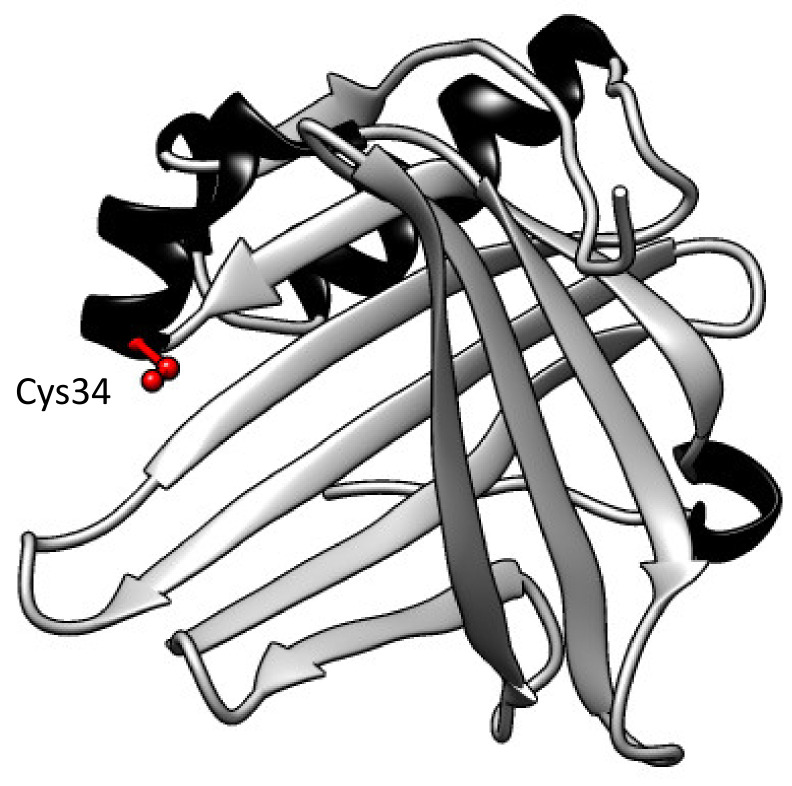
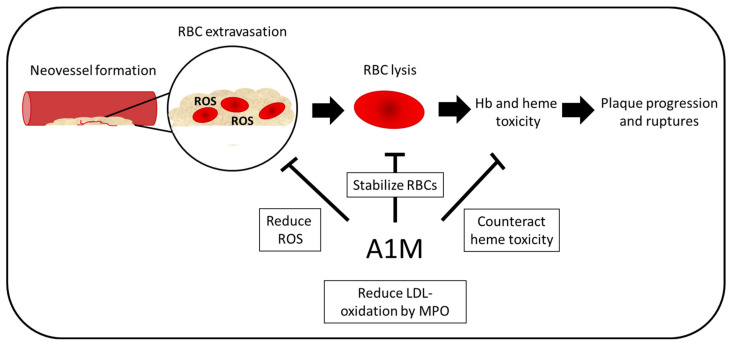
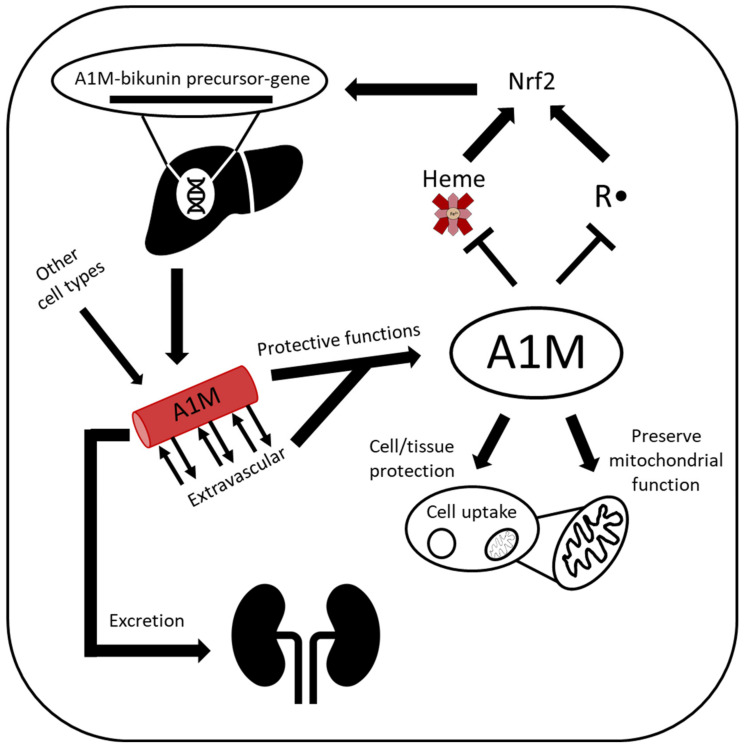
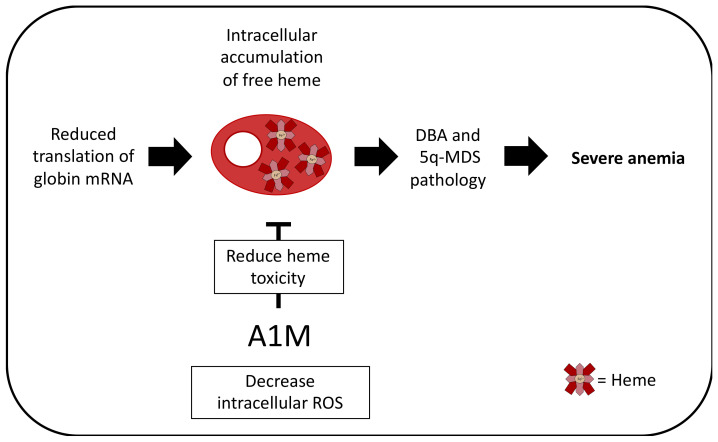
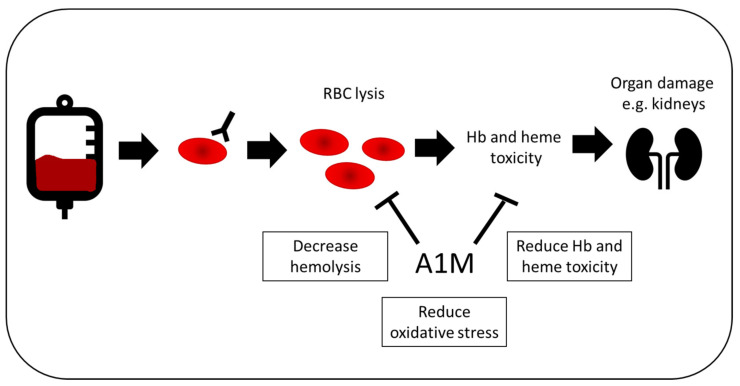
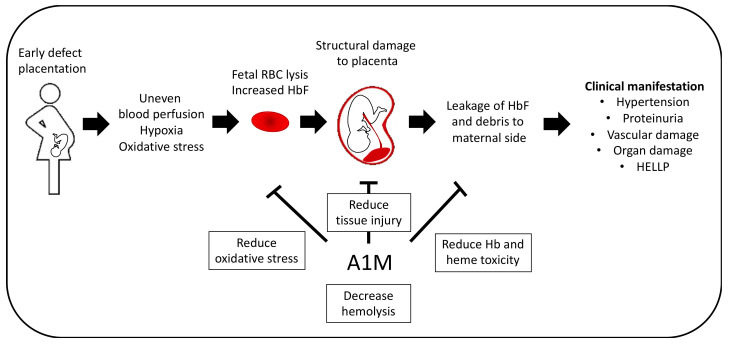
α-microglobulin (A1M) is a small protein present in vertebrates including humans. It has several physiologically relevant properties, including binding of heme and radicals as well as enzymatic reduction, that are used in the protection of cells and tissue. Research has revealed that A1M can ameliorate heme and ROS-induced injuries in cell cultures, organs, explants and animal models. Recently, it was shown that A1M could reduce hemolysis in vitro, observed with several different types of insults and sources of RBCs. In addition, in a recently published study, it was observed that mice lacking A1M (A1M-KO) developed a macrocytic anemia phenotype. Altogether, this suggests that A1M may have a role in RBC development, stability and turnover. This opens up the possibility of utilizing A1M for therapeutic purposes in pathological conditions involving erythropoietic and hemolytic abnormalities. Here, we provide an overview of A1M and its potential therapeutic effect in the context of the following erythropoietic and hemolytic conditions: Diamond-Blackfan anemia (DBA), 5q-minus myelodysplastic syndrome (5q-MDS), blood transfusions (including storage), intraventricular hemorrhage (IVH), preeclampsia (PE) and atherosclerosis.
α-微球蛋白(A1M)是一种存在于包括人类在内的脊椎动物中的小蛋白。它具有几种与生理相关的特性,包括结合血红素和自由基以及酶还原,这些特性用于保护细胞和组织。研究表明,A1M 可以减轻细胞培养物、器官、外植体和动物模型中血红素和 ROS 诱导的损伤。最近,研究表明 A1M 可以减少体外几种不同类型的刺激物和 RBC 来源的溶血。此外,在最近发表的一项研究中,观察到缺乏 A1M 的小鼠(A1M-KO)出现巨红细胞贫血表型。总的来说,这表明 A1M 可能在 RBC 发育、稳定性和周转率中发挥作用。这为在涉及红细胞生成和溶血异常的病理条件下利用 A1M 进行治疗开辟了可能性。在这里,我们概述了 A1M 及其在以下红细胞生成和溶血情况下的潜在治疗效果:范可尼贫血(DBA)、5q- 骨髓增生异常综合征(5q-MDS)、输血(包括储存)、脑室内出血(IVH)、先兆子痫(PE)和动脉粥样硬化。