Physiology Graduate Program, Michigan State University, East Lansing, MI 48824, United States.
Department of Physiology, Michigan State University, East Lansing, MI 48824, United States.
Biochem Pharmacol. 2020 Dec;182:114259. doi: 10.1016/j.bcp.2020.114259. Epub 2020 Oct 2.
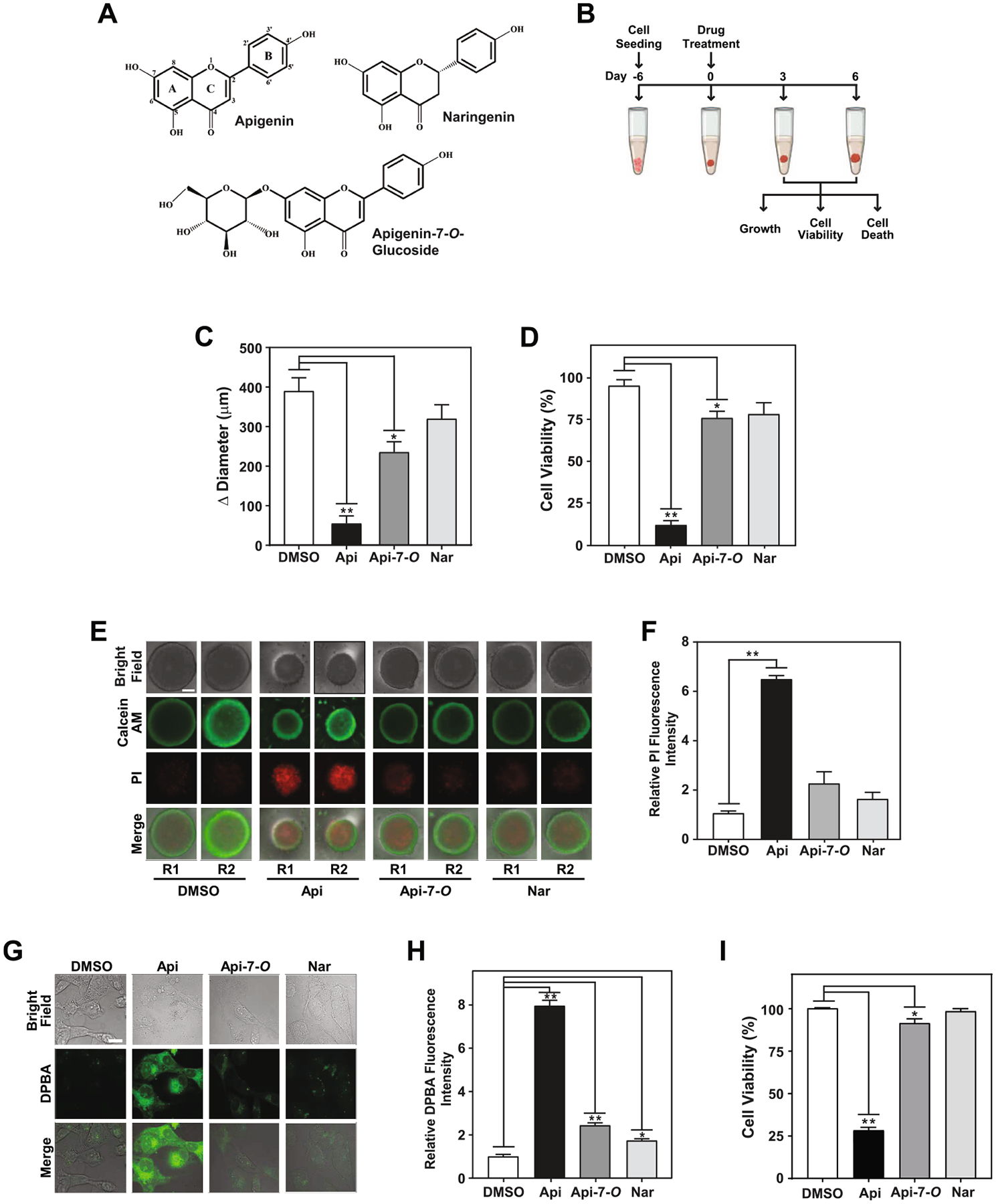
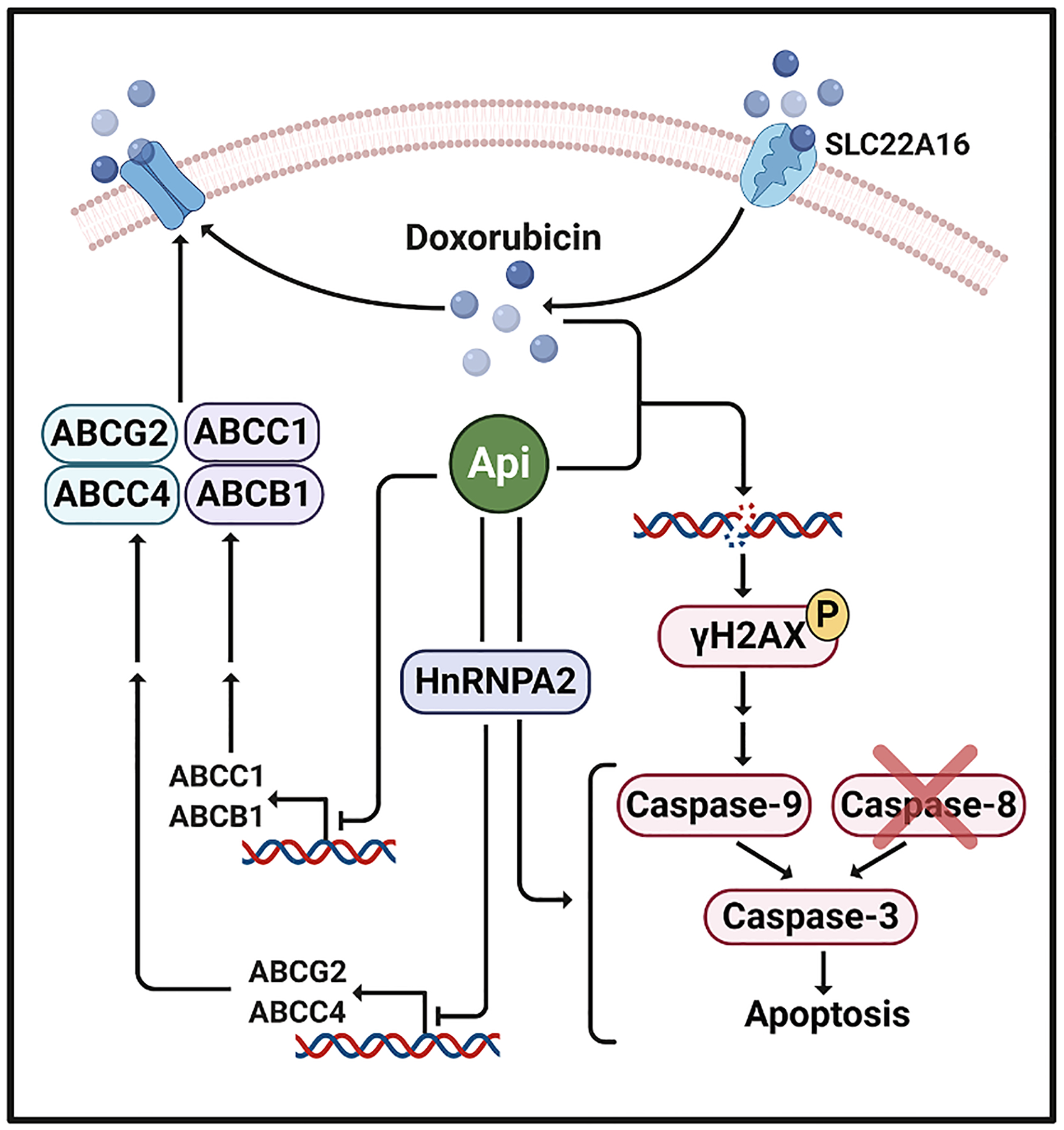
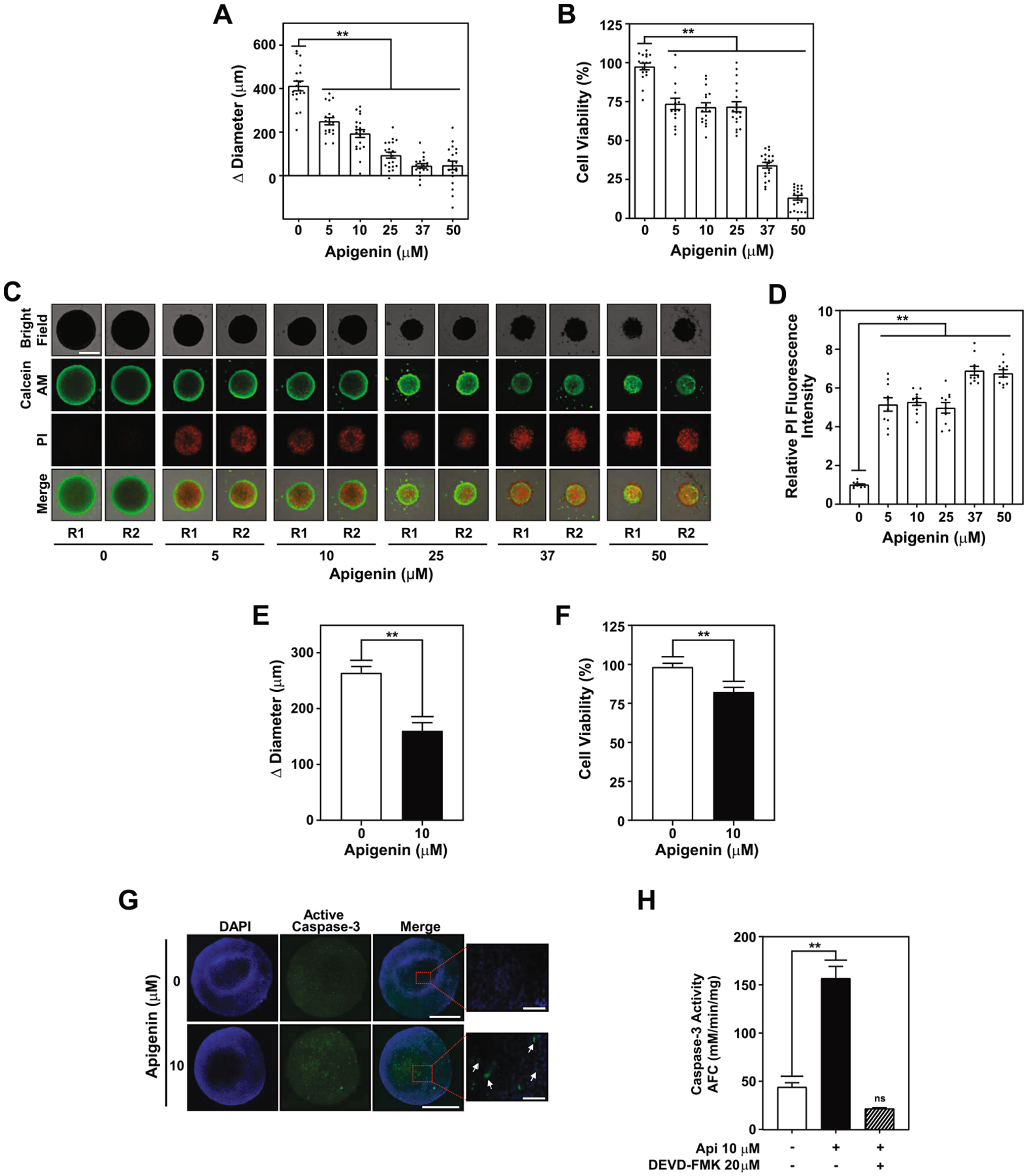
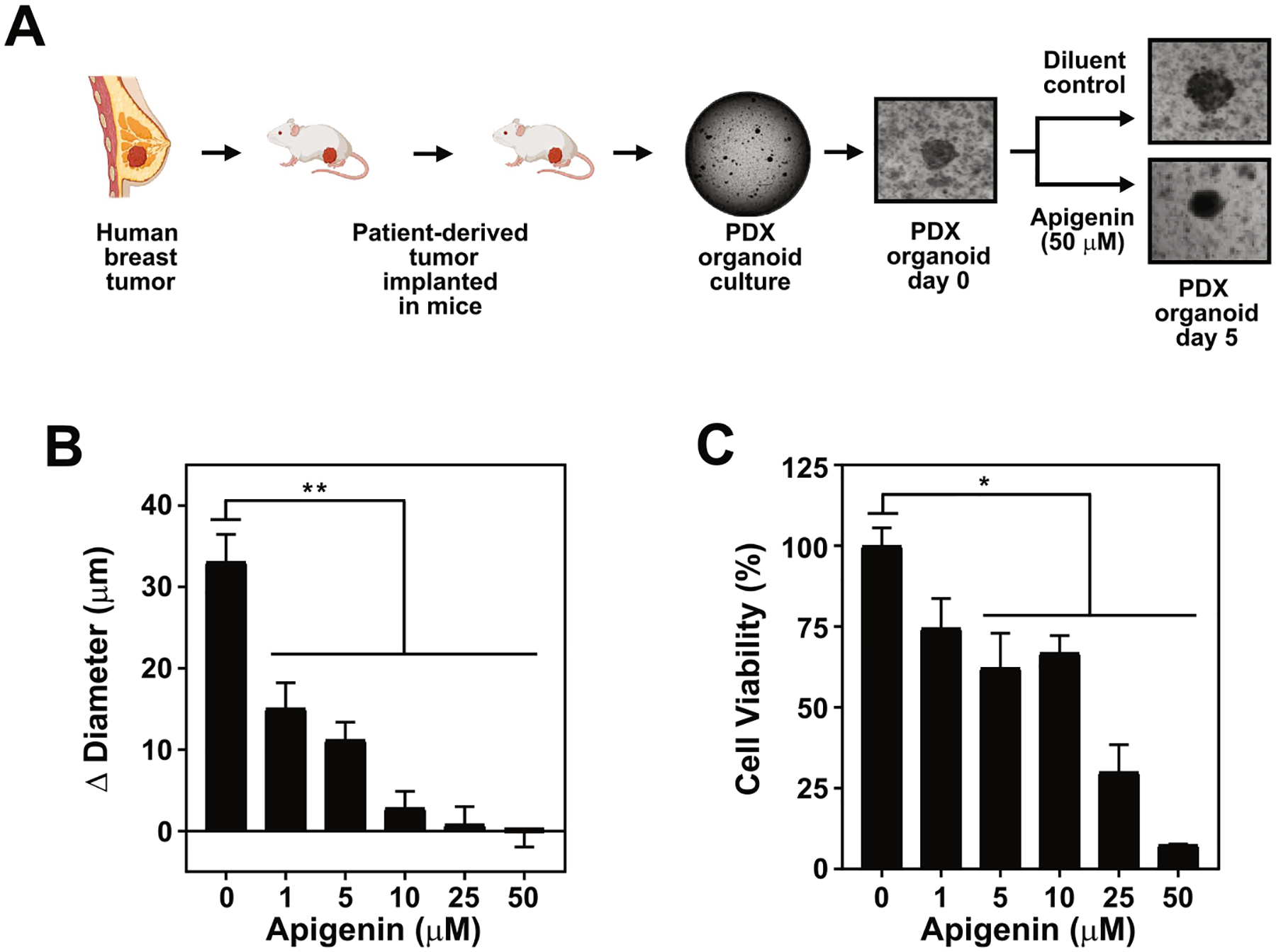
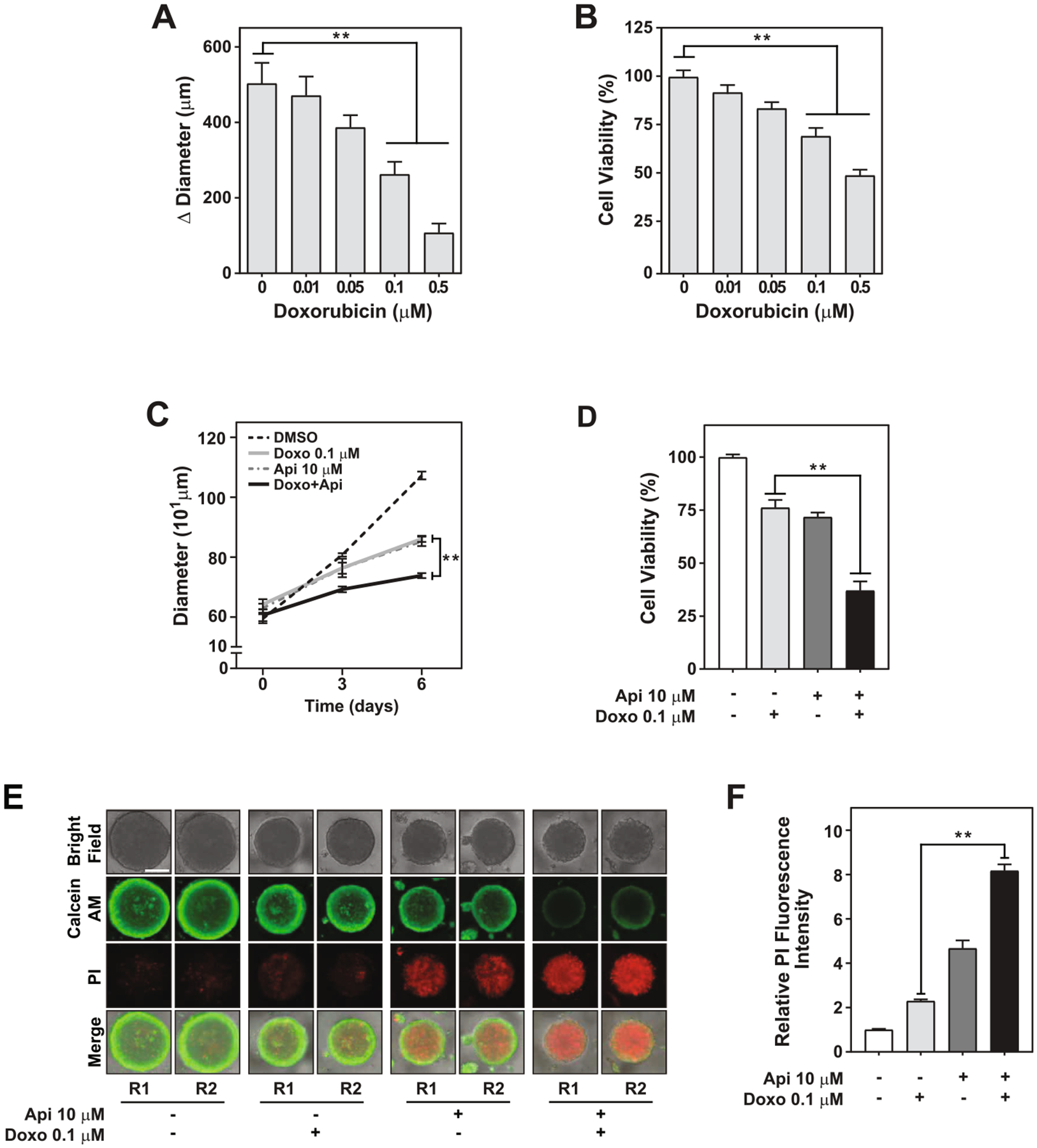
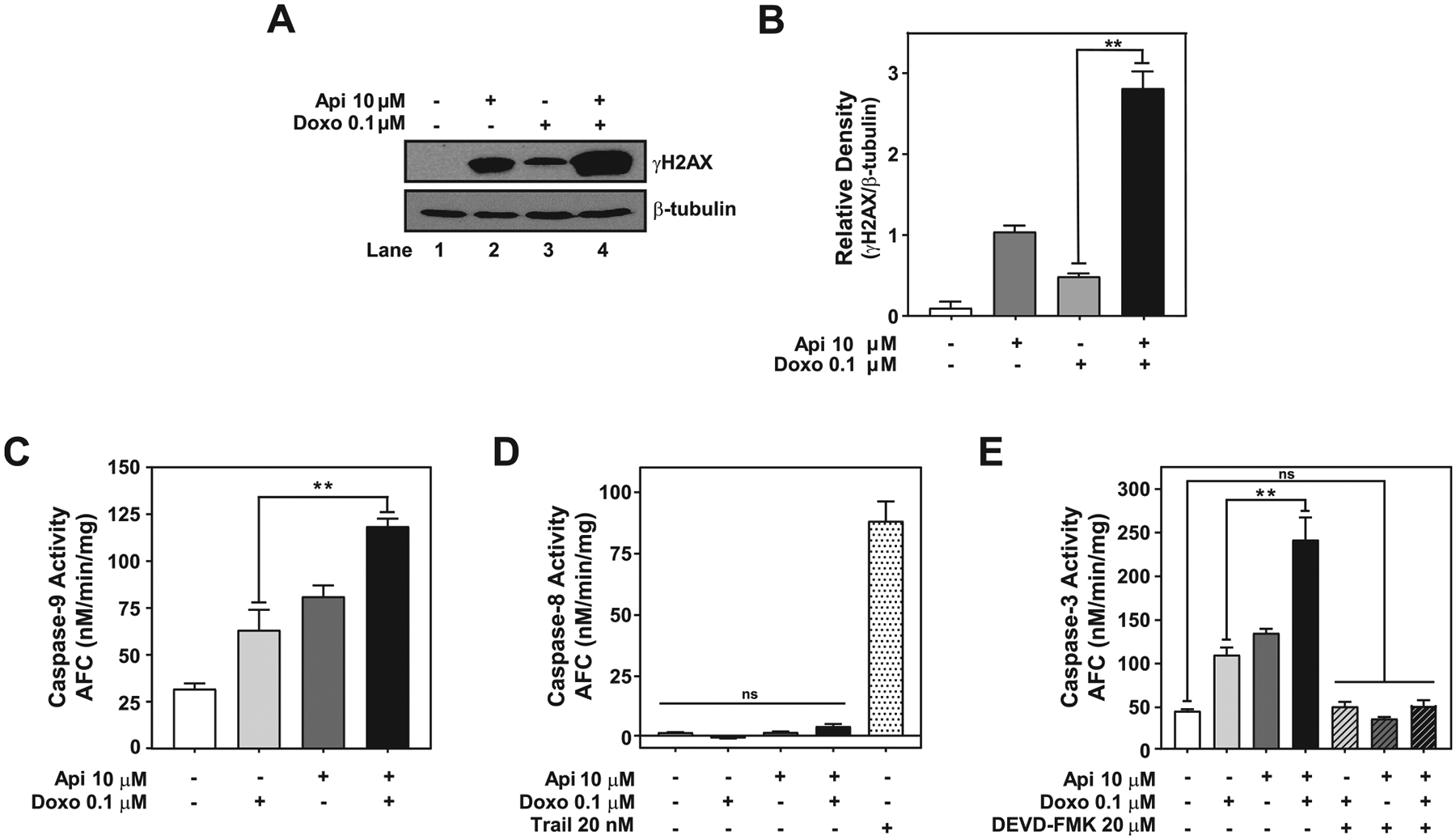
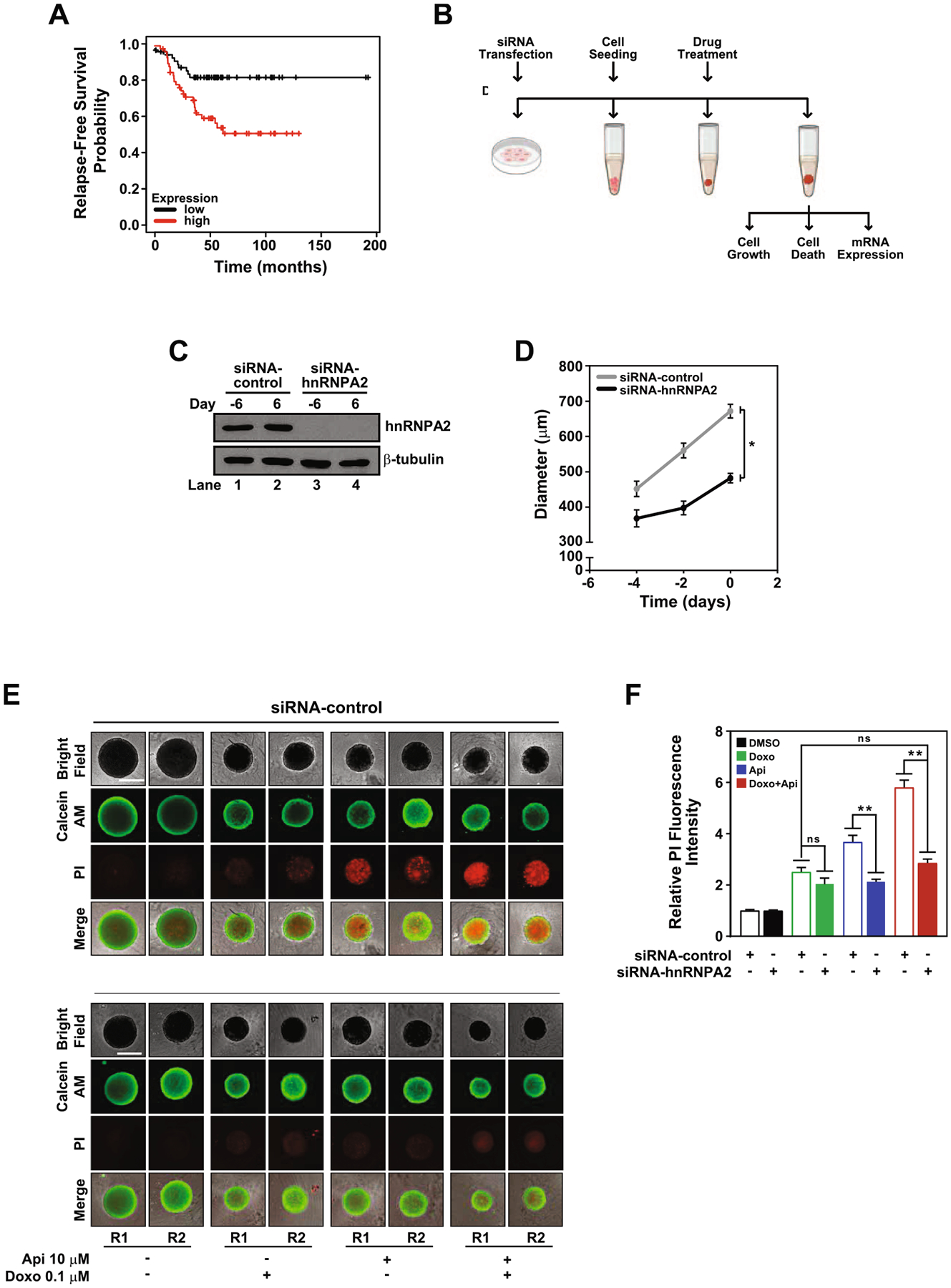
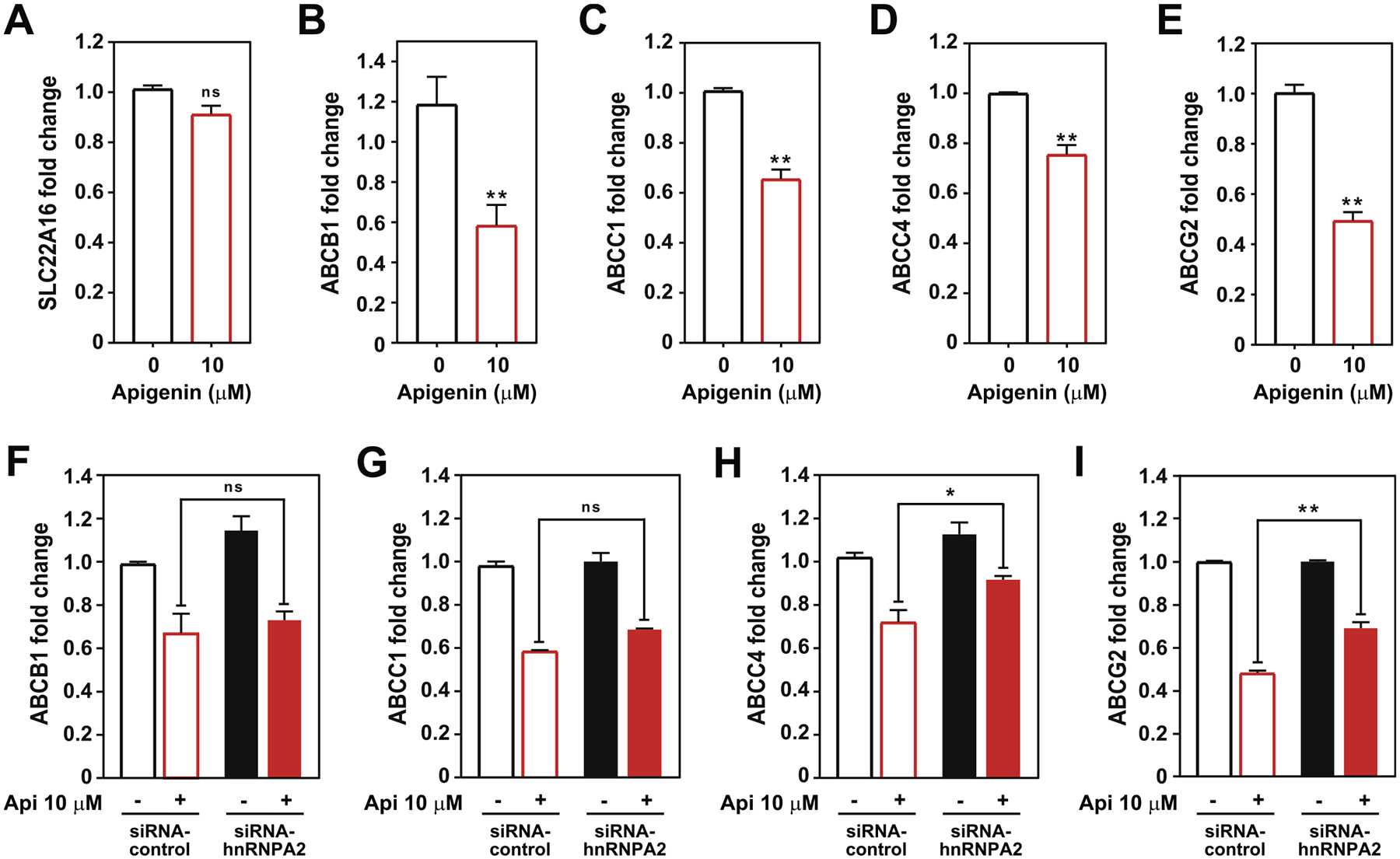
Acquired resistance to doxorubicin is a major hurdle in triple-negative breast cancer (TNBC) therapy, emphasizing the need to identify improved strategies. Apigenin and other structurally related dietary flavones are emerging as potential chemo-sensitizers, but their effect on three-dimensional TNBC spheroid models has not been investigated. We previously showed that apigenin associates with heterogeneous ribonuclear protein A2/B1 (hnRNPA2), an RNA-binding protein involved in mRNA and co-transcriptional regulation. However, the role of hnRNPA2 in apigenin chemo-sensitizing activity has not been investigated. Here, we show that apigenin induced apoptosis in TNBC spheroids more effectively than apigenin-glycoside, owing to higher cellular uptake. Moreover, apigenin inhibited the growth of TNBC patient-derived organoids at an in vivo achievable concentration. Apigenin sensitized spheroids to doxorubicin-induced DNA damage, triggering caspase-9-mediated intrinsic apoptotic pathway and caspase-3 activity. Silencing of hnRNPA2 decreased apigenin-induced sensitization to doxorubicin in spheroids by diminishing apoptosis and partly abrogated apigenin-mediated reduction of ABCC4 and ABCG2 efflux transporters. Together these findings provide novel insights into the critical role of hnRNPA2 in mediating apigenin-induced sensitization of TNBC spheroids to doxorubicin by increasing the expression of efflux transporters and apoptosis, underscoring the relevance of using dietary compounds as a chemotherapeutic adjuvant.
获得性多柔比星耐药是三阴性乳腺癌 (TNBC) 治疗的主要障碍,这强调了需要确定改进的策略。芹菜素和其他结构相关的饮食类黄酮作为潜在的化疗增敏剂正在出现,但它们对三维 TNBC 球体模型的影响尚未得到研究。我们之前表明,芹菜素与异质核糖核蛋白 A2/B1 (hnRNPA2) 相关,hnRNPA2 是一种参与 mRNA 和共转录调控的 RNA 结合蛋白。然而,hnRNPA2 在芹菜素化疗增敏活性中的作用尚未得到研究。在这里,我们表明,由于细胞摄取率更高,芹菜素比芹菜素糖苷更有效地诱导 TNBC 球体凋亡。此外,在体内可达到的浓度下,芹菜素抑制了源自 TNBC 患者的类器官的生长。芹菜素使球体对多柔比星诱导的 DNA 损伤敏感,触发半胱天冬酶-9 介导的内在凋亡途径和半胱天冬酶-3 活性。hnRNPA2 的沉默降低了球体中芹菜素对多柔比星的增敏作用,减少了凋亡,并部分消除了芹菜素介导的 ABCC4 和 ABCG2 外排转运蛋白的减少。这些发现提供了新的见解,阐明了 hnRNPA2 在介导芹菜素诱导的 TNBC 球体对多柔比星增敏中的关键作用,通过增加外排转运蛋白和凋亡的表达,强调了将膳食化合物用作化疗佐剂的相关性。