Graduate Program in Speech-Language Pathology, Yonsei University College of Medicine, Seoul, Republic of Korea.
Department and Research Institute of Rehabilitation Medicine, Yonsei University College of Medicine, Seoul, Republic of Korea.
JMIR Mhealth Uhealth. 2020 Oct 16;8(10):e22080. doi: 10.2196/22080.
Tongue pressure is an effective index of swallowing function, and it decreases with aging and disease progression. Previous research has shown beneficial effects of swallowing exercises combined with myofunctional tongue-strengthening therapy on tongue function. Tongue exercises delivered through mobile health (mHealth) technologies have the potential to advance health care in the digital age to be more efficient for people with limited resources, especially older adults.
The purpose of this study is to explore the immediate and long-term maintenance effects of an 8-week home-based mHealth app intervention with biweekly (ie, every 2 weeks) human mediation aimed at improving the swallowing tongue pressure in older adults.
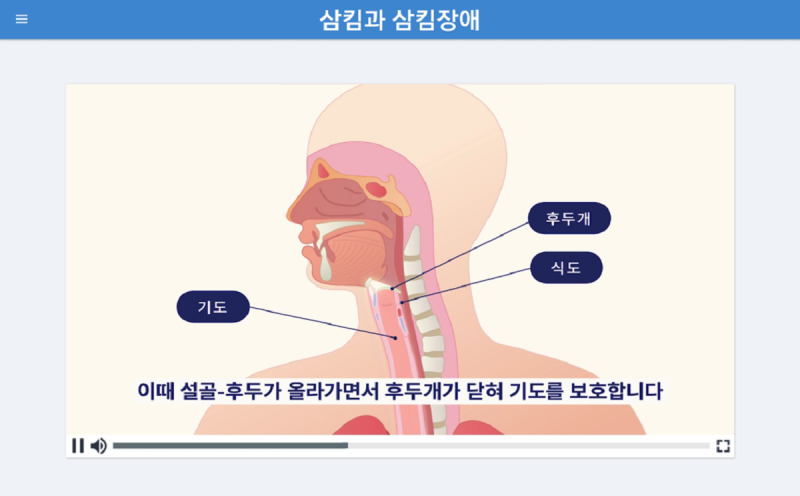
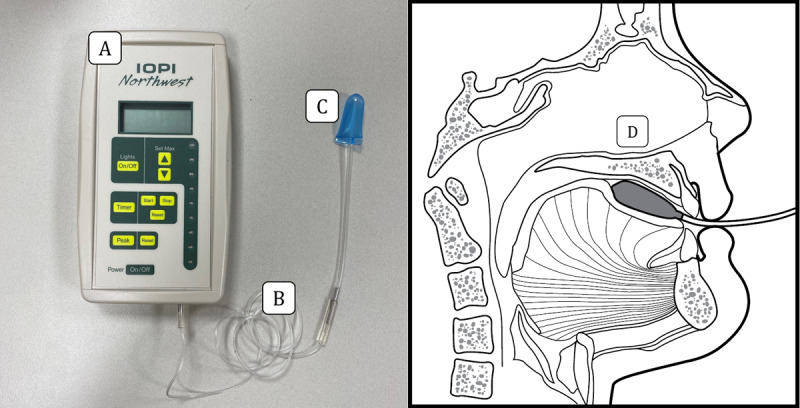
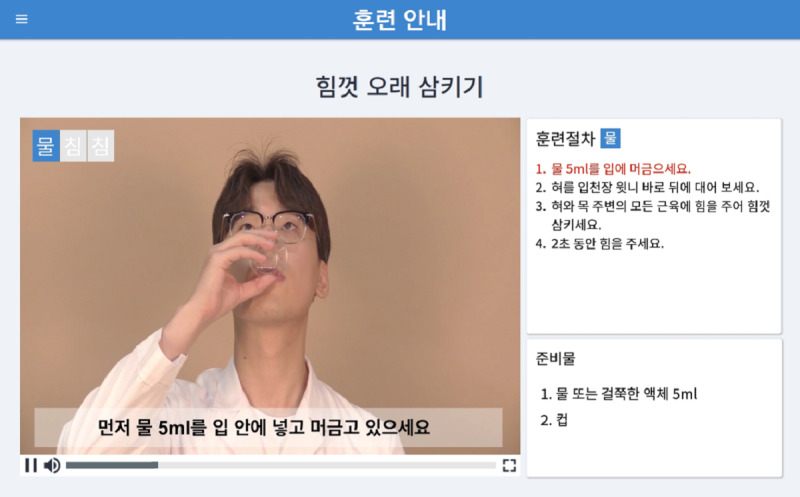
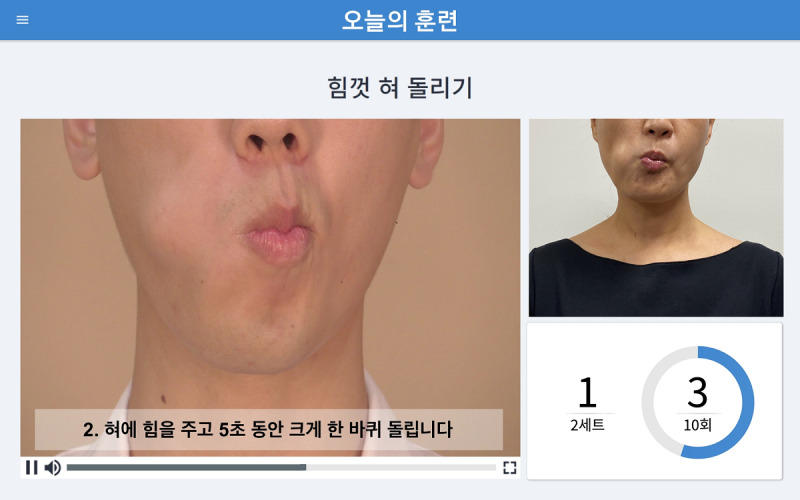
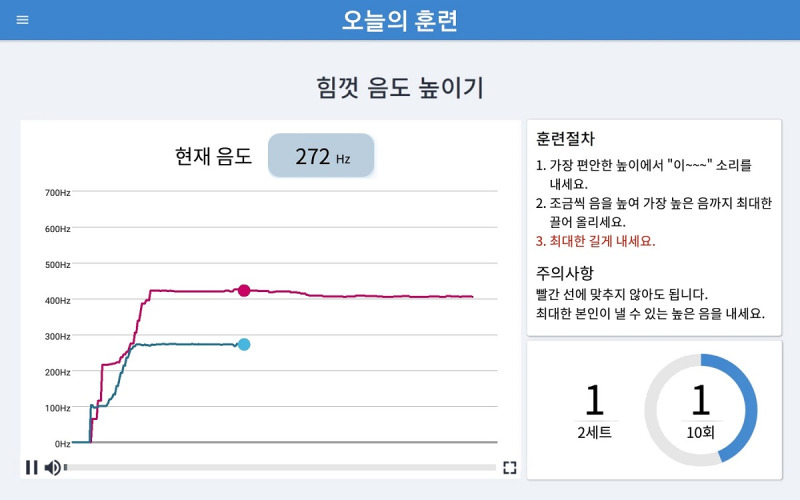
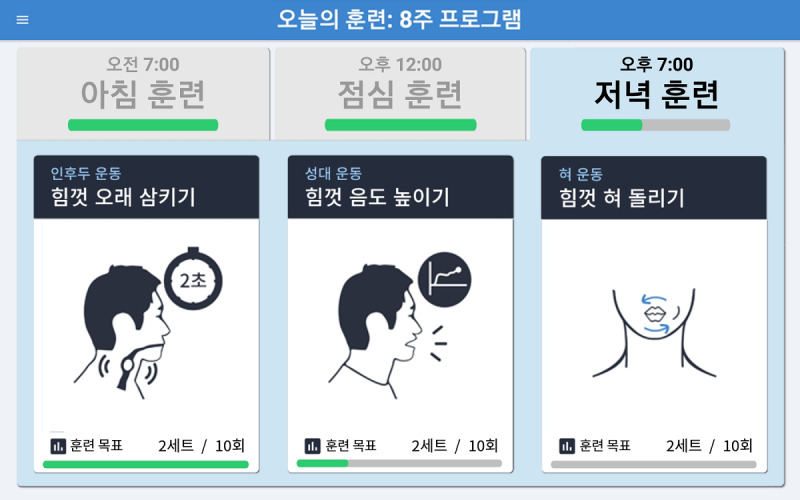
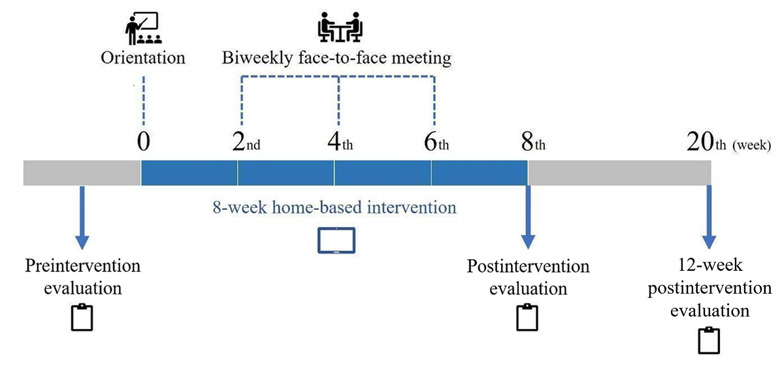
We developed an mHealth app intervention that was used for 8 weeks (3 times/day, 5 days/week, for a total of 120 sessions) by 11 community-dwelling older adults (10 women; mean age 75.7 years) who complained of swallowing difficulties. The app included a swallowing monitoring and intervention protocol with 3 therapy maneuvers: effortful prolonged swallowing, effortful pitch glide, and effortful tongue rotation. The 8-week intervention was mediated by biweekly face-to-face meetings to monitor each participant's progress and ability to implement the training sessions according to the given protocol. Preintervention and postintervention isometric and swallowing tongue pressures were measured using the Iowa Oral Performance Instrument. We also investigated the maintenance effects of the intervention on swallowing tongue pressure at 12 weeks postintervention.
Of the 11 participants, 8 adhered to the home-based 8-week app therapy program with the optimal intervention dosage. At the main trial end point (ie, 8 weeks) of the intervention program, the participants demonstrated a significant increase in swallowing tongue pressure (median 17.5 kPa before the intervention and 26.5 kPa after the intervention; P=.046). However, long-term maintenance effects of the training program on swallowing tongue pressure at 12 weeks postintervention were not observed.
Swallowing tongue pressure is known to be closely related to dysphagia symptoms. This is the first study to demonstrate the effectiveness of the combined methods of effortful prolonged swallowing, effortful pitch glide, and effortful tongue rotation using mobile app training accompanied by biweekly human mediation in improving swallowing tongue pressure in older adults. The mHealth app is a promising platform that can be used to deliver effective and convenient therapeutic service to vulnerable older adults. To investigate the therapeutic efficacy with a larger sample size and observe the long-term effects of the intervention program, further studies are warranted.
INTERNATIONAL REGISTERED REPORT IDENTIFIER (IRRID): RR2-10.2196/19585.
舌压是吞咽功能的有效指标,随着年龄的增长和疾病的进展而降低。先前的研究表明,吞咽练习与肌功能舌强化疗法相结合对舌功能有有益的影响。通过移动健康(mHealth)技术进行的舌练习有可能在数字时代推进医疗保健,使其对资源有限的人群(尤其是老年人)更有效。
本研究旨在探讨为期 8 周的基于家庭的 mHealth 应用程序干预措施的即时和长期维持效果,该干预措施每两周(即每 2 周)进行一次人为干预,目的是改善老年人的吞咽舌压。
我们开发了一种 mHealth 应用程序干预措施,由 11 名居住在社区的老年人(10 名女性;平均年龄 75.7 岁)使用 8 周(每天 3 次,每周 5 天,共 120 次),他们抱怨吞咽困难。该应用程序包括吞咽监测和干预协议,其中包括 3 种治疗手法:费力延长吞咽、费力音高滑行和费力舌旋转。为期 8 周的干预措施由每两周一次的面对面会议进行干预,以监测每位参与者的进展情况,并根据给定的方案评估其实施培训课程的能力。在使用爱荷华口腔表现仪器进行等长和吞咽舌压测量之前和之后。我们还研究了干预措施对干预后 12 周吞咽舌压的维持效果。
在 11 名参与者中,有 8 名参与者坚持使用基于家庭的 8 周应用程序治疗计划,并进行了最佳的干预剂量。在干预计划的主要试验终点(即干预后 8 周),参与者的吞咽舌压显著增加(干预前中位数为 17.5 kPa,干预后中位数为 26.5 kPa;P=.046)。然而,在干预后 12 周并未观察到训练计划对吞咽舌压的长期维持效果。
已知吞咽舌压与吞咽困难症状密切相关。这是第一项研究,证明了使用移动应用程序训练结合费力延长吞咽、费力音高滑行和费力舌旋转的综合方法,辅以每两周一次的人为干预,可有效改善老年人的吞咽舌压。mHealth 应用程序是一个很有前途的平台,可以为弱势老年人提供有效和便捷的治疗服务。为了用更大的样本量研究治疗效果并观察干预计划的长期效果,还需要进一步的研究。
国际注册报告标识符(IRRID):RR2-10.2196/19585。