Mallah Khalil, Couch Christine, Borucki Davis M, Toutonji Amer, Alshareef Mohammed, Tomlinson Stephen
Department of Microbiology and Immunology, Medical University of South Carolina, Charleston, SC, United States.
Department of Health Sciences and Research, College of Health Professions, Medical University of South Carolina, Charleston, SC, United States.
Front Immunol. 2020 Sep 10;11:2021. doi: 10.3389/fimmu.2020.02021. eCollection 2020.
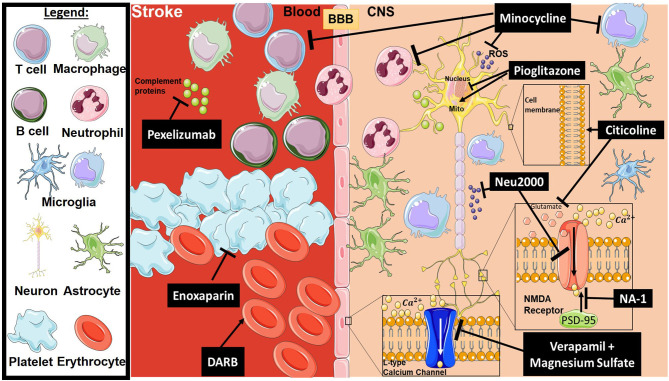
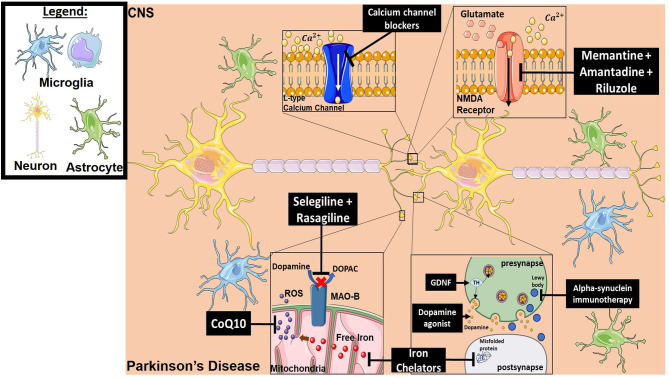
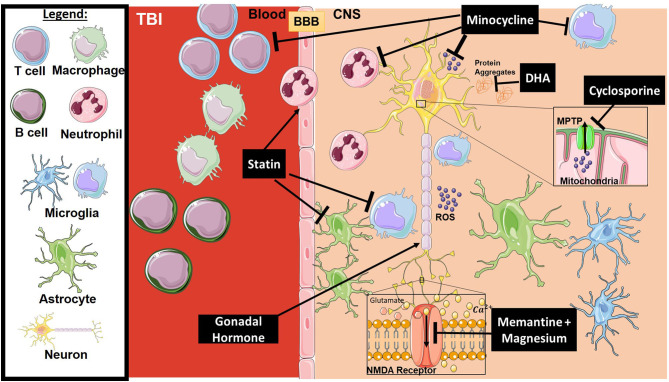
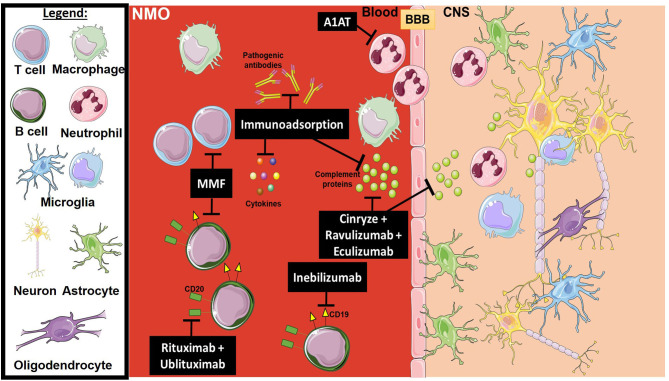
Neurological disorders are major contributors to death and disability worldwide. The pathology of injuries and disease processes includes a cascade of events that often involve molecular and cellular components of the immune system and their interaction with cells and structures within the central nervous system. Because of this, there has been great interest in developing neuroprotective therapeutic approaches that target neuroinflammatory pathways. Several neuroprotective anti-inflammatory agents have been investigated in clinical trials for a variety of neurological diseases and injuries, but to date the results from the great majority of these trials has been disappointing. There nevertheless remains great interest in the development of neuroprotective strategies in this arena. With this in mind, the complement system is being increasingly discussed as an attractive therapeutic target for treating brain injury and neurodegenerative conditions, due to emerging data supporting a pivotal role for complement in promoting multiple downstream activities that promote neuroinflammation and degeneration. As we move forward in testing additional neuroprotective and immune-modulating agents, we believe it will be useful to review past trials and discuss potential factors that may have contributed to failure, which will assist with future agent selection and trial design, including for complement inhibitors. In this context, we also discuss inhibition of the complement system as a potential neuroprotective strategy for neuropathologies of the central nervous system.
神经系统疾病是全球死亡和残疾的主要原因。损伤和疾病过程的病理学包括一系列事件,这些事件通常涉及免疫系统的分子和细胞成分,以及它们与中枢神经系统内的细胞和结构的相互作用。因此,人们对开发针对神经炎症途径的神经保护治疗方法产生了浓厚兴趣。几种神经保护抗炎药物已在多种神经系统疾病和损伤的临床试验中进行了研究,但迄今为止,这些试验中的绝大多数结果都令人失望。尽管如此,人们对该领域神经保护策略的开发仍兴趣浓厚。考虑到这一点,由于新出现的数据支持补体在促进多种下游活动(这些活动会促进神经炎症和变性)中起关键作用,补体系统正越来越多地被讨论为治疗脑损伤和神经退行性疾病的有吸引力的治疗靶点。随着我们进一步测试其他神经保护和免疫调节药物,我们认为回顾过去的试验并讨论可能导致失败的潜在因素将是有用的,这将有助于未来的药物选择和试验设计,包括补体抑制剂的试验设计。在此背景下,我们还讨论了抑制补体系统作为中枢神经系统神经病理学潜在神经保护策略的问题。