Das Ahana, Basak Pijush, Pramanik Arnab, Majumder Rajib, Ghosh Avishek, Hazra Saugata, Guria Manas, Bhattacharyya Maitree, Banik Samudra Prosad
Department of Microbiology, Maulana Azad College, 8 Rafi Ahmed Kidwai Road, Kolkata 700013, West Bengal, India.
Jagadis Bose National Science Talent Search, 1300, Rajdanga Main Road, Sector C, East Kolkata Township, Kolkata 700107, West Bengal, India.
Heliyon. 2020 Sep 28;6(9):e05053. doi: 10.1016/j.heliyon.2020.e05053. eCollection 2020 Sep.
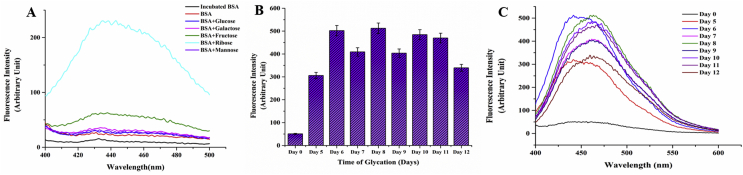
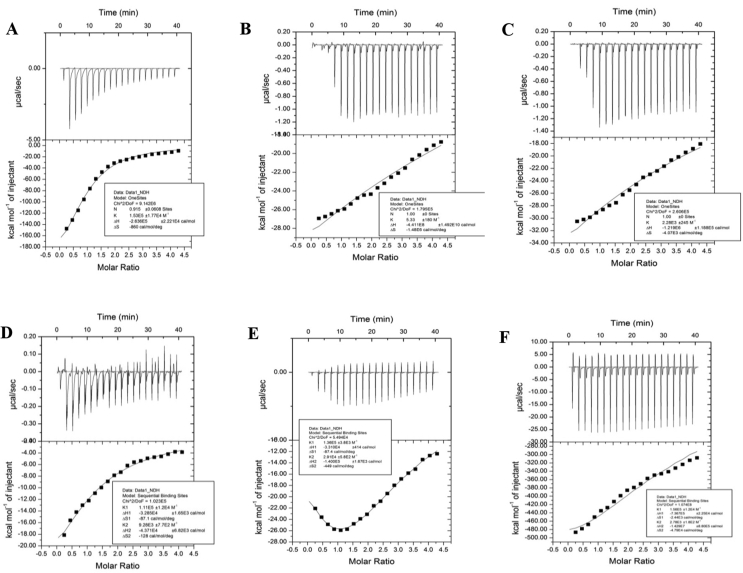
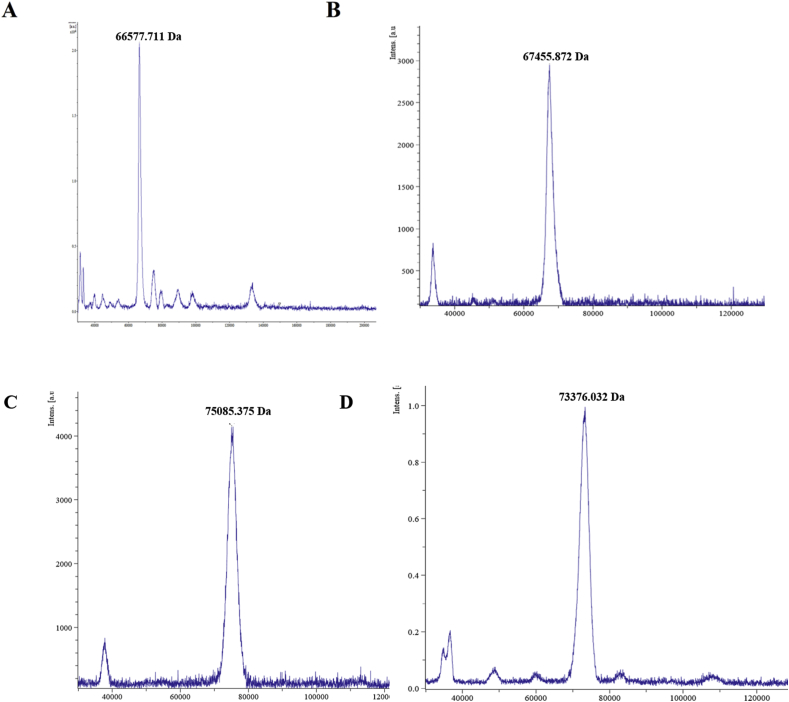
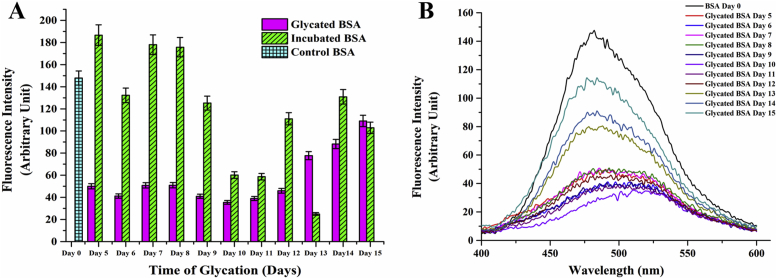
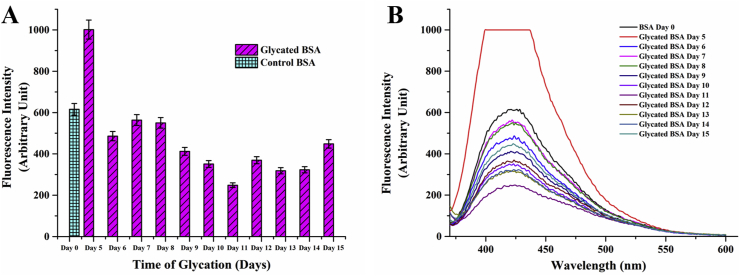
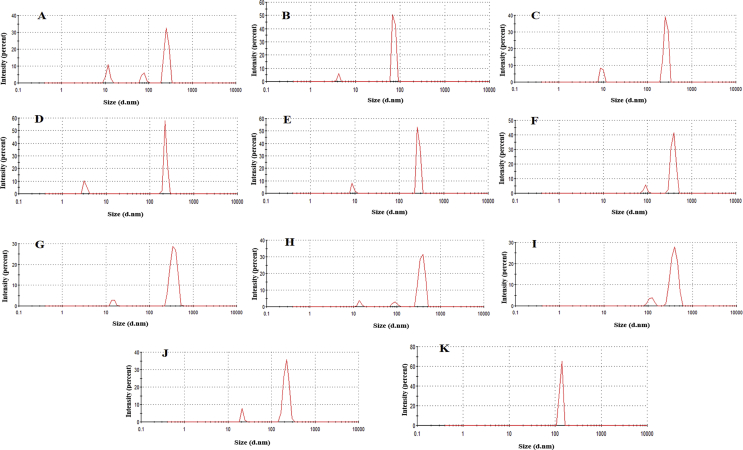
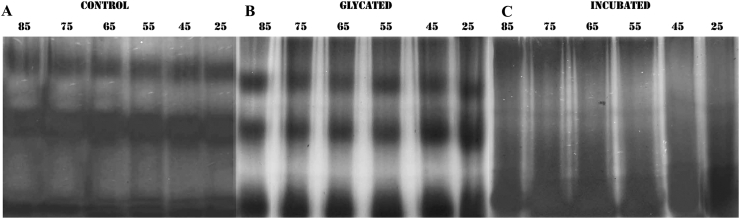
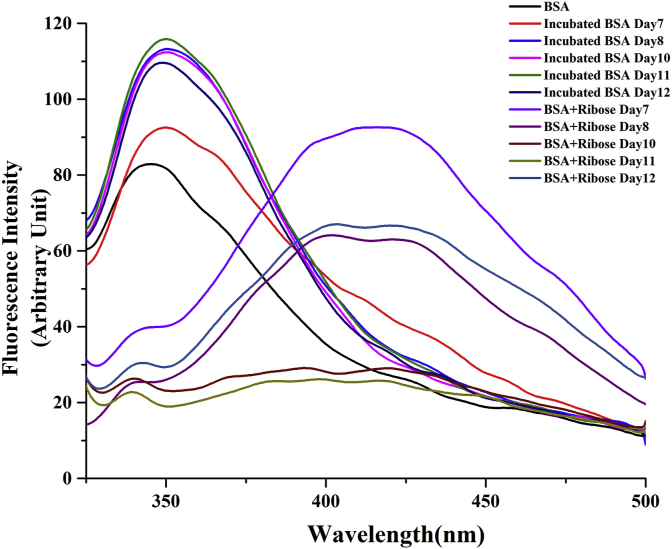
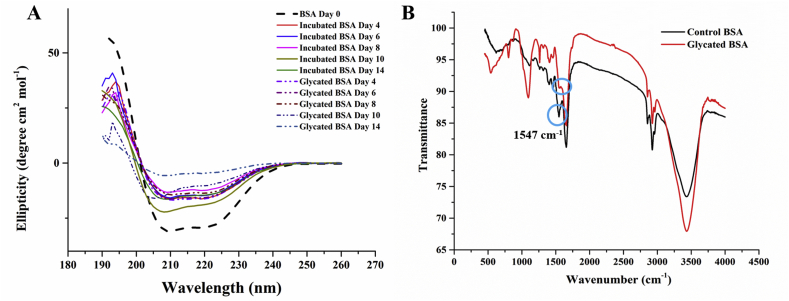
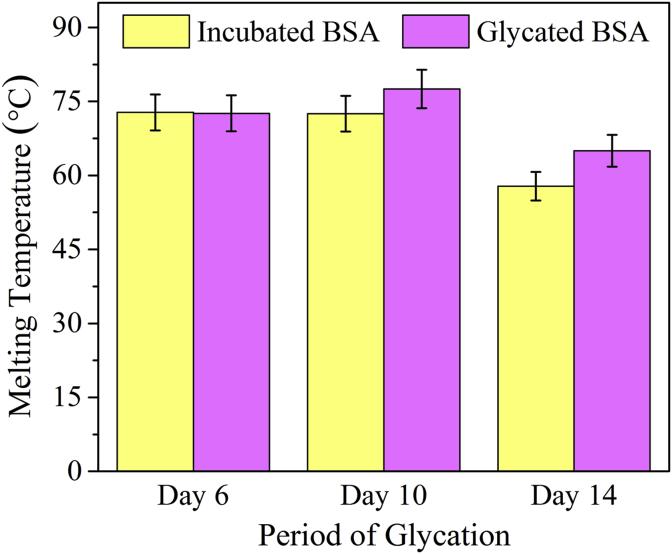
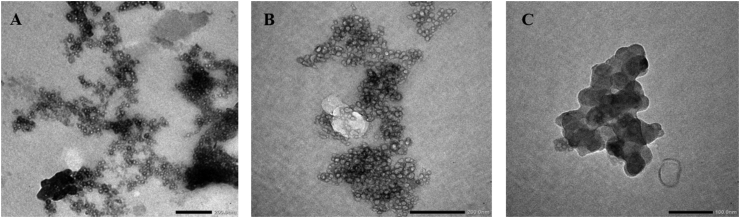
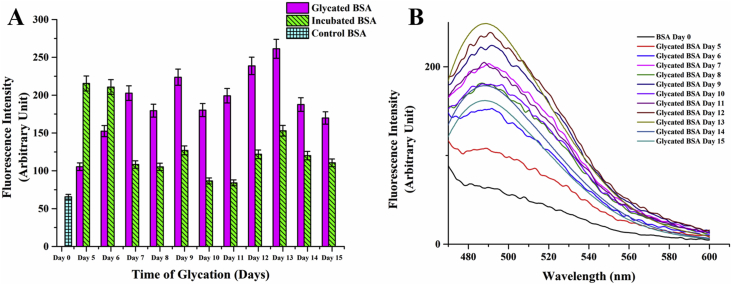
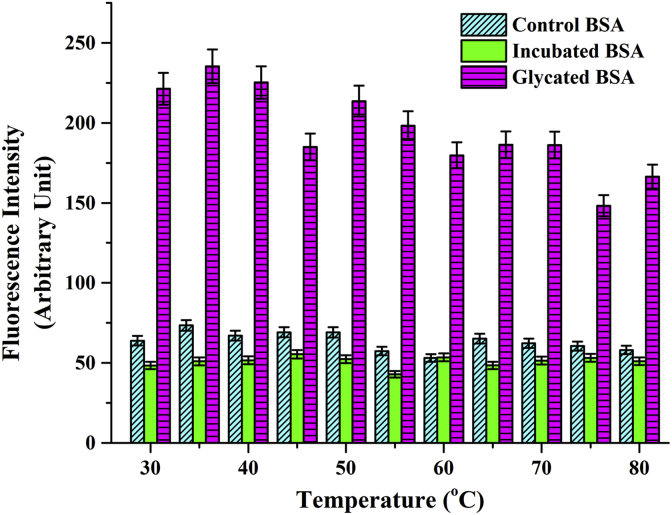
Non-enzymatic glycation of proteins is believed to be the root cause of high dietary sugar associated pathophysiological maladies. We investigated the structural changes in protein during progression of glycation using ribosylated Bovine Serum Albumin (BSA). Non enzymatic attachment of about 45 ribose molecules to BSA resulted in gradual reduction of hydrophobicity and aggregation as indicated by red-shifted tryptophan fluorescence, reduced ANS binding and lower anisotropy of FITC-conjugated protein. Parallely, there was a significant decrease of alpha helicity as revealed by Circular Dichroism (CD) and Fourier transformed-Infra Red (FT-IR) spectra. The glycated proteins assumed compact globular structures with enhanced Thioflavin-T binding resembling amyloids. The gross structural transition affected by ribosylation led to enhanced thermostability as indicated by melting temperature and Transmission Electron Microscopy. At a later stage of glycation, the glycated proteins developed non-specific aggregates with increase in size and loss of amyloidogenic behaviour. A parallel non-glycated control incubated under similar conditions indicated that amyloid formation and associated changes were specific for ribosylation and not driven by thermal denaturation due to incubation at 37 °C. Functionality of the glycated protein was significantly altered as probed by Isothermal Titration Calorimetry using polyphenols as substrates. The studies demonstrated that glycation driven globular amyloids form and persist as transient intermediates during formation of misfolded glycated adducts. To the best of our knowledge, the present study is the first systematic attempt to understand glycation associated changes in a protein and provides important insights towards designing therapeutics for arresting dietary sugar induced amyloid formation.
蛋白质的非酶糖基化被认为是高糖饮食相关病理生理疾病的根本原因。我们使用核糖基化牛血清白蛋白(BSA)研究了糖基化过程中蛋白质的结构变化。约45个核糖分子非酶促附着于BSA导致疏水性逐渐降低和聚集减少,这表现为色氨酸荧光红移、ANS结合减少以及FITC偶联蛋白的各向异性降低。同时,圆二色性(CD)和傅里叶变换红外(FT-IR)光谱显示α螺旋度显著降低。糖基化蛋白质呈现出紧密的球状结构,与淀粉样蛋白相似,硫黄素-T结合增强。核糖基化影响的总体结构转变导致热稳定性增强,这由熔解温度和透射电子显微镜表明。在糖基化后期,糖基化蛋白质形成非特异性聚集体,尺寸增加且淀粉样蛋白生成行为丧失。在相似条件下孵育的平行非糖基化对照表明,淀粉样蛋白形成及相关变化是核糖基化特有的,而非由37℃孵育导致的热变性驱动。使用多酚作为底物通过等温滴定量热法探测发现,糖基化蛋白质的功能显著改变。这些研究表明,糖基化驱动的球状淀粉样蛋白在错误折叠的糖基化加合物形成过程中作为瞬时中间体形成并持续存在。据我们所知,本研究是首次系统尝试理解蛋白质中与糖基化相关的变化,并为设计阻止饮食糖诱导的淀粉样蛋白形成的治疗方法提供了重要见解。