Raghav Alok, Ahmad Jamal, Alam Khursheed
Rajiv Gandhi Centre for Diabetes and Endocrinology,J.N. Medical College,Aligarh Muslim University, Aligarh, Uttar Pradesh, India.
Department of Biochemistry,Faculty of Medicine,J.N. Medical College,Aligarh Muslim University, Aligarh, Uttar Pradesh, India.
PLoS One. 2017 May 17;12(5):e0176970. doi: 10.1371/journal.pone.0176970. eCollection 2017.
Albumin glycation and subsequent formation of advanced glycation end products (AGEs) correlate with diabetes and associated complications.
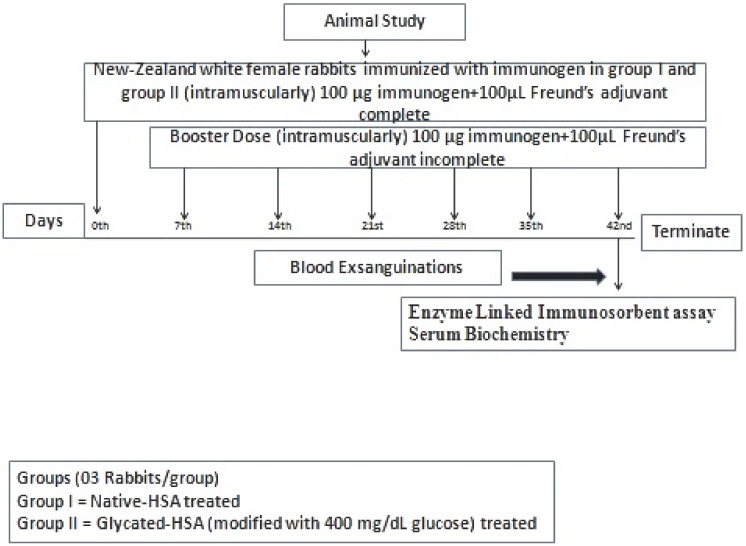
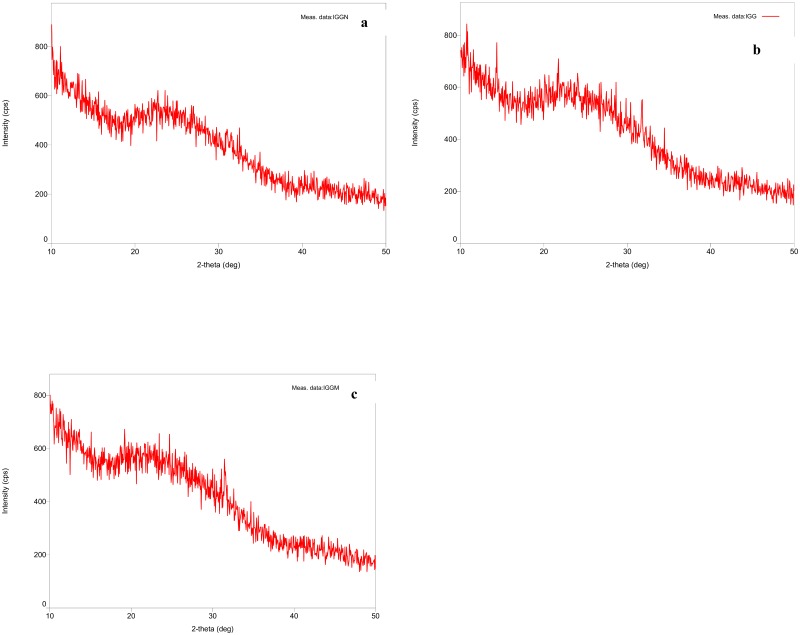
Human Serum Albumin (HSA) was modified with D-glucose for a 40 day period under sterile conditions at 37°C. Modified samples along with native HSA (unmodified) were analyzed for structural modifications by UV and fluorescence, FTIR, Liquid chromatography mass spectrometry (LCMS) and X-ray crystallography. New-Zealand white female rabbits immunized with AGEs, represent auto-antibodies formation as assessed by competitive and direct binding enzyme-linked immunosorbent assay (ELISA). Neo-epitopesagainst In-vitro formed AGEs were characterized in patients with diabetes mellitus type 2 (n = 50), type 1 (n = 50), gestational diabetes (n = 50) and type 2 with chronic kidney disease (CKD) with eGFR level 60-89 mL/min (n = 50) from serum direct binding ELISA.
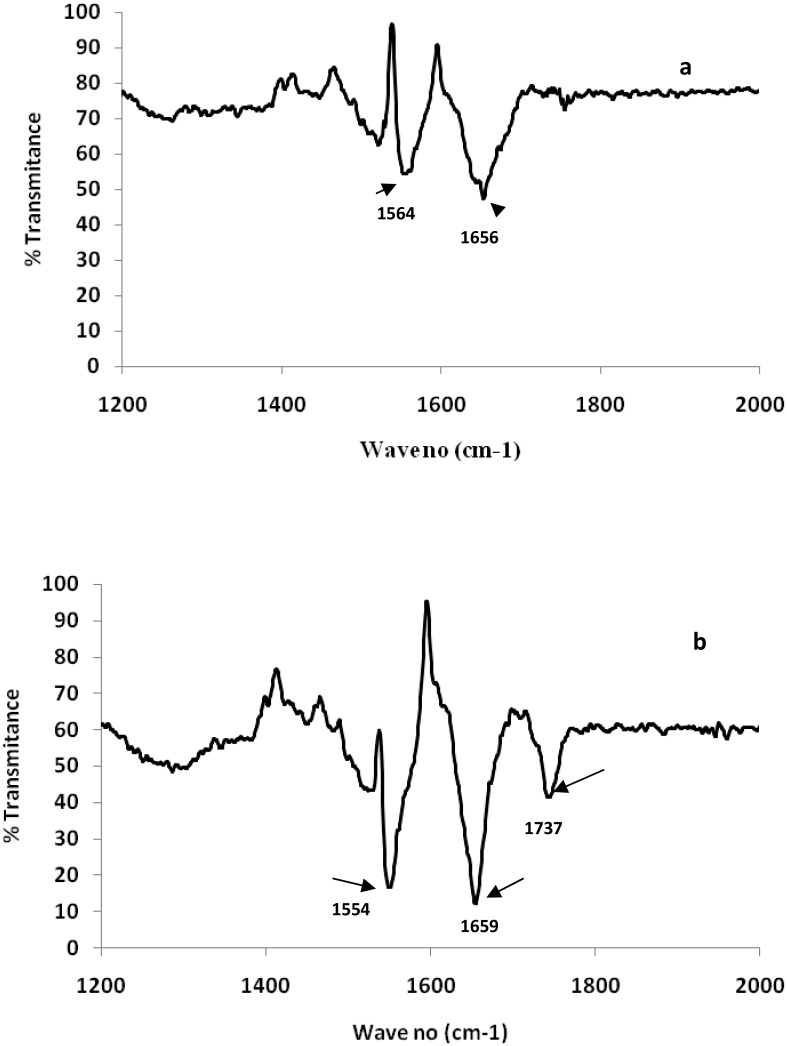
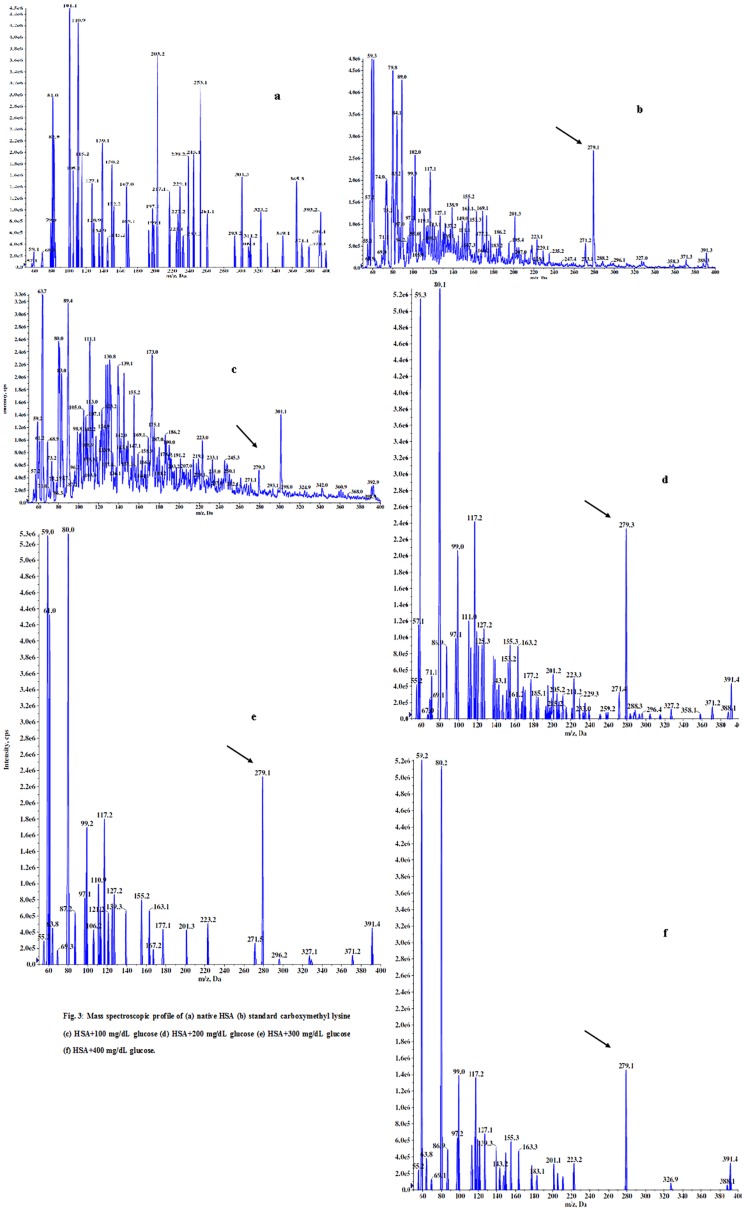
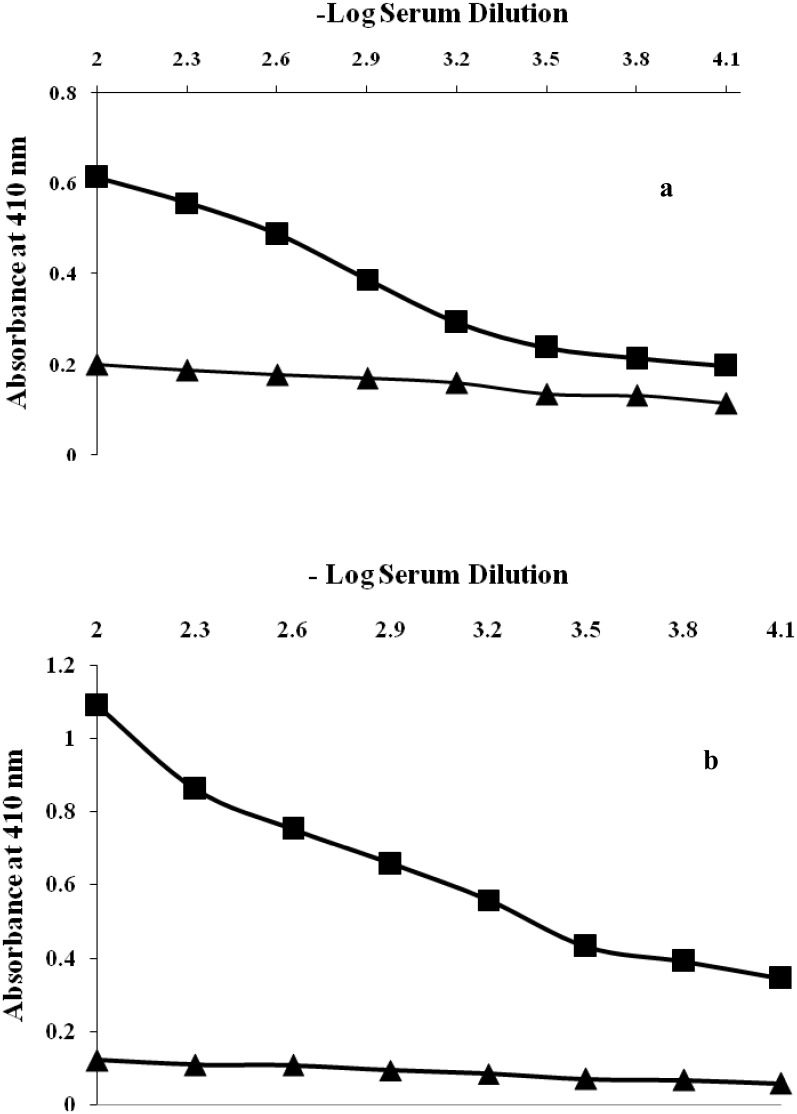
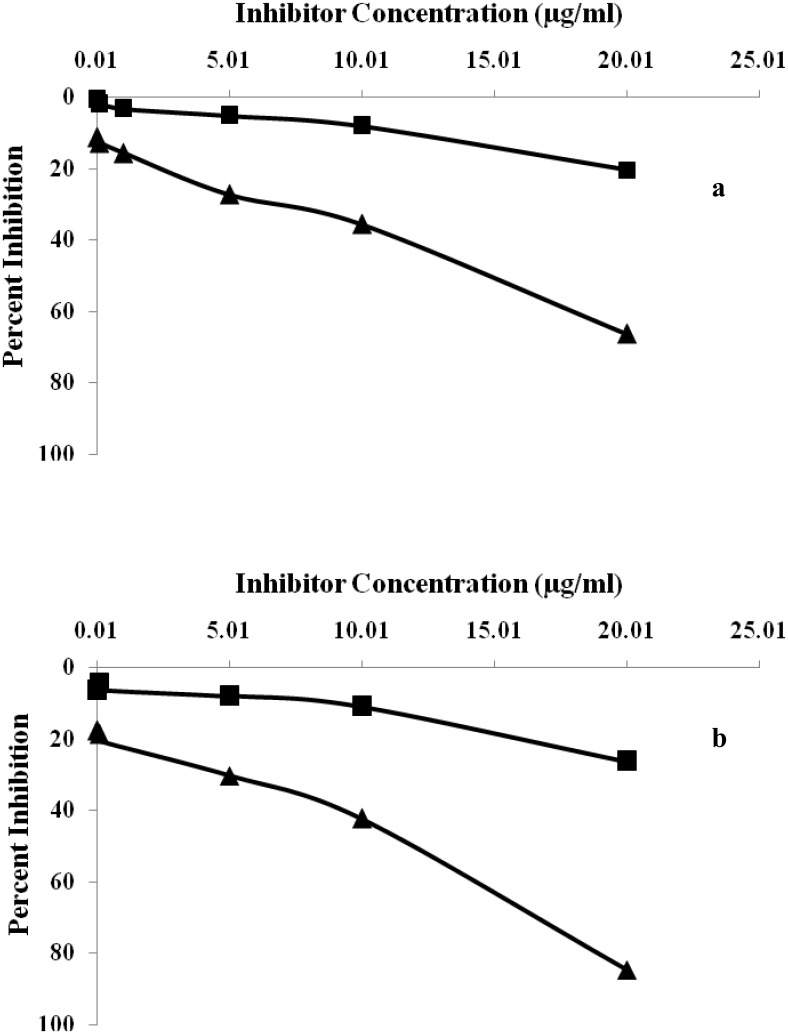
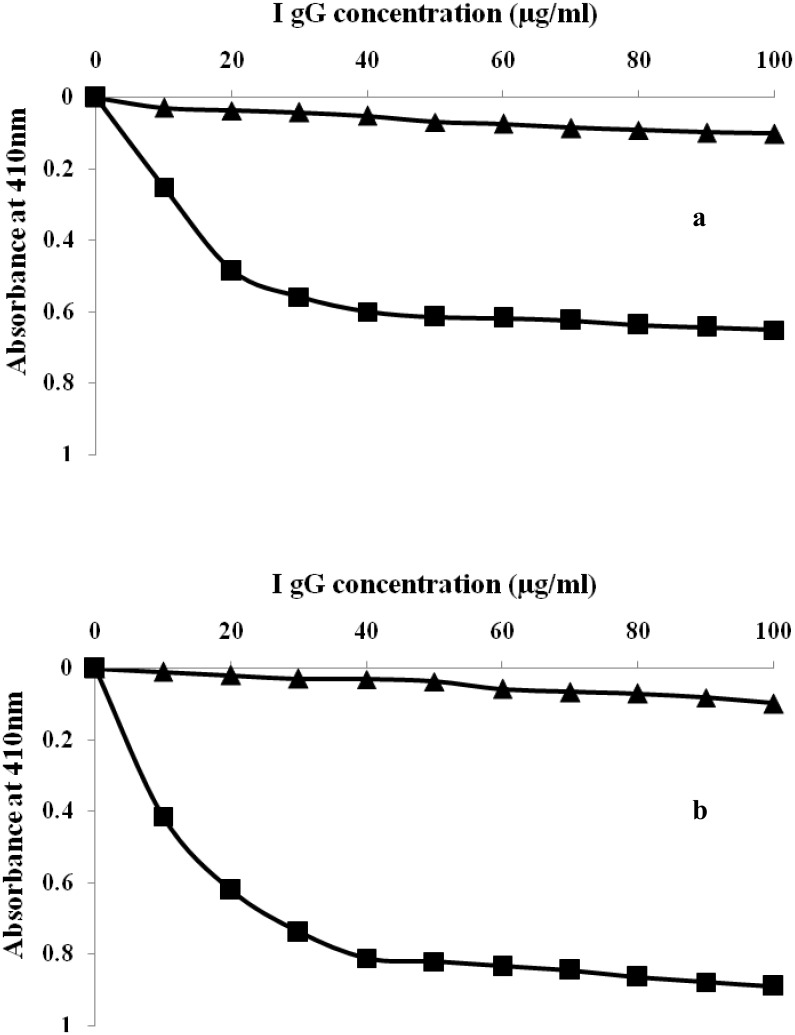
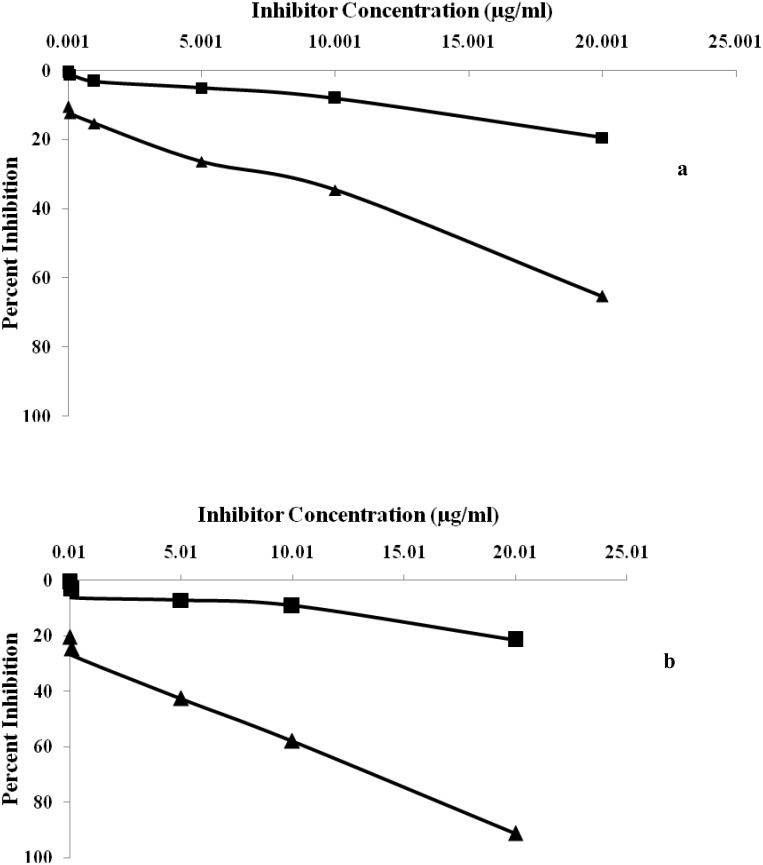
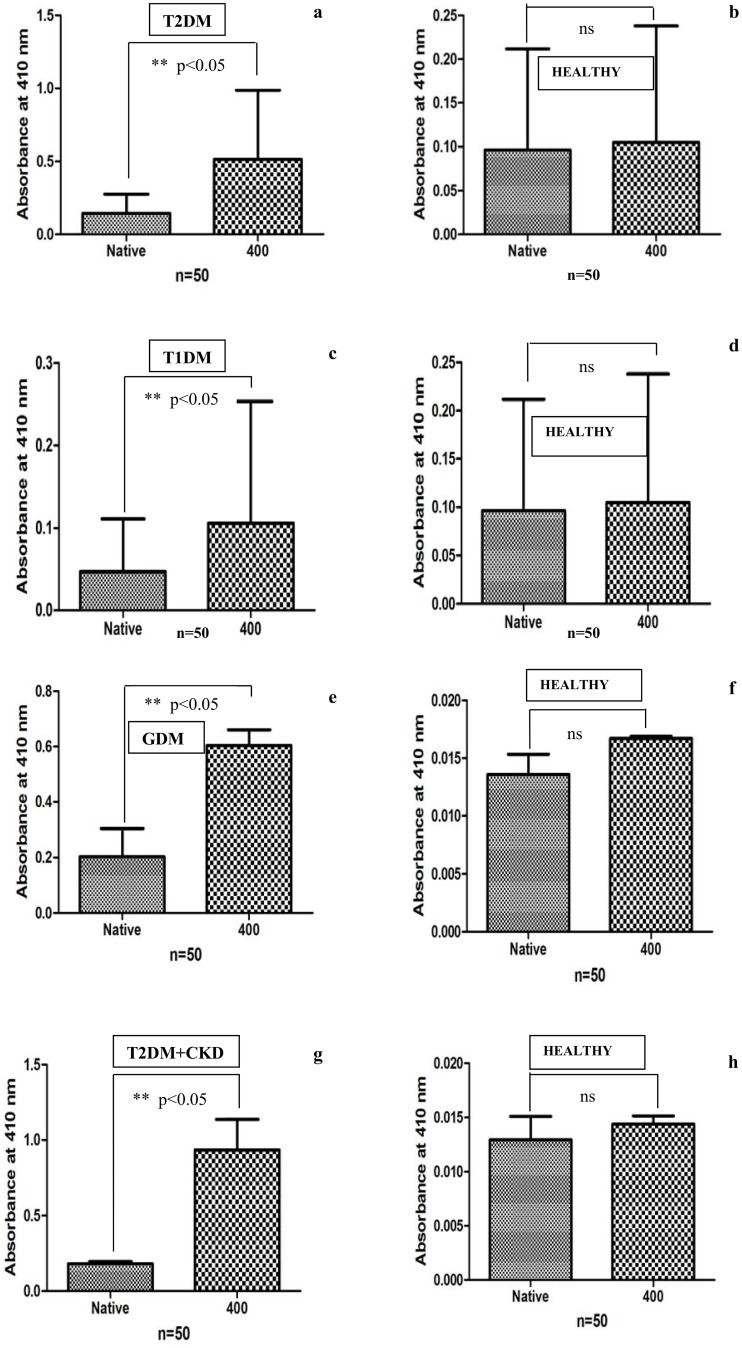
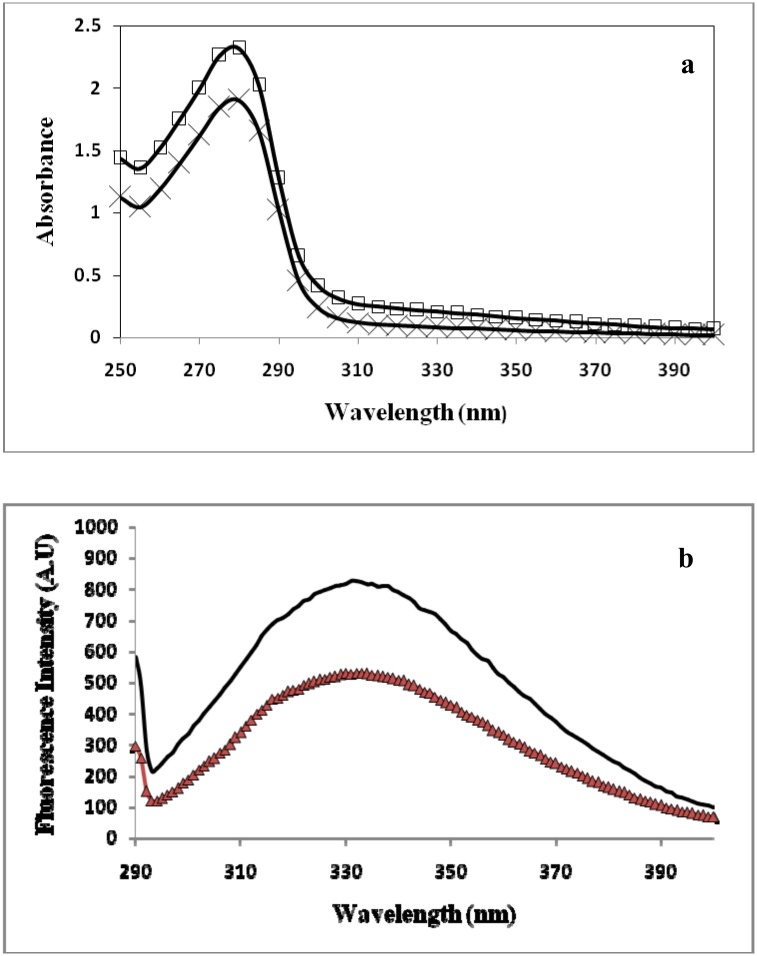
Glycated-HSA showed amarked increase in hyperchromicity of 65.82%,71.98%, 73.62% and 76.63% at λ280 nm along with anincreasein fluorescence intensity of 65.82%, 71.98%, 73.62% and 76.63% in glycated-HSA compared to native. FTIR results showed theshifting of Amide I peak from 1656 cm_1 to 1659 cm_1 and Amide II peak from 1554 cm_1 to 1564 cm_1 in glycated-HSA, with anew peak appearance of carbonyl group at 1737 cm-1. LCMS chromatogram of glycated-HSA showed thepresence of carboxymethyl lysine (CML) at 279.1 m/z. Immunological analysis showed high antibody titre>1:12,800 in theserum of rabbits immunized with glycated-HSA (modified with 400 mg/dL glucose) and inhibition of 84.65% at anantigen concentration of 20μg/mL. Maximum serum auto-antibody titre was found in T2DM (0.517±0.086), T1DM (0.108±0.092), GDM (0.611±0.041) and T2DM+CKD (0.096±0.25) patients immunized with glycated-HSA (modified with 400 mg/dL glucose).
Non-enzymatic glycosylation of HSA manifests immunological complications in diabetes mellitus due to change in its structure that enhances neo-epitopes generation.
白蛋白糖基化及随后晚期糖基化终产物(AGEs)的形成与糖尿病及其相关并发症相关。
在37°C无菌条件下,用D - 葡萄糖对人血清白蛋白(HSA)进行40天的修饰。通过紫外和荧光、傅里叶变换红外光谱(FTIR)、液相色谱 - 质谱联用(LCMS)和X射线晶体学分析修饰后的样品以及天然HSA(未修饰)的结构变化。用AGEs免疫新西兰雌性白兔,通过竞争和直接结合酶联免疫吸附测定(ELISA)评估自身抗体的形成。通过血清直接结合ELISA对2型糖尿病(n = 50)、1型糖尿病(n = 50)、妊娠期糖尿病(n = 50)和估算肾小球滤过率(eGFR)水平为60 - 89 mL/min的2型糖尿病合并慢性肾脏病(CKD)患者(n = 50)血清中针对体外形成的AGEs的新表位进行表征。
糖化HSA在280 nm处的增色率显著增加,分别为65.82%、71.98%、73.62%和76.63%,与天然HSA相比,糖化HSA的荧光强度也分别增加了65.82%、71.98%、73.62%和76.63%。FTIR结果显示糖化HSA中酰胺I峰从1656 cm⁻¹ 位移至1659 cm⁻¹,酰胺II峰从1554 cm⁻¹ 位移至1564 cm⁻¹,同时在1737 cm⁻¹ 处出现羰基新峰。糖化HSA的LCMS色谱图显示在279.1 m/z处存在羧甲基赖氨酸(CML)。免疫分析显示,用糖化HSA(用400 mg/dL葡萄糖修饰)免疫的兔子血清中抗体滴度>1:12,800,在抗原浓度为20μg/mL时抑制率为84.65%。在用糖化HSA(用400 mg/dL葡萄糖修饰)免疫的2型糖尿病(T2DM)(0.517±0.086)、1型糖尿病(T1DM)(0.108±0.092)、妊娠期糖尿病(GDM)(0.611±0.041)和2型糖尿病合并CKD(T2DM + CKD)(0.096±0.25)患者中发现最大血清自身抗体滴度。
HSA的非酶糖基化由于其结构变化增强了新表位的产生,在糖尿病中表现出免疫并发症。