Shamlooh Mohamed, Hussein Ibnelwaleed A, Nasser Mustafa S, Magzoub Musaab, Salehi Saeed
Gas Processing Center, College of Engineering, Qatar University, P.O. Box, 2713 Doha, Qatar.
Department of Petroleum and Geological Engineering, University of Oklahoma, Norman, Oklahoma 73019, United States.
ACS Omega. 2020 Sep 16;5(38):24504-24512. doi: 10.1021/acsomega.0c02967. eCollection 2020 Sep 29.
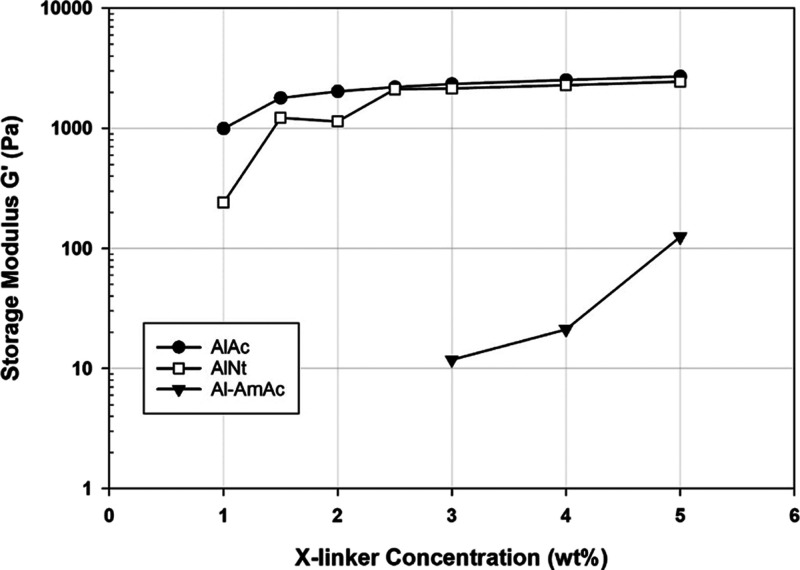
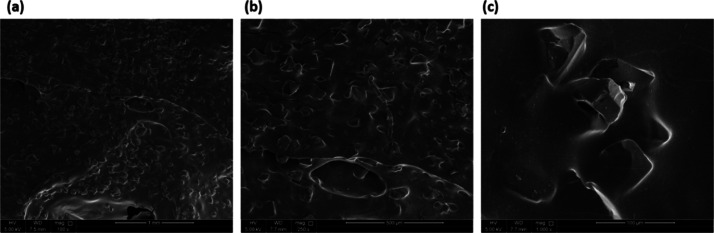
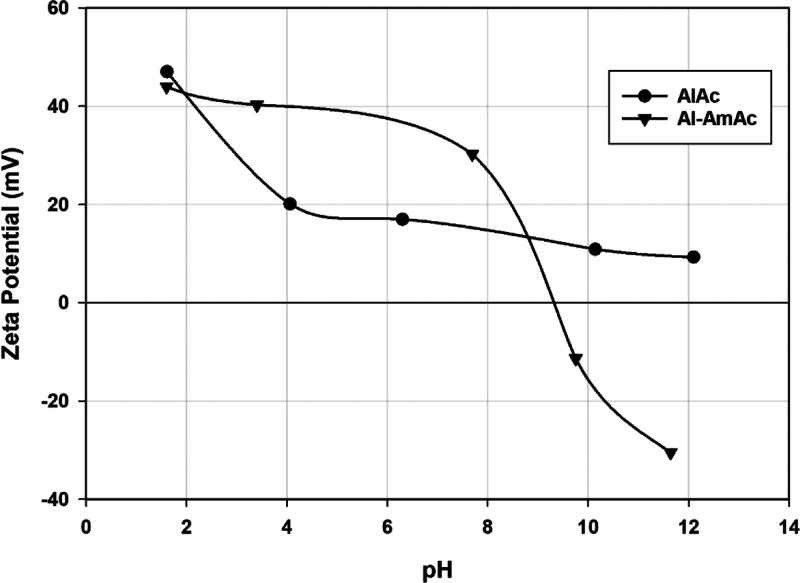
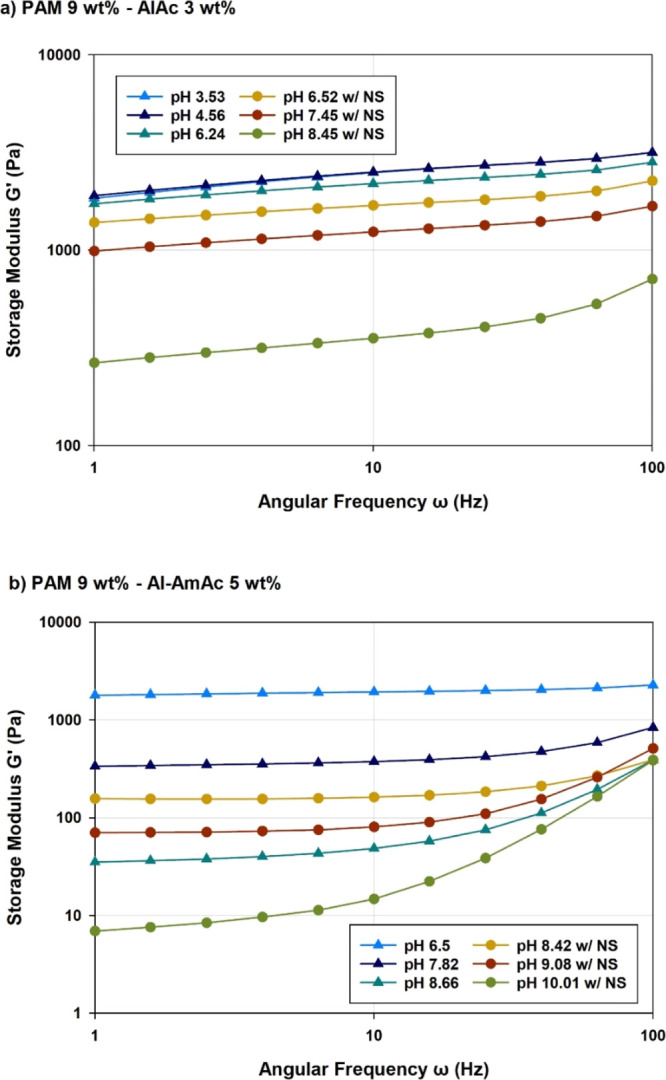
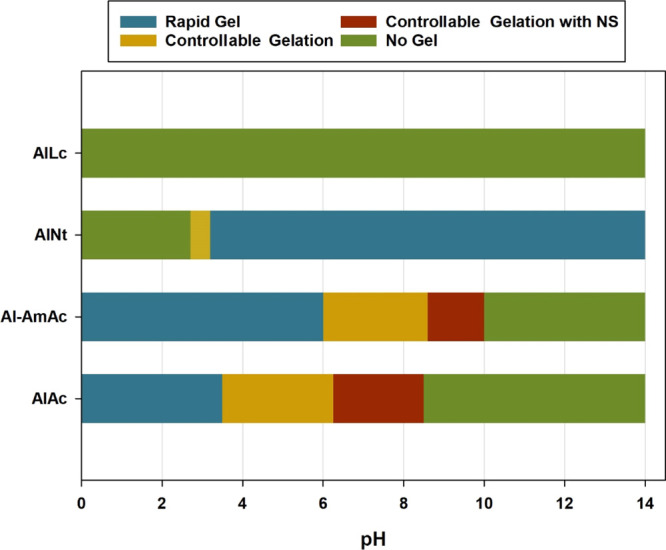
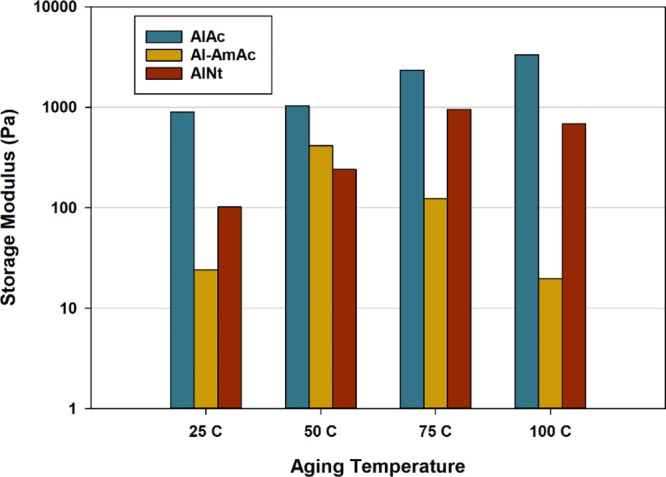
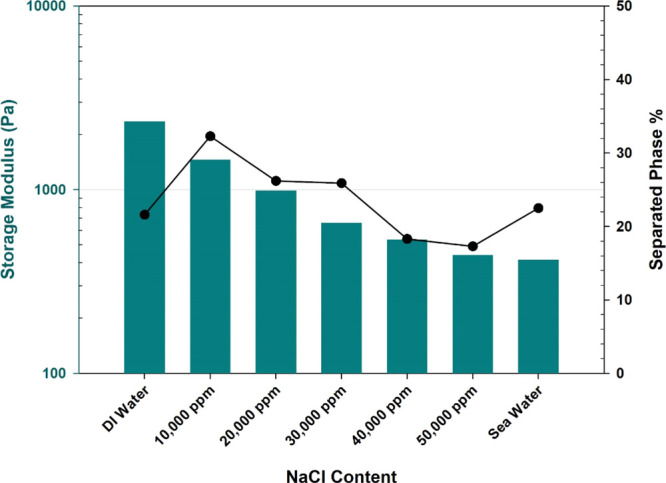
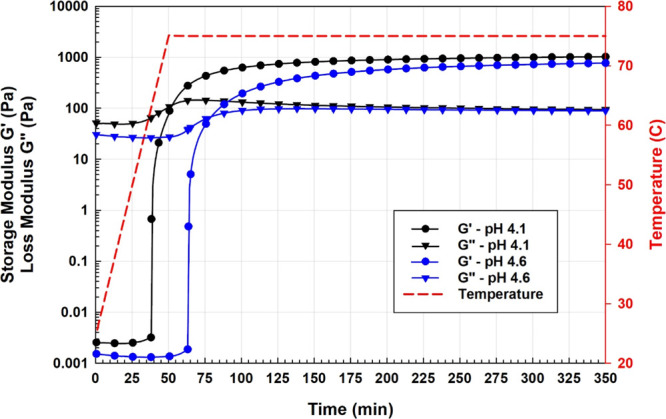
Excessive water production from natural gas reservoirs is a main challenge facing the industry nowadays. Polymeric gelants have been widely applied to seal the water production zones, leading to a more feasible production operation. Nevertheless, conventional treatments fail in reservoirs characterized with the presence of sour gases. In this paper, aluminum-based salts are investigated as potential replacement for the conventional chromium acetate as crosslinkers for polyacrylamide (PAM), where aluminum has the advantage of being more environment-friendly besides its abundance. The investigation covers the whole pH range and examines the rheological behavior of the mature gels in the temperature range between 25 and 100 °C. While chromium acetate was proven to be sensitive to the presence of sour gases, namely, CO and HS, because of the inability to produce a stable gel at the acidic conditions, this paper presents aluminum-based crosslinkers that are more tolerable toward high acidity. Unlike the conventional crosslinkers, the gelation rate in aluminum acetate and aluminum aminoacetate systems was found to decrease with the increase in pH. Both the crosslinkers succeeded in producing a strong gel with a storage modulus of more than 2000 Pa. Moreover, this study relates the physical stability of the colloidal aluminum crosslinkers with the viscoelastic behavior of the mature gel. The results reveal that aluminum acetate, among the screened salts, has a controllable gelation time at pH conditions between 3.5 and 8.5 and is the most stable in the temperature range 25-100 °C. PAM/ system has a gelation time of around 50 min at 75 °C making it suitable for near-wellbore treatments, while the gelation time increased to 80 min upon increasing the pH of the system from 4.1 to 4.6. Moreover, the system showed good stability in saline conditions with NaCl concentration of up to 50,000 ppm. Scanning electron microscopy of freeze-dried samples proved the uniform distribution of colloidal crosslinkers and showed sheets wrapping around the colloidal particles. The performance of the new crosslinker is compared with available commercial crosslinkers.
天然气藏的过量产水是当前该行业面临的主要挑战。聚合物凝胶剂已被广泛应用于封堵产水层,从而实现更可行的生产作业。然而,传统处理方法在含有酸性气体的储层中效果不佳。本文研究了铝基盐作为传统醋酸铬的潜在替代品,用作聚丙烯酰胺(PAM)的交联剂,铝除了储量丰富外,还具有更环保的优势。研究涵盖了整个pH范围,并考察了成熟凝胶在25至100°C温度范围内的流变行为。由于在酸性条件下无法形成稳定的凝胶,醋酸铬被证明对酸性气体(即CO和H₂S)敏感,而本文提出的铝基交联剂对高酸度更具耐受性。与传统交联剂不同,发现醋酸铝和氨基乙酸铝体系中的凝胶化速率随pH升高而降低。两种交联剂都成功制备出了储能模量超过2000 Pa的强凝胶。此外,本研究将胶体铝交联剂的物理稳定性与成熟凝胶的粘弹性行为联系起来。结果表明,在所筛选的盐中,醋酸铝在pH值为3.5至8.5的条件下具有可控的凝胶化时间,并且在25至100°C的温度范围内最稳定。PAM/醋酸铝体系在75°C时的凝胶化时间约为50分钟,适用于近井地带处理,而当体系pH值从4.1增加到4.6时,凝胶化时间增加到80分钟。此外,该体系在NaCl浓度高达50000 ppm的盐水条件下表现出良好的稳定性。冻干样品的扫描电子显微镜证明了胶体交联剂的均匀分布,并显示出薄片包裹着胶体颗粒。将新型交联剂的性能与市售交联剂进行了比较。