Cardinali Daniel P, Brown Gregory M, Reiter Russel J, Pandi-Perumal Seithikurippu R
Faculty of Medical Sciences, Pontificia Universidad Católica Argentina, Av. Moreau de Justo 1300, 1007 Buenos Aires, Argentina.
Department of Psychiatry, Centre for Addiction and Mental Health, University of Toronto, Toronto, ON M5T 1R8 Canada.
Sleep Vigil. 2020;4(2):81-87. doi: 10.1007/s41782-020-00111-7. Epub 2020 Sep 26.
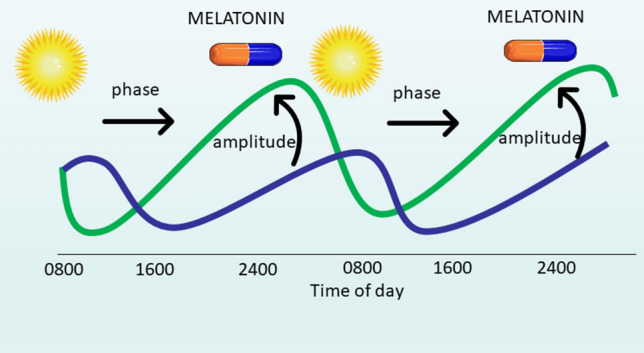
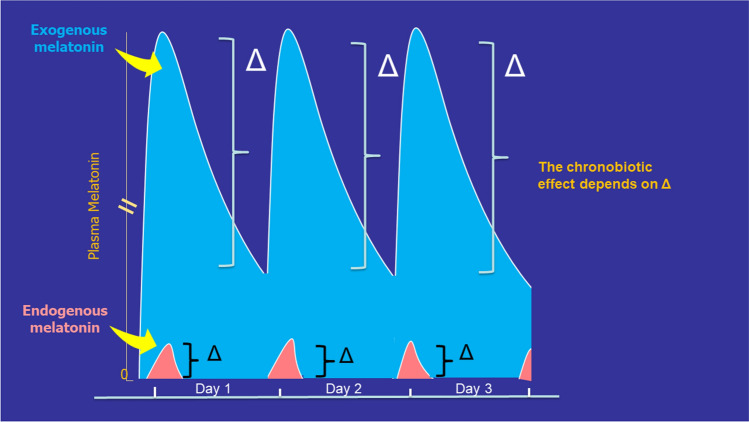
The association of age with a higher vulnerability to COVID-19 infection is a subject of major importance. Several factors, including higher stress due to social isolation, diminished melatonin levels with age, and higher exposure of individuals to light at the evening, which reduces melatonin levels and disrupts circadian rhythmicity are relevant for maintaining the circadian health in aged individuals. Properly administered, chronotherapy restores the optimal circadian pattern of the sleep-wake cycle in the elderly. It involves adequate sleep hygiene, timed light exposure, and the use of a chronobiotic medication like melatonin, which affects the output phase of circadian rhythms thus controlling the biological clock. Besides, the therapeutic potential of melatonin as an agent to counteract the consequences of COVID-19 infections has been advocated due to its wide-ranging effects as an antioxidant, anti-inflammatory, and as an immunomodulatory agent, as well as to a possible antiviral action. This article discusses how chronotherapy may reverse the detrimental circadian condition of the elderly in the COVID-19 pandemic.
年龄与对新冠病毒感染更高的易感性之间的关联是一个极其重要的课题。几个因素,包括社交隔离导致的更高压力、随着年龄增长褪黑素水平降低,以及个体在傍晚时更多地暴露于光线下(这会降低褪黑素水平并扰乱昼夜节律),对于维持老年人的昼夜节律健康都很重要。正确实施的时间疗法可恢复老年人睡眠 - 清醒周期的最佳昼夜模式。它包括适当的睡眠卫生、定时光照暴露,以及使用像褪黑素这样的时间生物学药物,褪黑素会影响昼夜节律的输出相位从而控制生物钟。此外,由于褪黑素具有抗氧化、抗炎、免疫调节作用以及可能的抗病毒作用等广泛功效,其作为对抗新冠病毒感染后果的药物的治疗潜力已得到提倡。本文讨论了时间疗法如何在新冠疫情中逆转老年人有害的昼夜节律状况。