Cardiovascular Proteomics Laboratory, Centro Nacional de Investigaciones Cardiovasculares (CNIC), Calle Melchor Fernandez, Madrid, Spain.
Bioinformatics Unit, Spanish National Cancer Research Centre (CNIO), Calle Melchor Fernandez, Madrid, Spain.
PLoS Comput Biol. 2020 Oct 5;16(10):e1008287. doi: 10.1371/journal.pcbi.1008287. eCollection 2020 Oct.
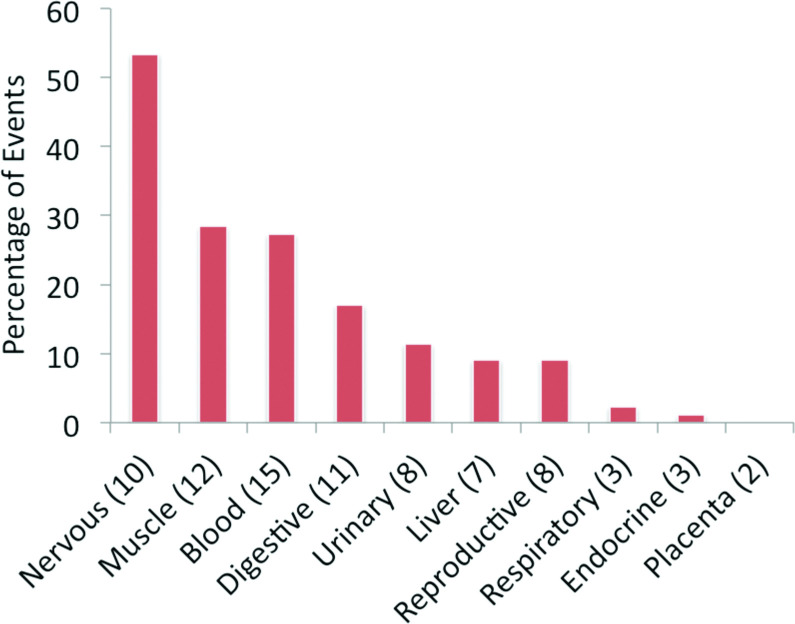
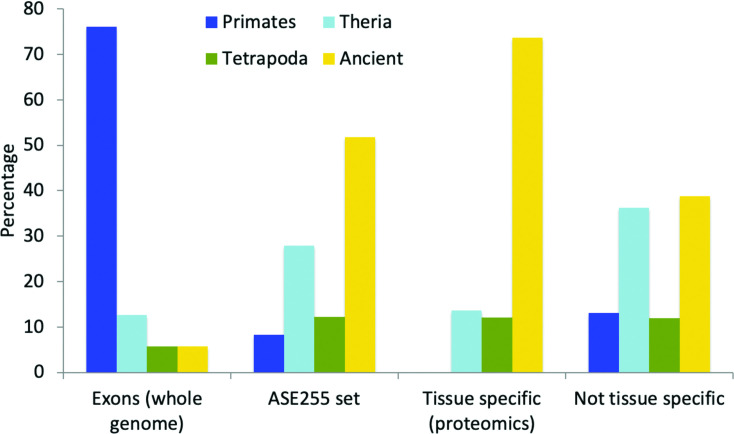
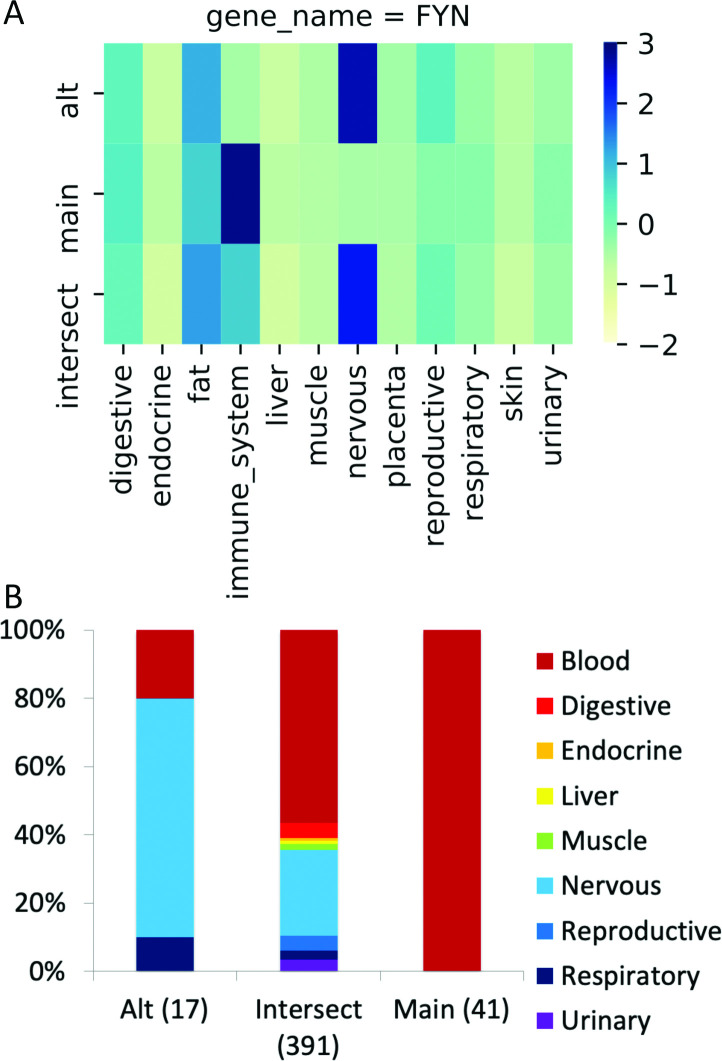
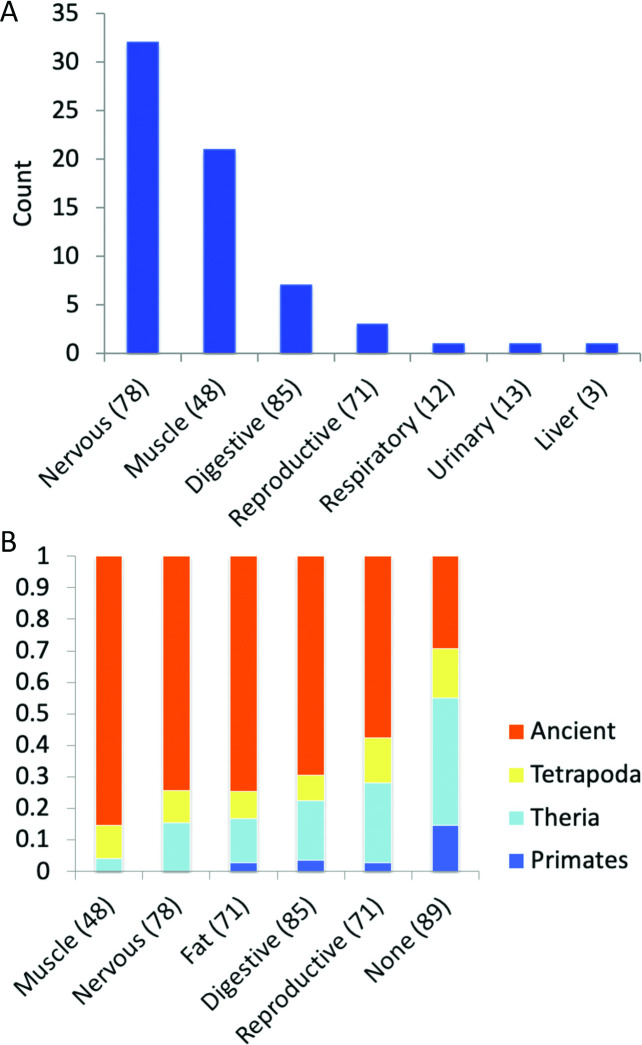
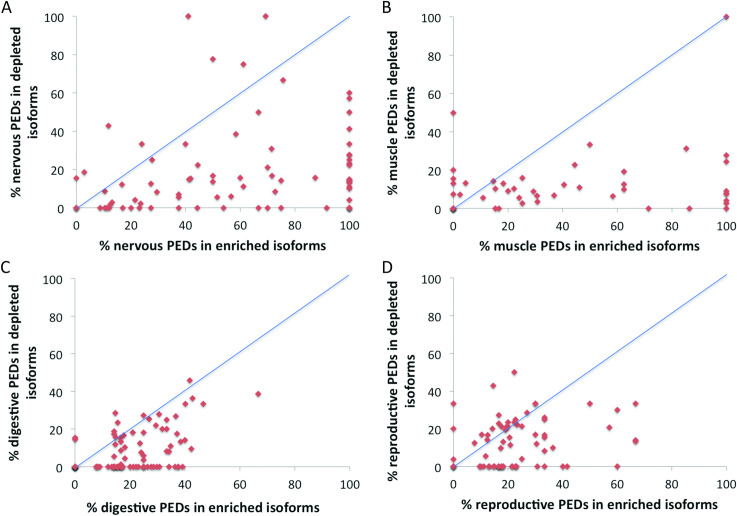
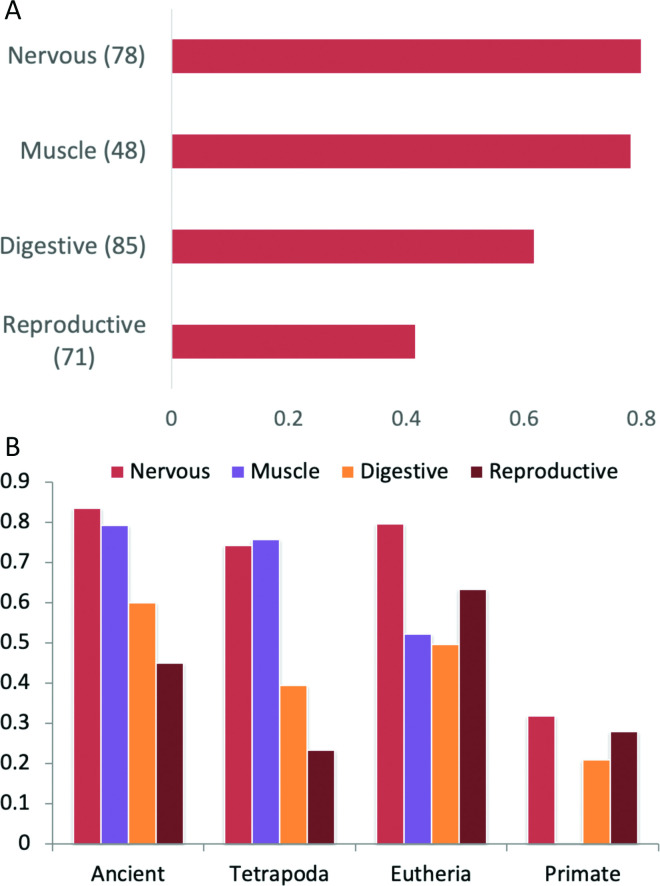
The role of alternative splicing is one of the great unanswered questions in cellular biology. There is strong evidence for alternative splicing at the transcript level, and transcriptomics experiments show that many splice events are tissue specific. It has been suggested that alternative splicing evolved in order to remodel tissue-specific protein-protein networks. Here we investigated the evidence for tissue-specific splicing among splice isoforms detected in a large-scale proteomics analysis. Although the data supporting alternative splicing is limited at the protein level, clear patterns emerged among the small numbers of alternative splice events that we could detect in the proteomics data. More than a third of these splice events were tissue-specific and most were ancient: over 95% of splice events that were tissue-specific in both proteomics and RNAseq analyses evolved prior to the ancestors of lobe-finned fish, at least 400 million years ago. By way of contrast, three in four alternative exons in the human gene set arose in the primate lineage, so our results cannot be extrapolated to the whole genome. Tissue-specific alternative protein forms in the proteomics analysis were particularly abundant in nervous and muscle tissues and their genes had roles related to the cytoskeleton and either the structure of muscle fibres or cell-cell connections. Our results suggest that this conserved tissue-specific alternative splicing may have played a role in the development of the vertebrate brain and heart.
可变剪接的作用是细胞生物学中尚未解决的重大问题之一。在转录本水平上有强有力的证据表明存在可变剪接,转录组学实验表明许多剪接事件是组织特异性的。有人提出,可变剪接是为了重塑组织特异性的蛋白质-蛋白质网络而进化的。在这里,我们研究了在大规模蛋白质组学分析中检测到的剪接异构体中组织特异性剪接的证据。尽管在蛋白质水平上支持可变剪接的证据有限,但我们在蛋白质组学数据中可以检测到的少数可变剪接事件中出现了明显的模式。这些剪接事件中有三分之一以上是组织特异性的,而且大多数是古老的:在蛋白质组学和 RNAseq 分析中都是组织特异性的剪接事件中,超过 95%是在至少 4 亿年前的肉鳍鱼类祖先之前进化而来的。相比之下,人类基因集中四分之三的可变外显子是在灵长类动物谱系中产生的,因此我们的结果不能外推到整个基因组。蛋白质组学分析中的组织特异性可变蛋白形式在神经和肌肉组织中特别丰富,它们的基因与细胞骨架有关,或者与肌肉纤维的结构或细胞-细胞连接有关。我们的结果表明,这种保守的组织特异性可变剪接可能在脊椎动物大脑和心脏的发育中发挥了作用。