Kumar Sunjeet, Li Gaojie, Yang Jingjing, Huang Xinfang, Ji Qun, Zhou Kai, Khan Suliman, Ke Weidong, Hou Hongwei
The State Key Laboratory of Freshwater Ecology and Biotechnology, The Key Laboratory of Aquatic Biodiversity and Conservation of Chinese Academy of Sciences, Institute of Hydrobiology, Chinese Academy of Sciences, Wuhan 430072, China.
College of Modern Agricultural Sciences, University of Chinese Academy of Sciences, Beijing 100049, China.
Antioxidants (Basel). 2020 Oct 1;9(10):940. doi: 10.3390/antiox9100940.
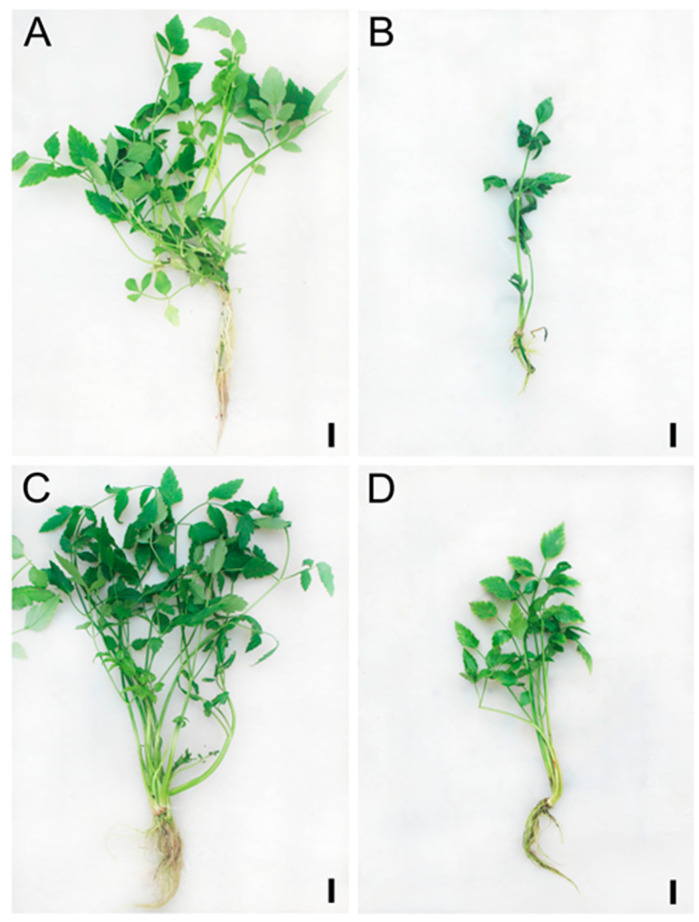
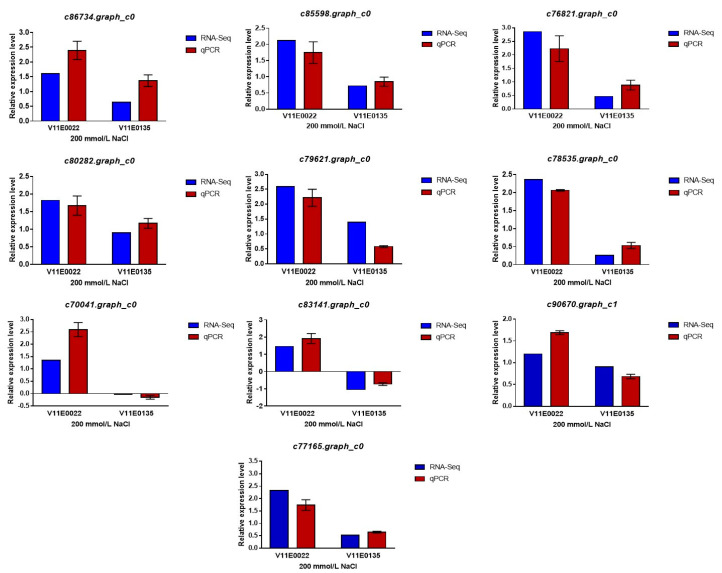
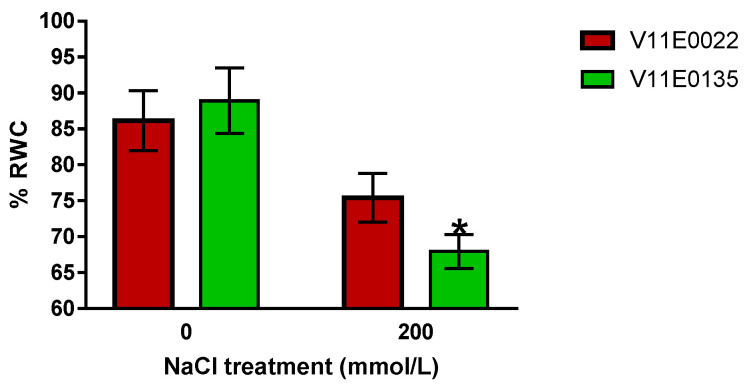
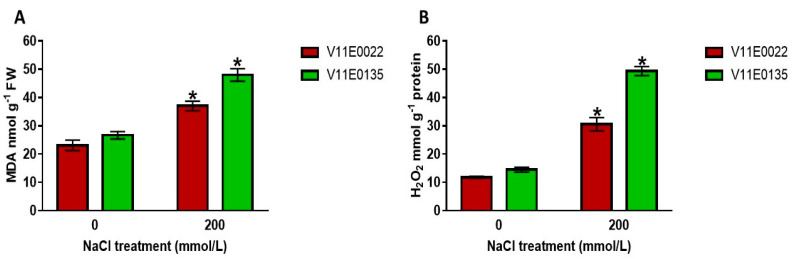
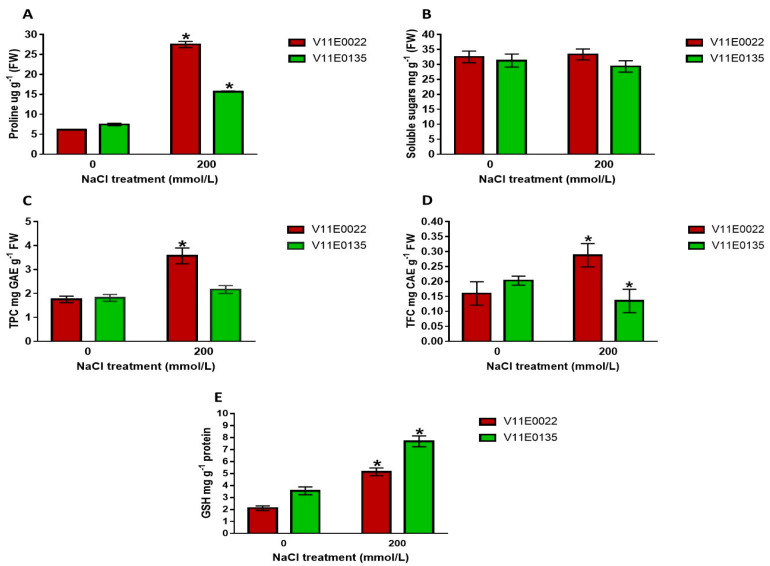
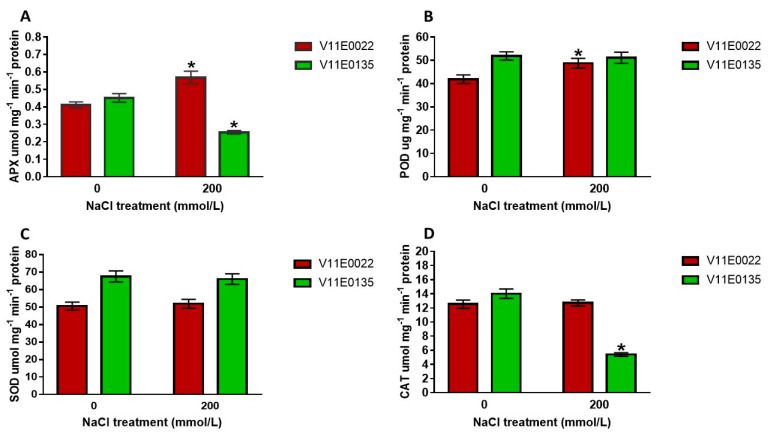
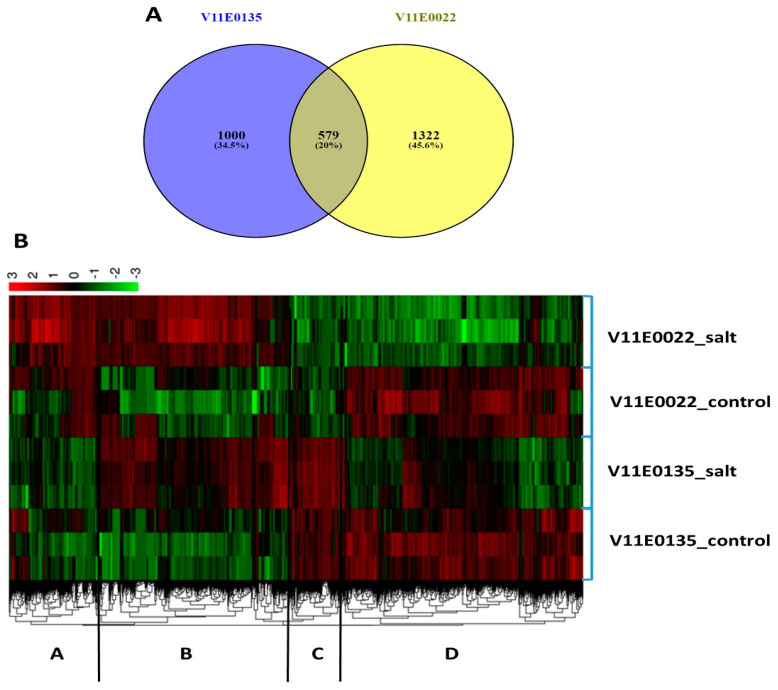
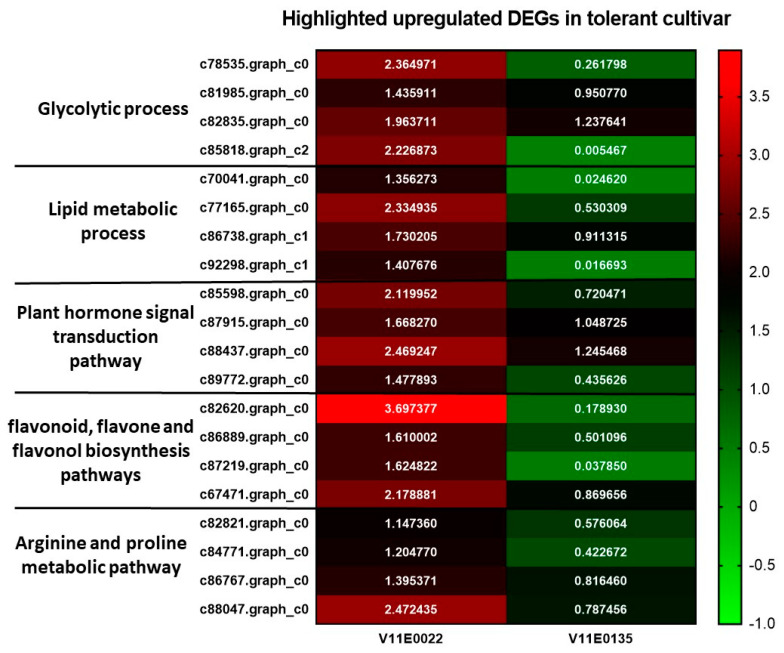
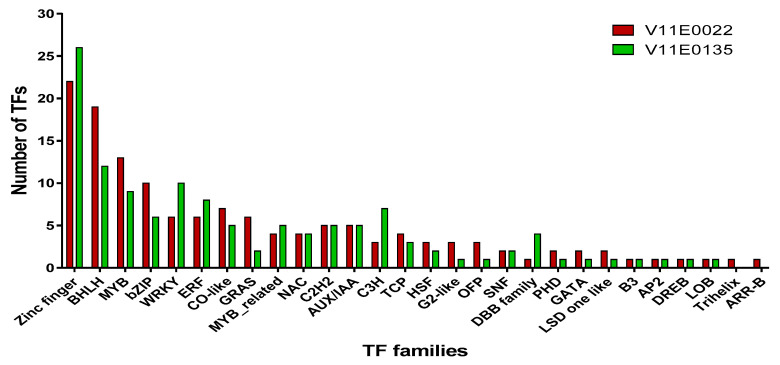
Abiotic stress, such as drought and salinity, severely affect the growth and yield of many plants. (commonly known as water dropwort) is an important vegetable that is grown in the saline-alkali soils of East Asia, where salinity is the limiting environmental factor. To study the defense mechanism of salt stress responses in water dropwort, we studied two water dropwort cultivars, V11E0022 and V11E0135, based on phenotypic and physiological indexes. We found that V11E0022 were tolerant to salt stress, as a result of good antioxidant defense system in the form of osmolyte (proline), antioxidants (polyphenols and flavonoids), and antioxidant enzymes (APX and CAT), which provided novel insights for salt-tolerant mechanisms. Then, a comparative transcriptomic analysis was conducted, and Gene Ontology (GO) analysis revealed that differentially expressed genes (DEGs) involved in the carbohydrate metabolic process could reduce oxidative stress and enhance energy production that can help in adaptation against salt stress. Similarly, lipid metabolic processes can also enhance tolerance against salt stress by reducing the transpiration rate, HO, and oxidative stress. Furthermore, the Kyoto Encyclopedia of Genes and Genomes (KEGG) pathway analysis showed that DEGs involved in hormone signals transduction pathway promoted the activities of antioxidant enzymes and reduced oxidative stress; likewise, arginine and proline metabolism, and flavonoid pathways also stimulated the biosynthesis of proline and flavonoids, respectively, in response to salt stress. Moreover, transcription factors (TFs) were also identified, which play an important role in salt stress tolerance of water dropwort. The finding of this study will be helpful for crop improvement under salt stress.
干旱和盐碱化等非生物胁迫严重影响许多植物的生长和产量。(俗称水芹)是一种重要的蔬菜,生长在东亚的盐碱土壤中,其中盐分是限制环境因素。为了研究水芹对盐胁迫反应的防御机制,我们基于表型和生理指标研究了两个水芹品种V11E0022和V11E0135。我们发现V11E0022对盐胁迫具有耐受性,这是由于其具有良好的抗氧化防御系统,以渗透调节剂(脯氨酸)、抗氧化剂(多酚和黄酮类化合物)和抗氧化酶(APX和CAT)的形式存在,这为耐盐机制提供了新的见解。然后,进行了比较转录组分析,基因本体(GO)分析表明,参与碳水化合物代谢过程的差异表达基因(DEGs)可以降低氧化应激并提高能量产生,有助于适应盐胁迫。同样,脂质代谢过程也可以通过降低蒸腾速率、HO和氧化应激来增强对盐胁迫的耐受性。此外,京都基因与基因组百科全书(KEGG)通路分析表明,参与激素信号转导通路的DEGs促进了抗氧化酶的活性并降低了氧化应激;同样,精氨酸和脯氨酸代谢以及黄酮类化合物通路也分别响应盐胁迫刺激了脯氨酸和黄酮类化合物的生物合成。此外,还鉴定了转录因子(TFs),它们在水芹的盐胁迫耐受性中起重要作用。本研究的发现将有助于盐胁迫下的作物改良。