ImpriMed, Inc., Palo Alto, California, USA.
ImpriMed Korea, Inc., Seoul, Republic of Korea.
Vet Comp Oncol. 2021 Mar;19(1):160-171. doi: 10.1111/vco.12656. Epub 2020 Oct 20.
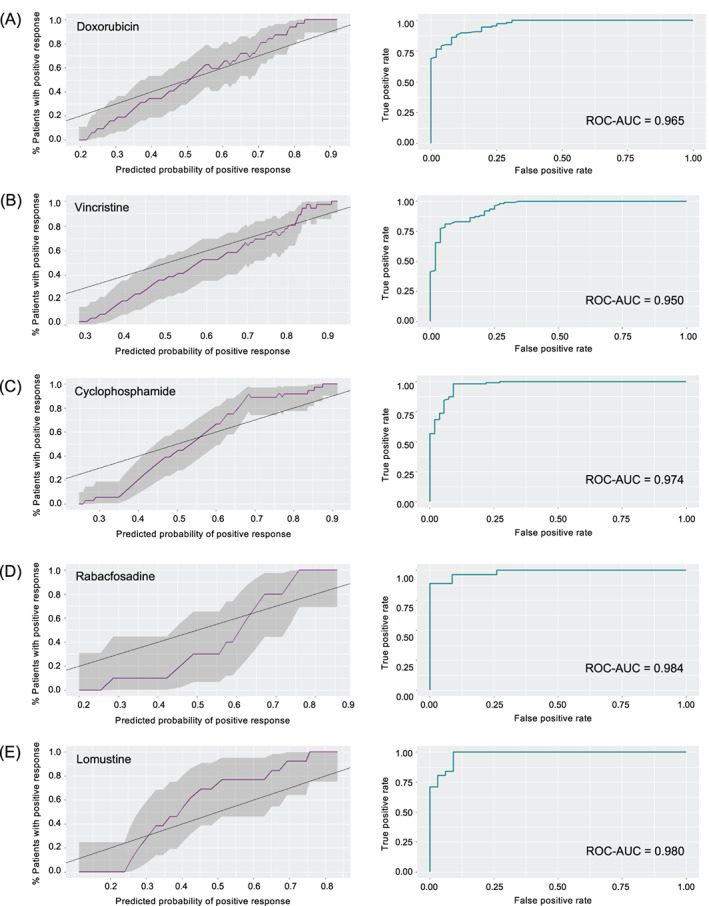
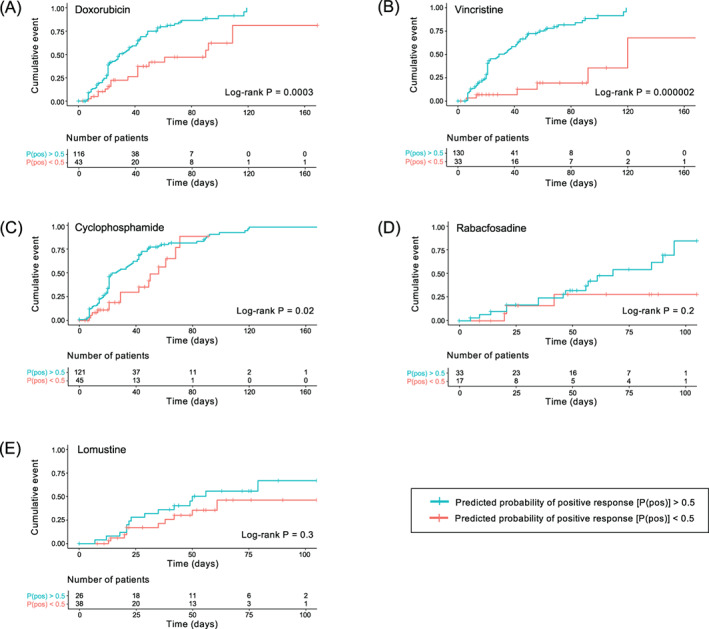
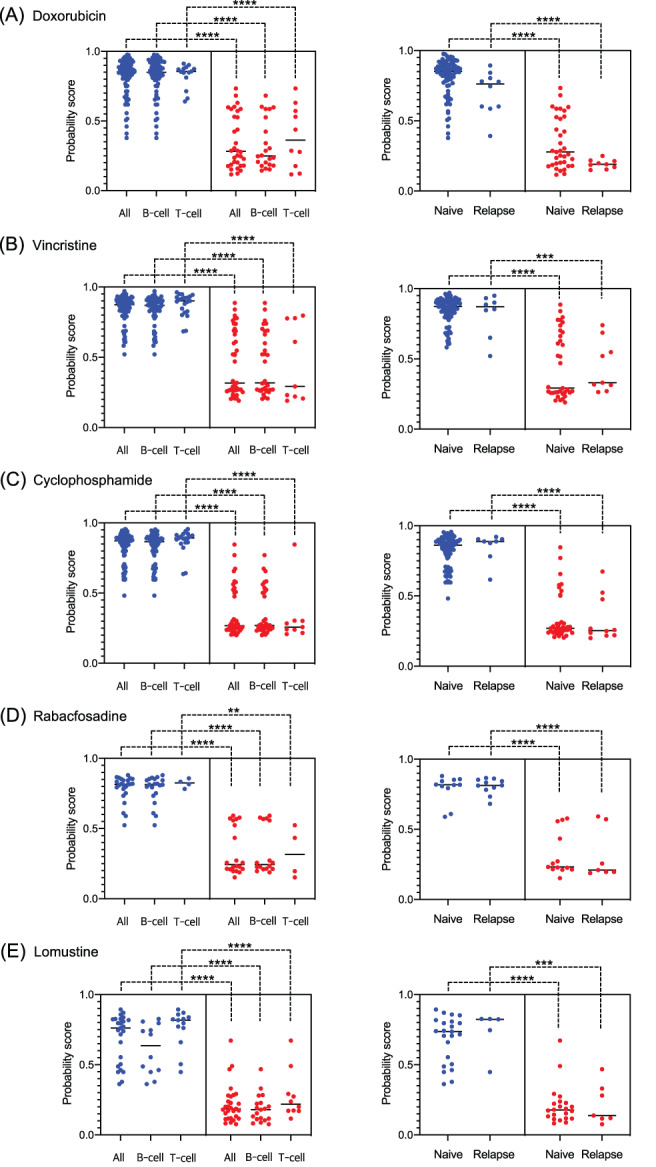
We report a precision medicine platform that evaluates the probability of chemotherapy drug efficacy for canine lymphoma by combining ex vivo chemosensitivity and immunophenotyping assays with computational modelling. We isolated live cancer cells from fresh fine needle aspirates of affected lymph nodes and collected post-treatment clinical responses in 261 canine lymphoma patients scheduled to receive at least 1 of 5 common chemotherapy agents (doxorubicin, vincristine, cyclophosphamide, lomustine and rabacfosadine). We used flow cytometry analysis for immunophenotyping and ex vivo chemosensitivity testing. For each drug, 70% of treated patients were randomly selected to train a random forest model to predict the probability of positive Veterinary Cooperative Oncology Group (VCOG) clinical response based on input variables including antigen expression profiles and treatment sensitivity readouts for each patient's cancer cells. The remaining 30% of patients were used to test model performance. Most models showed a test set ROC-AUC > 0.65, and all models had overall ROC-AUC > 0.95. Predicted response scores significantly distinguished (P < .001) positive responses from negative responses in B-cell and T-cell disease and newly diagnosed and relapsed patients. Patient groups with predicted response scores >50% showed a statistically significant reduction (log-rank P < .05) in time to complete response when compared to the groups with scores <50%. The computational models developed in this study enabled the conversion of ex vivo cell-based chemosensitivity assay results into a predicted probability of in vivo therapeutic efficacy, which may help improve treatment outcomes of individual canine lymphoma patients by providing predictive estimates of positive treatment response.
我们报告了一个精准医学平台,通过结合体外药敏和免疫表型分析与计算模型,评估化疗药物治疗犬淋巴瘤疗效的概率。我们从受影响的淋巴结的新鲜细针抽吸物中分离出活癌细胞,并收集了 261 例犬淋巴瘤患者的治疗后临床反应,这些患者计划接受至少 5 种常见化疗药物之一(阿霉素、长春新碱、环磷酰胺、洛莫司汀和拉巴福沙定)的治疗。我们使用流式细胞术分析进行免疫表型和体外药敏检测。对于每种药物,70%的治疗患者被随机选择用于训练随机森林模型,以预测基于抗原表达谱和每位患者癌细胞的治疗敏感性读数的阳性兽医合作肿瘤学组(VCOG)临床反应的概率。其余 30%的患者用于测试模型性能。大多数模型的测试集 ROC-AUC>0.65,所有模型的总体 ROC-AUC>0.95。预测的反应评分显著区分(P<0.001)B 细胞和 T 细胞疾病以及新诊断和复发患者的阳性反应和阴性反应。预测反应评分>50%的患者组与评分<50%的患者组相比,完全缓解的时间明显缩短(对数秩 P<0.05)。本研究中开发的计算模型能够将基于细胞的体外药敏检测结果转换为体内治疗疗效的预测概率,这可能有助于通过提供阳性治疗反应的预测估计来改善个体犬淋巴瘤患者的治疗结果。