Department of Cellular and Molecular Biology, The University of Texas Health Science Center at Tyler.
Arterioscler Thromb Vasc Biol. 2021 Jan;41(1):250-265. doi: 10.1161/ATVBAHA.120.315187. Epub 2020 Oct 8.
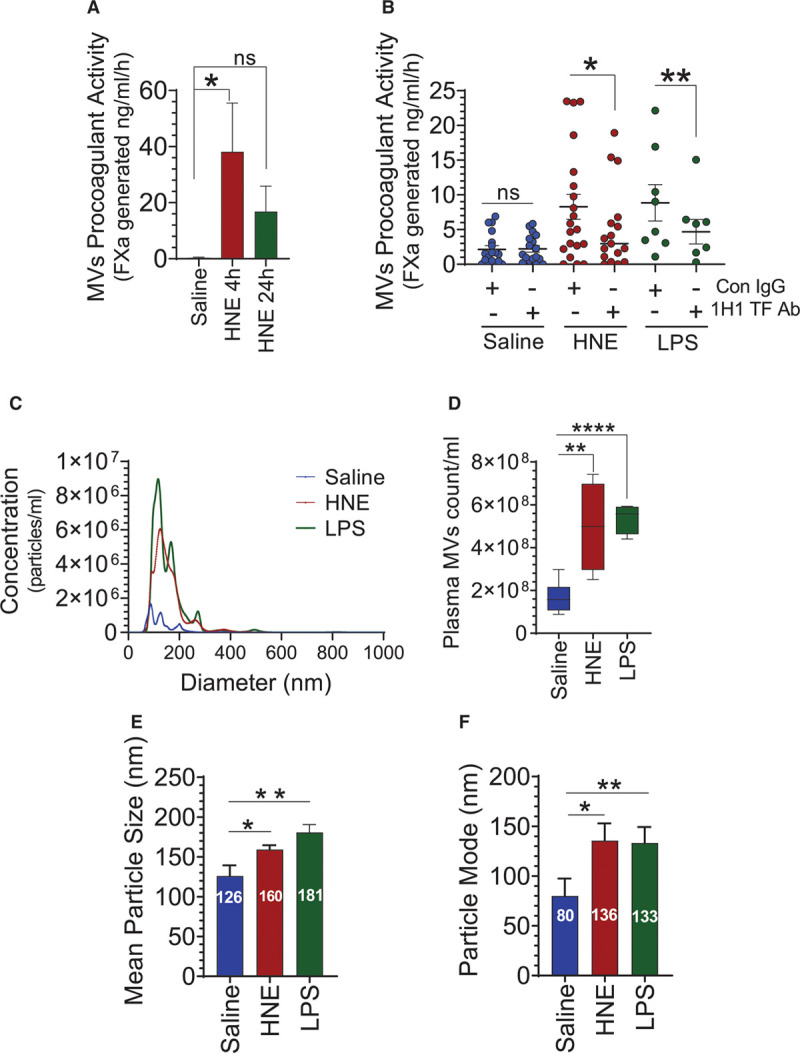
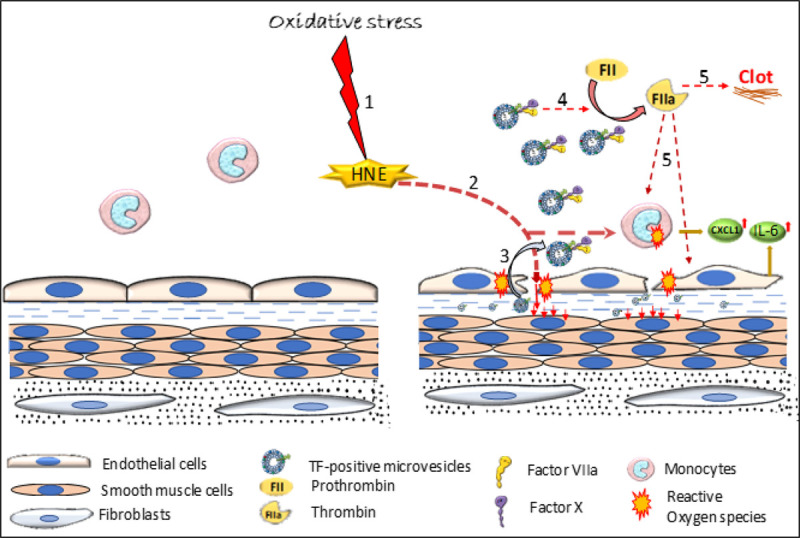
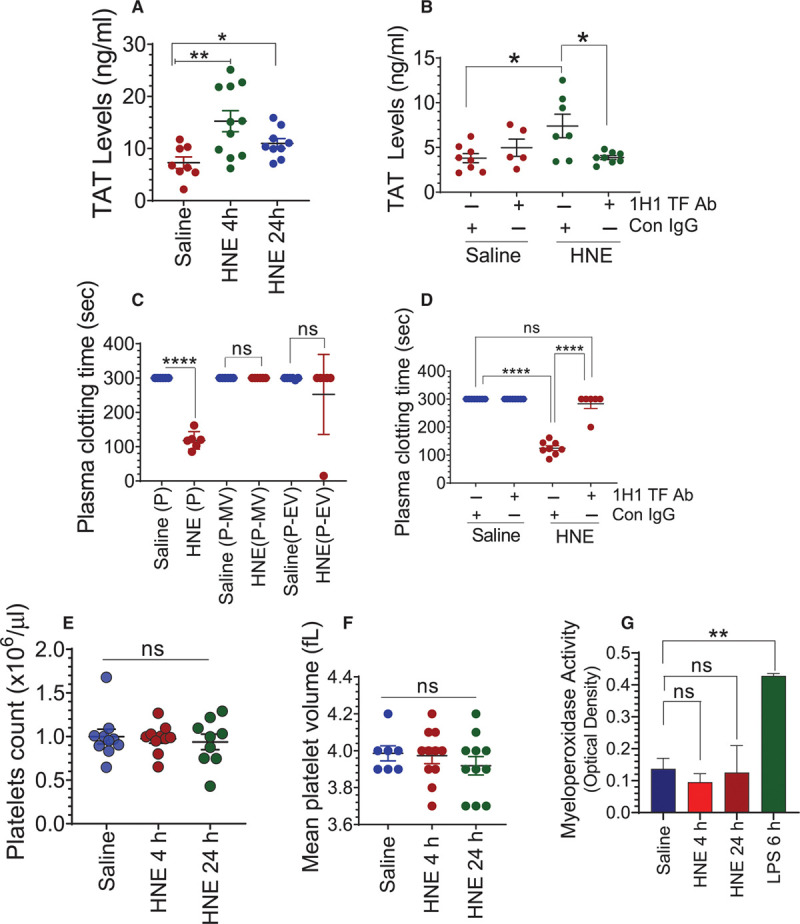
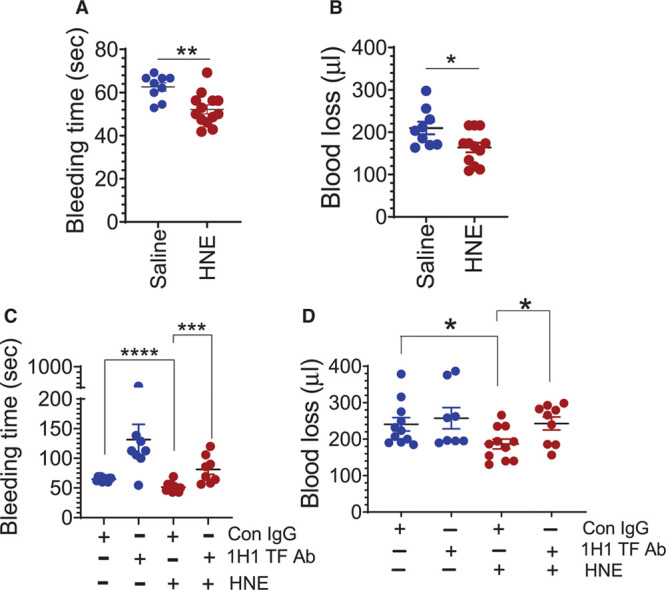
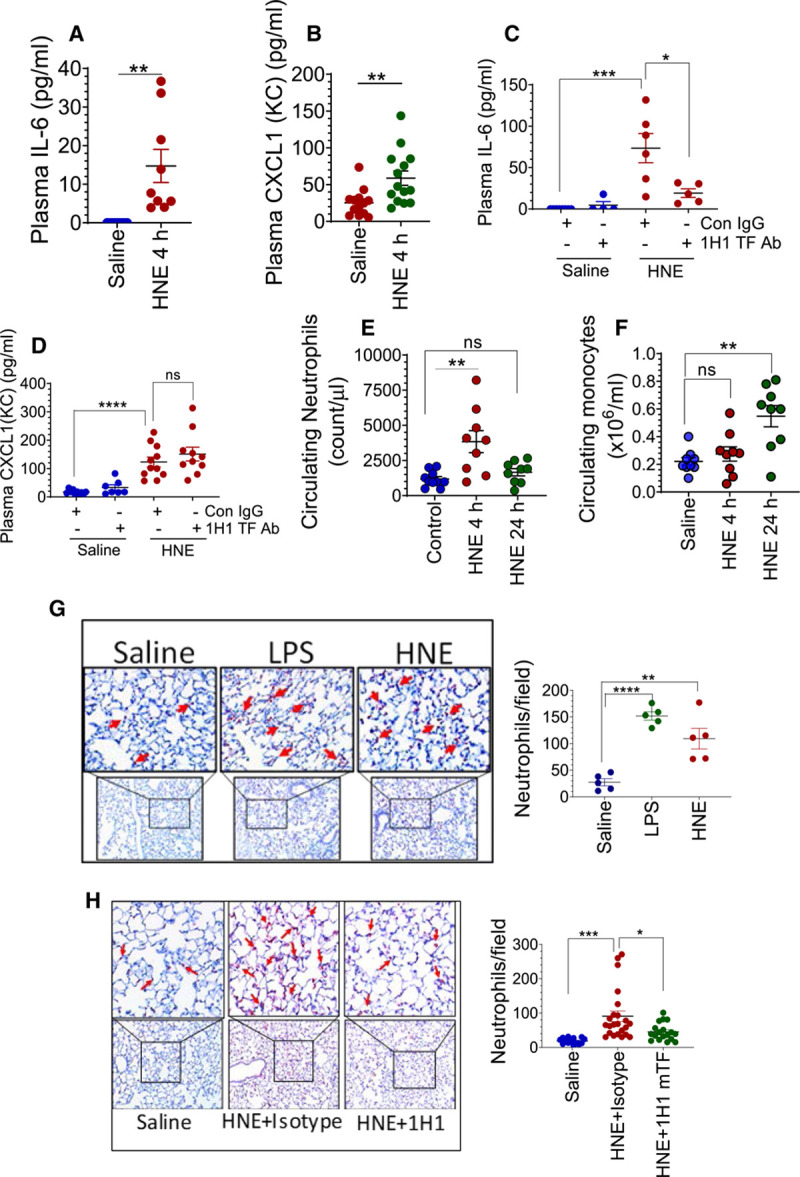
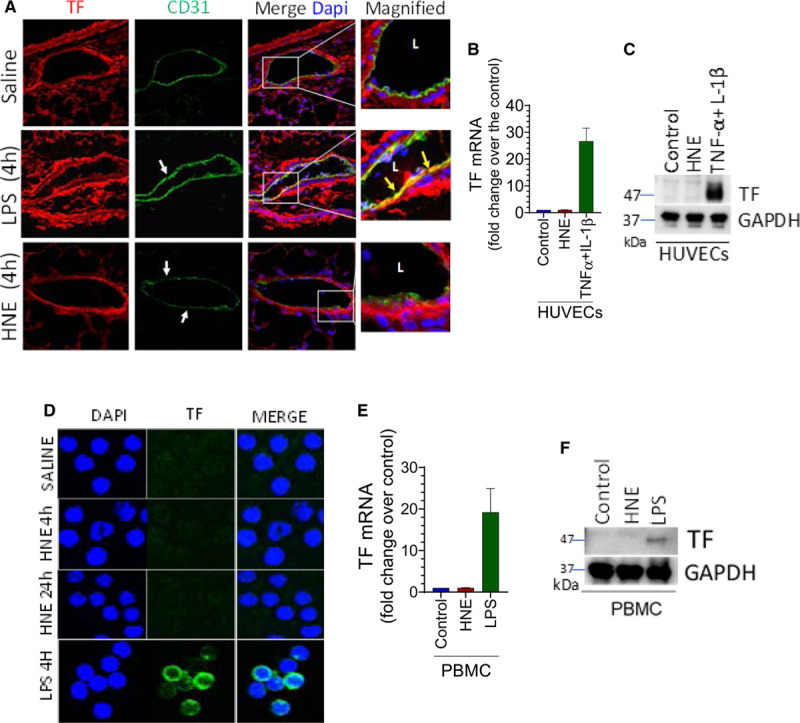
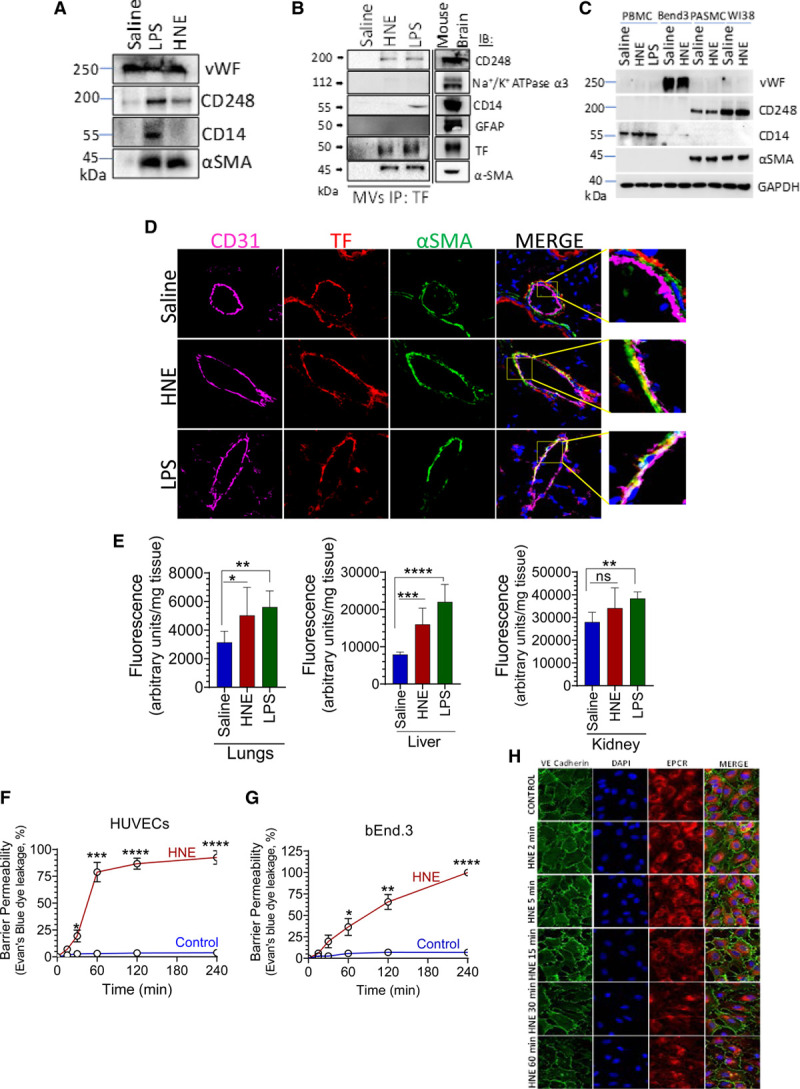
TF (Tissue factor) plays a key role in hemostasis, but an aberrant expression of TF leads to thrombosis. The objective of the present study is to investigate the effect of 4-hydroxy-2-nonenal (HNE), the most stable and major oxidant produced in various disease conditions, on the release of TF microvesicles into the circulation, identify the source of TF microvesicles origin, and assess their effect on intravascular coagulation and inflammation. Approach and Results: C57BL/6J mice were administered with HNE intraperitoneally, and the release of TF microvesicles into circulation was evaluated using coagulation assays and nanoparticle tracking analysis. Various cell-specific markers were used to identify the cellular source of TF microvesicles. Vascular permeability was analyzed by the extravasation of Evans blue dye or fluorescein dextran. HNE administration to mice markedly increased the levels of TF microvesicles and thrombin generation in the circulation. HNE administration also increased the number of neutrophils in the lungs and elevated the levels of inflammatory cytokines in plasma. Administration of an anti-TF antibody blocked not only HNE-induced thrombin generation but also HNE-induced inflammation. Confocal microscopy and immunoblotting studies showed that HNE does not induce TF expression either in vascular endothelium or circulating monocytes. Microvesicles harvested from HNE-administered mice stained positively with CD248 and α-smooth muscle actin, the markers that are specific to perivascular cells. HNE was found to destabilize endothelial cell barrier integrity.
HNE promotes the release of TF microvesicles from perivascular cells into the circulation. HNE-induced increased TF activity contributes to intravascular coagulation and inflammation.
组织因子(TF)在止血中起着关键作用,但 TF 的异常表达会导致血栓形成。本研究旨在探讨 4-羟基-2-壬烯醛(HNE),即各种疾病状态下产生的最稳定和主要的氧化剂,对 TF 微小囊泡释放到循环中的影响,确定 TF 微小囊泡来源,评估其对血管内凝血和炎症的影响。
C57BL/6J 小鼠经腹腔内给予 HNE,采用凝血测定和纳米颗粒跟踪分析评估 TF 微小囊泡释放到循环中的情况。使用各种细胞特异性标志物来鉴定 TF 微小囊泡的细胞来源。通过 Evans 蓝染料或荧光素右旋糖的渗出来分析血管通透性。HNE 给药显著增加了循环中 TF 微小囊泡和凝血酶生成的水平。HNE 给药还增加了肺部中性粒细胞的数量,并升高了血浆中炎症细胞因子的水平。抗 TF 抗体的给药不仅阻断了 HNE 诱导的凝血酶生成,也阻断了 HNE 诱导的炎症。共聚焦显微镜和免疫印迹研究表明,HNE 既不诱导血管内皮细胞也不诱导循环单核细胞中的 TF 表达。从小鼠中分离出的微小囊泡与 CD248 和 α-平滑肌肌动蛋白(perivascular cells 的标志物)染色呈阳性。HNE 被发现破坏内皮细胞屏障完整性。
HNE 促进了血管周细胞释放 TF 微小囊泡进入循环。HNE 诱导的 TF 活性增加导致血管内凝血和炎症。