Barawi Kali S, Lewis Catrin, Simon Natalie, Bisson Jonathan I
Division of Psychological Medicine and Clinical Neurosciences, Cardiff University School of Medicine, Wales, UK.
Eur J Psychotraumatol. 2020 Jul 1;11(1):1774240. doi: 10.1080/20008198.2020.1774240.
Psychological interventions for post-traumatic stress disorder (PTSD) are not always effective and can leave some individuals with enduring symptoms. Little is known about factors that are associated with better or worse treatment outcome. Our objective was to address this gap.
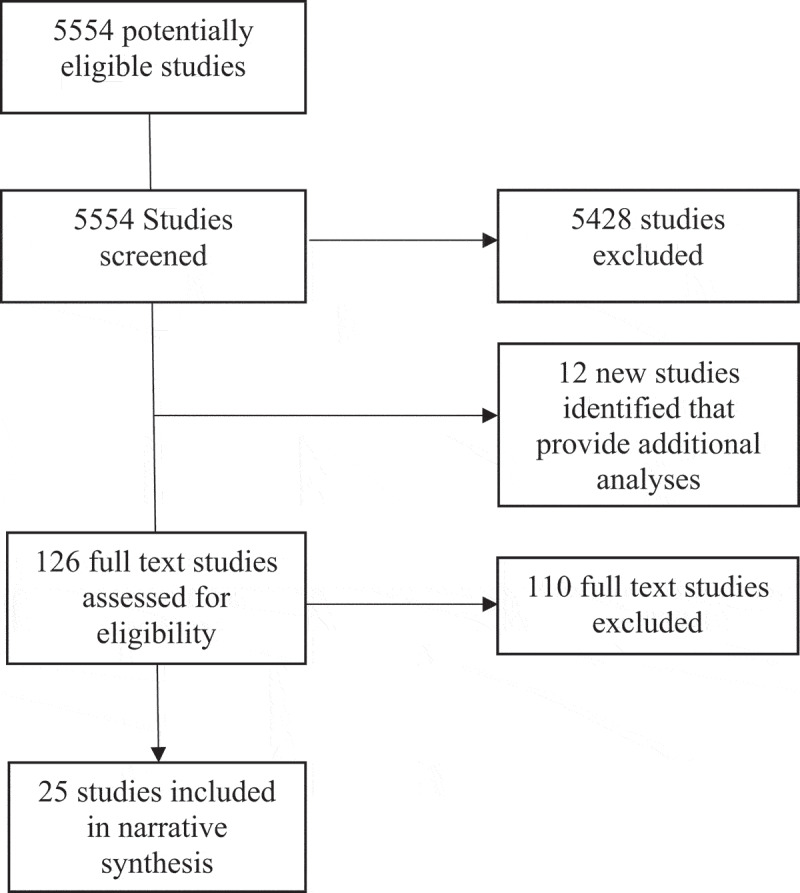
We undertook a systematic review following Cochrane Collaboration Guidelines. We included 126 randomized controlled trials (RCTs) of psychological interventions for PTSD and examined factors that were associated with treatment outcome, in terms of severity of PTSD symptoms post-treatment, and recovery or remission.
Associations were neither consistent nor strong. Two factors were associated with smaller reductions in severity of PTSD symptoms post-treatment: comorbid diagnosis of depression, and higher PTSD symptom severity at baseline assessment. Higher education, adherence to homework and experience of a more recent trauma were associated with better treatment outcome.
Identifying and understanding why certain factors are associated with treatment outcome is vital to determine which individuals are most likely to benefit from particular treatments and to develop more effective treatments in the future. There is an urgent need for consistent and standardized reporting of factors associated with treatment outcome in all clinical trials.
创伤后应激障碍(PTSD)的心理干预并非总是有效,可能会使一些个体留下持久症状。对于与治疗效果较好或较差相关的因素知之甚少。我们的目的是填补这一空白。
我们按照Cochrane协作网指南进行了系统评价。我们纳入了126项针对PTSD的心理干预随机对照试验(RCT),并从治疗后PTSD症状的严重程度以及康复或缓解方面,研究了与治疗效果相关的因素。
相关性既不一致也不强烈。两个因素与治疗后PTSD症状严重程度降低幅度较小有关:共病抑郁症诊断,以及基线评估时较高的PTSD症状严重程度。高等教育、家庭作业依从性以及近期创伤经历与较好的治疗效果相关。
识别并理解某些因素为何与治疗效果相关,对于确定哪些个体最有可能从特定治疗中获益以及未来开发更有效的治疗方法至关重要。迫切需要在所有临床试验中对与治疗效果相关的因素进行一致且标准化的报告。