Cardiovascular Genetics, Charité - Universitätsmedizin Berlin, 13125 Berlin, Germany.
Berlin Institute of Health (BIH), Berlin, Germany.
Dis Model Mech. 2020 Dec 18;13(12):dmm045377. doi: 10.1242/dmm.045377.
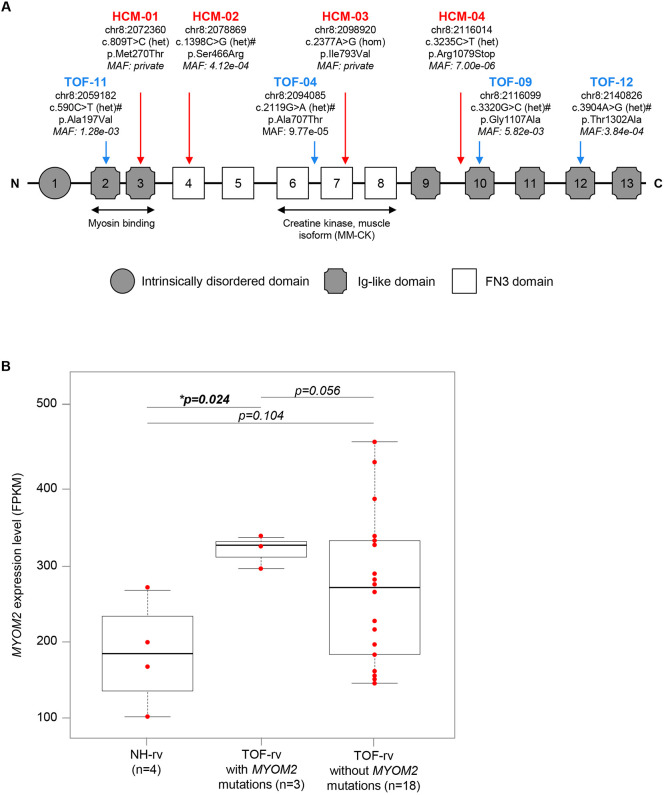
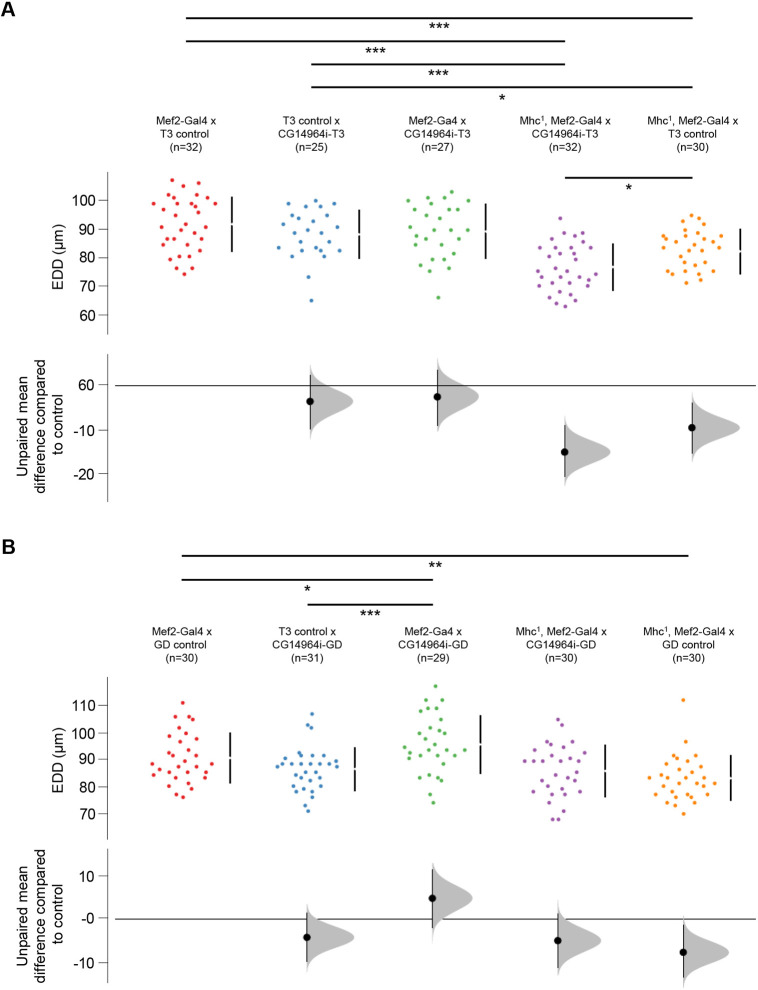
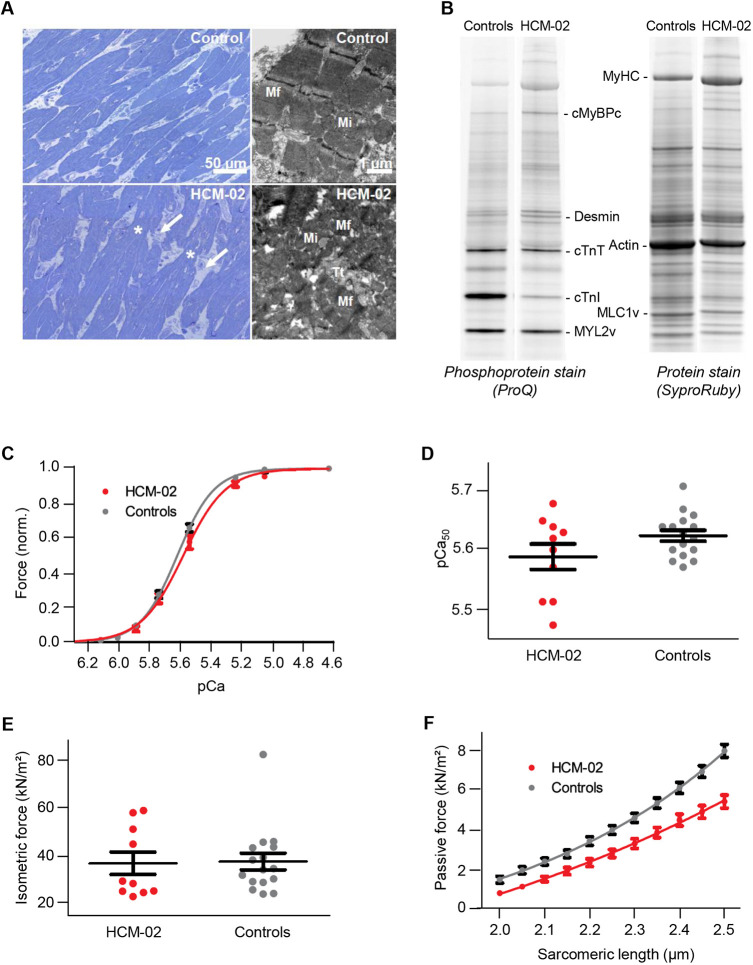
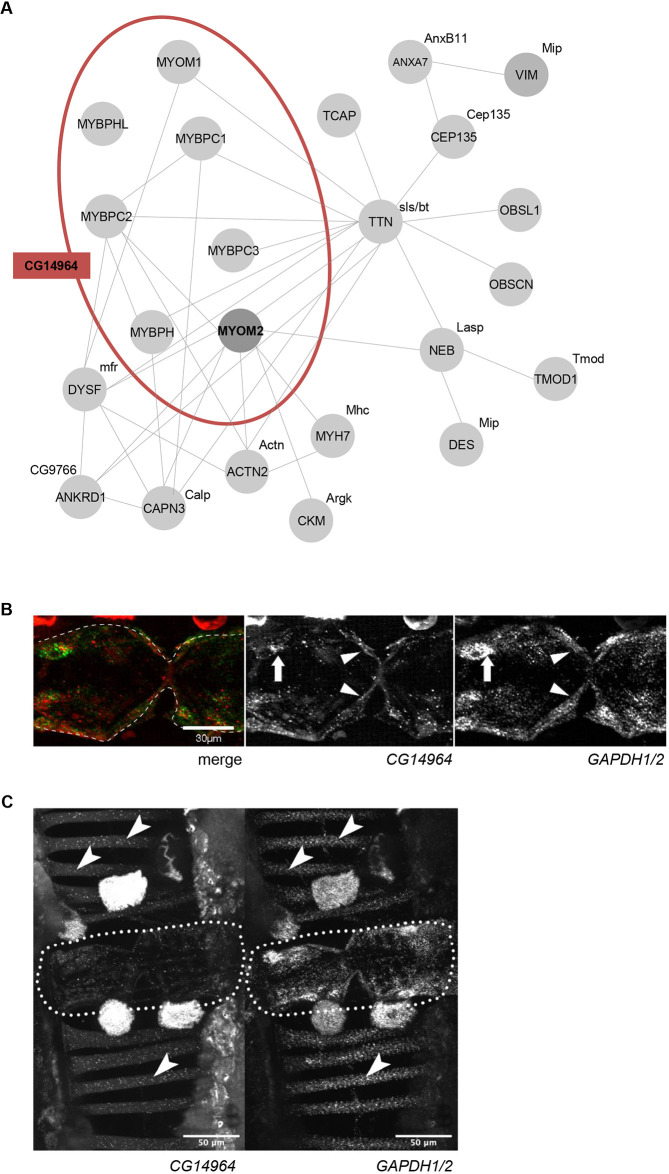
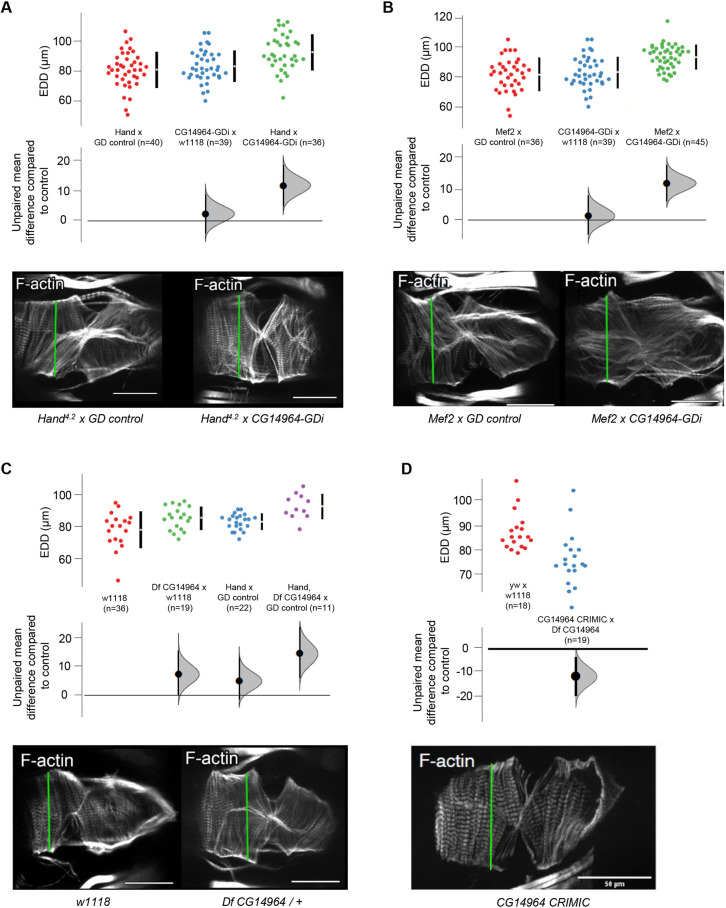
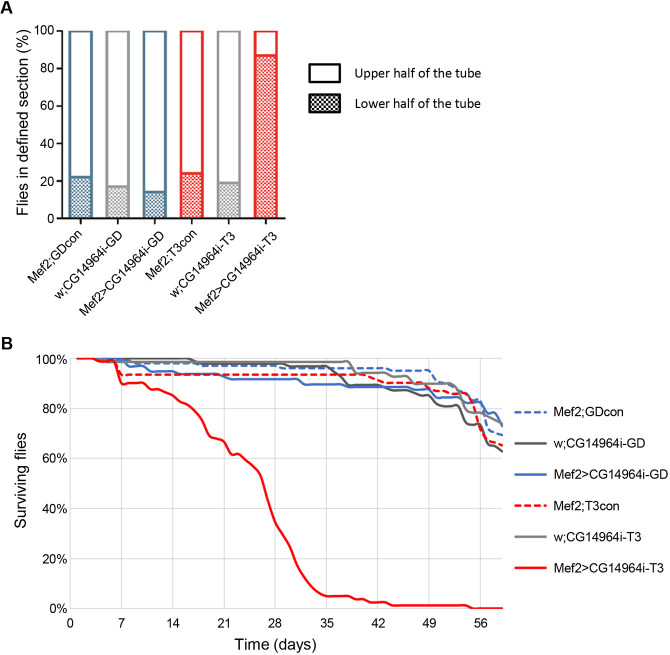
The causal genetic underpinnings of congenital heart diseases, which are often complex and multigenic, are still far from understood. Moreover, there are also predominantly monogenic heart defects, such as cardiomyopathies, with known disease genes for the majority of cases. In this study, we identified mutations in myomesin 2 () in patients with Tetralogy of Fallot (TOF), the most common cyanotic heart malformation, as well as in patients with hypertrophic cardiomyopathy (HCM), who do not exhibit any mutations in the known disease genes. MYOM2 is a major component of the myofibrillar M-band of the sarcomere, and a hub gene within interactions of sarcomere genes. We show that patient-derived cardiomyocytes exhibit myofibrillar disarray and reduced passive force with increasing sarcomere lengths. Moreover, our comprehensive functional analyses in the animal model reveal that the so far uncharacterized fly gene [herein referred to as myomesin and myosin binding protein (dMnM)] may be an ortholog of , as well as other myosin binding proteins Its partial loss of function or moderate cardiac knockdown results in cardiac dilation, whereas more severely reduced function causes a constricted phenotype and an increase in sarcomere myosin protein. Moreover, compound heterozygous combinations of and the sarcomere gene () exhibited synergistic genetic interactions. In summary, our results suggest that not only plays a critical role in maintaining robust heart function but may also be a candidate gene for heart diseases such as HCM and TOF, as it is clearly involved in the development of the heart.This article has an associated First Person interview with Emilie Auxerre-Plantié and Tanja Nielsen, joint first authors of the paper.
先天性心脏病的因果遗传基础,往往较为复杂且具有多基因性,目前仍知之甚少。此外,还有许多主要为单基因性的心脏缺陷,如心肌病,其大多数病例都有已知的致病基因。在这项研究中,我们在法洛四联症(TOF)患者中发现了肌联蛋白 2 () 突变,TOF 是最常见的发绀性心脏畸形,也在肥厚型心肌病(HCM)患者中发现了该基因突变,而后者在已知的致病基因中并未发现任何突变。MYOM2 是肌节肌球蛋白纤维 M 带的主要组成部分,也是肌节基因相互作用的枢纽基因。我们表明,患者来源的心肌细胞表现出肌节紊乱和随着肌节长度增加而被动力降低。此外,我们在动物模型中的全面功能分析表明,迄今尚未表征的果蝇基因 [此处称为肌联蛋白和肌球蛋白结合蛋白 (dMnM)] 可能是 的同源基因,以及其他肌球蛋白结合蛋白。其部分功能丧失或中度心脏敲低导致心脏扩张,而更严重的功能降低导致收缩表型和肌节肌球蛋白蛋白增加。此外, 和肌节基因 ()的复合杂合组合表现出协同的遗传相互作用。总之,我们的结果表明, 不仅在维持强健的心脏功能方面发挥着关键作用,而且可能也是 HCM 和 TOF 等心脏疾病的候选基因,因为它显然参与了心脏的发育。本文附有第一人称采访,受访者为 Emilie Auxerre-Plantié 和 Tanja Nielsen,他们是本文的共同第一作者。