Key Laboratory of Freshwater Aquatic Genetic Resources, Ministry of Agriculture, National Demonstration Center for Experimental Fisheries Science Education, Shanghai Engineering Research Center of Aquaculture, Shanghai Ocean University, Shanghai, China.
Shanghai Fisheries Research Institute, Shanghai Fisheries Technical Extension Station, Shanghai, China.
PLoS One. 2020 Oct 9;15(10):e0240308. doi: 10.1371/journal.pone.0240308. eCollection 2020.
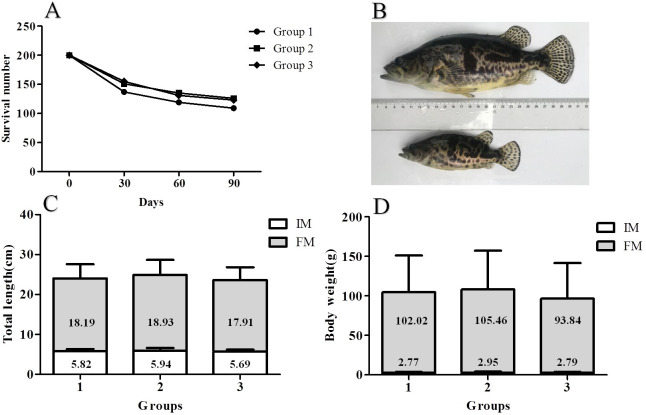
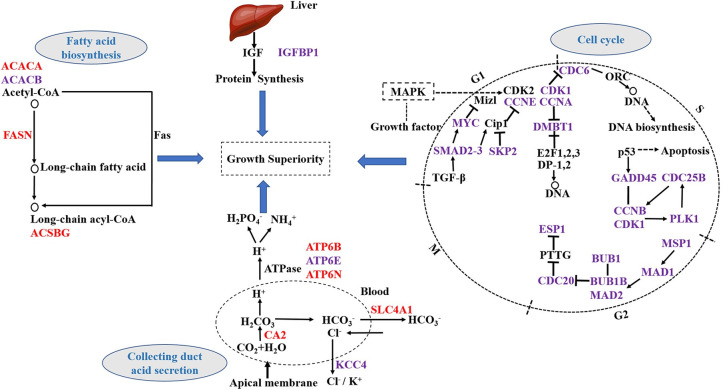
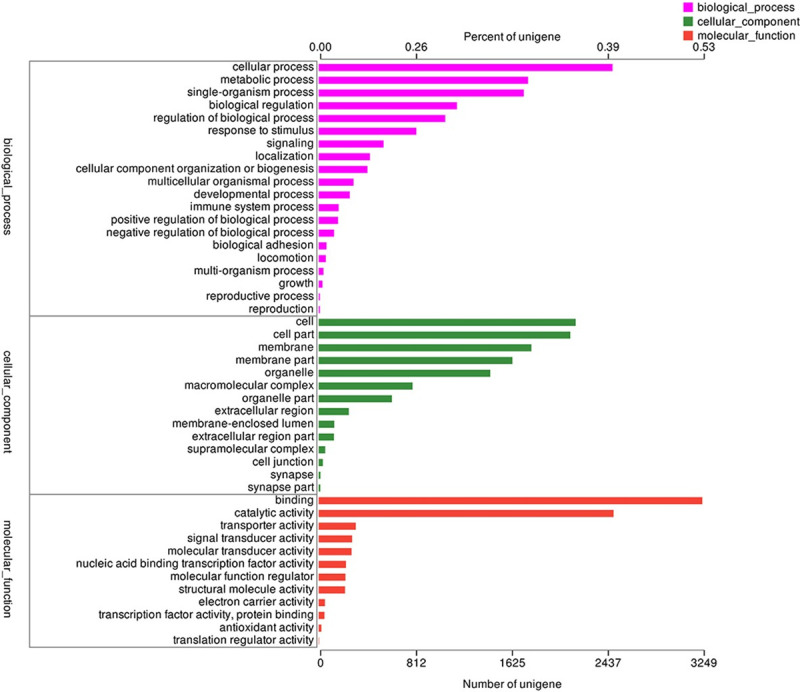
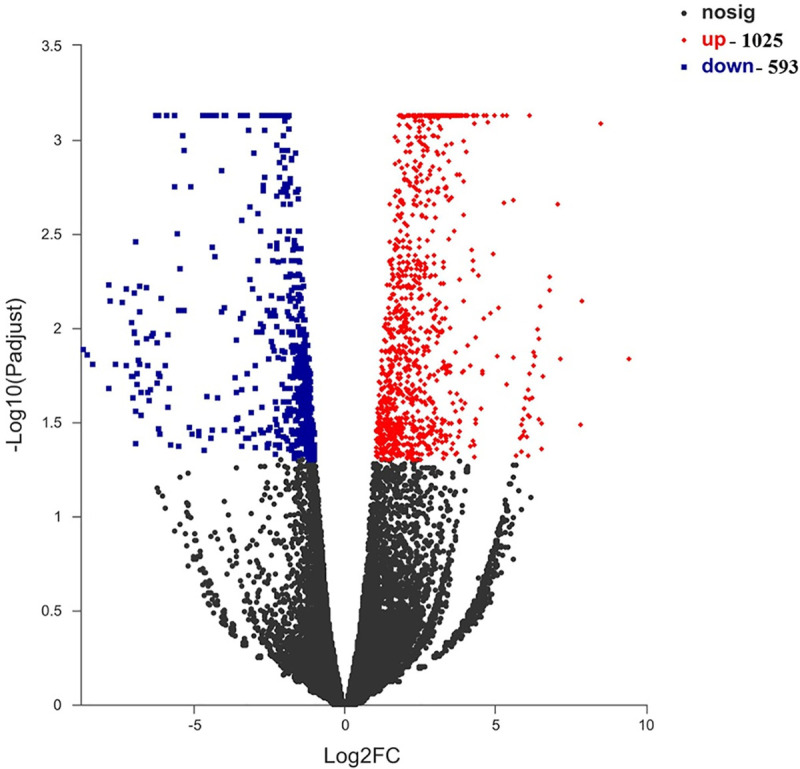
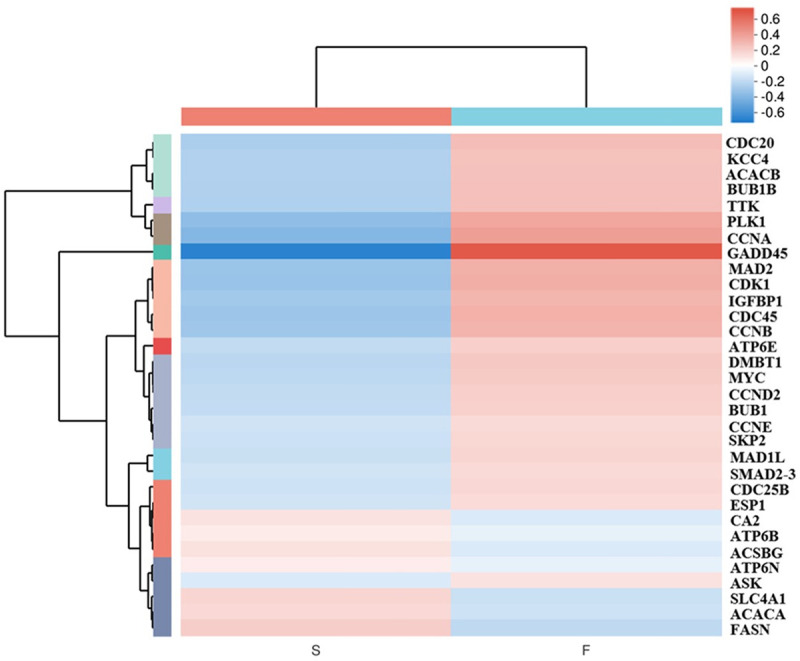
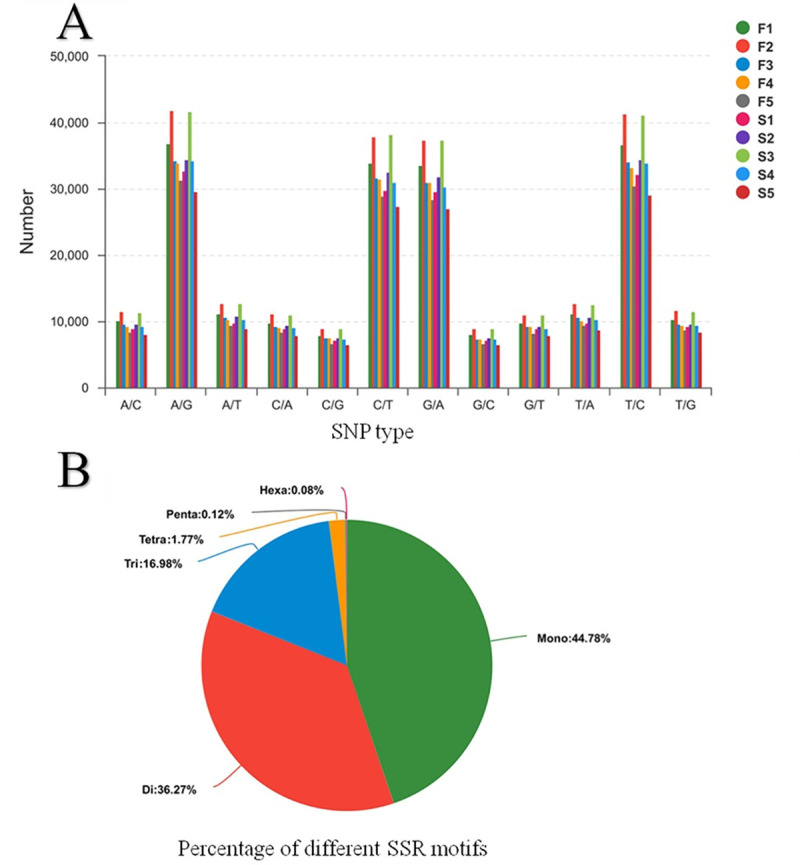
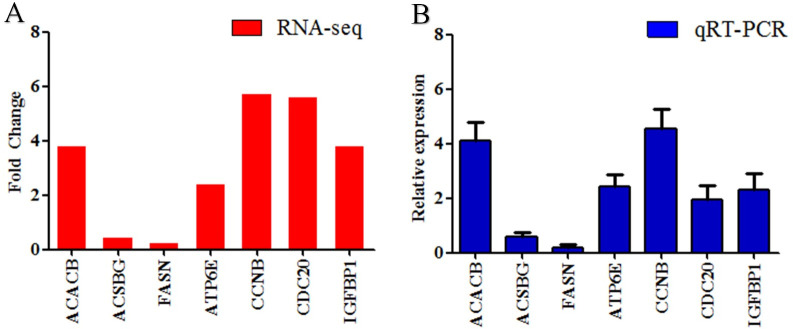
During recent years, China has become a hotspot for the domestication of mandarin fish, and this is of great commercial value. Although the food preference of domesticated mandarin fish has been studied, little is known about genes regulating their growth. We raised hybrid mandarin fish on artificial feed for 3 months, the results showed that the survival rate of hybrid mandarin fish was 60.00%. Their total length and body weight were 18.34 ±0.43 cm and 100.44 ±4.87 g. The absolute length and weight gain rates were 0.14 cm/d and 1.08 g/d, respectively. Finally, RNA sequencing (RNA-Seq) was performed to identify potential genes and pathways activated in response to growth performance. The transcriptome analysis generated 68, 197 transcripts and 45,871 unigenes. Among them, 1025 genes were up-regulated and 593 genes were down-regulated between the fast- and slow-growth fish. Finally, we obtained 32 differentially expressed genes, which were mainly related to fatty acid biosynthesis (e.g. FASN and ACACB), collecting duct acid secretion (e.g. ATP6E and KCC4), cell cycle (e.g. CDC20 and CCNB), and the insulin-like growth factor (IGF) system (IGFBP1). These pathways might be related to the growth of hybrid mandarin fish. In addition, more potential single nucleotide polymorphisms (SNPs) were detected in the fast-growth fish than in the slow-growth fish. The results suggest that the interaction of metabolism and abundant alleles might determine the growth of hybrid mandarin fish after food conversion.
近年来,中国已成为驯养鳜鱼的热点地区,这具有巨大的商业价值。尽管已经研究了驯养鳜鱼的食物偏好,但对调节其生长的基因知之甚少。我们用人工饲料饲养杂交鳜鱼 3 个月,结果表明杂交鳜鱼的成活率为 60.00%。它们的全长和体重分别为 18.34 ±0.43cm 和 100.44 ±4.87g。绝对体长增长率和体重增长率分别为 0.14cm/d 和 1.08g/d。最后,进行了 RNA 测序(RNA-Seq)以鉴定对生长性能有反应的潜在基因和途径。转录组分析生成了 68197 个转录本和 45871 个 unigenes。其中,快速生长和缓慢生长的鱼之间有 1025 个基因上调和 593 个基因下调。最后,我们获得了 32 个差异表达基因,这些基因主要与脂肪酸生物合成(如 FASN 和 ACACB)、收集管酸分泌(如 ATP6E 和 KCC4)、细胞周期(如 CDC20 和 CCNB)和胰岛素样生长因子(IGF)系统(IGFBP1)有关。这些途径可能与杂交鳜鱼的生长有关。此外,在快速生长的鱼中检测到的潜在单核苷酸多态性(SNP)比在缓慢生长的鱼中更多。结果表明,代谢和丰富等位基因的相互作用可能决定了食物转换后杂交鳜鱼的生长。