Al-Halifa Soultan, Zottig Ximena, Babych Margaryta, Côté-Cyr Mélanie, Bourgault Steve, Archambault Denis
Department of Chemistry, Université du Québec à Montréal, Montreal, QC H2L 2C4, Canada.
The Quebec Network for Research on Protein Function, Engineering and Applications, PROTEO, Quebec, QC G1V 0A6, Canada.
Nanomaterials (Basel). 2020 Oct 7;10(10):1981. doi: 10.3390/nano10101981.
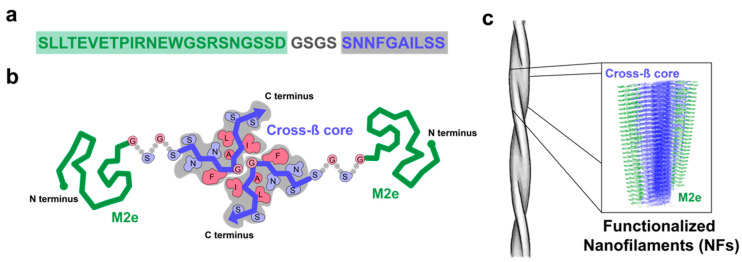
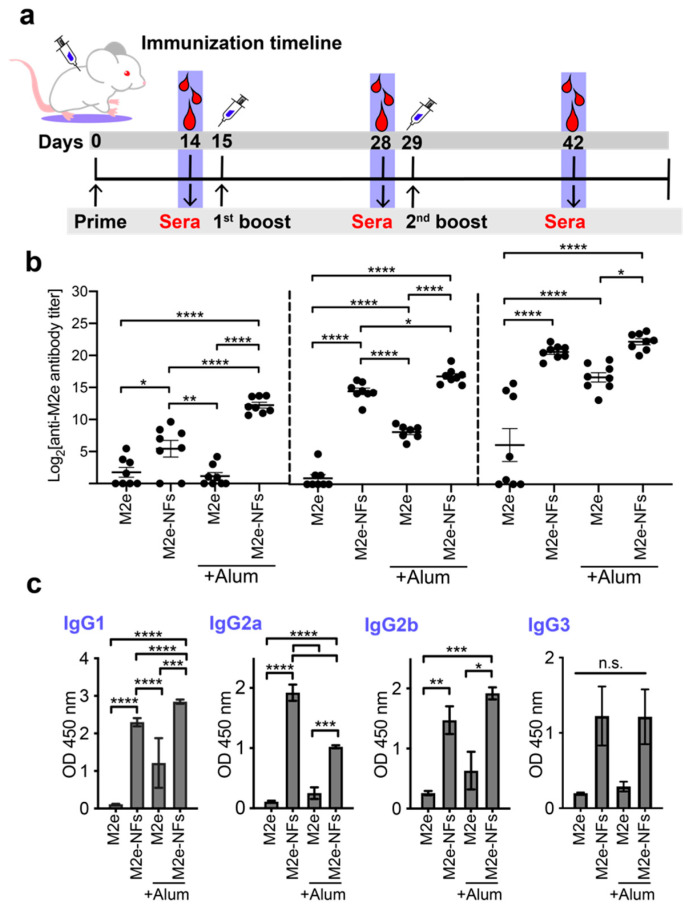
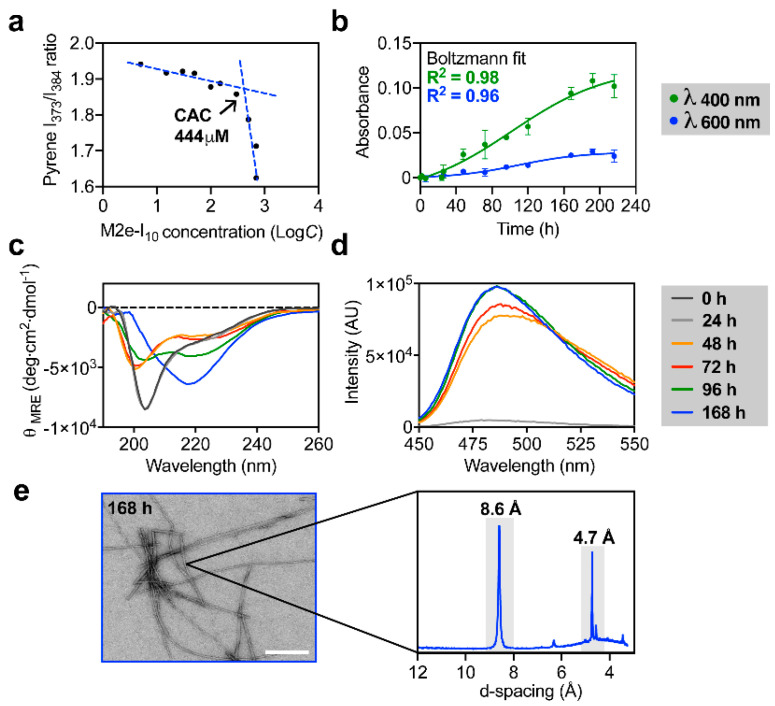
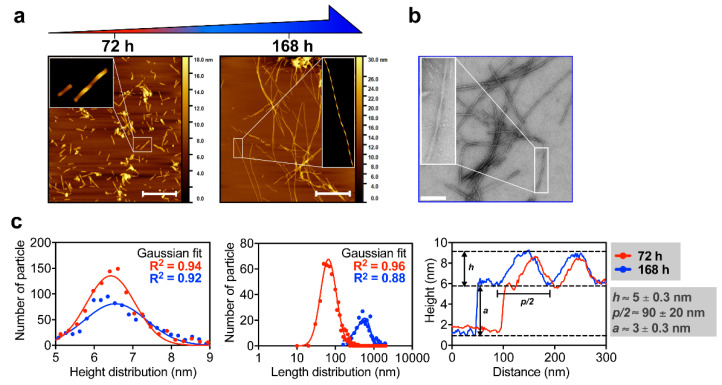
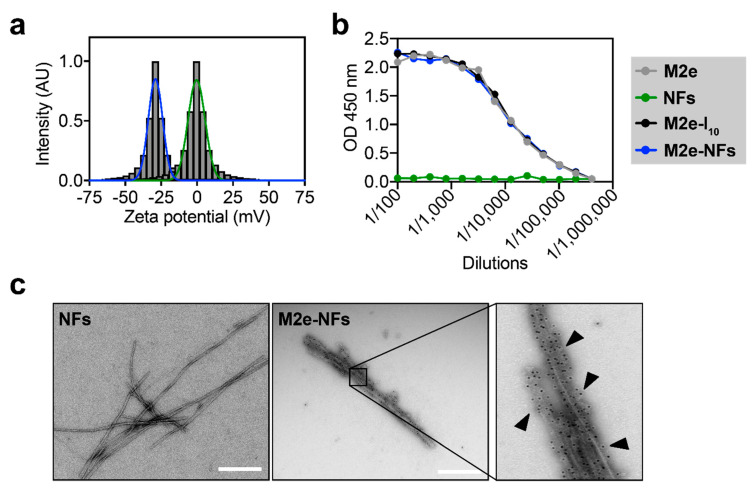
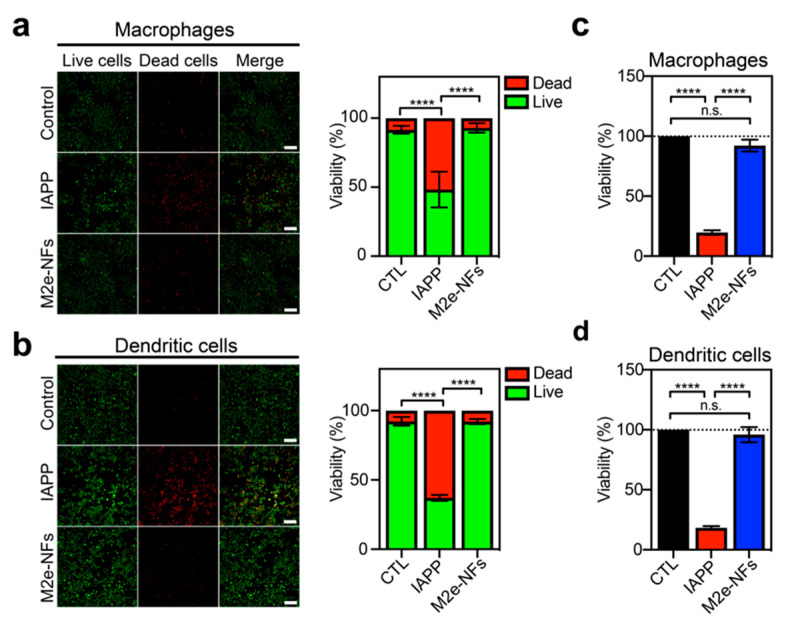
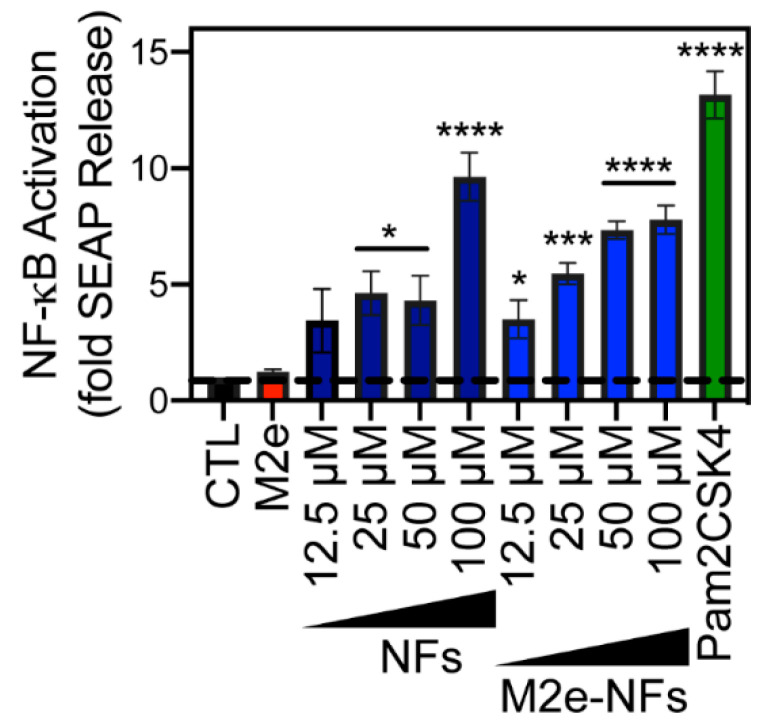
Protein fibrils characterized with a cross-β-sheet quaternary structure have gained interest as nanomaterials in biomedicine, including in the design of subunit vaccines. Recent studies have shown that by conjugating an antigenic determinant to a self-assembling β-peptide, the resulting supramolecular assemblies act as an antigen delivery system that potentiates the epitope-specific immune response. In this study, we used a ten-mer self-assembling sequence (I) derived from an amyloidogenic peptide to biophysically and immunologically characterize a nanofibril-based vaccine against the influenza virus. The highly conserved epitope from the ectodomain of the matrix protein 2 (M2e) was elongated at the N-terminus of I by solid phase peptide synthesis. The chimeric M2e-I peptide readily self-assembled into unbranched, long, and twisted fibrils with a diameter between five and eight nm. These cross-β nanoassemblies were cytocompatible and activated the heterodimeric Toll-like receptor (TLR) 2/6. Upon mice subcutaneous immunization, M2e-fibrils triggered a robust anti-M2e specific immune response, which was dependent on self-assembly and did not require the use of an adjuvant. Overall, this study describes the efficacy of cross-β fibrils to activate the TLR 2/6 and to stimulate the epitope-specific immune response, supporting usage of these proteinaceous assemblies as a self-adjuvanted delivery system for antigens.
具有交叉β-折叠四级结构的蛋白质原纤维作为生物医学中的纳米材料受到关注,包括在亚单位疫苗的设计中。最近的研究表明,通过将抗原决定簇与自组装β-肽缀合,所得的超分子组装体可作为一种抗原递送系统,增强表位特异性免疫反应。在本研究中,我们使用了一种源自淀粉样生成肽的十聚体自组装序列(I),从生物物理和免疫学角度对一种基于纳米纤维的流感病毒疫苗进行了表征。通过固相肽合成,在I的N端延长了基质蛋白2(M2e)胞外域高度保守的表位。嵌合的M2e-I肽很容易自组装成无分支、长且扭曲的纤维,直径在5至8纳米之间。这些交叉β纳米组装体具有细胞相容性,并激活了异二聚体Toll样受体(TLR)2/6。对小鼠进行皮下免疫后,M2e-纤维引发了强烈的抗M2e特异性免疫反应,该反应依赖于自组装,且不需要使用佐剂。总体而言,本研究描述了交叉β纤维激活TLR 2/6和刺激表位特异性免疫反应的功效,支持将这些蛋白质组装体用作抗原的自佐剂递送系统。