University School of Information Communication and Technology (USICT), Guru Gobind Singh Indraprastha University (GGSIPU), New Delhi, India.
Department of Computer Science and Engineering, G. B. Pant Government Engineering College, Okhla, New Delhi, India.
Disaster Med Public Health Prep. 2022 Apr;16(2):604-611. doi: 10.1017/dmp.2020.372. Epub 2020 Oct 12.
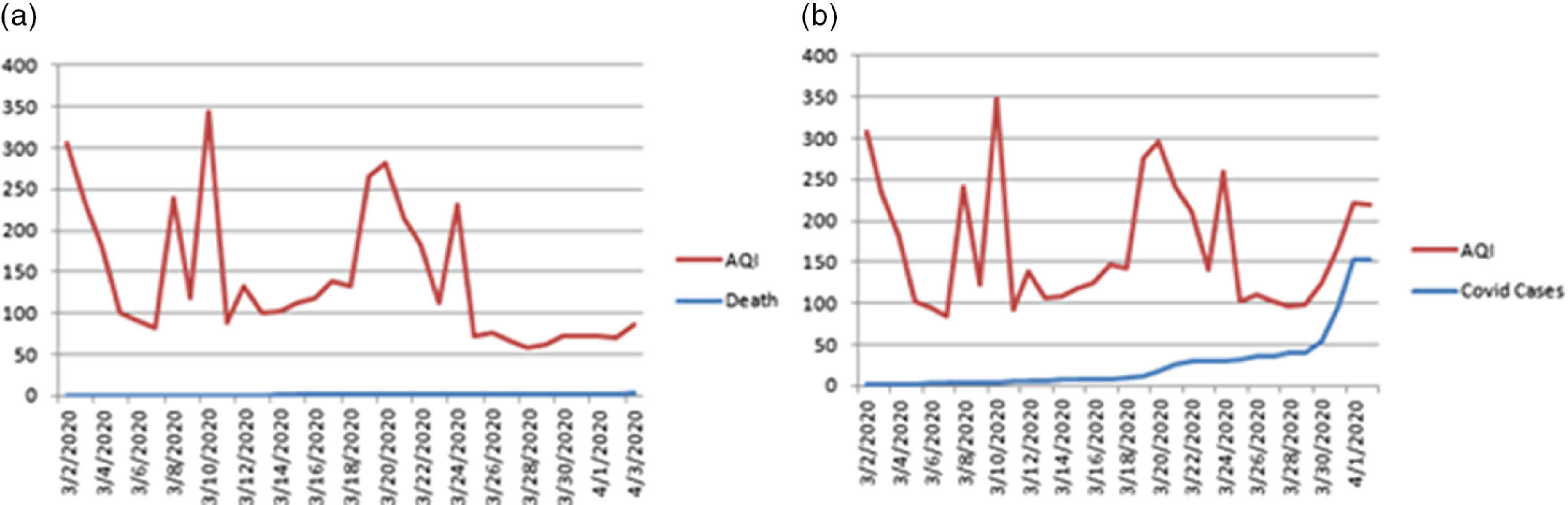
The focus of this study is to monitor the effect of lockdown on the various air pollutants due to the coronavirus disease (COVID-19) pandemic and identify the ones that affect COVID-19 fatalities so that measures to control the pollution could be enforced.
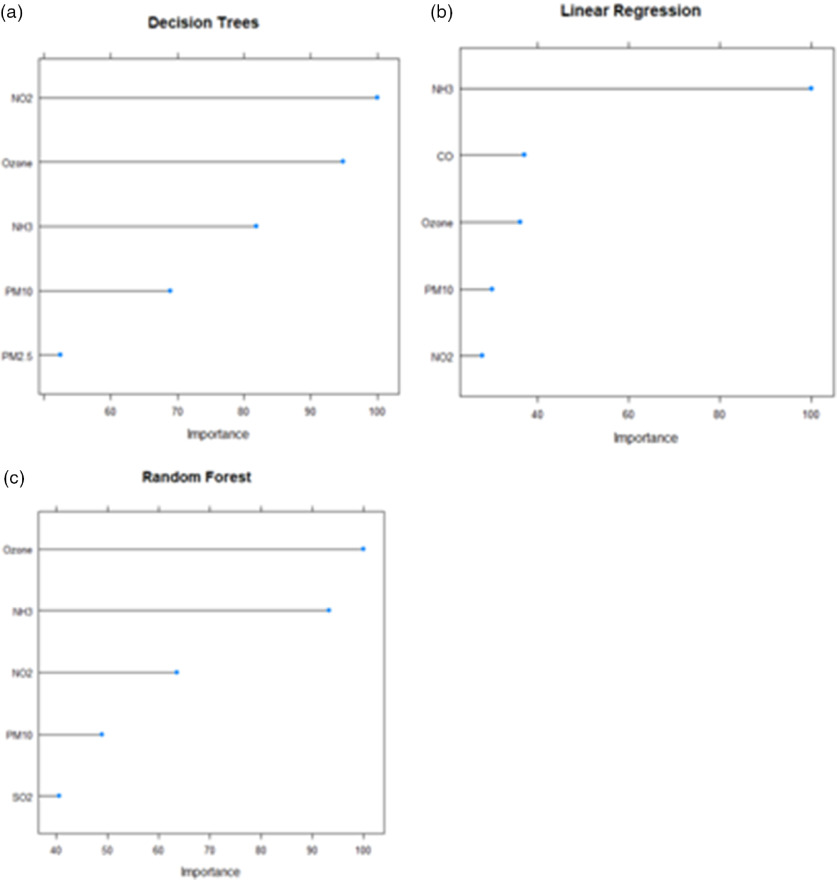
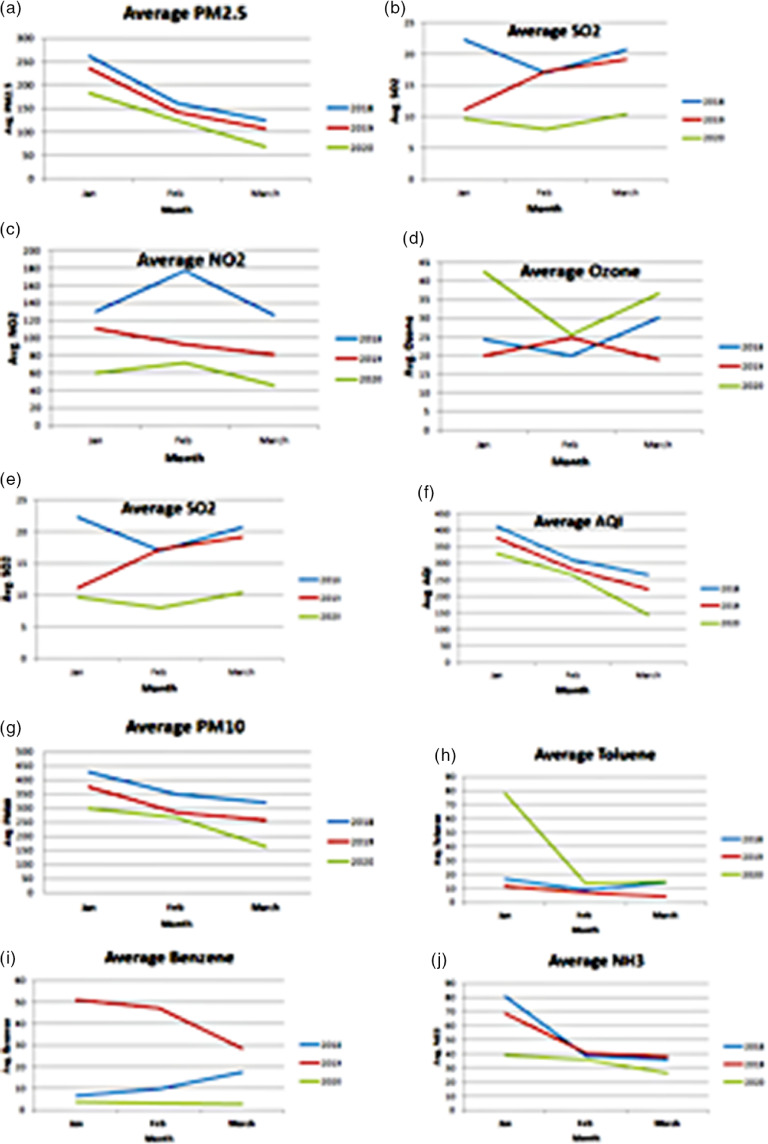
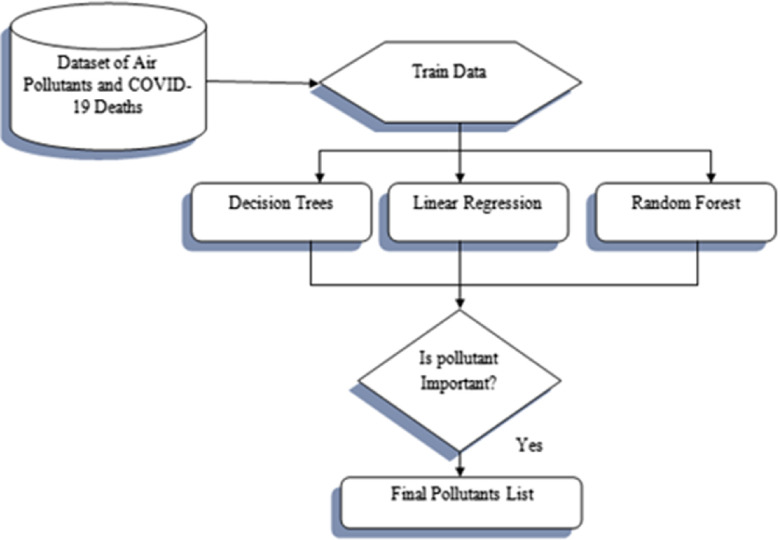
Various machine learning techniques: Decision Trees, Linear Regression, and Random Forest have been applied to correlate air pollutants and COVID-19 fatalities in Delhi. Furthermore, a comparison between the concentration of various air pollutants and the air quality index during the lockdown period and last two years, 2018 and 2019, has been presented.
From the experimental work, it has been observed that the pollutants ozone and toluene have increased during the lockdown period. It has also been deduced that the pollutants that may impact the mortalities due to COVID-19 are ozone, NH, NO, and PM
The novel coronavirus has led to environmental restoration due to lockdown. However, there is a need to impose measures to control ozone pollution, as there has been a significant increase in its concentration and it also impacts the COVID-19 mortality rate.
本研究的重点是监测由于冠状病毒病(COVID-19)大流行而导致的各种空气污染物的封锁效应,并确定影响 COVID-19 死亡率的因素,以便能够采取控制污染的措施。
应用了各种机器学习技术:决策树、线性回归和随机森林,以关联德里的空气污染物和 COVID-19 死亡率。此外,还比较了封锁期间和过去两年(2018 年和 2019 年)的各种空气污染物浓度与空气质量指数。
从实验工作中观察到,在封锁期间,臭氧和甲苯等污染物的浓度增加了。还推断出可能影响 COVID-19 死亡率的污染物是臭氧、NH、NO 和 PM。
由于封锁,新型冠状病毒导致了环境的恢复。然而,需要采取措施来控制臭氧污染,因为其浓度显著增加,并且也会影响 COVID-19 的死亡率。