Guan Lina, Prieur Christophe, Zhang Liguo, Prieur Clémentine, Georges Didier, Bellemain Pascal
Faculty of Information Technology, Beijing University of Technology, 100124, Beijing, China.
Univ. Grenoble Alpes, CNRS, Grenoble INP, GIPSA-lab, F-38000 Grenoble, France.
Annu Rev Control. 2020;50:394-408. doi: 10.1016/j.arcontrol.2020.09.009. Epub 2020 Oct 5.
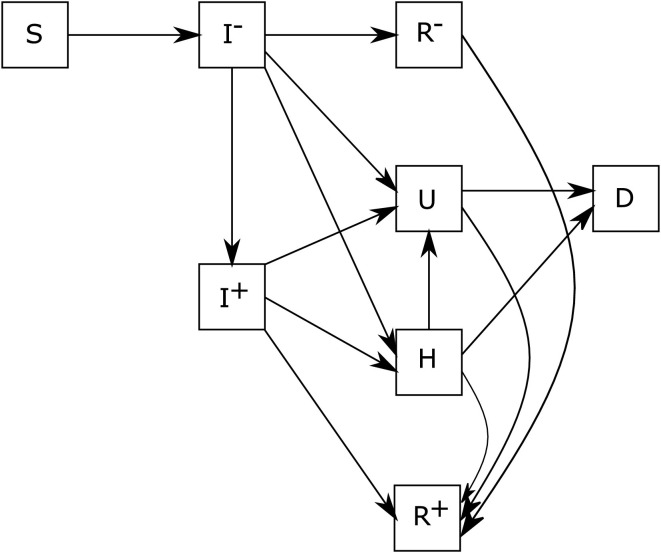
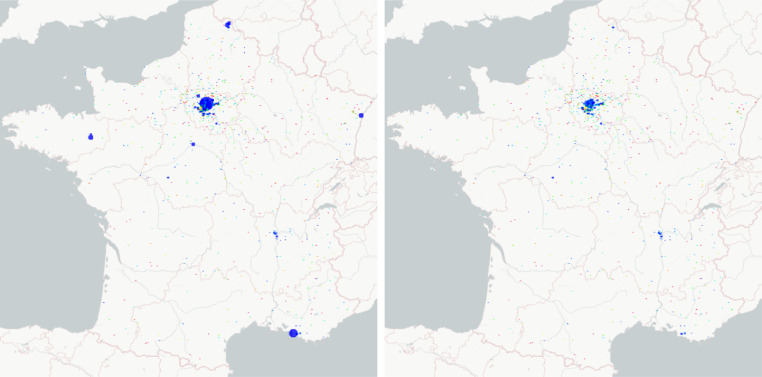
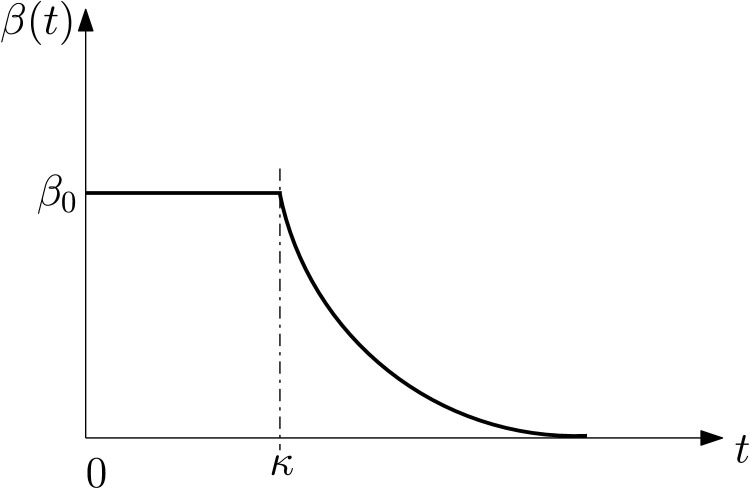
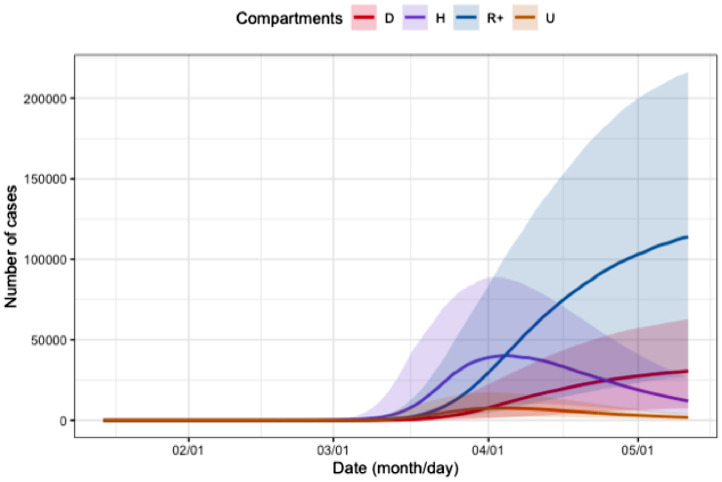
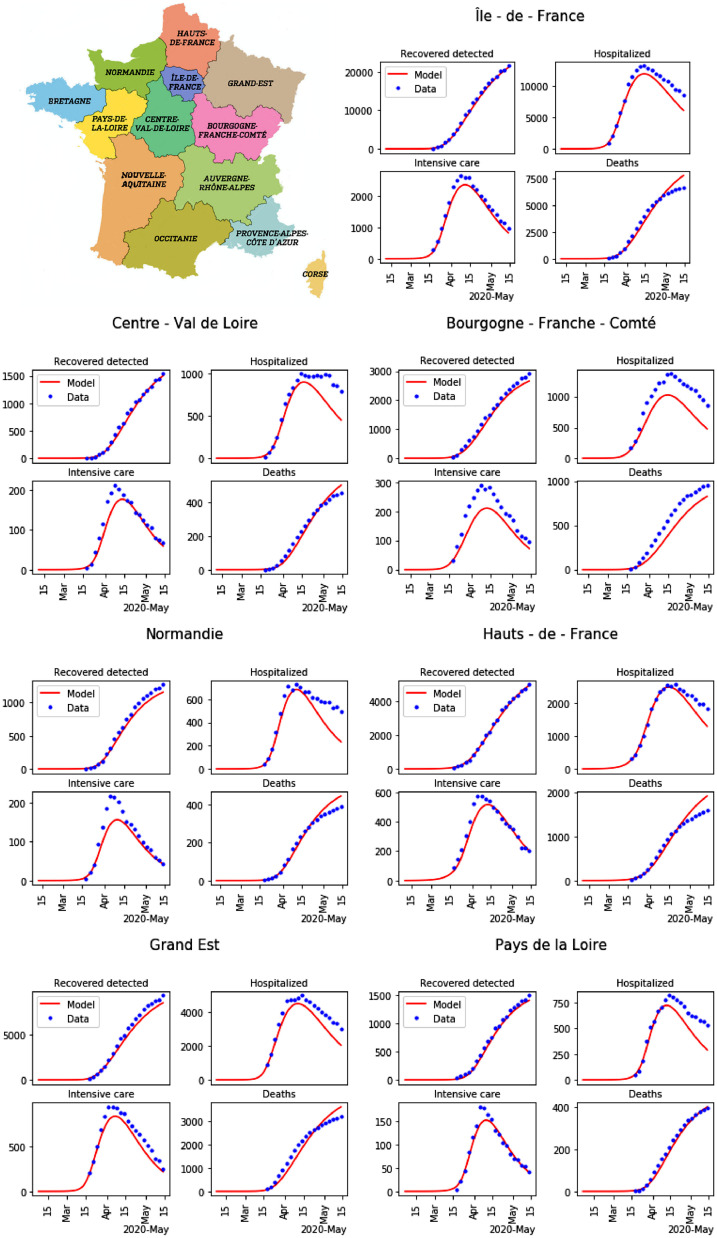
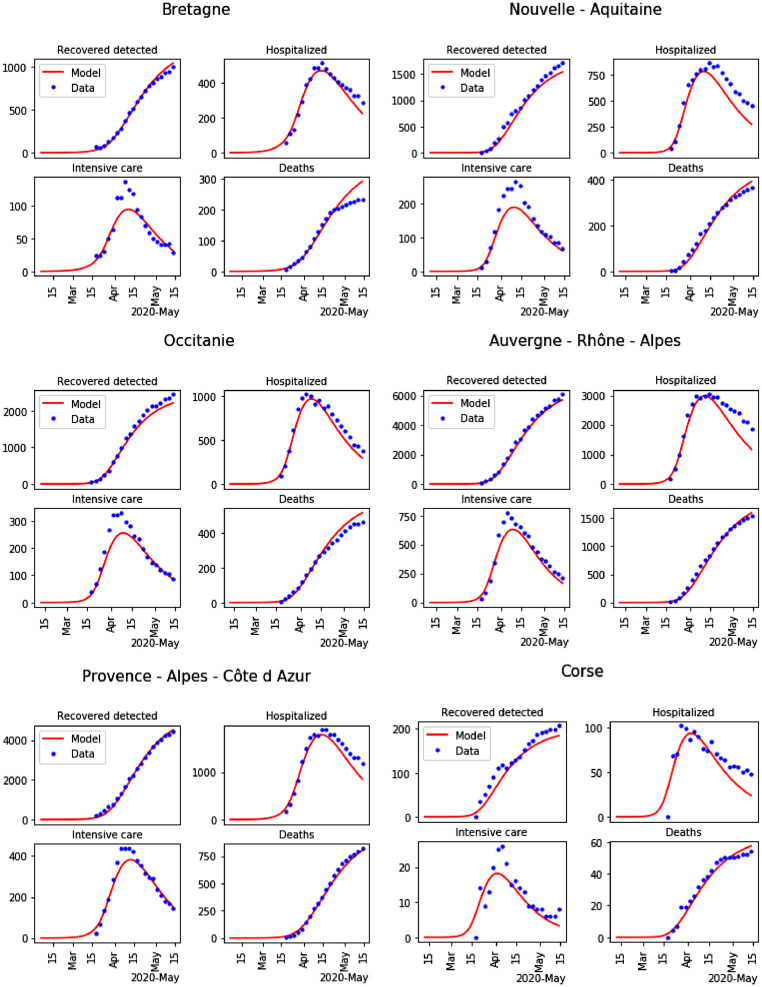
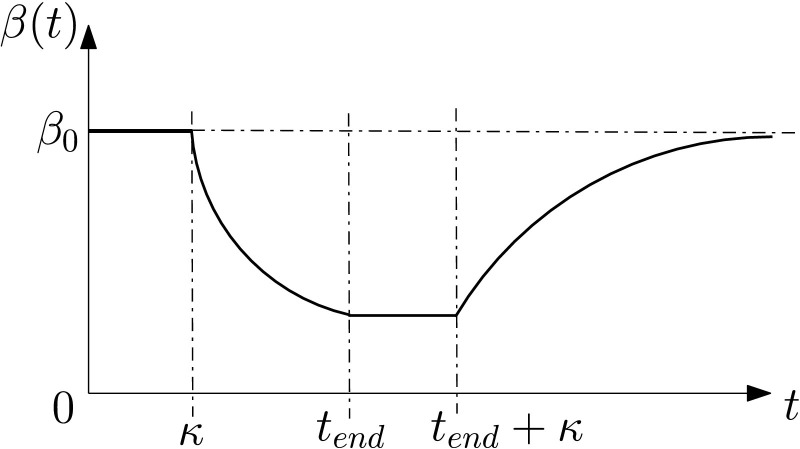
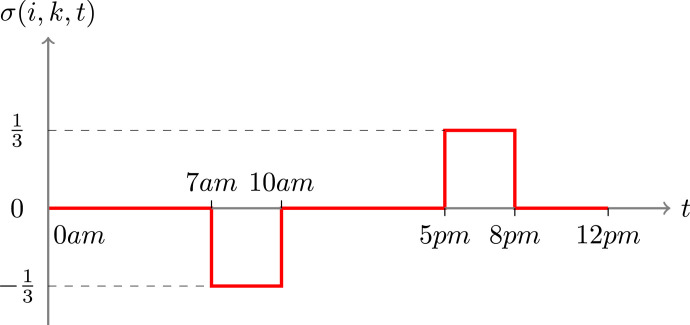
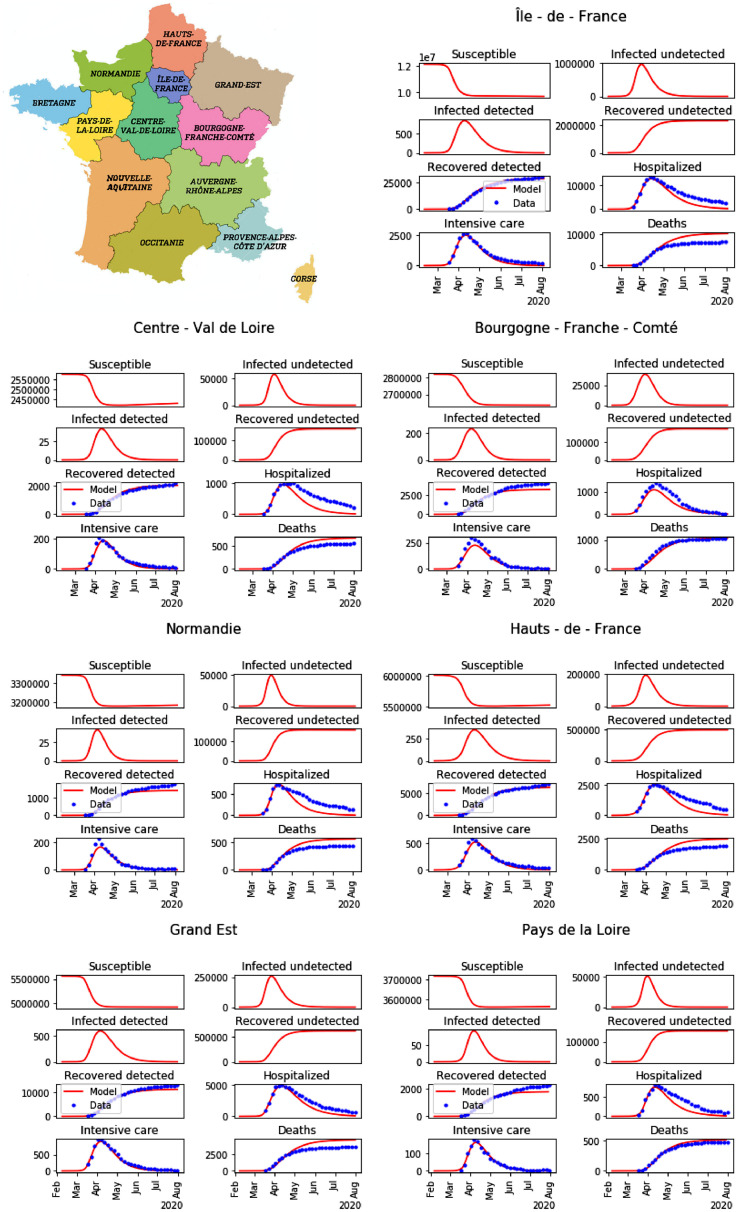
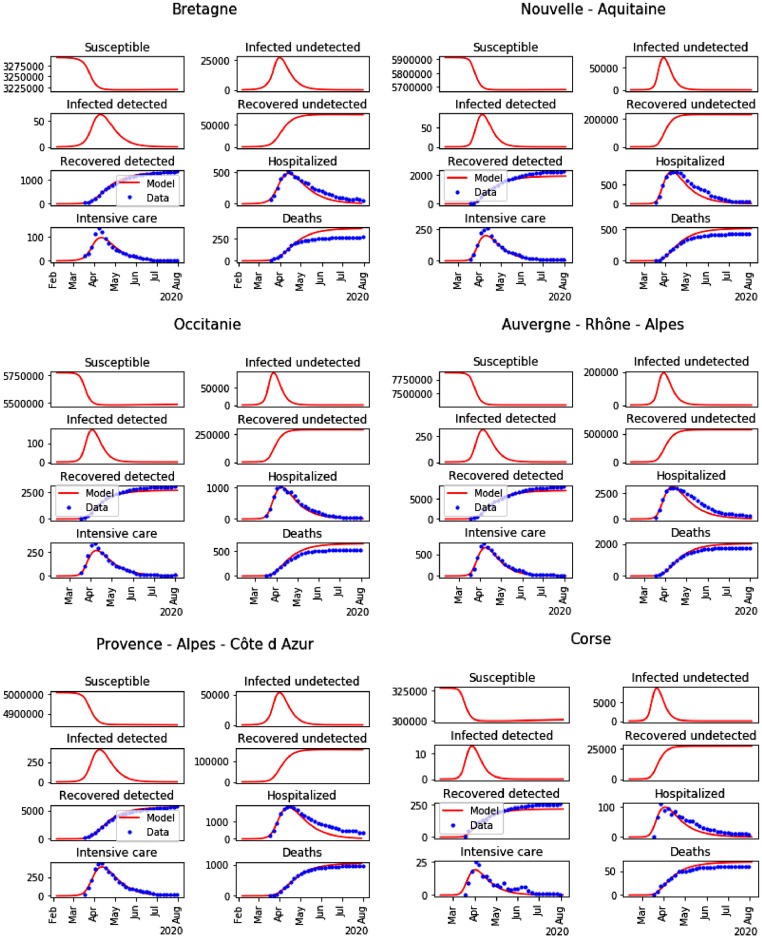
An extension of the classical pandemic SIRD model is considered for the regional spread of COVID-19 in France under lockdown strategies. This compartment model divides the infected and the recovered individuals into undetected and detected compartments respectively. By fitting the extended model to the real detected data during the lockdown, an optimization algorithm is used to derive the optimal parameters, the initial condition and the epidemics start date of regions in France. Considering all the age classes together, a network model of the pandemic transport between regions in France is presented on the basis of the regional extended model and is simulated to reveal the transport effect of COVID-19 pandemic after lockdown. Using the measured values of displacement of people between cities, the pandemic network of all cities in France is simulated by using the same model and method as the pandemic network of regions. Finally, a discussion on an integro-differential equation is given and a new model for the network pandemic model of each age class is provided.
针对法国在封锁策略下新冠疫情的区域传播,考虑对经典大流行SIRD模型进行扩展。该 compartment 模型将感染个体和康复个体分别划分为未检测到和已检测到的 compartment。通过将扩展模型拟合到封锁期间的实际检测数据,使用优化算法来推导法国各地区的最优参数、初始条件和疫情起始日期。综合考虑所有年龄组,基于区域扩展模型构建了法国各地区之间大流行传播的网络模型,并进行模拟以揭示封锁后新冠疫情的传播效应。利用城市间人口流动的测量值,采用与地区大流行网络相同的模型和方法对法国所有城市的大流行网络进行模拟。最后,给出了一个关于积分 - 微分方程的讨论,并提供了一个针对各年龄组网络大流行模型的新模型。