Zhu Guanxia, Li Xia, Li Jiong, Zhou Wei, Chen Zhongjian, Fan Yun, Jiang Youhua, Zhao Yue, Sun Guogui, Mao Weimin
Wenzhou Medical University, Wenzhou, 325035, China.
Cancer Hospital of University of Chinese Academy of Sciences, Institute of Cancer and Basic Medicine of Chinese Academy of Sciences, Zhejiang Cancer Hospital, Hangzhou, 310022, China.
J Cancer. 2020 Sep 21;11(22):6516-6529. doi: 10.7150/jca.47111. eCollection 2020.
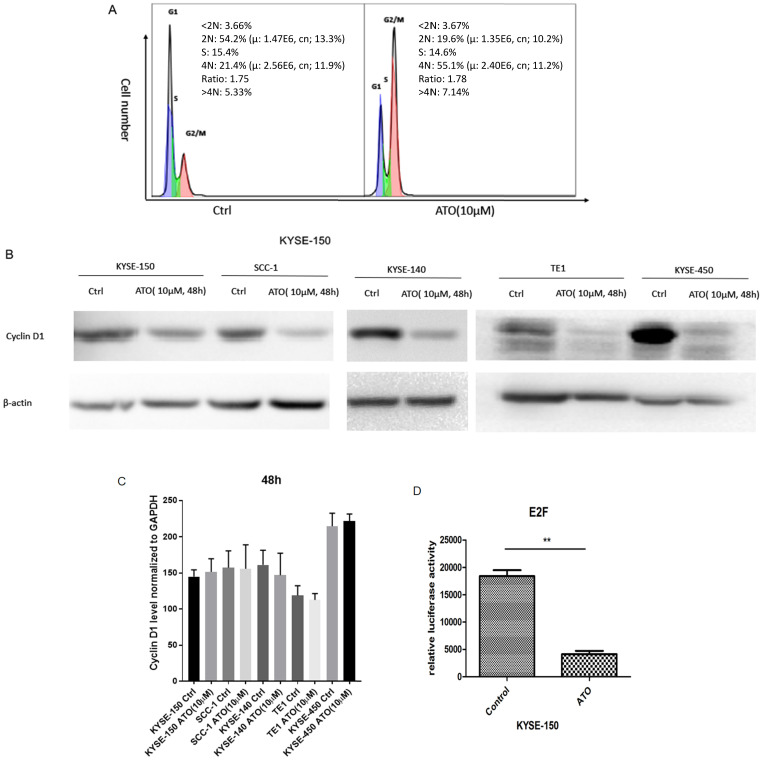
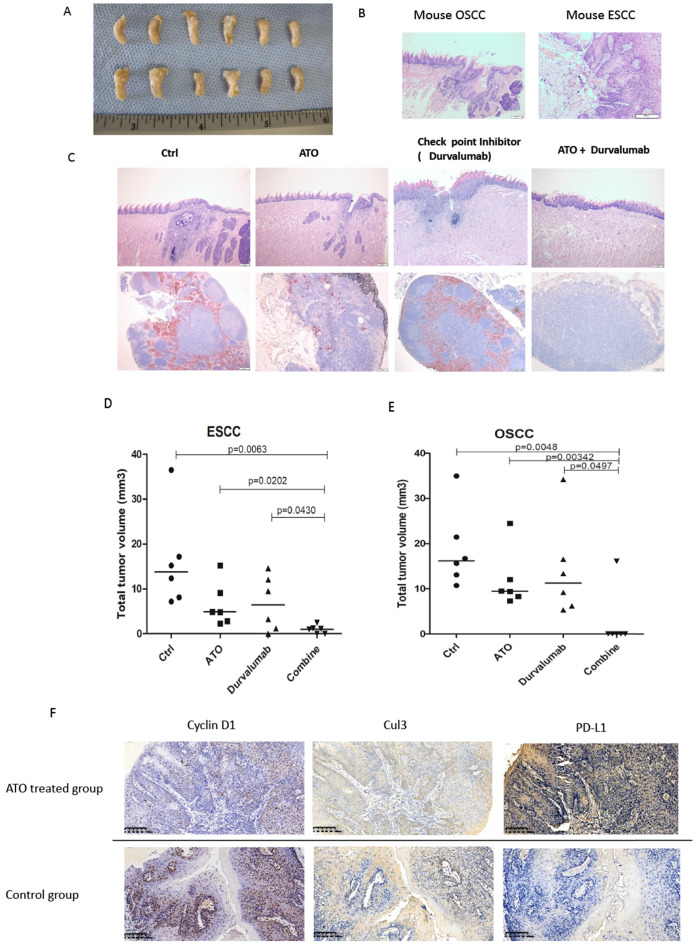
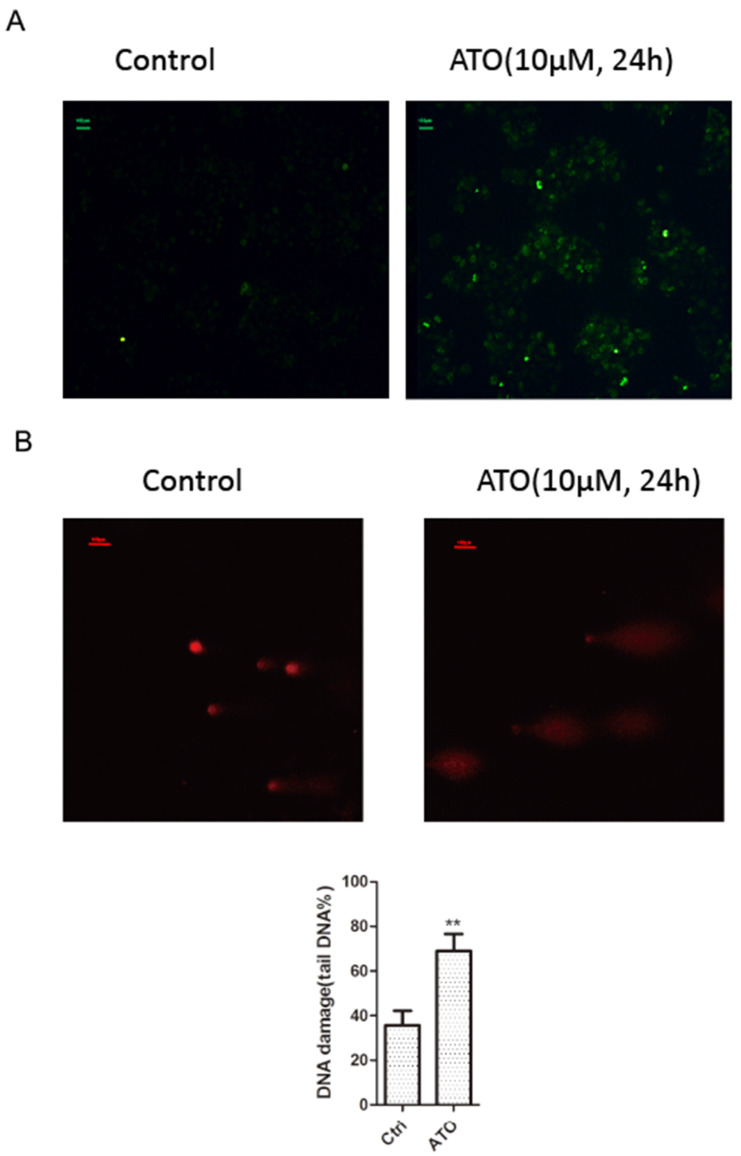
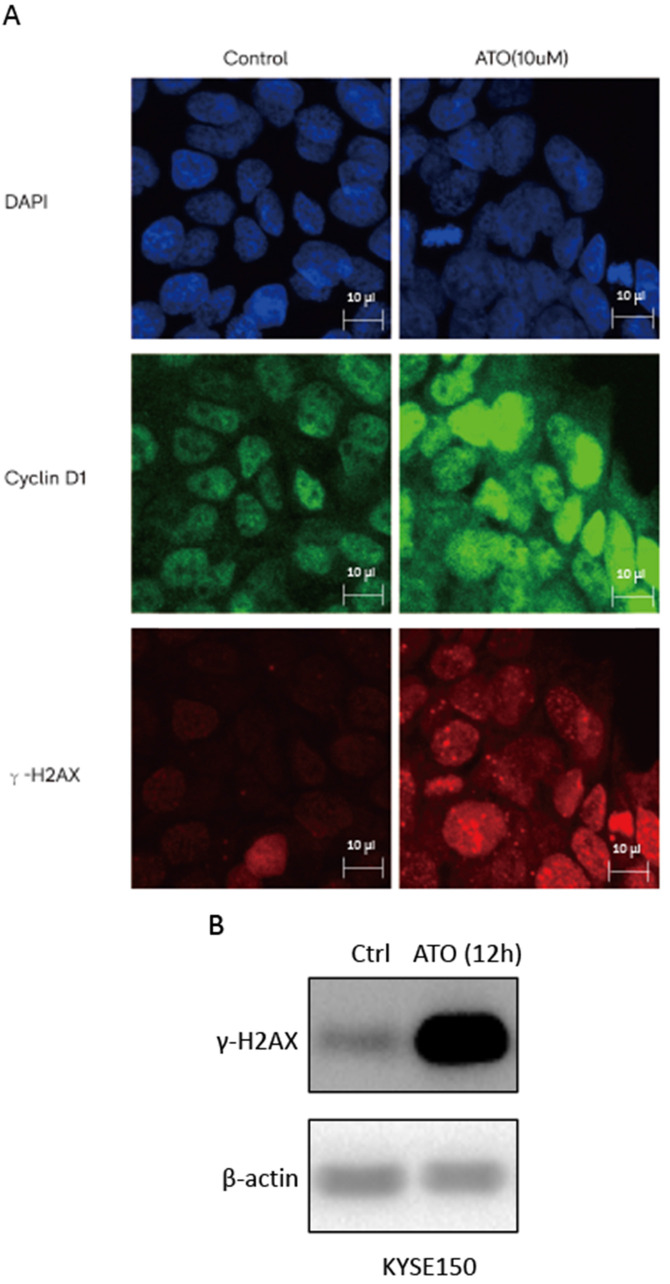
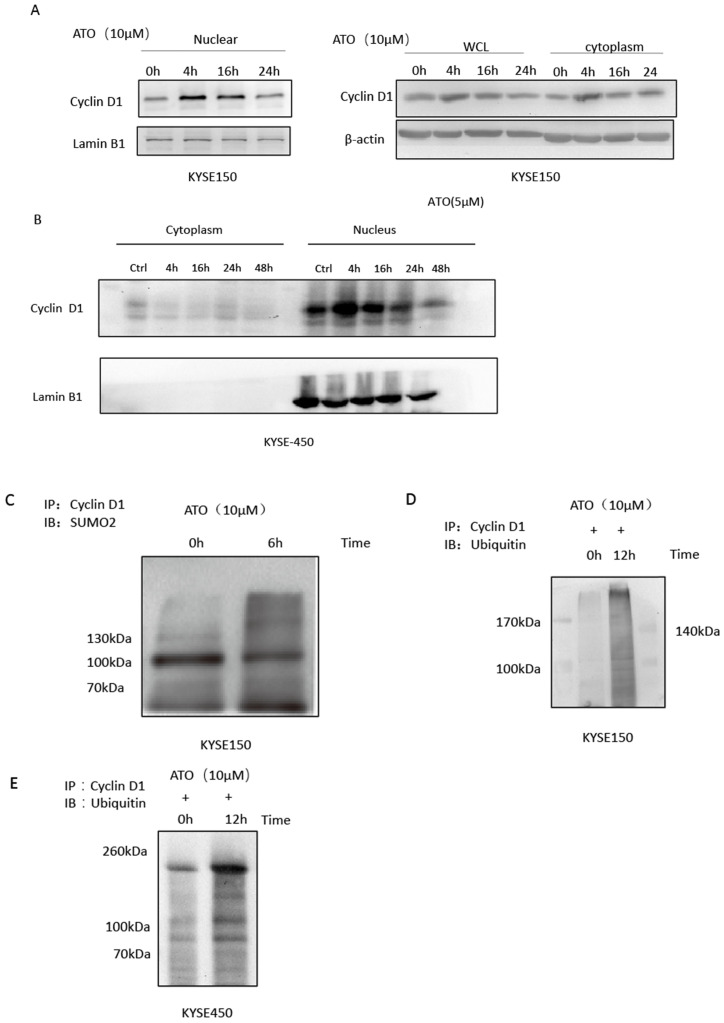
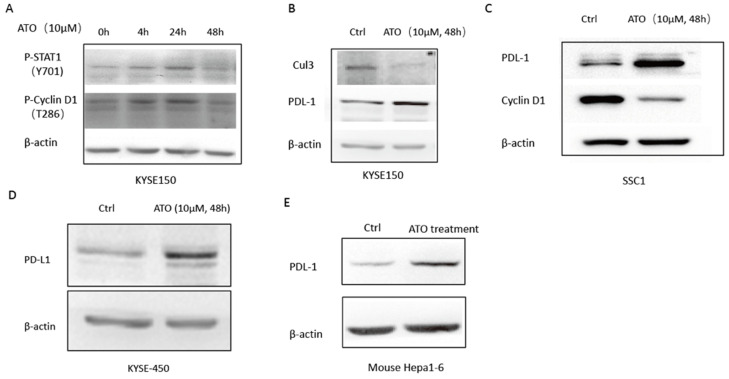
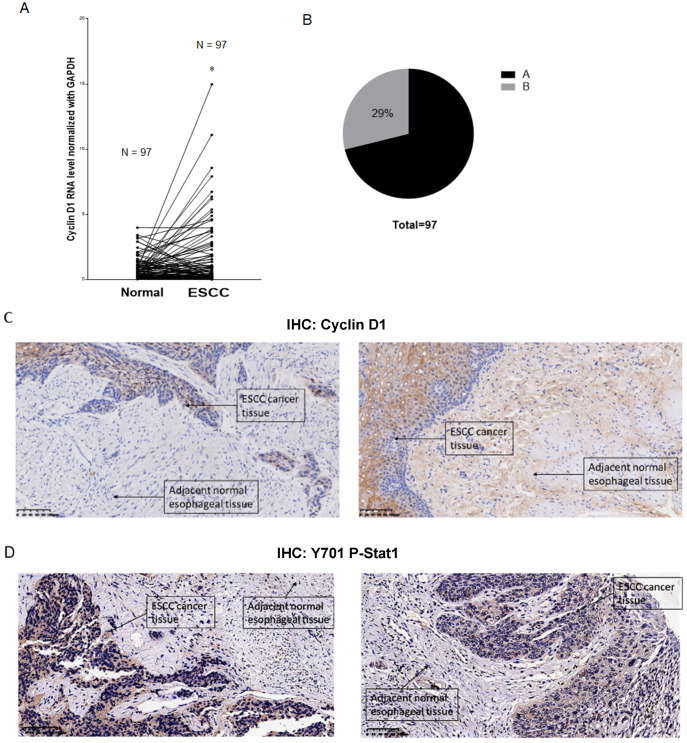
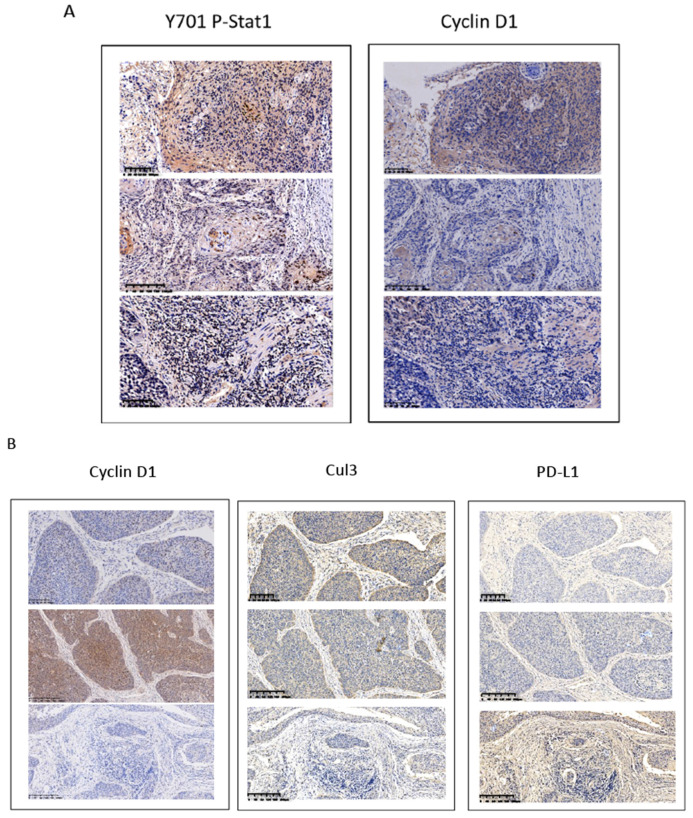
Arsenic trioxide (ATO) is widely studied for its antitumor efficacy and several recent studies suggested the immune modulatory effects of ATO in animal models. In this study we found ATO treatment induced increased ROS production and DNA damage in esophageal squamous cell carcinoma (ESCC) cells, led to DNA damage mediated degradation of Cyclin D1 and upregulation of PD-L1 in these cancer cells. Mechanistically, we found ATO induced a transient upregulation and nuclear translocation of Cyclin D1 by sumoylation. Followed with increased ubiquitination and degradation of Cyclin D1 through T286 phosphorylation, and at least partly mediated by Stat1 Y701 phosphorylation. We observed inversed correlations between Cyclin D1 and PD-L1 expression levels in human ESCC tissues. With 4NQO induced PD-L1 humanized mouse oral and esophageal squamous carcinoma model, we found combinatory administration of ATO and check point inhibitor resulted in a significant reduction of tumor volumes. Inversed correlation between Cyclin D1 with PD-L1 was also observed in the 4NQO induced mouse ESCC and OSCC model. Together, these data suggested ATO induced degradation of Cyclin D1 and functional suppression of CDK4/6 pathway sensitized OSCC and ESCC to checkpoint inhibitor treatment.
三氧化二砷(ATO)因其抗肿瘤疗效而受到广泛研究,最近的几项研究表明ATO在动物模型中具有免疫调节作用。在本研究中,我们发现ATO处理可诱导食管鳞状细胞癌(ESCC)细胞中ROS生成增加和DNA损伤,导致这些癌细胞中DNA损伤介导的细胞周期蛋白D1降解以及PD-L1上调。从机制上讲,我们发现ATO通过SUMO化诱导细胞周期蛋白D1短暂上调和核转位。随后通过T286磷酸化增加细胞周期蛋白D1的泛素化和降解,并且至少部分由Stat1 Y701磷酸化介导。我们观察到人类ESCC组织中细胞周期蛋白D1和PD-L1表达水平呈负相关。在4NQO诱导的PD-L1人源化小鼠口腔和食管鳞状癌模型中,我们发现ATO与检查点抑制剂联合给药可显著减小肿瘤体积。在4NQO诱导的小鼠ESCC和OSCC模型中也观察到细胞周期蛋白D1与PD-L1呈负相关。总之,这些数据表明ATO诱导的细胞周期蛋白D1降解和CDK4/6途径的功能抑制使OSCC和ESCC对检查点抑制剂治疗敏感。