Wang Hao, Yang Guang, Zhang Qian, Liang Xiao, Liu Yang, Gao Meng, Guo Yutao, Chen Li
Department of Cardiology, The Second Medical Center, National Clinical Research Center for Geriatric Diseases, Chinese PLA General Hospital, Beijing 100853, China.
Department of Nephrology, The Second Medical Center, National Clinical Research Center for Geriatric Diseases, Chinese PLA General Hospital, Beijing 100853, China.
Aging (Albany NY). 2020 Oct 14;12(19):19012-19021. doi: 10.18632/aging.103665.
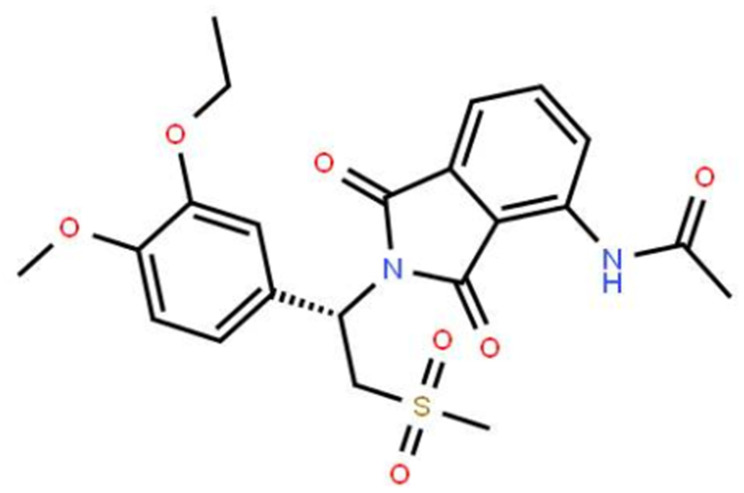
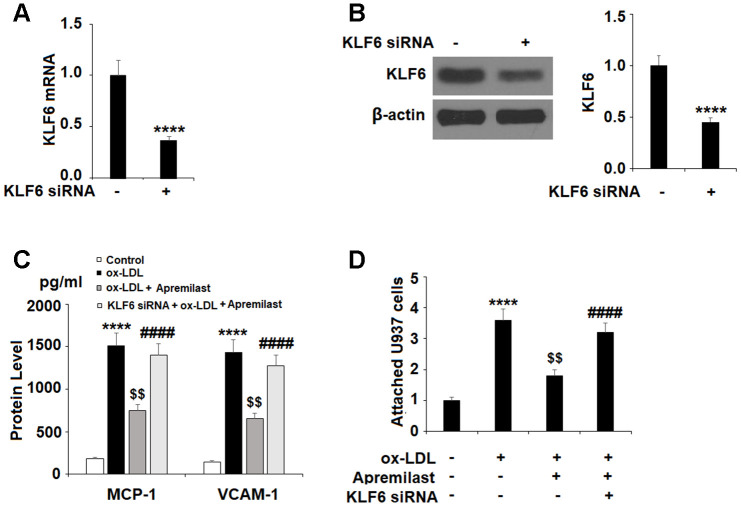
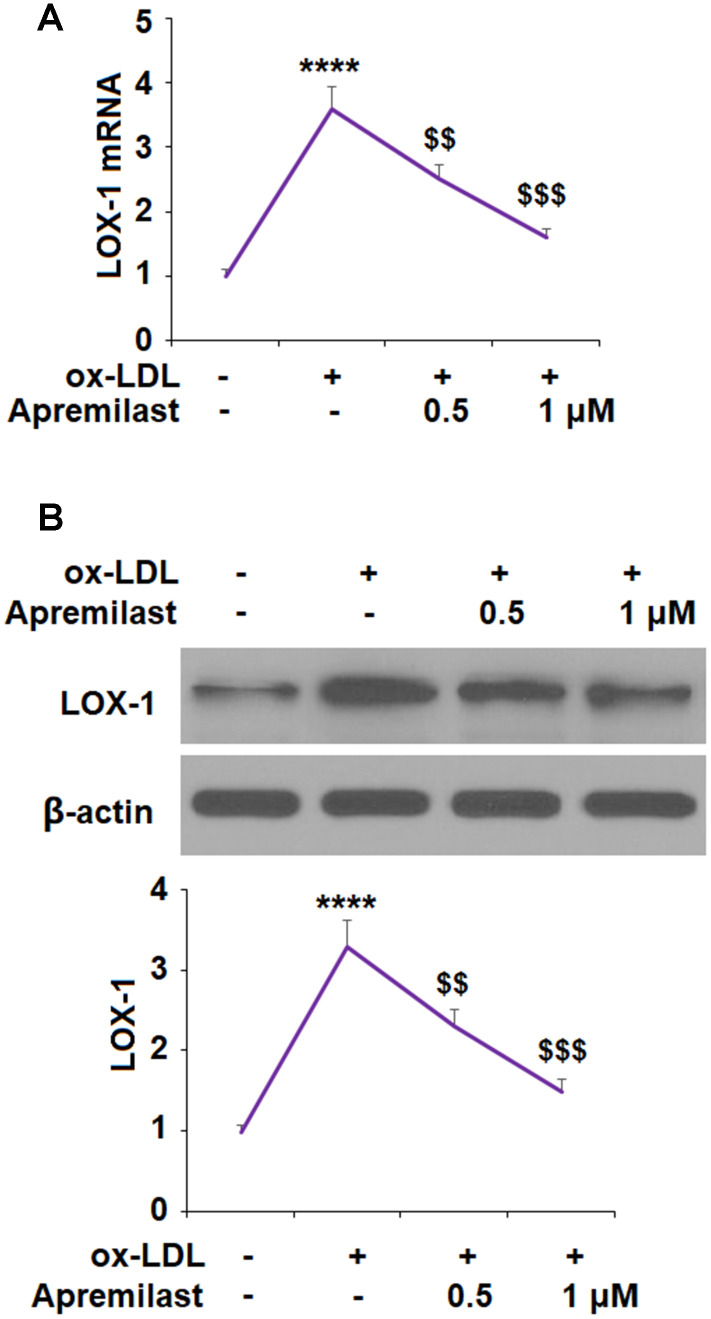
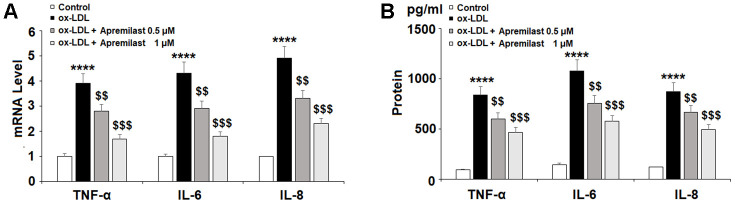
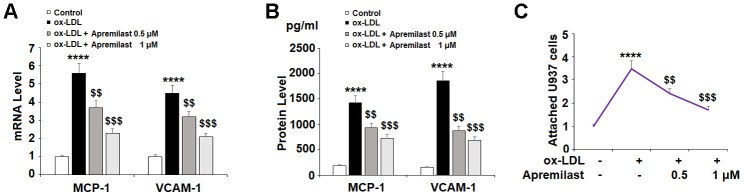
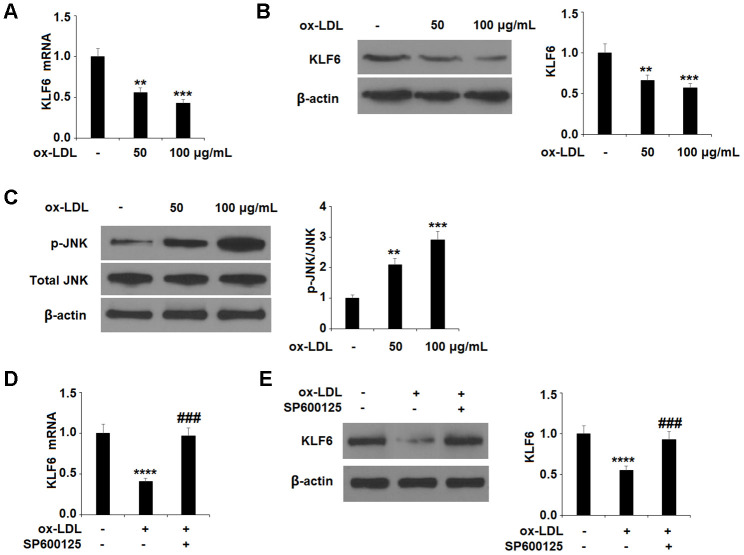
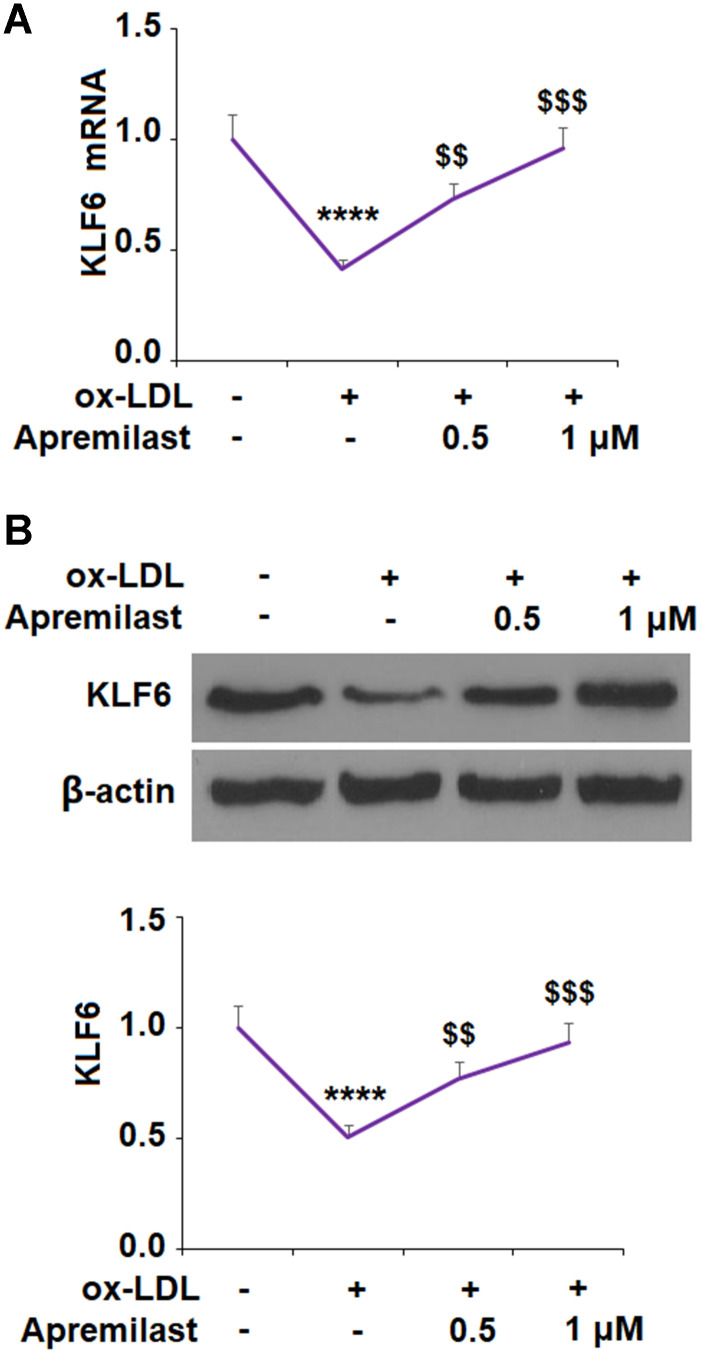
Apremilast is a phosphodiesterase 4 (PDE4) inhibitor used in the treatment of psoriasis and several other inflammatory diseases. Interest has been expressed in seeking out therapies that address both psoriasis and atherosclerosis. In the present study, we explored the effects of apremilast in human aortic endothelial cells (HAECs) exposed to oxidized low-density lipoprotein (ox-LDL) to simulate the atherosclerotic microenvironment . Our findings indicate that apremilast may reduce the expression of lectin-like oxidized-low-density-lipoprotein receptor-1 (LOX-1), the main ox-LDL scavenging receptor. Apremilast also inhibited the expression of tumor necrosis factor-α (TNF-α), interleukin-6 (IL-6), and interleukin-8 (IL-8), which are deeply involved in the chronic inflammatory response associated with atherosclerosis. Interestingly, we found that apremilast inhibited the attachment of U937 monocytes to HAECs by reducing the expression of the chemokine monocyte chemotactic protein 1 (MCP-1) and the cellular adhesion molecule vascular cell adhesion molecule-1 (VCAM-1). This effect was found to be mediated through the rescue of Krüppel like factor 6 (KLF6) expression, which was reduced in response to ox-LDL via increased phosphorylation of c-Jun N-terminal kinase (JNK). These findings suggest a potential role for apremilast in the treatment of atherosclerosis.
阿普司他是一种磷酸二酯酶4(PDE4)抑制剂,用于治疗银屑病和其他几种炎症性疾病。人们对寻找同时治疗银屑病和动脉粥样硬化的疗法很感兴趣。在本研究中,我们探讨了阿普司他在暴露于氧化低密度脂蛋白(ox-LDL)的人主动脉内皮细胞(HAECs)中的作用,以模拟动脉粥样硬化微环境。我们的研究结果表明,阿普司他可能会降低凝集素样氧化低密度脂蛋白受体-1(LOX-1)的表达,LOX-1是主要的ox-LDL清除受体。阿普司他还抑制了肿瘤坏死因子-α(TNF-α)、白细胞介素-6(IL-6)和白细胞介素-8(IL-8)的表达,这些因子与动脉粥样硬化相关的慢性炎症反应密切相关。有趣的是,我们发现阿普司他通过降低趋化因子单核细胞趋化蛋白1(MCP-1)和细胞粘附分子血管细胞粘附分子-1(VCAM-1)的表达来抑制U937单核细胞与HAECs的附着。这种作用被发现是通过挽救Krüppel样因子6(KLF6)的表达介导的,KLF6的表达因c-Jun氨基末端激酶(JNK)磷酸化增加而对ox-LDL反应降低。这些发现表明阿普司他在动脉粥样硬化治疗中具有潜在作用。