Bryniarski Mark A, Ren Tianjing, Rizvi Abbas R, Snyder Anthony M, Morris Marilyn E
Department of Pharmaceutical Sciences, School of Pharmacy and Pharmaceutical Sciences, University at Buffalo: 304 Pharmacy Building, Buffalo, NY 14214, USA.
Pharmaceutics. 2020 Oct 14;12(10):963. doi: 10.3390/pharmaceutics12100963.
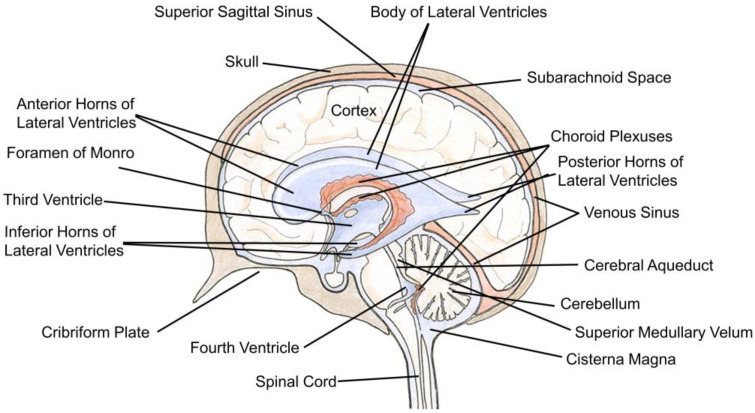
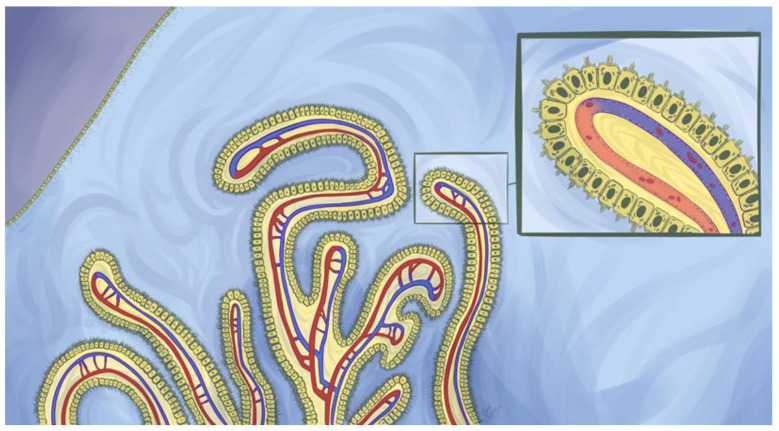
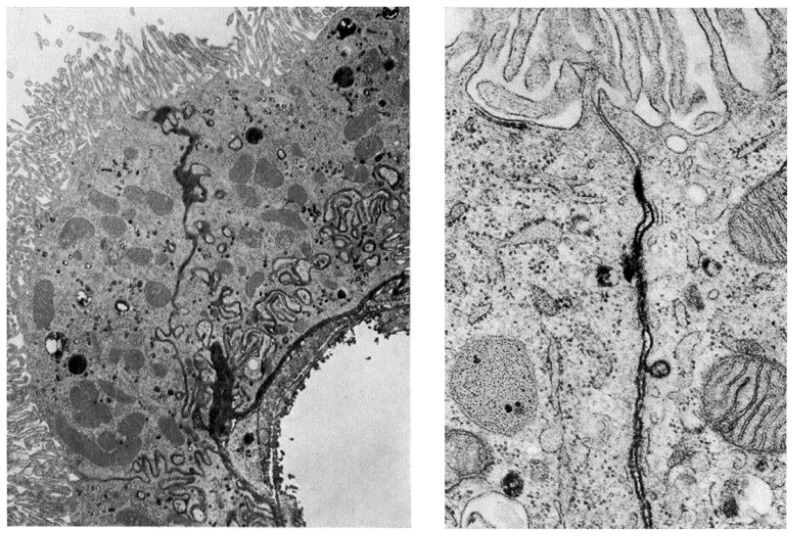
Delivery of therapeutic agents to the central nervous system is challenged by the barriers in place to regulate brain homeostasis. This is especially true for protein therapeutics. Targeting the barrier formed by the choroid plexuses at the interfaces of the systemic circulation and ventricular system may be a surrogate brain delivery strategy to circumvent the blood-brain barrier. Heterogenous cell populations located at the choroid plexuses provide diverse functions in regulating the exchange of material within the ventricular space. Receptor-mediated transcytosis may be a promising mechanism to deliver protein therapeutics across the tight junctions formed by choroid plexus epithelial cells. However, cerebrospinal fluid flow and other barriers formed by ependymal cells and perivascular spaces should also be considered for evaluation of protein therapeutic disposition. Various preclinical methods have been applied to delineate protein transport across the choroid plexuses, including imaging strategies, ventriculocisternal perfusions, and primary choroid plexus epithelial cell models. When used in combination with simultaneous measures of cerebrospinal fluid dynamics, they can yield important insight into pharmacokinetic properties within the brain. This review aims to provide an overview of the choroid plexuses and ventricular system to address their function as a barrier to pharmaceutical interventions and relevance for central nervous system drug delivery of protein therapeutics. Protein therapeutics targeting the ventricular system may provide new approaches in treating central nervous system diseases.
治疗药物向中枢神经系统的递送受到调节脑内稳态的各种屏障的挑战。对于蛋白质治疗药物而言尤其如此。靶向脉络丛在体循环和脑室系统界面处形成的屏障,可能是一种替代的脑递送策略,以绕过血脑屏障。位于脉络丛的异质细胞群体在调节脑室内物质交换方面具有多种功能。受体介导的转胞吞作用可能是一种有前景的机制,可使蛋白质治疗药物穿过脉络丛上皮细胞形成的紧密连接。然而,在评估蛋白质治疗药物的处置时,还应考虑脑脊液流动以及室管膜细胞和血管周围间隙形成的其他屏障。已经应用了各种临床前方法来描绘蛋白质穿过脉络丛的转运,包括成像策略、脑室池灌注和原代脉络丛上皮细胞模型。当与脑脊液动力学的同步测量结合使用时,它们可以对脑内的药代动力学特性产生重要的见解。本综述旨在概述脉络丛和脑室系统,以阐述它们作为药物干预屏障的功能以及与蛋白质治疗药物中枢神经系统给药的相关性。靶向脑室系统的蛋白质治疗药物可能为治疗中枢神经系统疾病提供新方法。